











Thankfully, we are not the ones on the receiving end of these comebacks. Some of them are so brutal that it is hard not to wince for the person getting roasted. From the safety of the sidelines, though, we get to sit back and enjoy the exchange.
Of course, taking pleasure in someone else’s embarrassment can seem a little cruel, but according to researchers, the reaction itself is surprisingly normal.
#4 Truer Words Have Never Been Spoken



In fact, there is a German word that describes this exact feeling: schadenfreude. It refers to the satisfaction we sometimes get from another person’s bad luck, failure, or humiliation.
The concept is a little more complicated than simply wanting something bad to happen to someone. We do not have to cause the misfortune ourselves to experience schadenfreude. Most of the time, we simply witness it or hear about it afterward.



What triggers schadenfreude often depends on who the other person is and what led up to their misfortune.
Psychologist Christian Cecconi told Science News Explores that the feeling can appear when someone who has hurt us finally seems to get what they deserve.
In those moments, watching things go wrong for them can feel strangely satisfying because, as Cecconi puts it, “It’s like justice has been restored.”


#12 Bro Doesn't Chew. His Stomach Has Acid

But the person on the receiving end does not necessarily have to be someone who hurt us or whom we truly hate. Sometimes, we may simply dislike them a little.
Other times, competition can play a role, especially when someone makes us feel insecure or inferior. Seeing them stumble can then bring a small sense of relief.
We do not even have to know the person personally. The popularity of celebrity scandals, reality television, and online fail videos suggests there is plenty of entertainment to be found in watching complete strangers have a very bad day.



A big part of understanding schadenfreude comes down to what we do with the feeling. Experiencing it does not automatically make someone cruel.
Still, Science News Explores notes that when it goes unchecked, it can sometimes lead to more harmful behavior, including bullying or revenge.
There is a big difference between laughing at a clever comeback and joining others in relentlessly attacking someone. Once the goal is to cause genuine pain or humiliation, the joke has gone too far.
#16 Conservatism Is Just Figuring Out Why The Thing You Destroyed Existed In The First Place


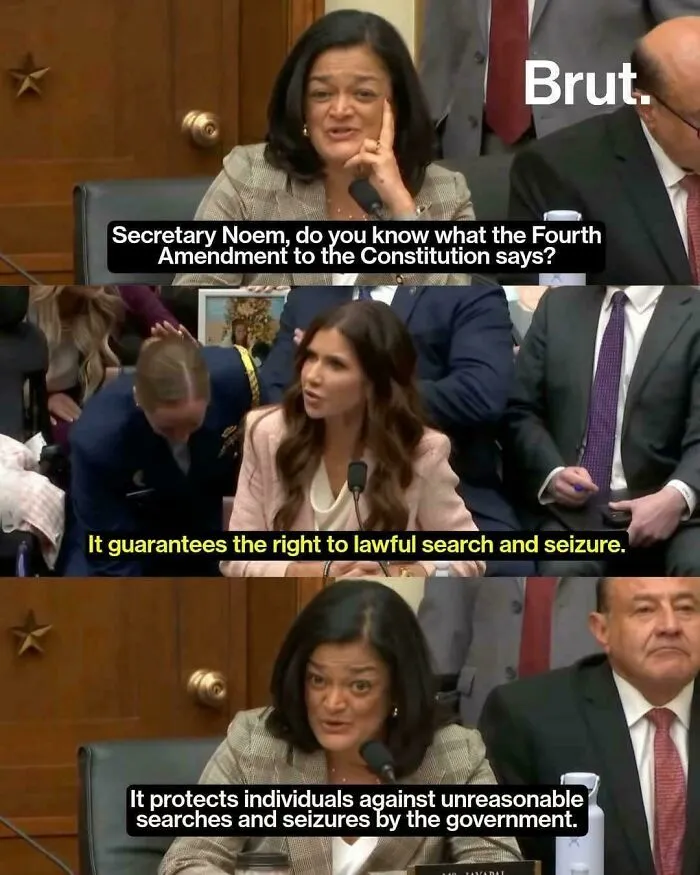
With the right intent, roasting can actually be good for our relationships, psychologists say. After all, playful teasing is hardly unusual among close friends.
In that setting, it can become a sign of closeness because it shows how well people know one another. A good friend usually knows which joke will make you laugh and which subject is better left alone.

#20 Another Example Of How Not Everyone With A Degree Is Smart
