




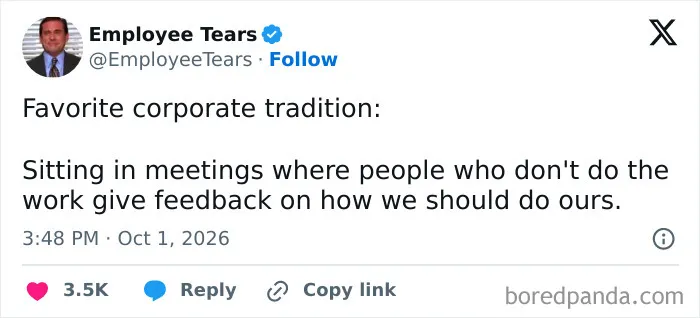
Unless you're a comedian or comedy writer, work is not meant to be a joke. But that's not to say you shouldn't have fun and some laughs at the office.
In fact, many experts say that humor is the perfect way to lighten the work stress-load. And that laughing on the job not only helps people to destress, but can also play a part in improving relationships.
"There is good evidence that laughter has positive physiological and psychological effects on people. For example, laughter lowers levels of the stress hormone cortisol and can increase the 'feel good' hormone of dopamine," says Dr Ronald E. Riggio, an author of dozens of books and the Henry R. Kravis Professor of Leadership and Organizational Psychology.
He adds that while a child can laugh up to 300 times a day, the typical 40-year-old adult laughs only about four times a day. "No wonder workplace stress is such a problem," notes the expert.

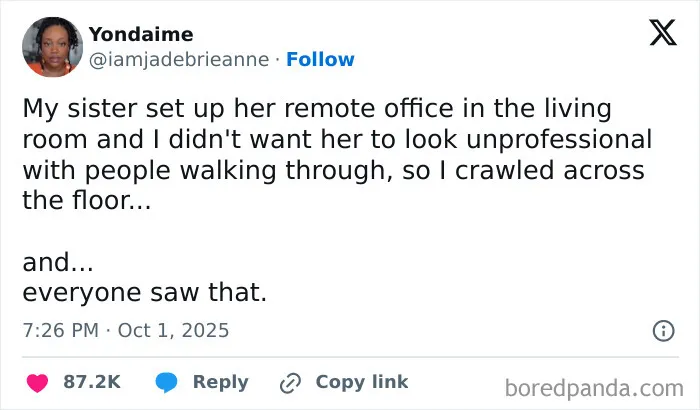
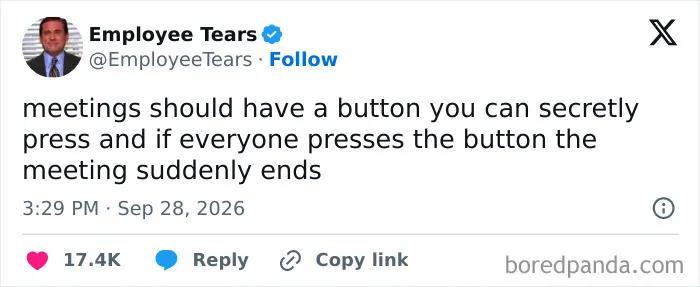
Riggio says the benefits of laughter and humor in the workplace are far-reaching. When done right, adding some comedy to an otherwise mundane work day can allow people to see you in a positive light, and can help create better social relationships in the office.
That's because laughter triggers the release of oxytocin, which the expert explains facilitates social bonding and increased trust. "Shared laughter can lead to feelings of closeness and greater relationship satisfaction," he says.
Riggio notes that there's science-backed evidence to prove that those who use humor are rated as more competent and confident.
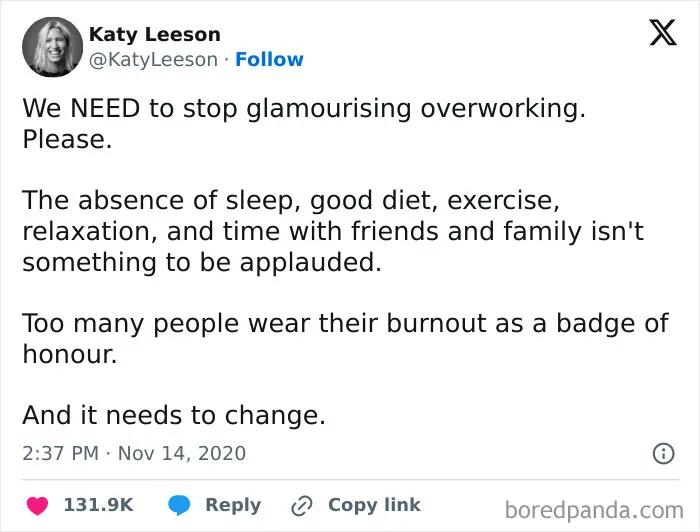

The experts at Harvard Medical School agree that there's more to laughter and humor than meets the eye (or ear). A good chuckle releases dopamine, enhances immunity, lowers stress hormones, increases blood flow, and strengthens the heart, they say.
"But beyond its many health perks, a good sense of humor leads to increased optimism, which in turn, boosts our resiliency and enables us to thrive when we are faced with adversity," adds the site. It adds that humor can assist groups in bonding and forming a group identity, "even in times of chaos in their 'outer' world."
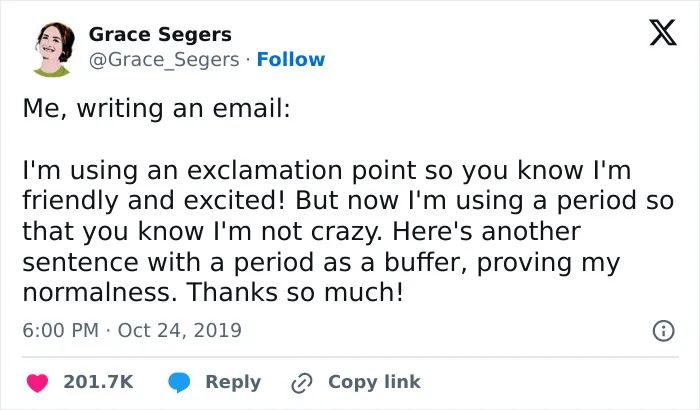

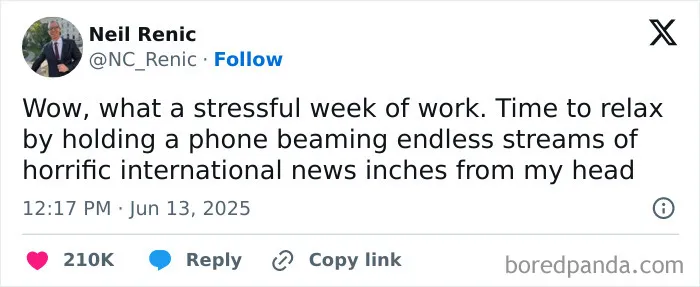
Humor in the workplace isn't just about cracking the odd joke. According to Indeed.com, it's any interaction, situation or document that is funny and can include any light-hearted remark or joke.
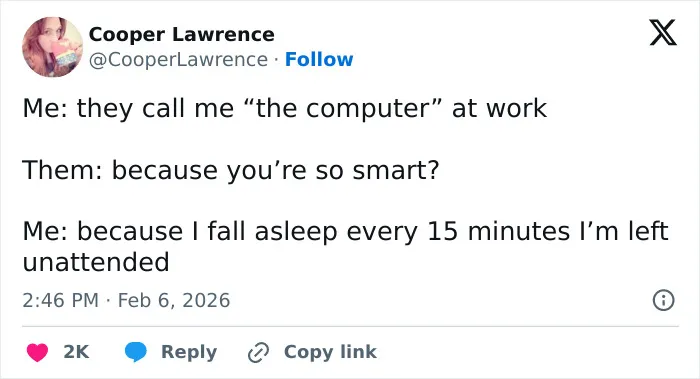
"This can include offhand jokes in the break room or written into a presentation, or it might be a GIF embedded in an email," notes the site. And, it can include a list of hilarious and relatable work memes that you share with your colleagues.


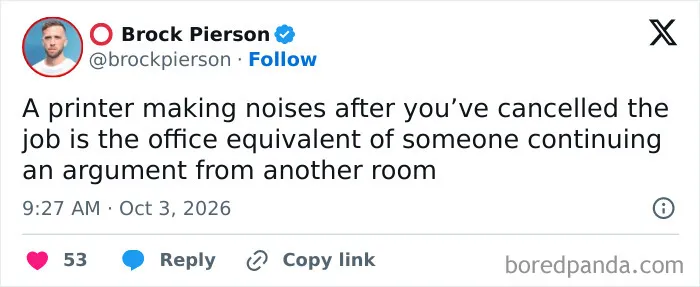
When using humor in the workplace, it's important to keep it tidy. Be professional, considerate and respectful in what you choose to say or share.
"Keep the humor positive with affiliative humor that focuses on shared experiences. Never use aggressive humor or tell jokes that others might find offensive or crude," advises Rigglio, adding that you shouldn't try too hard to be funny. "The purpose is not to make your colleagues fall on the floor laughing but to create an environment where levity is natural and spontaneous."

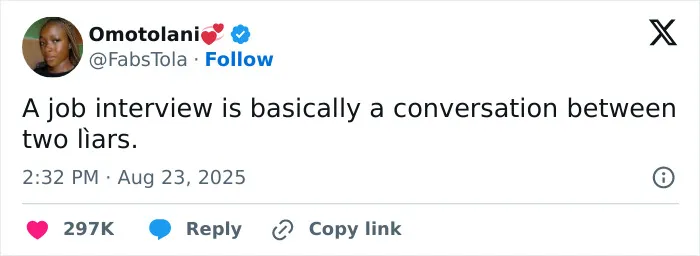
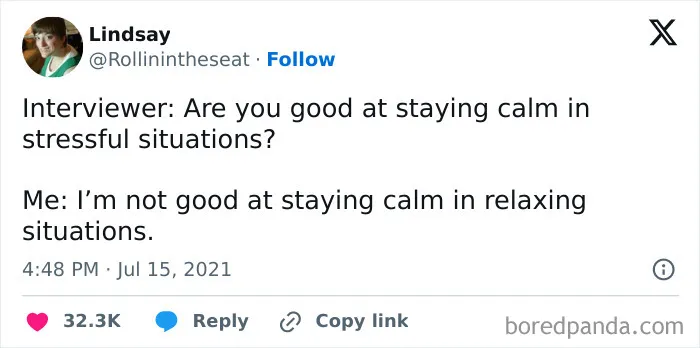
"Integration of humor must be exercised with caution and in an appropriate manner to ensure it is used at the right time and with an eye on the particular group with whom it is shared," warn Harvard's experts. "What is a joke for one group could easily be seen as an insult by another group."