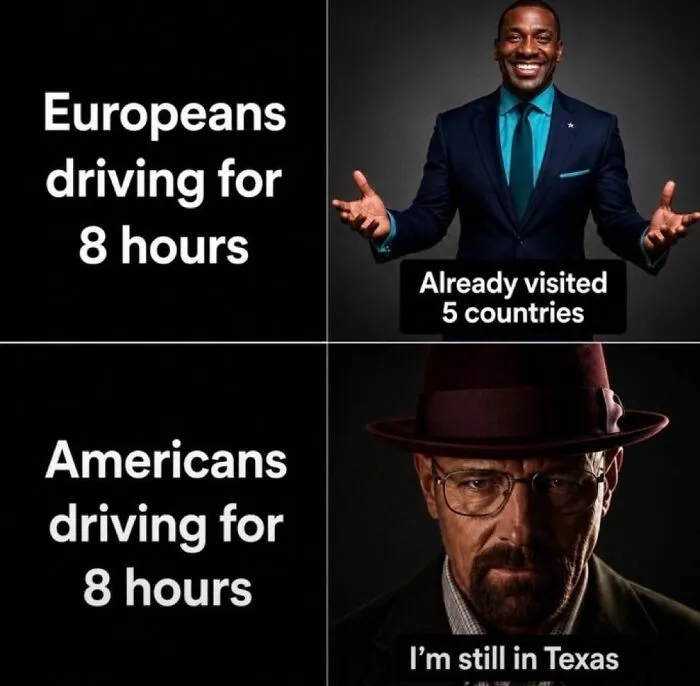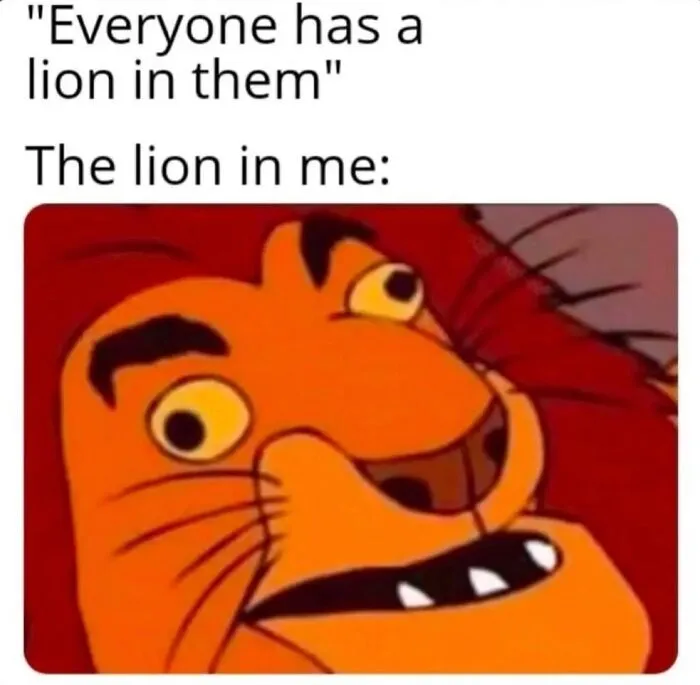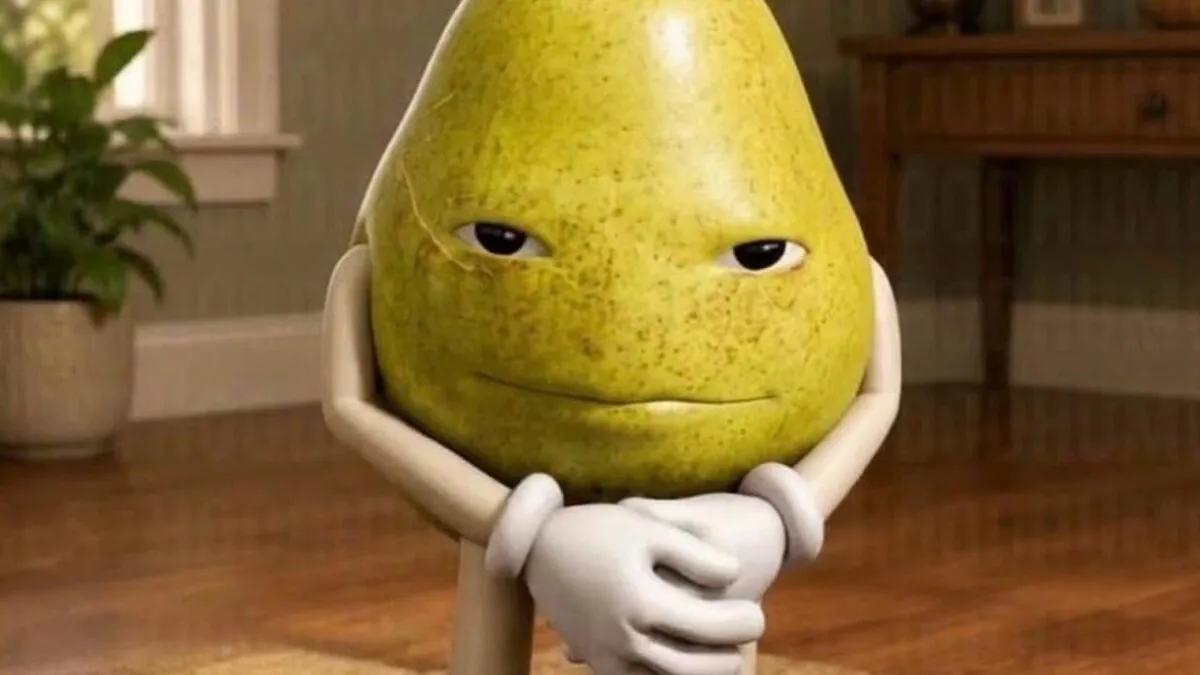



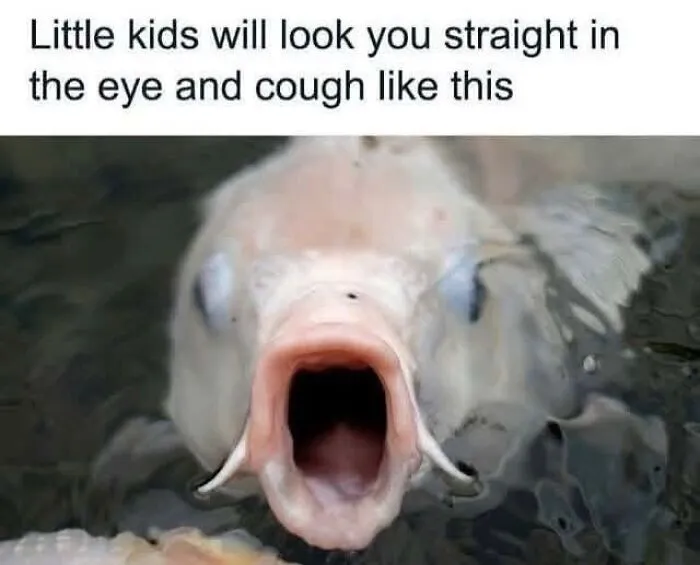
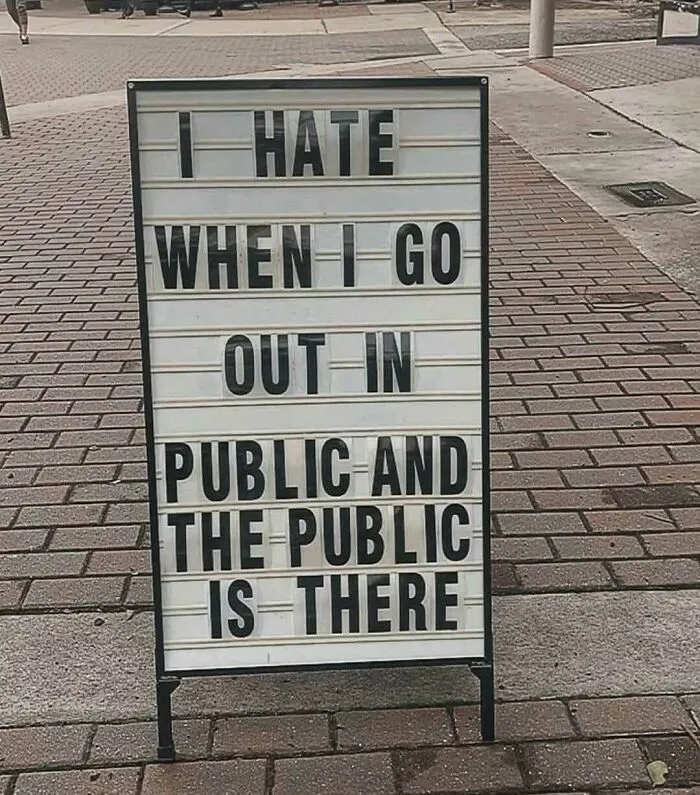
Everyone loves memes, from Doge to the Distracted Boyfriend. These formats are perfect for turning everyday situations into funny concepts. But there’s actually a much deeper reason behind our love for relatable memes: psychological validation.
A 2020 study in Frontiers in Psychology analyzed internet memes as tools for social connection. And the researchers found that humor can act as a shortcut to feeling like we belong. It can reduce isolation by turning internal, private anxieties into shared experiences through a humorous lens, making them feel lighter.


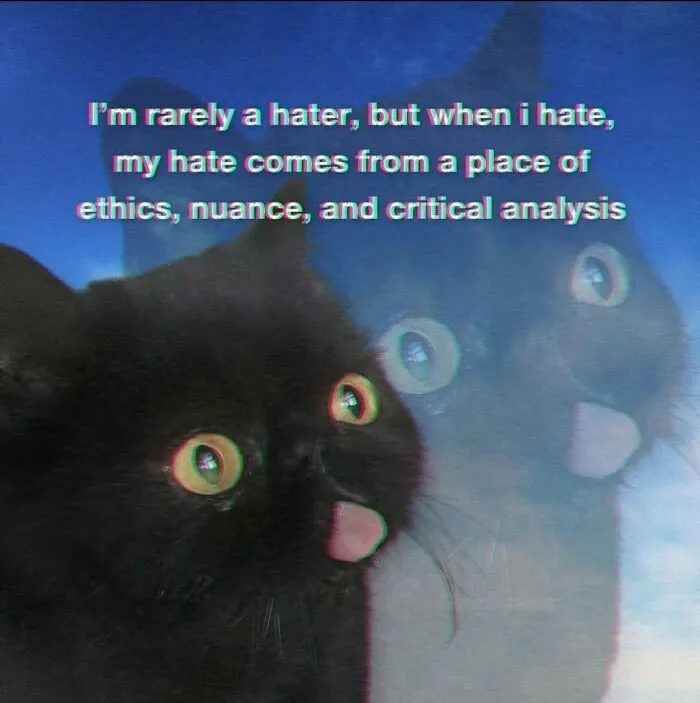
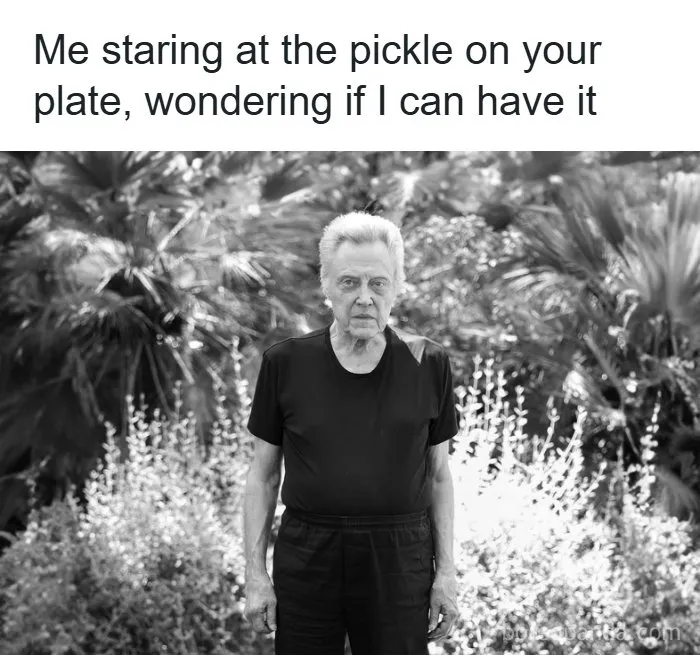
Memes also trigger a physiological response. Laughter isn’t just a response to a joke; it’s actually a bonding mechanism. Psychologist Robin Dunbar at the University of Oxford found that shared laughter triggers the brain’s endorphin system.
It promotes social bonding and trust, and yes, that can even extend to a bond through the screen. It’s almost like a modern way of tricking our brains into feeling safer and more connected to our tribe.
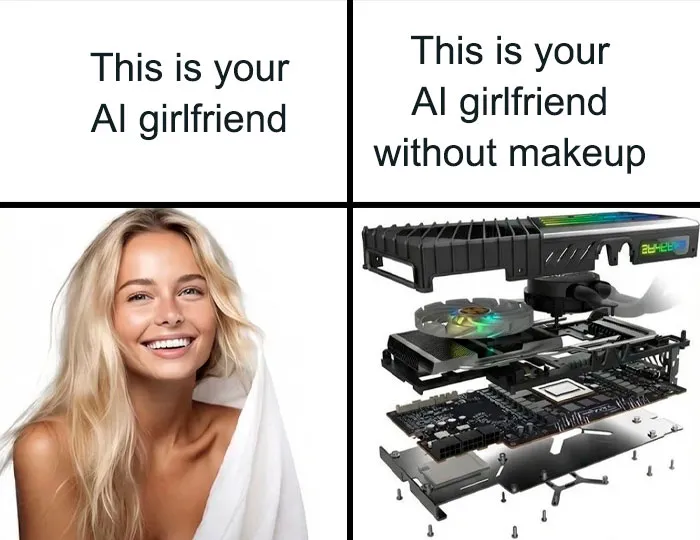



Dr. Peter McGraw and Caleb Warren went a step further by researching why the best memes often focus on mild suffering, awkwardness, and existential dread, and they developed a theory that explains what we find so fascinating about relatable memes.
Apparently, they found that even when something negative happens, like being compared to other people or failing a job interview, it becomes much easier to admit it when humor is involved. Basically, it no longer feels like a social threat. When everyone laughs at the situation, it becomes more socially acceptable.

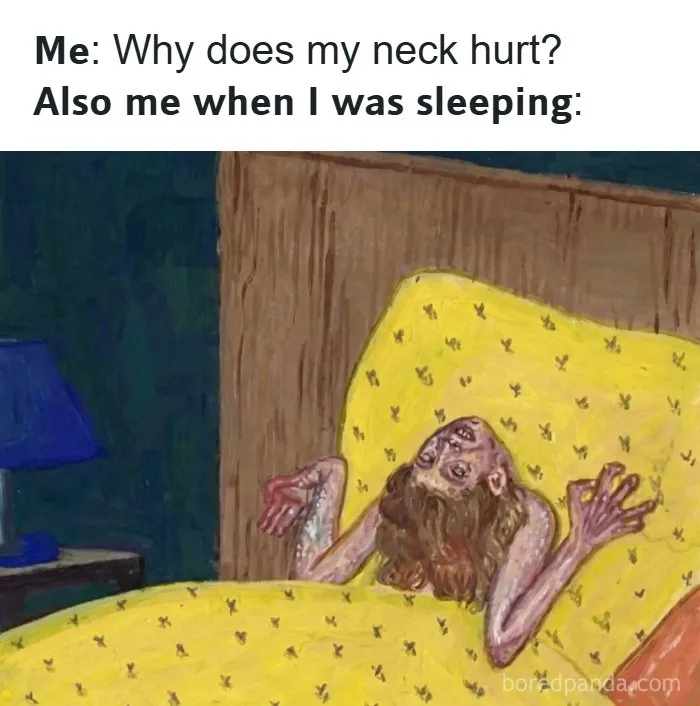
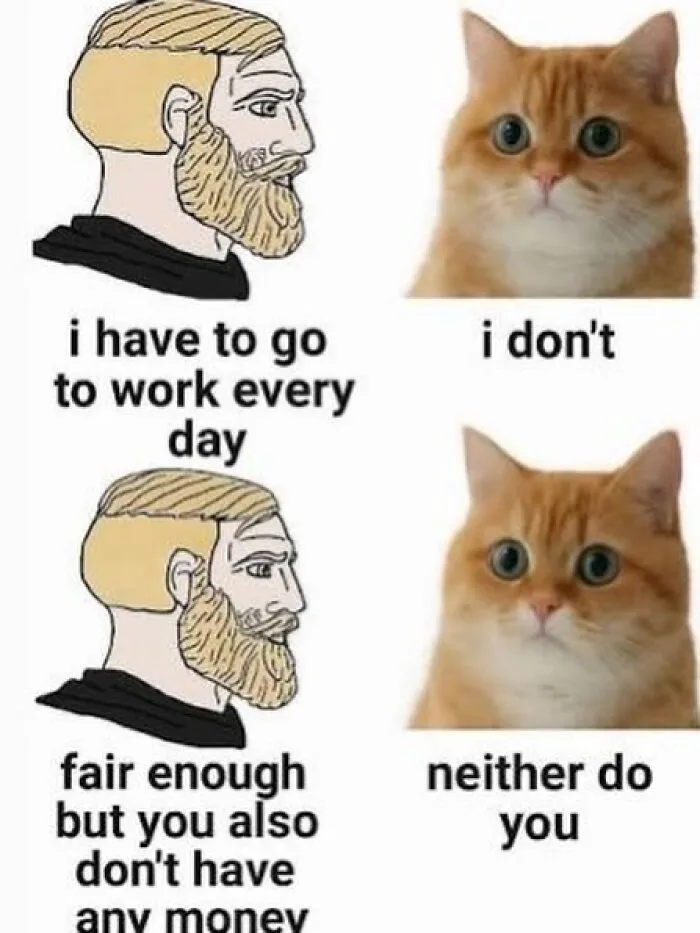

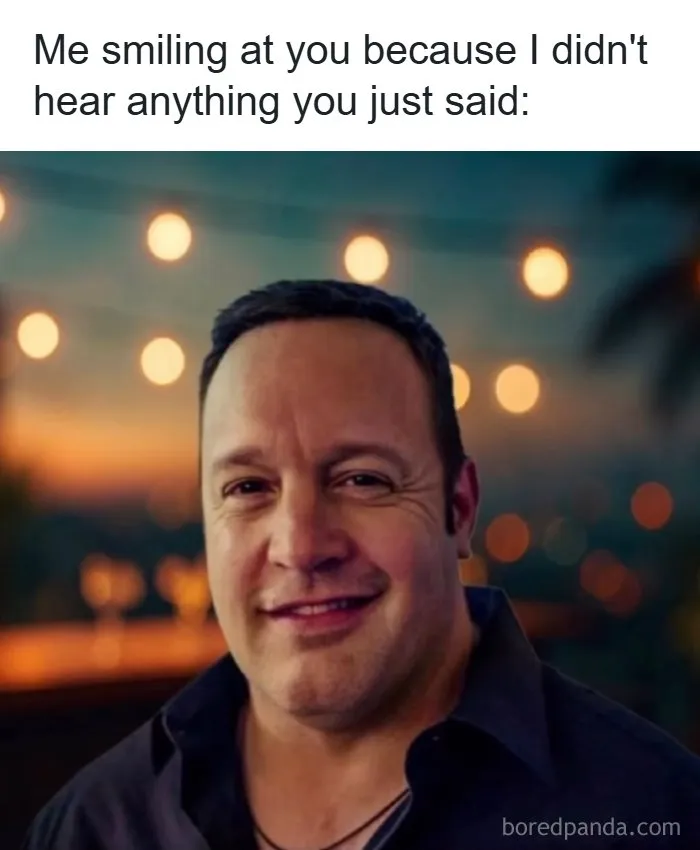
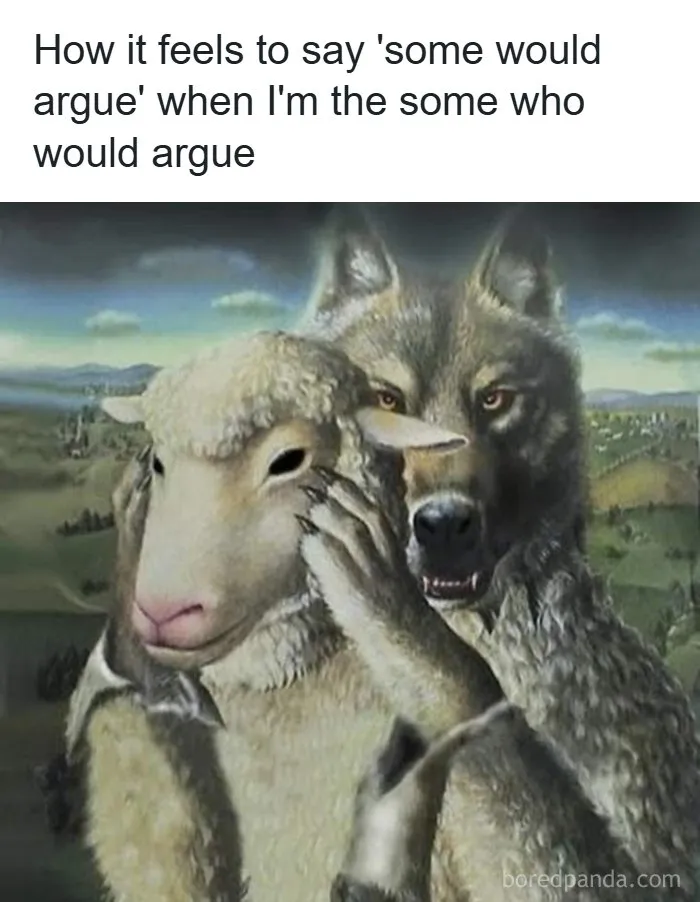
These memes actually go back long before modern technology. In fact, the first recorded “expectation vs. reality” meme appeared in 1921. This format, which we see everywhere now, first appeared in Wisconsin Judge magazine and contrasted two drawings: how you think you look in a flashlight photo versus how you actually look.
So while we often think of memes as a modern phenomenon, the internet has made these realistic, relatable comparisons more accessible than ever, but humans have always sought this kind of connection. Even newspapers were getting in on the fun.