

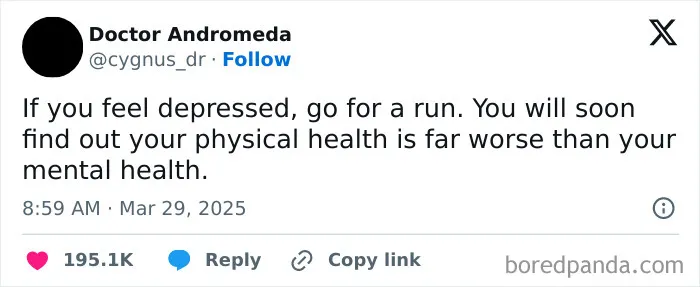
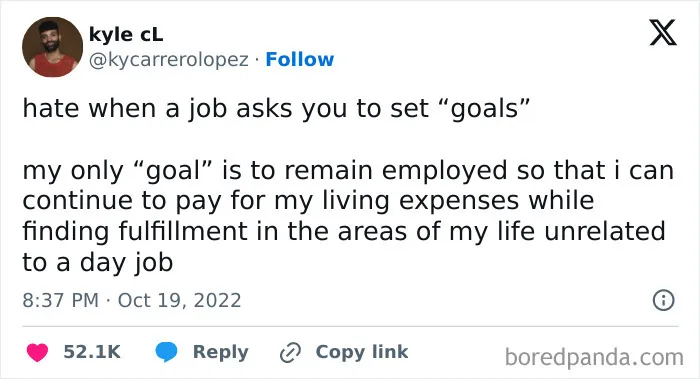
We laugh, tap the share button, check the reactions, and often move on. But it’s also fascinating for the curious mind to know how these relatable memes and posts have become our collective survival manual.
A 2026 survey on meme habits found that 44% of internet users aged 18–34 regularly share memes online. It also revealed that 74% of people send memes for humor, 53% as reactions, and 28% when words fail.
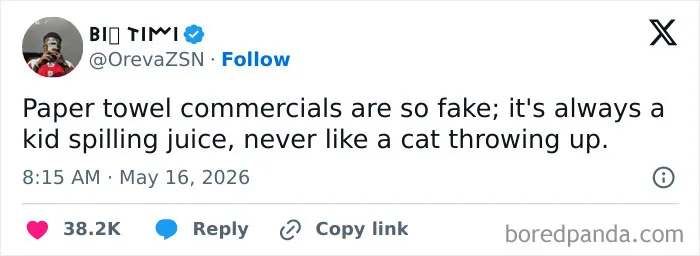
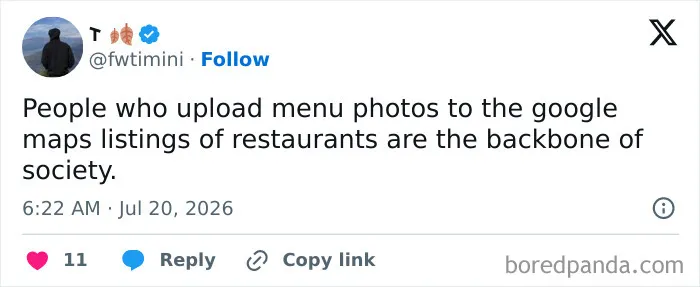
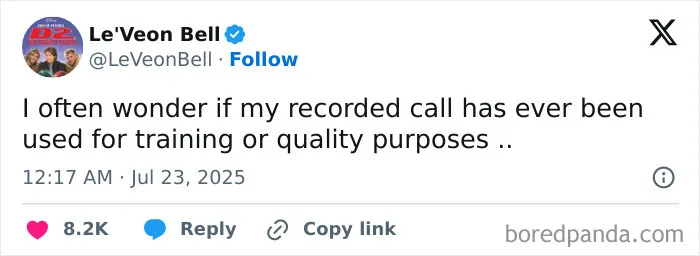
Long before memes existed, psychologists already knew humor helps people survive hard moments.
Laughter floods your system with feel-good hormones, drops your cortisol levels, boosts blood flow, and relaxes your muscles. The long-term perks are even more striking. A 15-year Norwegian study of over 50,000 people revealed that people with a sharp sense of humor actually live longer.
Another study found that recently bereaved people who could still laugh while remembering loved ones experienced significantly less anger and distress.
“There is this autopilot, unconscious way that many people engage humor without thinking about it. It is a strategic coping mechanism, but it’s not a conscious one,” says Steven Sultanoff, a clinical psychologist and an adjunct professor at Pepperdine University.
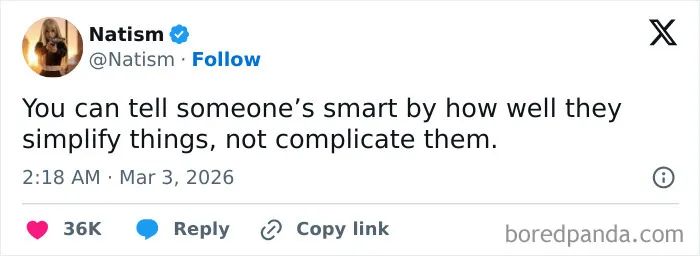
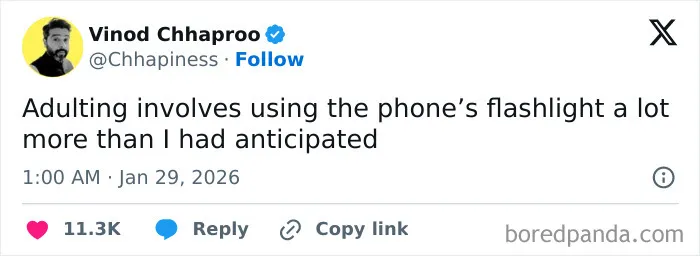
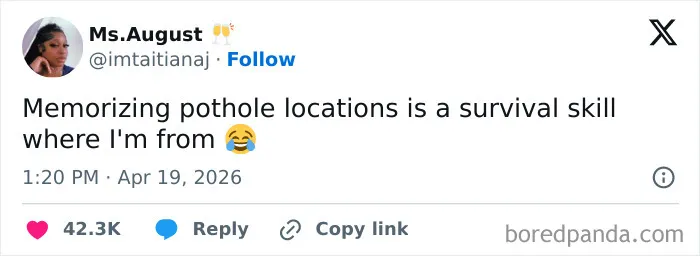
The true magic of a meme lies in how it balances personal validation with a safe psychological distance. When a post perfectly targets your deepest burnout or social blunders, you laugh because it hits close to home. Yet, the meme remains detached enough to not hurt.
Experts call this cognitive reappraisal. It is a mental shift where we rewrite negative experiences into something manageable.


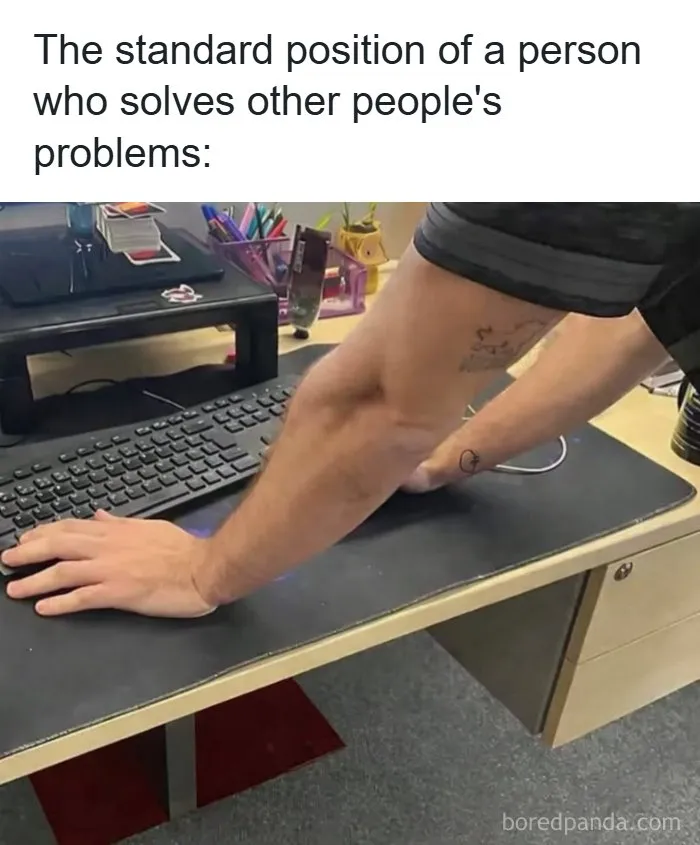
Research from Sheffield Hallam University shows that people facing high stress, burnout, or anxiety actually prefer dark and self-deprecating memes over purely positive ones.
It’s because a forced smile doesn’t help when you’re overwhelmed.
By wrapping our daily struggles in irony and dry humor, memes give us a safe psychological distance from our problems.
They also allow people to laugh at their problems whilst connecting with others in the same situation.
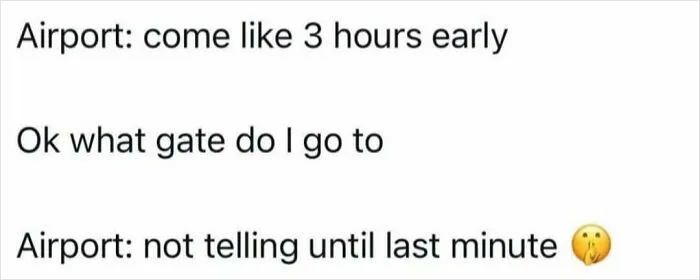
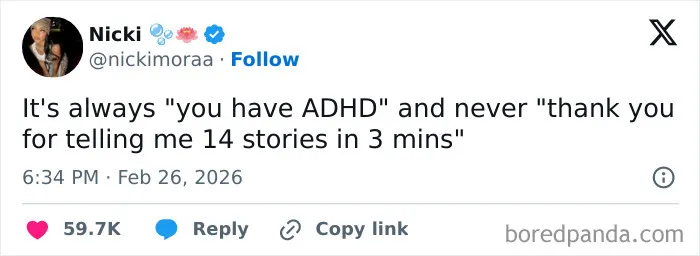
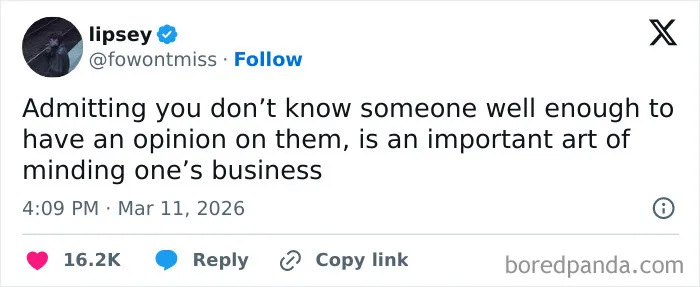
Anonymity is one of the things that make digital coping mechanisms truly unique.
On platforms dedicated to everyday humor, anyone can post a deeply private thought, a text thread they regret, or a moment of intense social awkwardness without revealing their identity.
When freed from the fear of face-to-face judgment, people often lay bare the raw, messy parts of their nature. And when those anonymous confessions touch a nerve, they spread like wildfires. Every like, comment, and share then acts as a data point, proving you are not alone in your chaos.
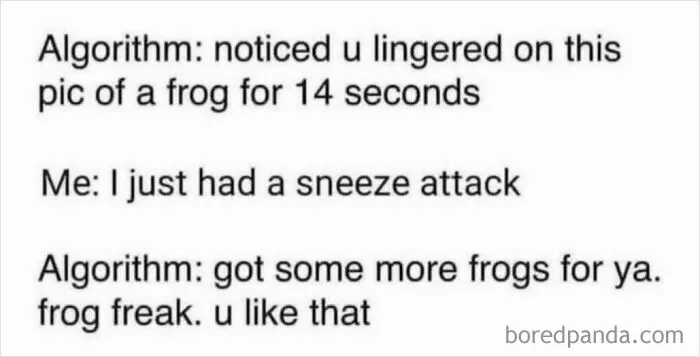
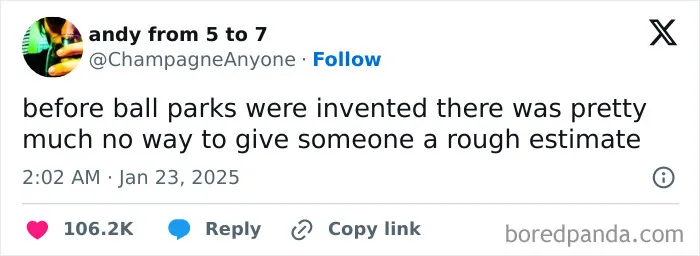
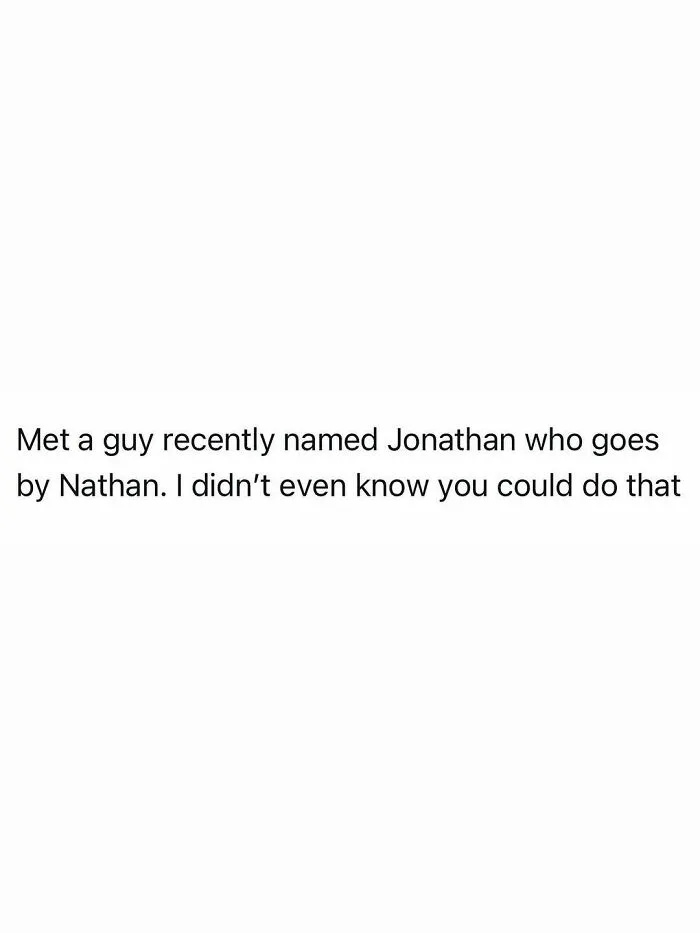
Research shows that memes are like their own kind of language that can cross cultures and bring people together.
These shareable images and jokes can help people express themselves, connect with others, influence opinions, and even make a point about politics or society.
Internet memes are a “sort of a ready-made language with many kinds of stereotypes, symbols, situations. A palette that people can use, much like emojis, in a way, to convey a certain content,” says Paolo Gerbaudo, director of the Centre for Digital Culture at Kings College London.