

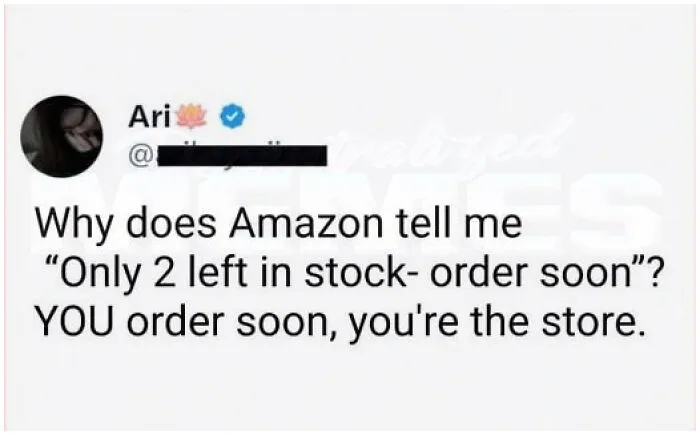
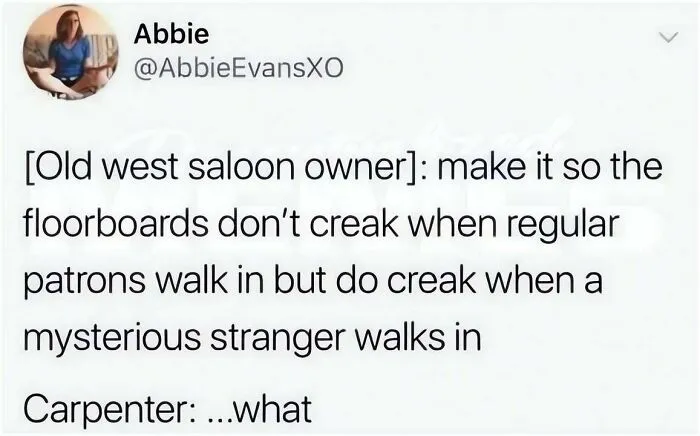
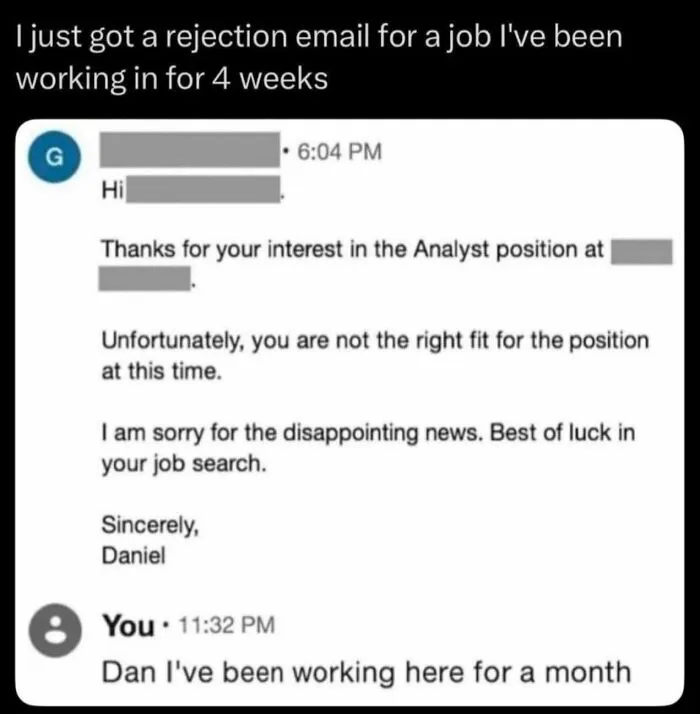
Memes have really changed over the last few years. Scroll back five years and memes looked completely different. Static image macros with white Impact font captions were still common, and a meme could live for weeks before it got tired. Now the whole ecosystem runs on video. TikTok, Instagram Reels, and YouTube Shorts turned memes into performances rather than pictures, and a format can be born, remixed a thousand times, and completely forgotten within a single week.
The shift really picked up speed in January 2021, when Bernie Sanders sat at Joe Biden's inauguration in mittens and a plain coat, and the internet spent the following month photoshopping him into every scene imaginable, from famous paintings to random historical photos.
That same year, a wave of so called meme stocks like GameStop pulled Reddit forums and finance news into the same conversation, proving that internet humor could move actual markets and not just group chats. By 2022, the tone got softer and weirder at the same time.
A toddler named Tariq telling an interviewer that corn "has the juice" turned into one of the most replayed clips of the year, spawning an actual song remix and a genre of adorable, low stakes viral moments. Wordle had its own brief reign as everyone's daily green and yellow grid ritual before people quietly stopped posting their scores.
2023 brought a stranger energy. NPC style livestreams, where creators repeated scripted phrases and twitched on command for viewer donations, turned ordinary people into walking video game characters. Around the same time, a YouTube series called Skibidi Toilet, featuring humanoid toilet monsters at war with camera headed soldiers, exploded among younger audiences and gave the internet a brand new vocabulary almost nobody over thirty could parse.
That vocabulary hit its peak in 2024, when Oxford University Press named brain rot its word of the year, describing the mental fog that comes from bingeing low quality, high volume online content. Words like skibidi, gyat, and Ohio spread out of that same ecosystem, most of them traced back to a novelty song called the Rizzler that mashed a dozen slang terms into one chaotic verse. Skibidi and Ohio don't really mean anything fixed, and that is sort of the point.
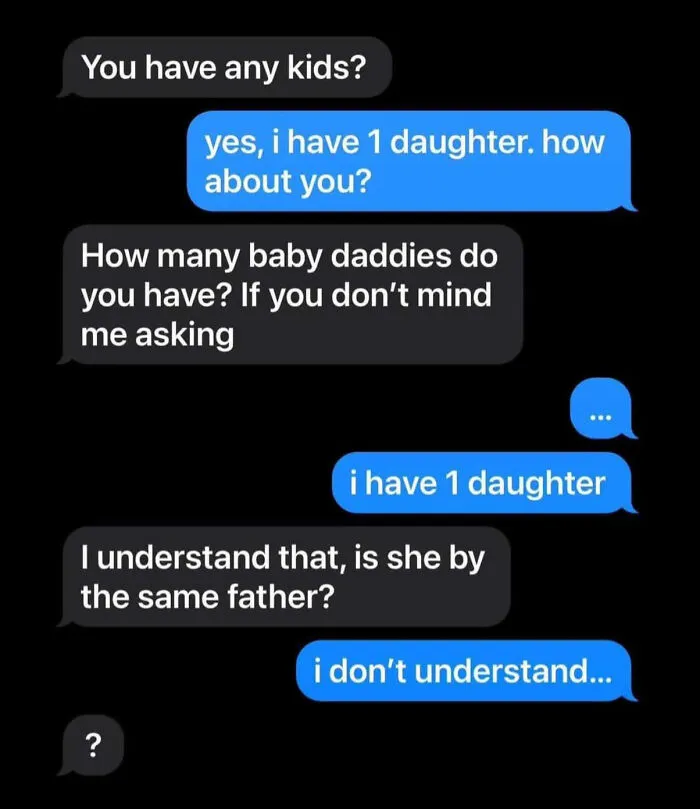
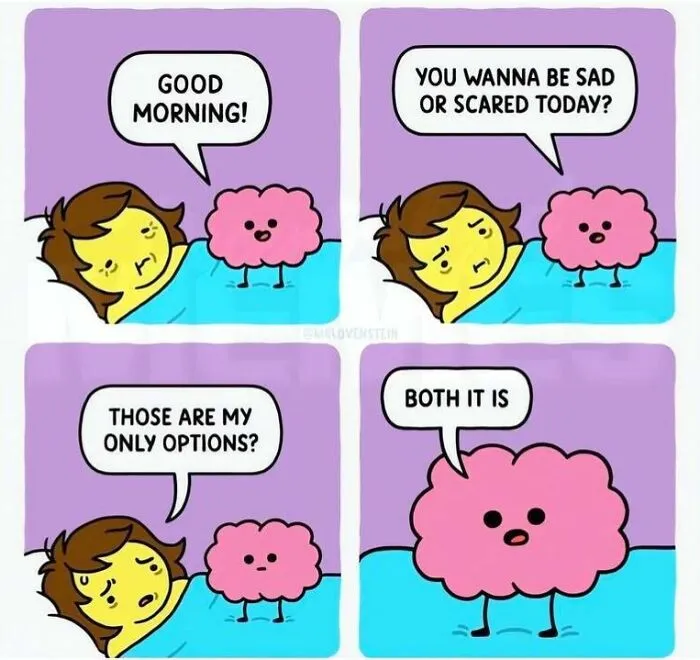
The nonsense is the joke, and using it correctly has become its own inside joke about being extremely online. Brands noticed the shift, and a few leaned all the way into it instead of resisting. The most recent shift, happening right now in 2026, is that memes increasingly do not look like memes anymore.