


AI generated video has gotten realistic enough that entire viral clips blur the line between staged content and reality, and creators remix real news footage into absurd commentary within hours of it happening.
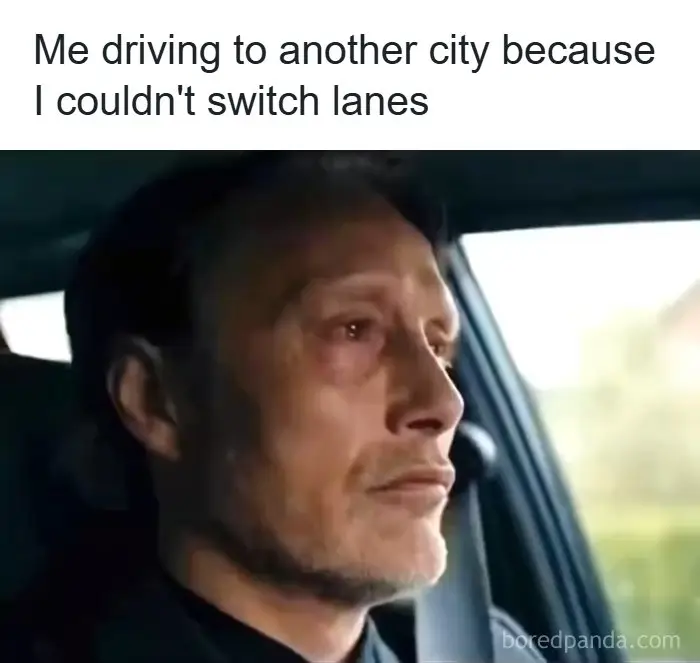
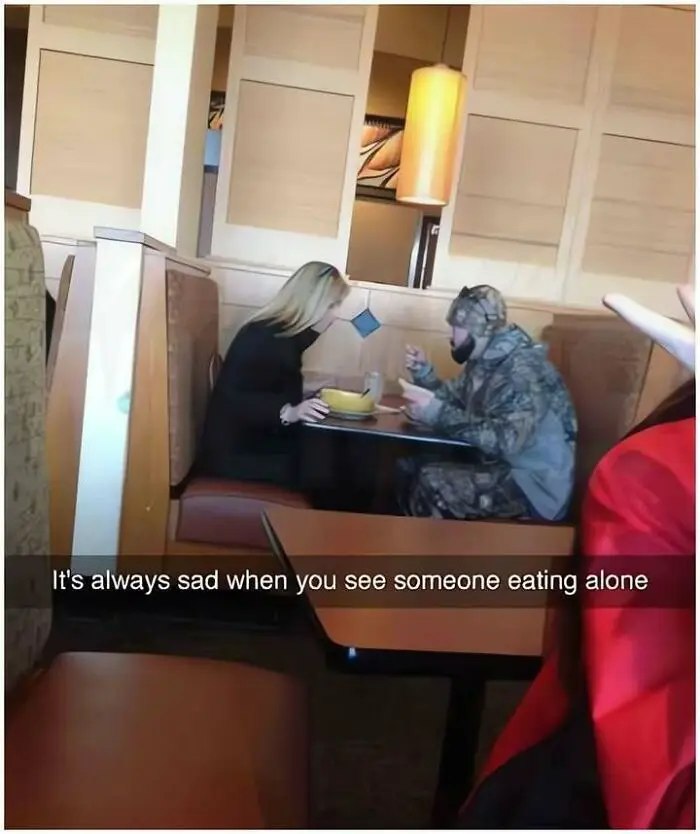

A generic looking AI rendered executive grimacing through a corporate announcement became shorthand for hollow branding, a slow motion clip of a kid warning "I'm going to punch you now" before doing exactly that became a universal reaction image, and a wave of unbothered capybara videos set to dramatic orchestral music captured something people apparently needed to feel about their own lives. Some estimates now put the meme industry's value in the billions, which says a lot about how central this stuff has become to actual marketing budgets.
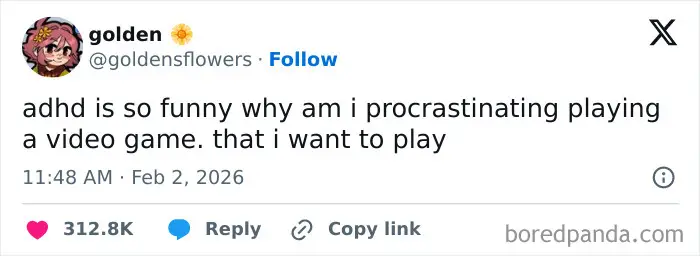
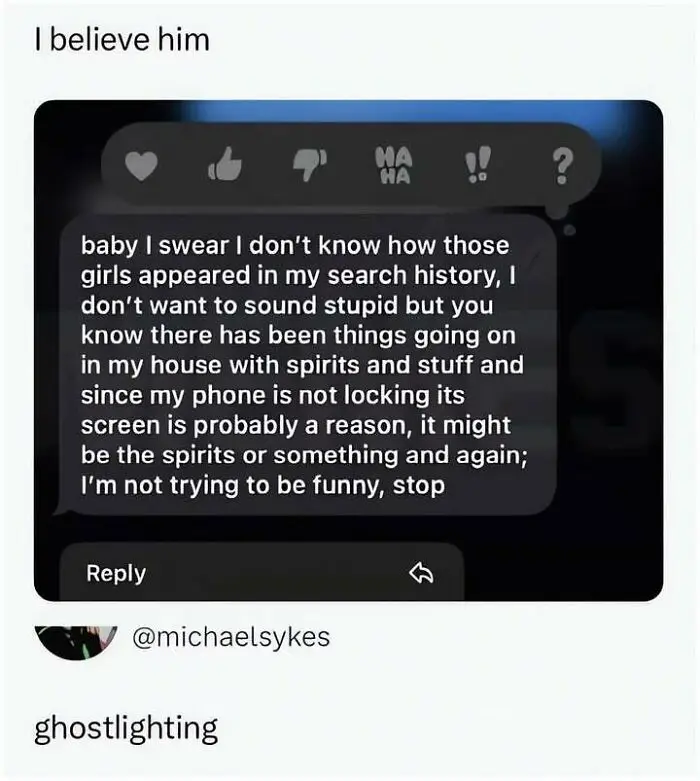
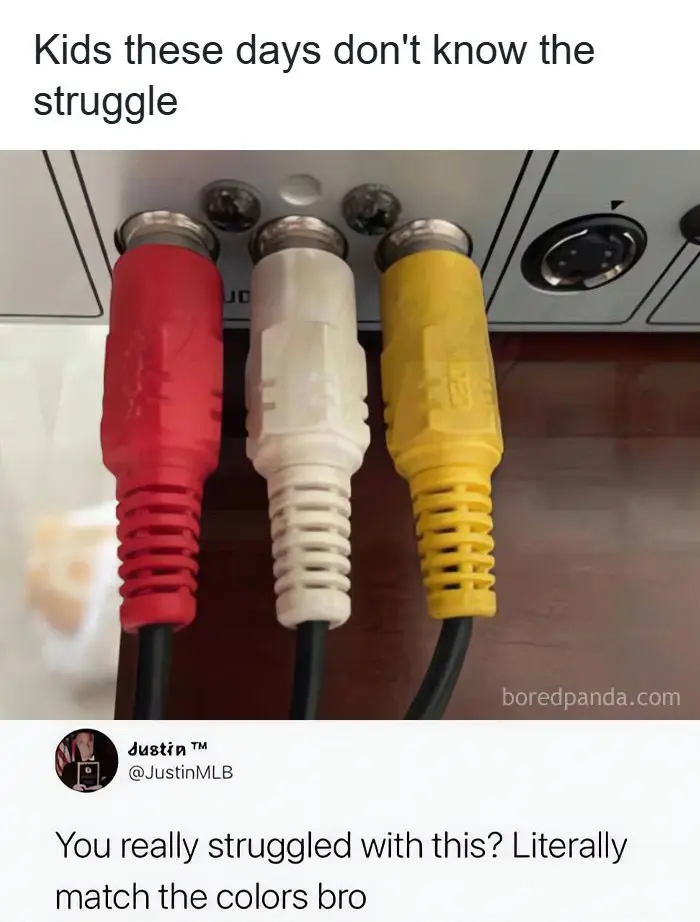
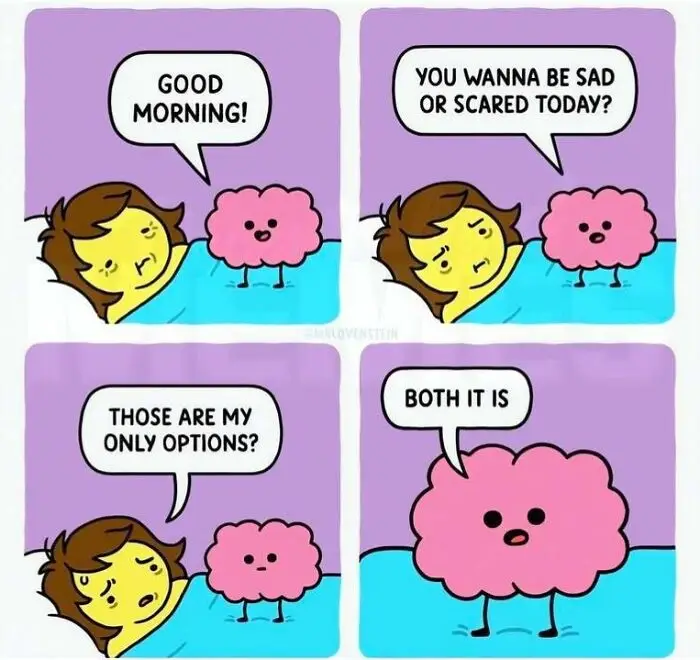
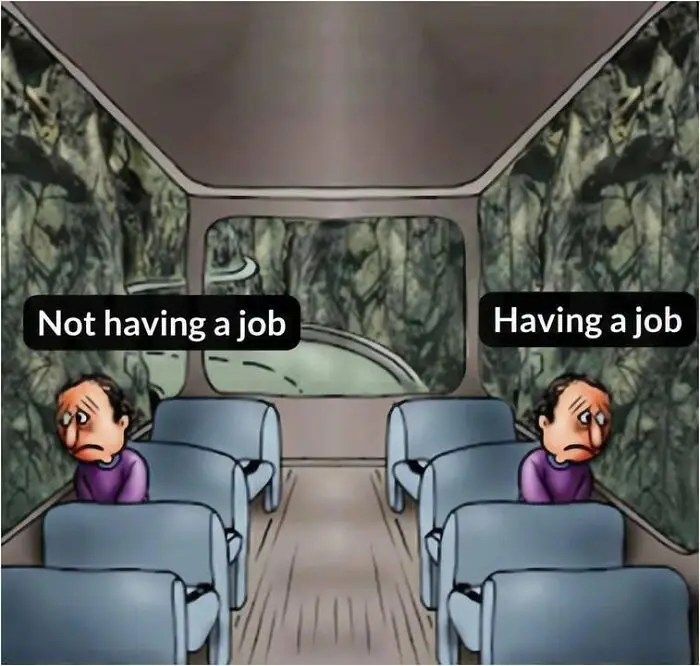
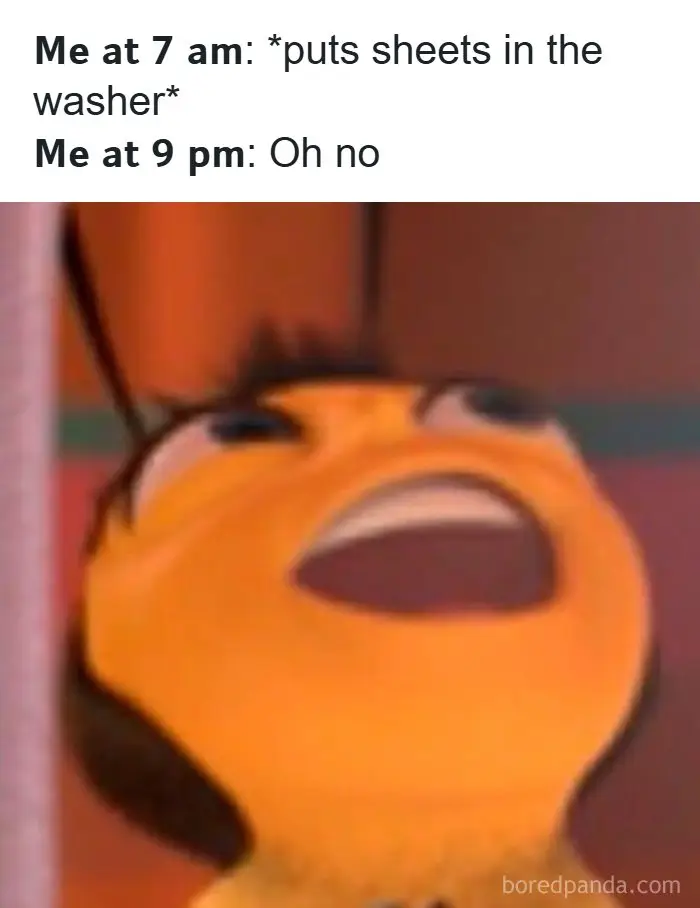
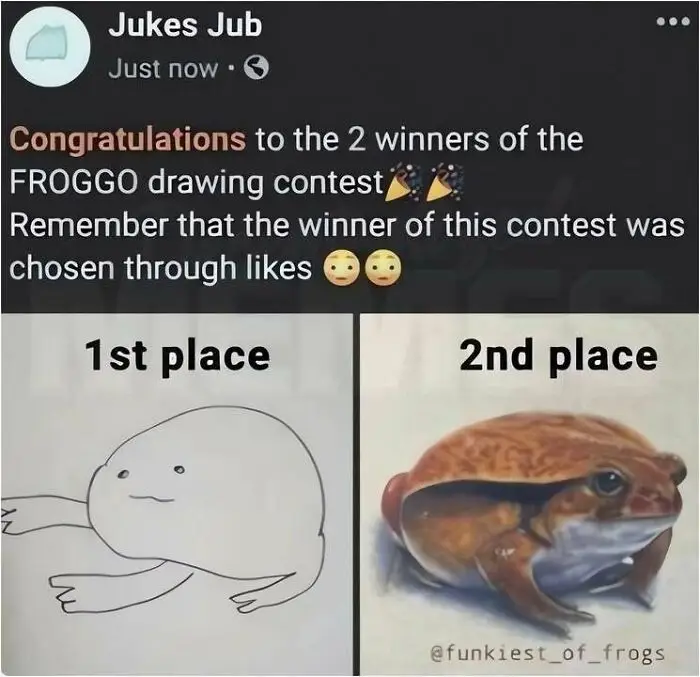
What has not changed is the basic function memes serve. They are still a shorthand for feelings too specific or too silly to explain properly, and a way to prove you are paying attention to the same chaotic timeline as everyone else. The format keeps mutating and the jokes keep getting weirder and faster to produce, but the impulse behind them, wanting to laugh at something recognizable with a few million strangers at the same time, hasn't moved an inch.