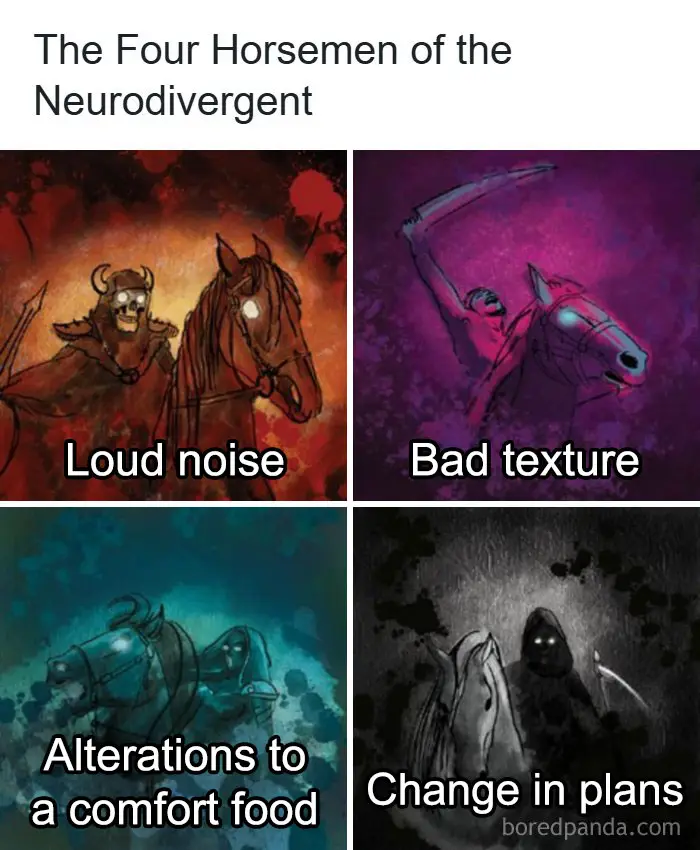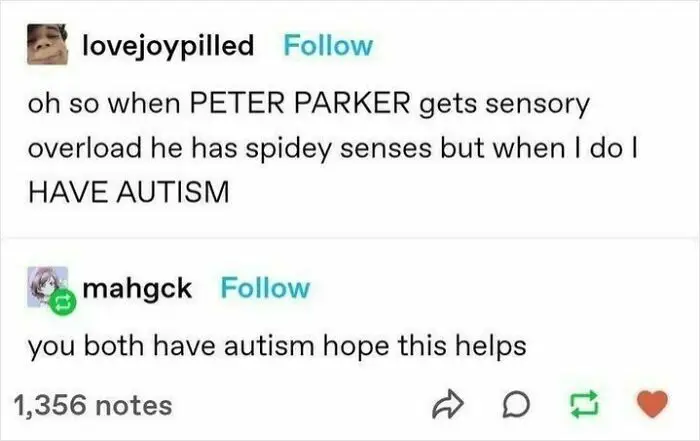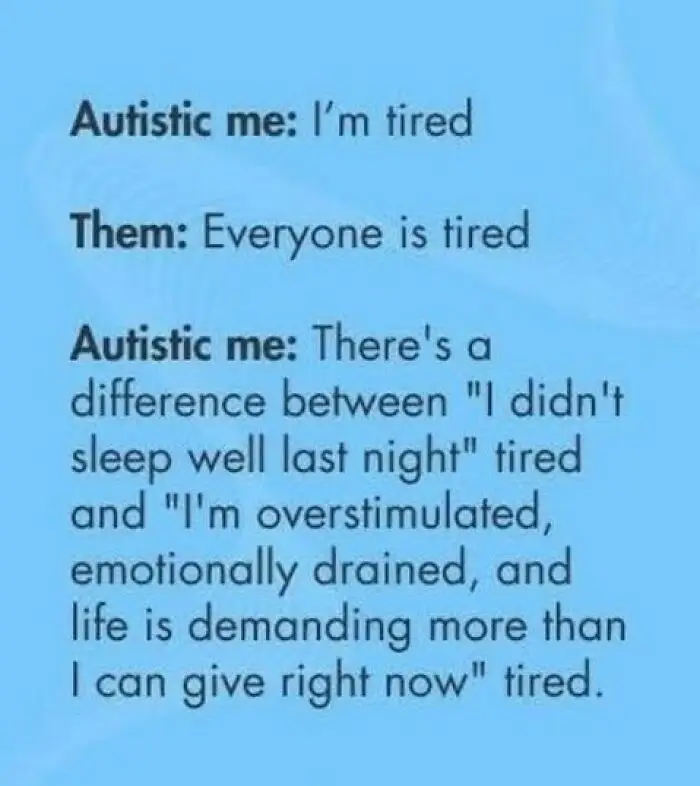




Sensory sensitivity. Autistic people might experience the world’s sensory input very differently than non-autistic people. This applies to sight, sound, touch, taste, smell, balance, movement, body awareness, and internal sensations like hunger or temperature.
Someone might be extremely sensitive to certain inputs while barely noticing others. How they react can also change based on where they are and what’s happening around them.
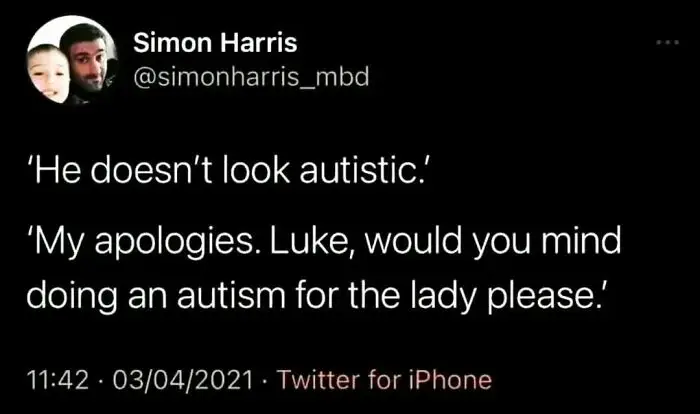
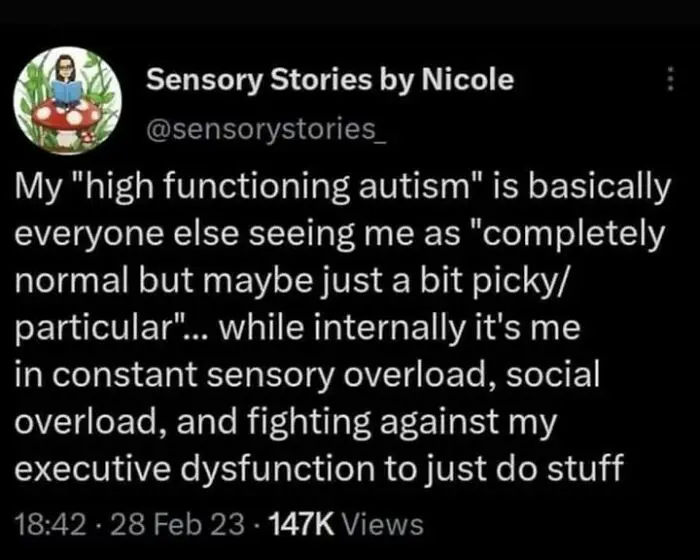
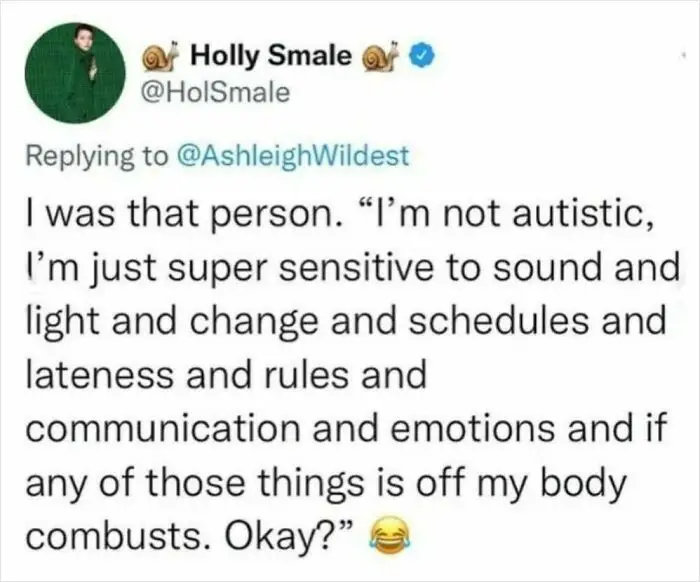
One harmful myth suggests that neurodivergent people simply can’t achieve as much as others. That’s false.
With the right support and accessible environments, neurodivergent people thrive in school, careers, and life just like anyone else. They often contribute remarkable creativity, fresh perspectives, and innovative problem-solving to their communities and workplaces.
Another myth claims neurodivergent people need fixing. They don’t. What actually helps is creating welcoming spaces, respecting different thinking styles, and providing equal opportunities.
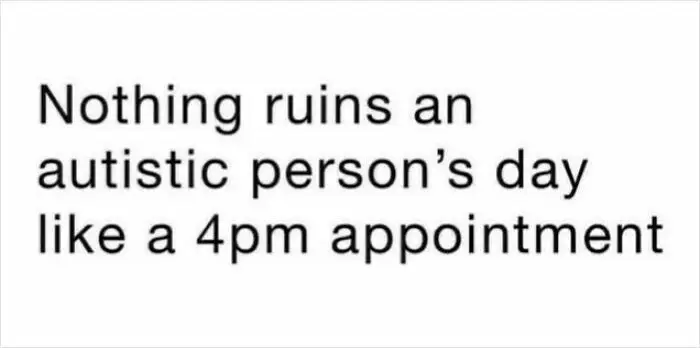
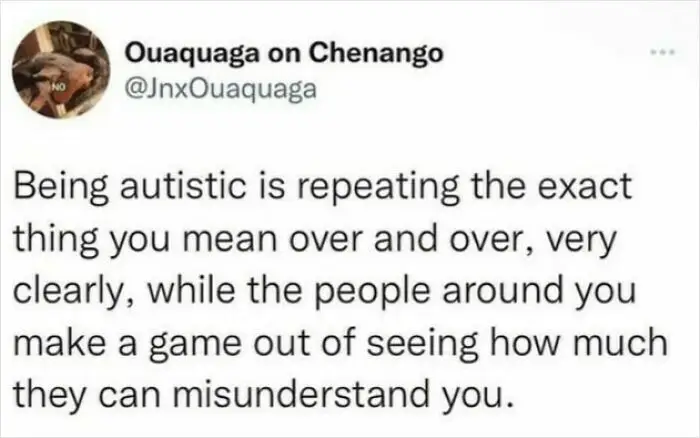
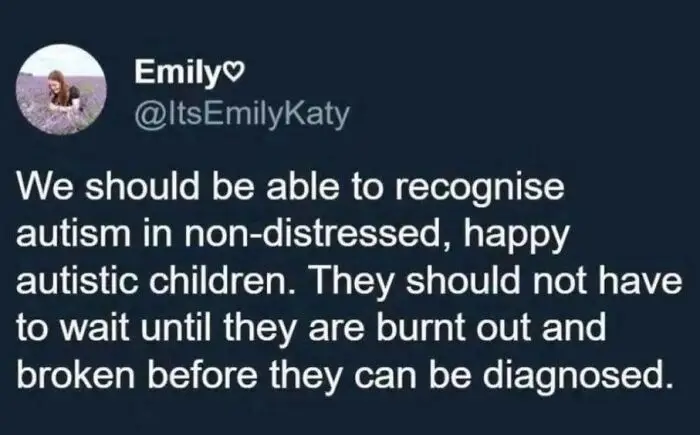
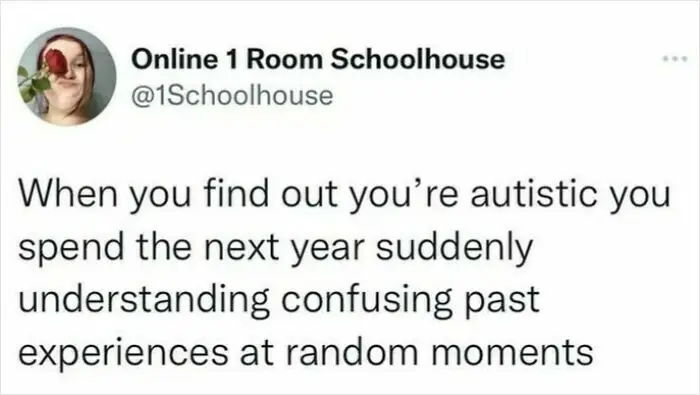
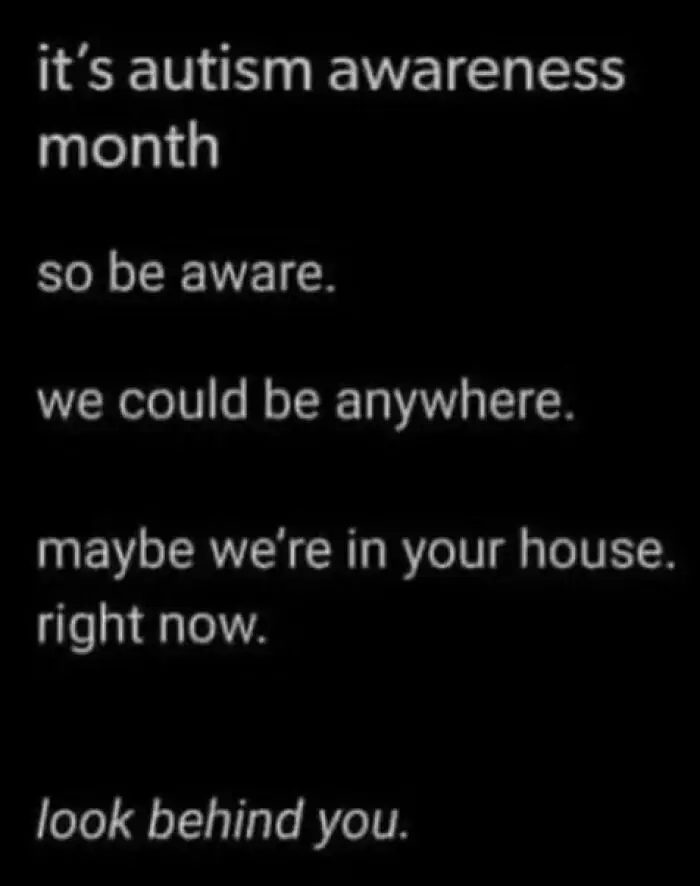
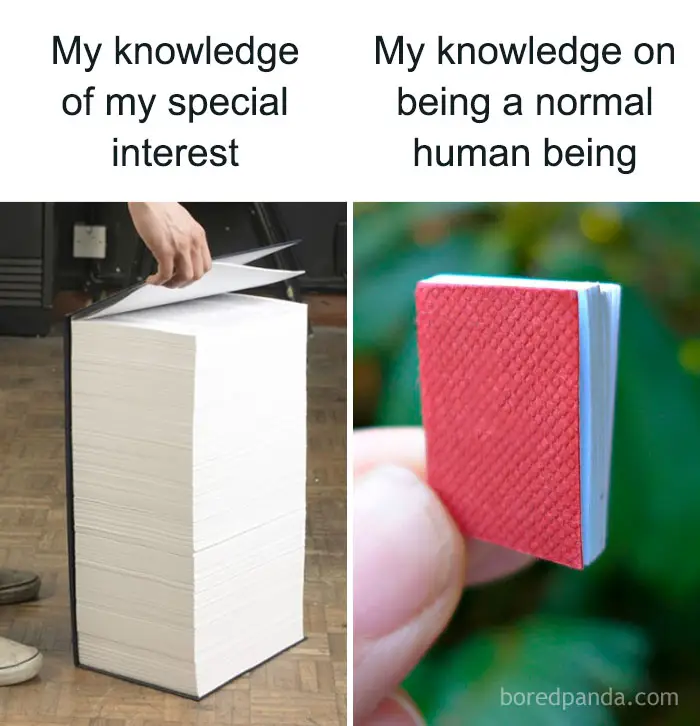
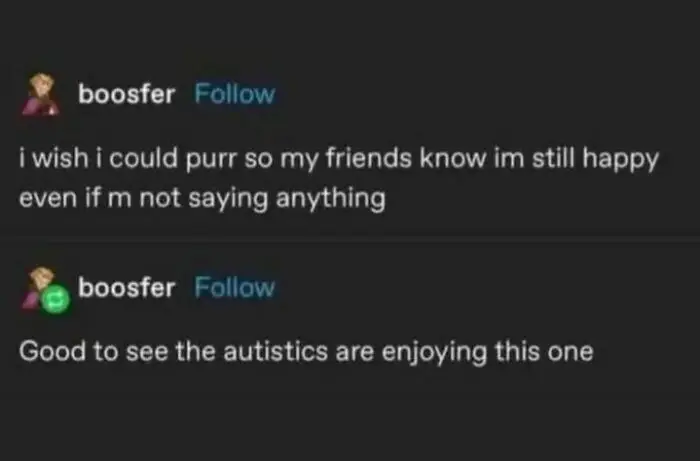
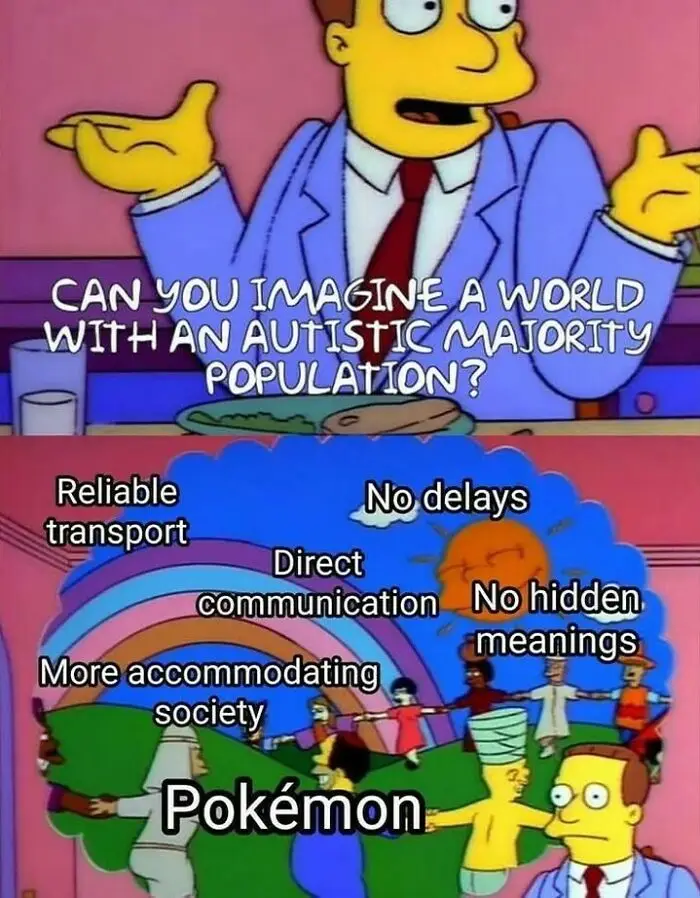
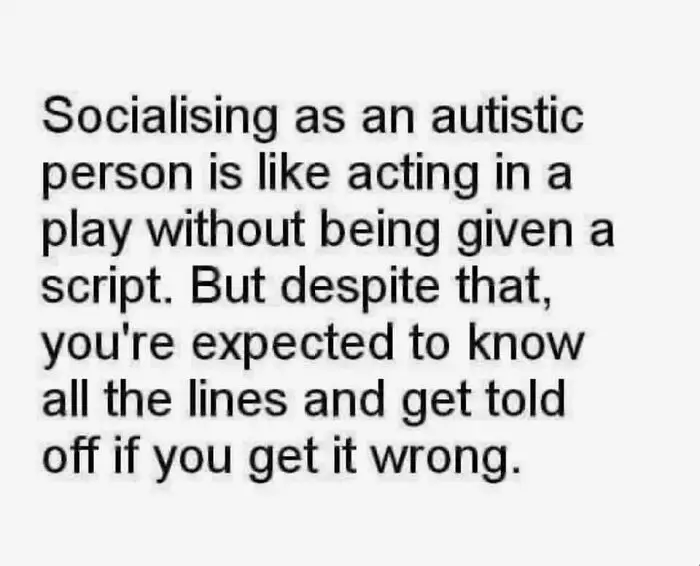
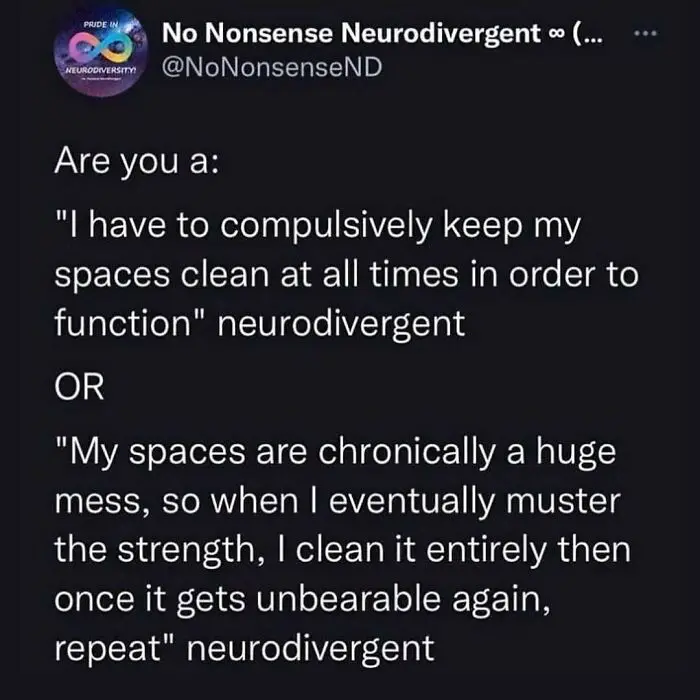
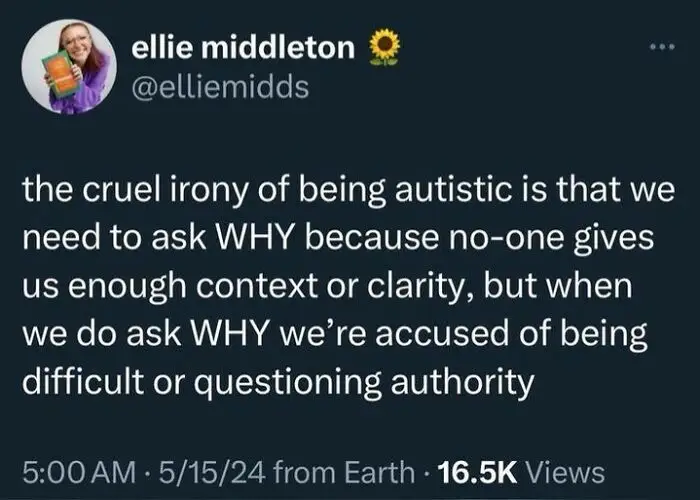
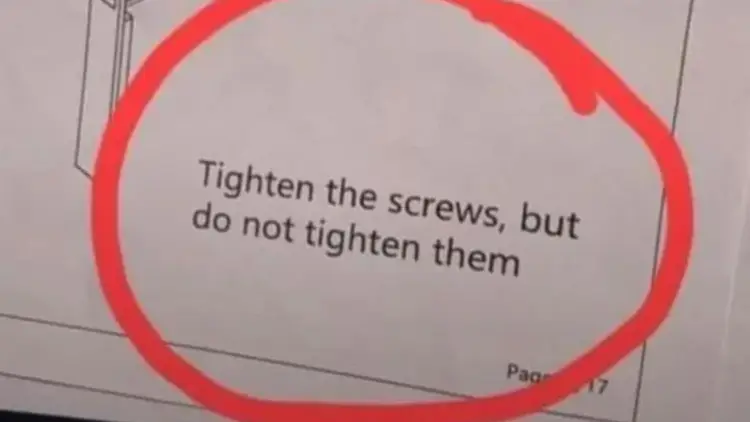
From these memes, at least, it is clear that when people feel seen, even through humor, it can instantly make them feel better about themselves.
That is why this kind of content matters and should continue. Neurodivergent people make up a meaningful part of the population, so the more informed and understanding we are, the better.