



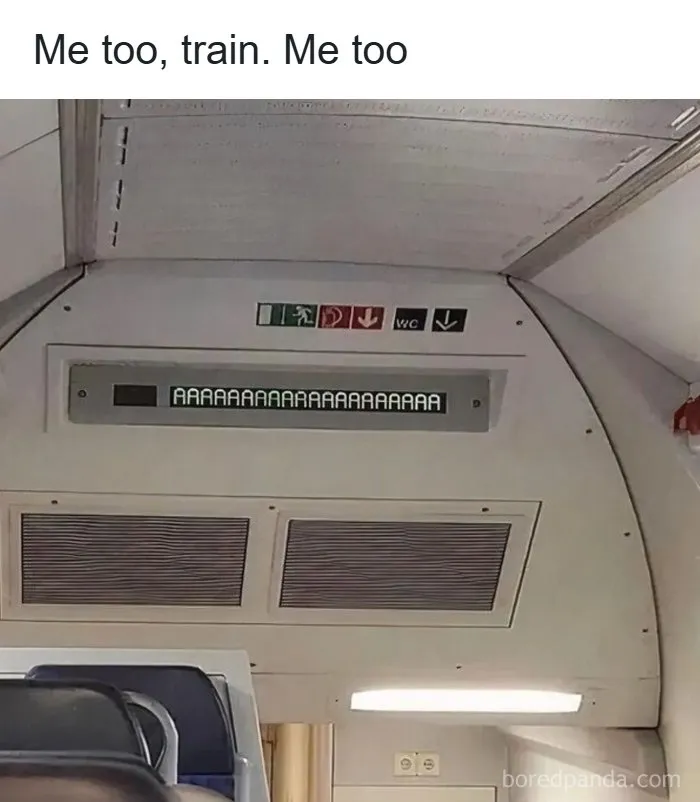
It is like a living organism that adapts to the current environment. When a major event happens in the world, memes are often the first way that people process the news. They allow us to find humor in stressful situations, which is a powerful coping mechanism. By turning a big problem into a joke, we make it feel a little bit more manageable.



Psychologically speaking, there is a real reason why we keep scrolling for more. Every time we find a meme that makes us chuckle, our brains release a little hit of dopamine. It is a small reward that keeps us coming back for another laugh. This cycle makes memes highly addictive in the best possible way.



They provide a quick break from the stresses of daily life and give us a moment of pure entertainment. Beyond the chemical reaction, memes also help us summarize our identities. By sharing a specific type of humor, we are telling our friends and followers a little bit more about who we are and what we value. It is a way of building an online personality that feels true to ourselves.



The visual nature of memes also helps them bypass language barriers. You do not always need to read the words to understand the vibe of a popular video clip or a famous reaction image. A facial expression is a universal signal that everyone can interpret regardless of what language they speak. This makes memes one of the first truly global forms of folklore. They are the myths and legends of the internet era, passed from person to person across the digital landscape. As long as humans have a desire to connect and a need to laugh, memes will likely continue to be a central part of how we talk to each other. They have changed the way we share ideas and ensured that humor is always just a few clicks away.