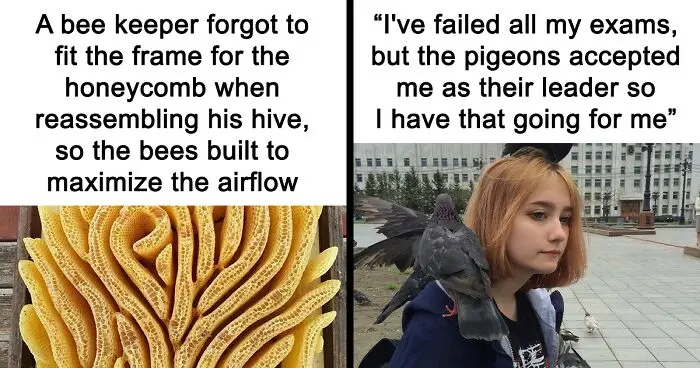

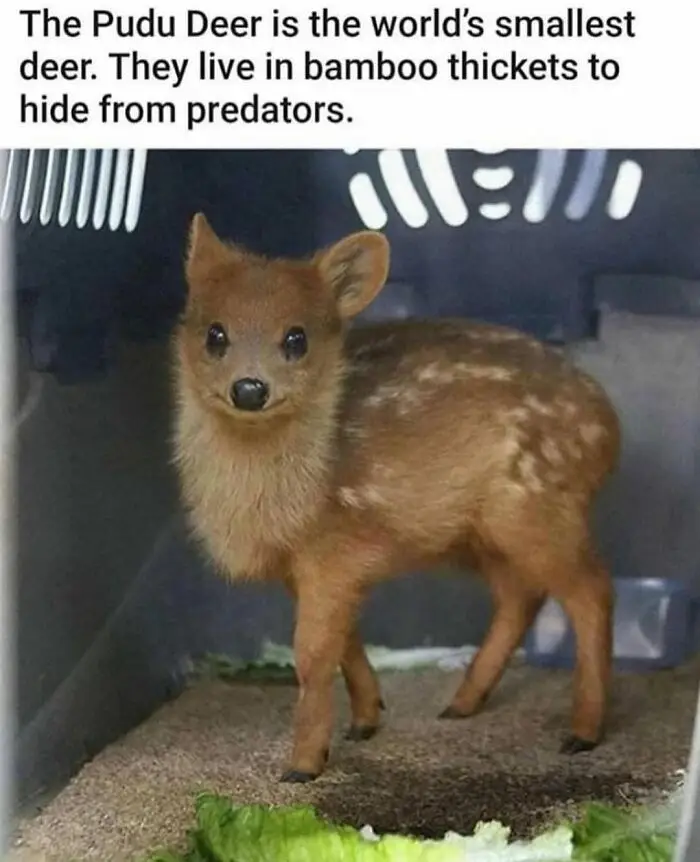
But how do brands determine which memes work for their audience and which don't? Gamble says "social listening" helps, where brands gauge what kind of content their audiences are sharing and talking about. "Partnering with meme creators can also be a smart move for brands," he adds.
"These creators know the landscape well, are constantly tracking trends, and can help brands navigate the fast-paced meme world. By collaborating with meme creators, brands can tap into their expertise and create more authentic, engaging content."
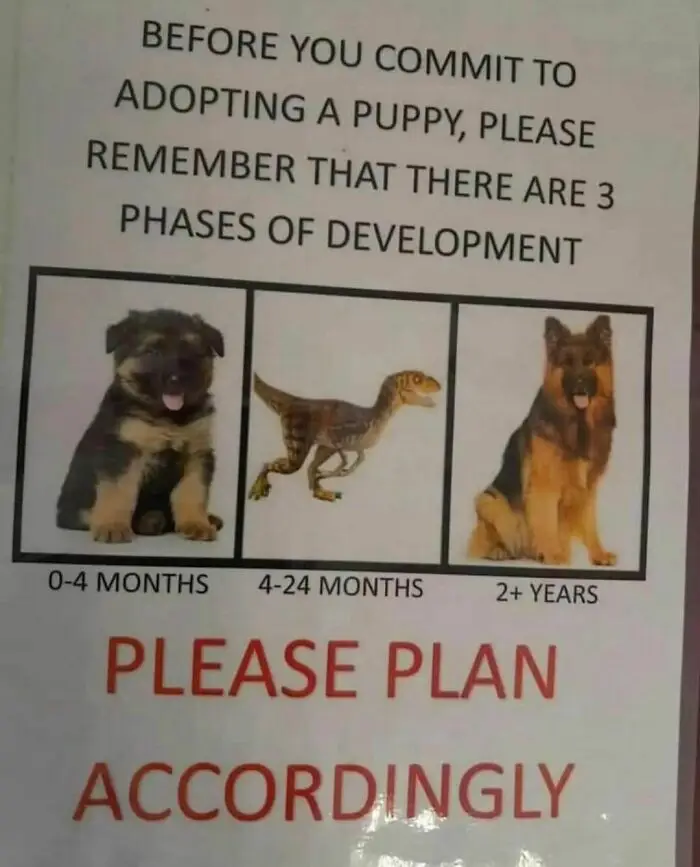
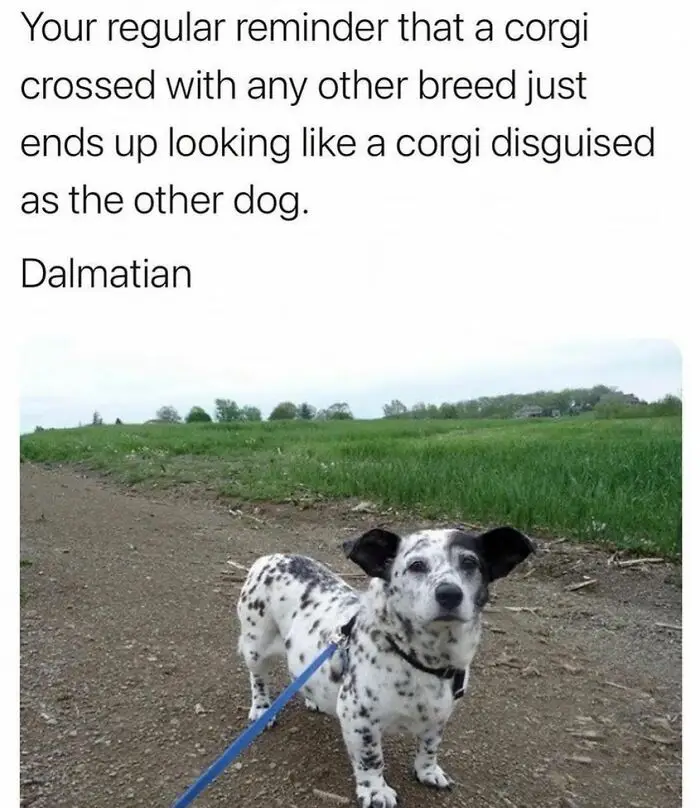

Gamble says brands should be proactive when looking to incorporate memes into their strategy. "Developing a checklist or criteria for the types of memes they're willing to share, especially if they have a lengthy approval process, can be beneficial," he claims.
"This way, the team managing social media can move quickly when a relevant meme arises and avoid missing opportunities while still adhering to legal or internal processes for brand safety."
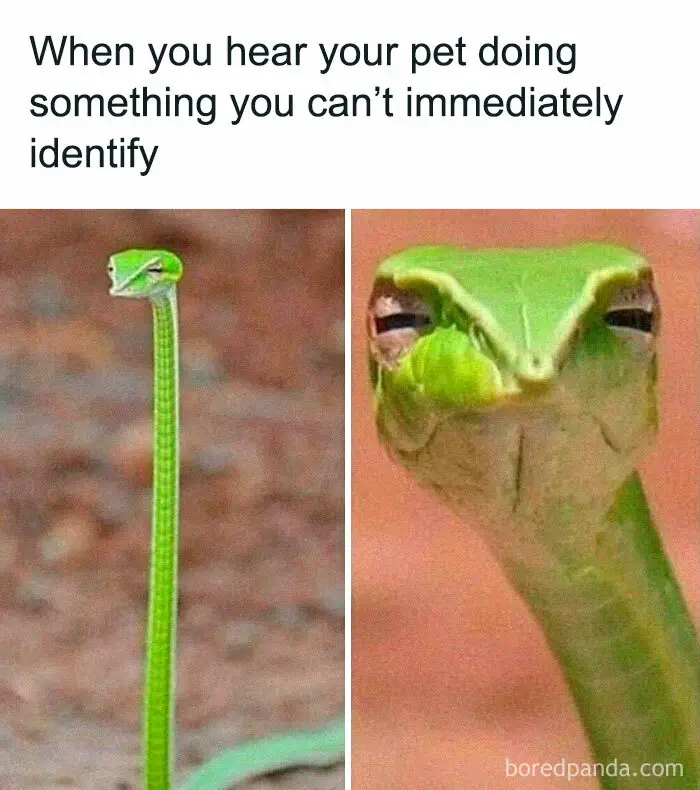
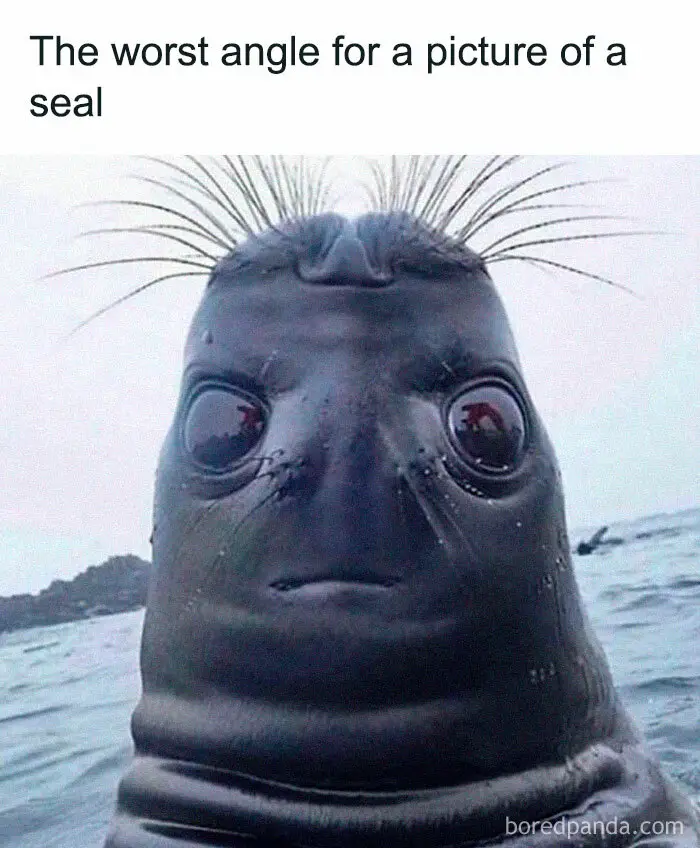
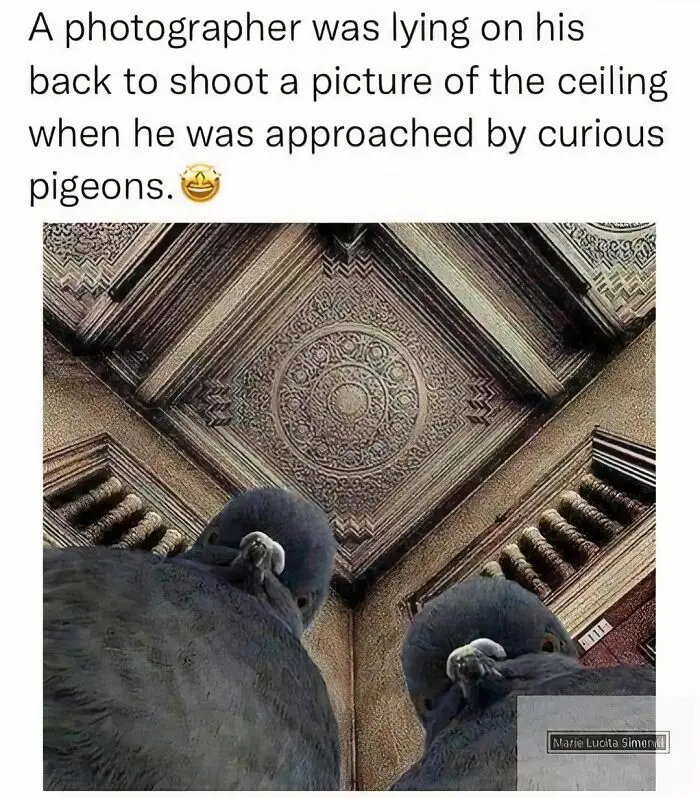
Memes can do wonders for a brand's engagement. Just look at what the "Kamala HQ" TikTok account did for the U.S. presidential candidate. However, delicately balancing the incorporation of memes can become an art. "Brands should avoid relying too heavily on them, as overuse can diminish their effectiveness," Gamble cautions.
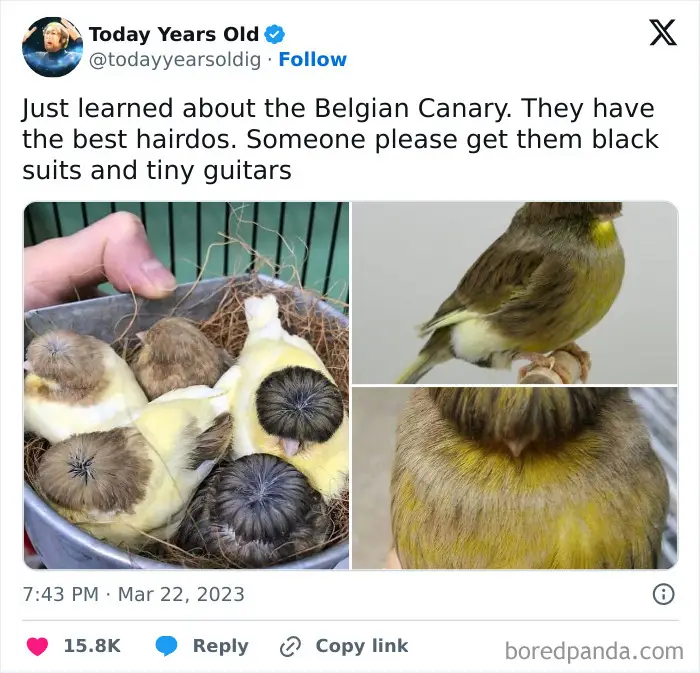
"If a brand only posts memes, the audience might lose sight of what the brand actually stands for or the products they offer," the expert in creator economy, Lindsey Gamble, says. "Instead, memes should be used sparingly and intentionally. Over-reliance can also lead to potential legal risks, especially if the brand is using copyrighted material without permission."