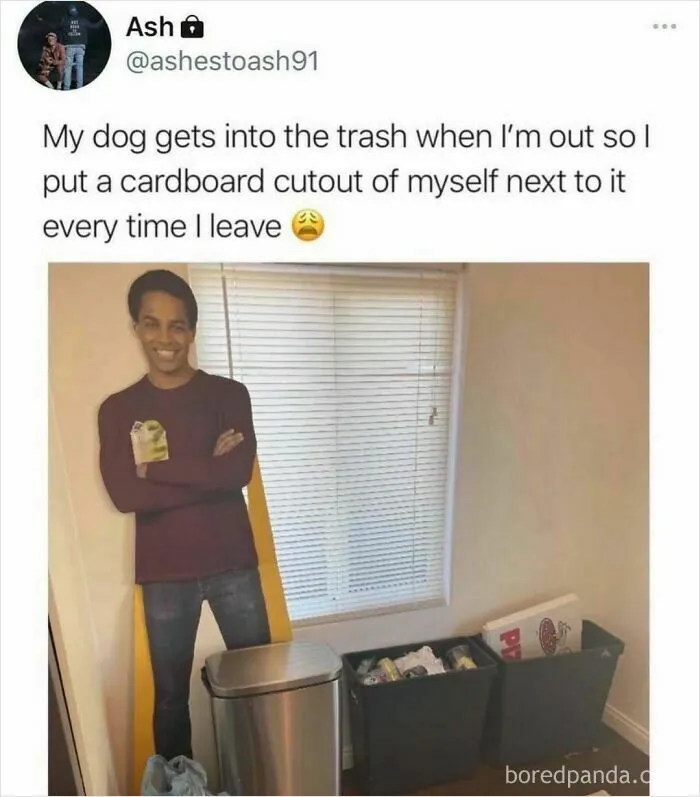




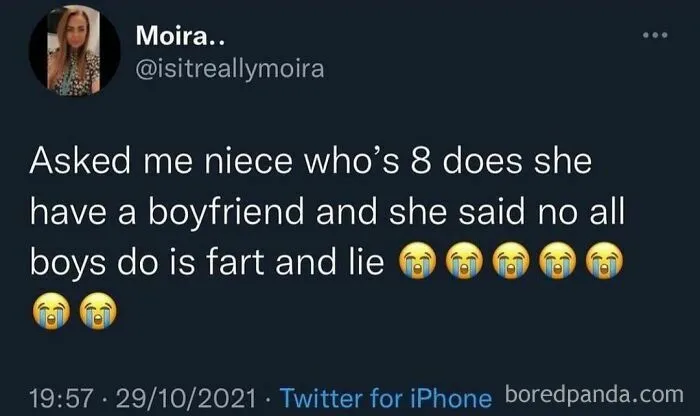
The rise of video memes represents perhaps the biggest shift in the landscape. Static image macros have been largely overtaken by TikToks, short video clips, and GIFs that require sound to understand. This evolution means you can no longer discreetly enjoy memes during boring meetings, because watching a video with sound tends to give away that you're not actually paying attention to the quarterly earnings report.


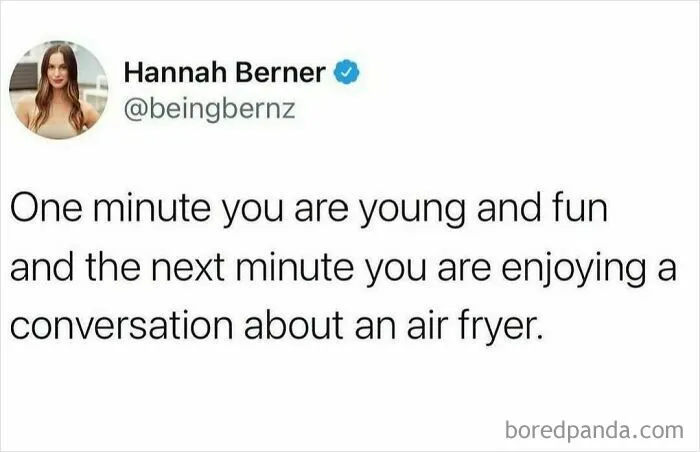
Meme communities have also fragmented into increasingly specialized niches. There are now memes specifically for graduate students, surgeons, people who play obscure indie games, and probably accountants who own ferrets. The Journal of Visual Culture notes that these micro-communities create memes so specific that they're essentially inside jokes for thousands of strangers who've never met, which is either beautiful or deeply weird depending on your perspective.
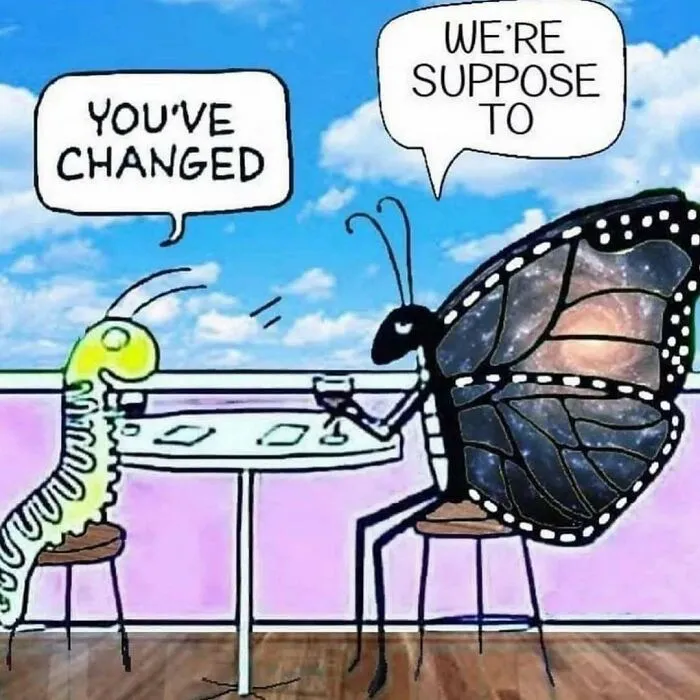

Perhaps most significantly, memes have evolved from simple entertainment into genuine tools for political commentary, social movements, and cultural critique. They've become a language unto themselves, a way of communicating complex ideas through shared cultural references and visual shorthand. When protestors around the world use meme formats to spread their messages, or when major news outlets try desperately to explain political situations through meme formats, we've clearly entered a new era.



The future of memes likely involves even more AI-generated content, augmented reality integration, and formats we can't even imagine yet, which honestly sounds exhausting. But if the past decade has taught us anything, it's that internet culture will continue evolving at breakneck speed while we all try to keep up and pretend we understand what the kids are doing.