



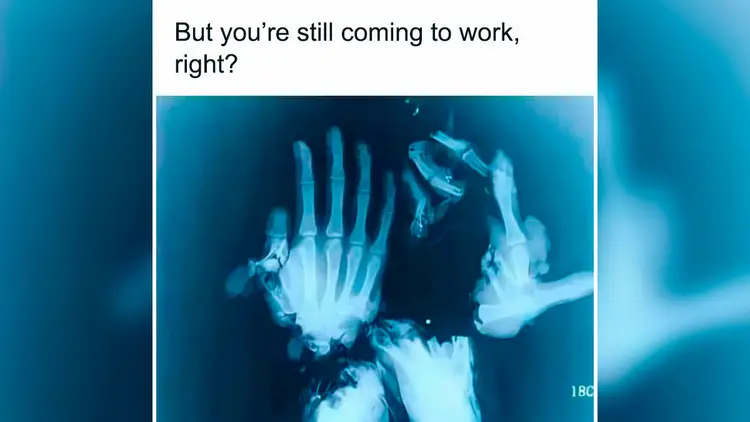


Entering the 2020s, TikTok upended the landscape yet again. Memes evolved into trends built on specific sounds, dances, or video templates. The six‑second Vine format gave way to thirty‑second clips, stitched together with duets and reaction features. Suddenly, meme creation was no longer limited to image editors and GIF makers; everyone with a smartphone became a potential viral architect.


Today, meme culture is a sprawling ecosystem of formats, platforms, and generations. Instagram carousels share “starter packs” that distill personality types into six images, Twitter threads pair screenshots with snarky commentary, Discord servers cultivate hyper‑niche inside jokes that rarely escape their own circles.


From the hand‑drawn rage faces of the early 2010s to the algorithm‑driven trends of TikTok, memes have evolved from simple captions over pictures into a dynamic, multimedia language of shared experience. They reflect our collective anxieties, our absurdities, and our boundless creativity. And as long as we keep scrolling, liking, and resharing, the next wave of memes will be right around the digital corner, waiting to capture the moment in a flash of laughter.


