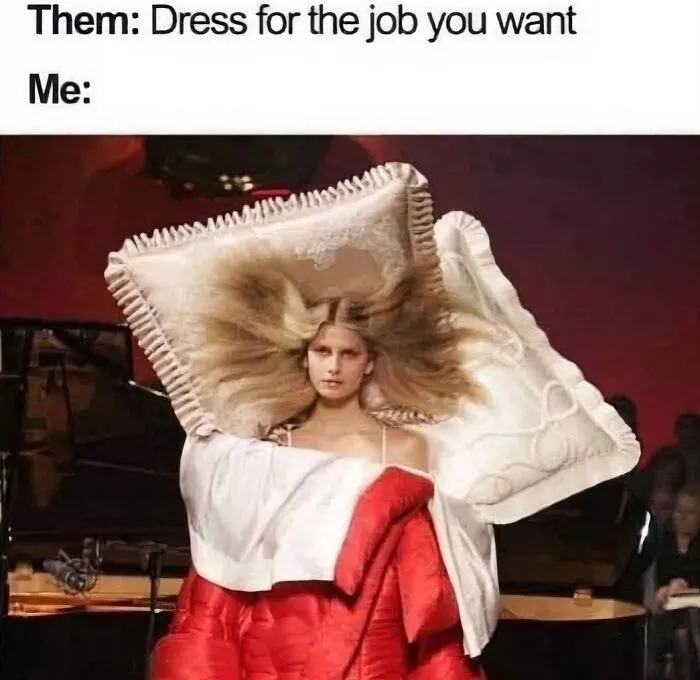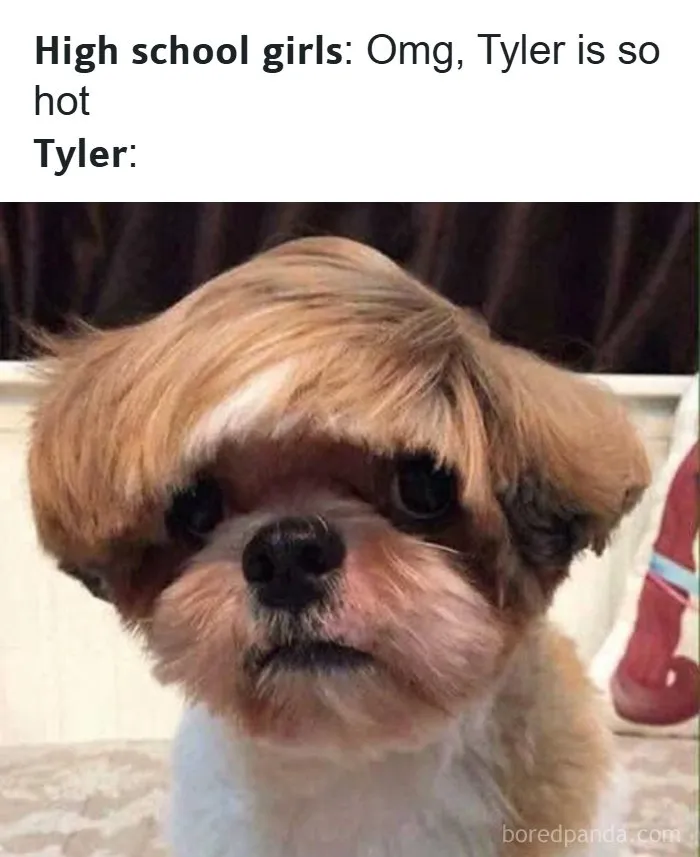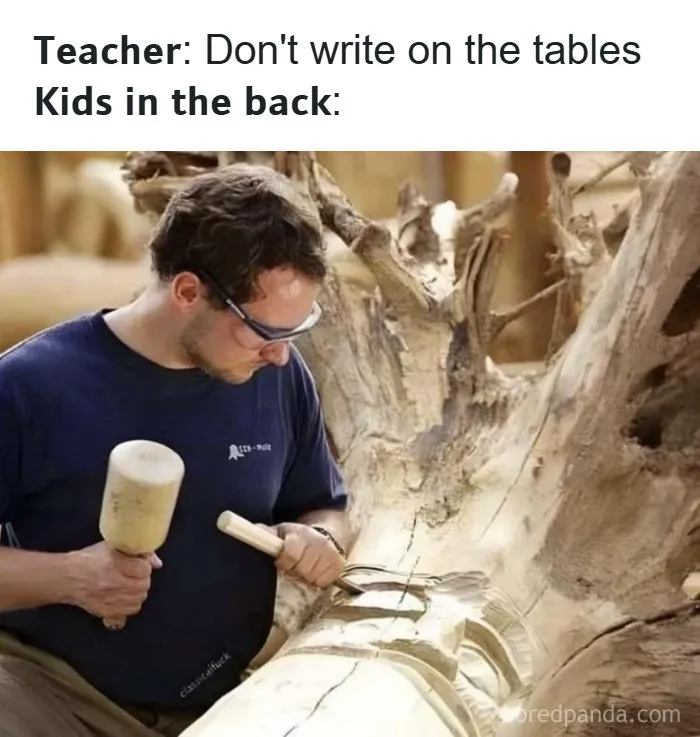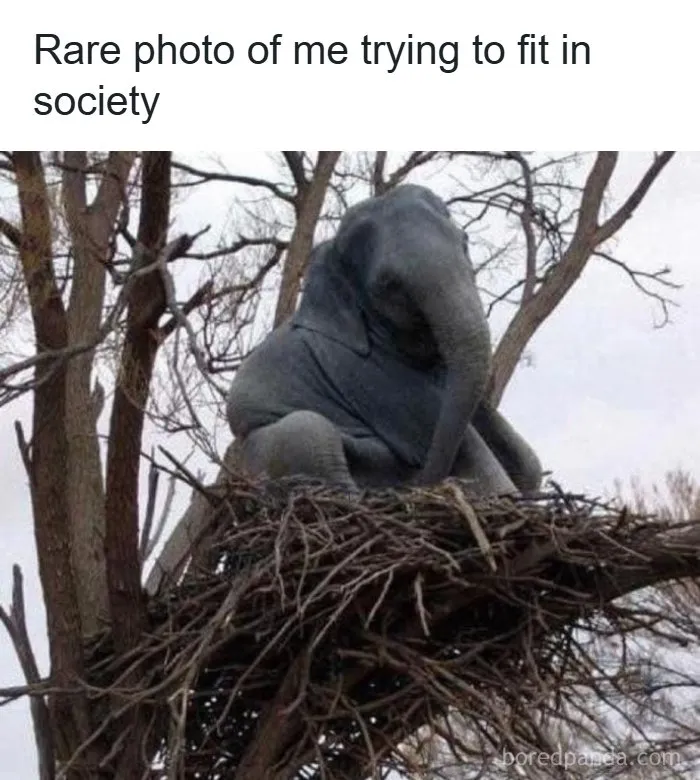



It is also worth noting that memes thrive because of low barriers to entry. You do not need design software, a production budget, or a media platform to make one. A free app on your phone, a screenshot, and a halfway decent observation about everyday life are all it takes.
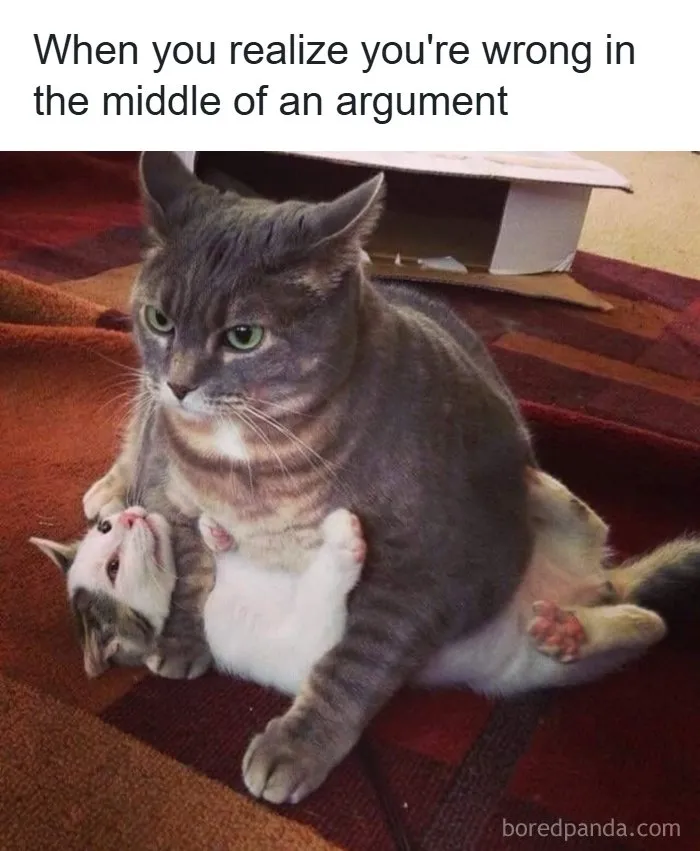
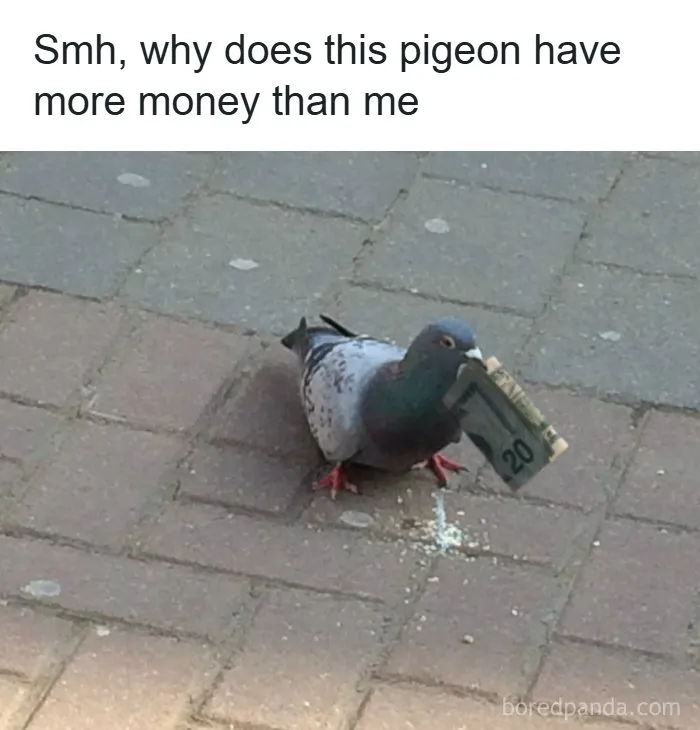
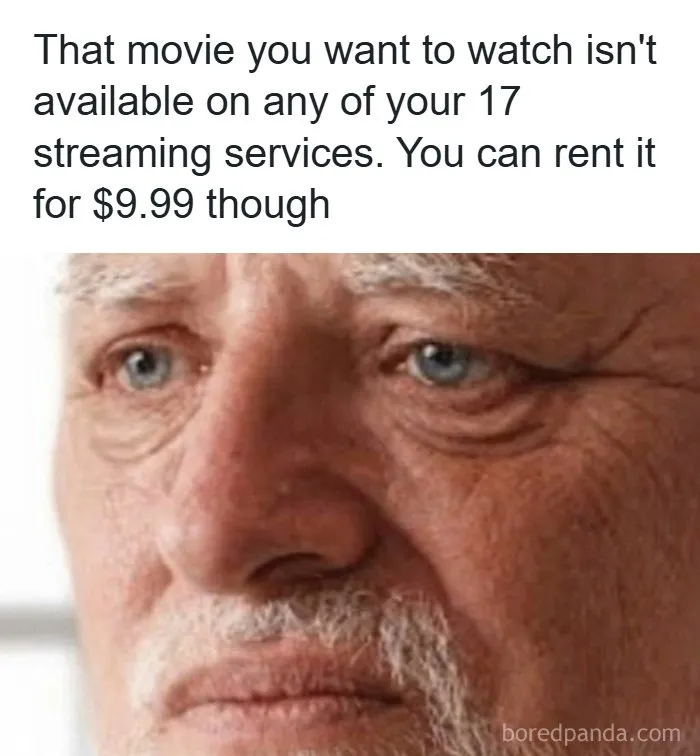
That democratization of content creation means the funniest, most relatable voices online are not always professional comedians or media companies. They are regular people on lunch breaks or teenagers on the bus, which keeps the humor grounded, weird, and genuinely funny rather than focus-grouped to death.
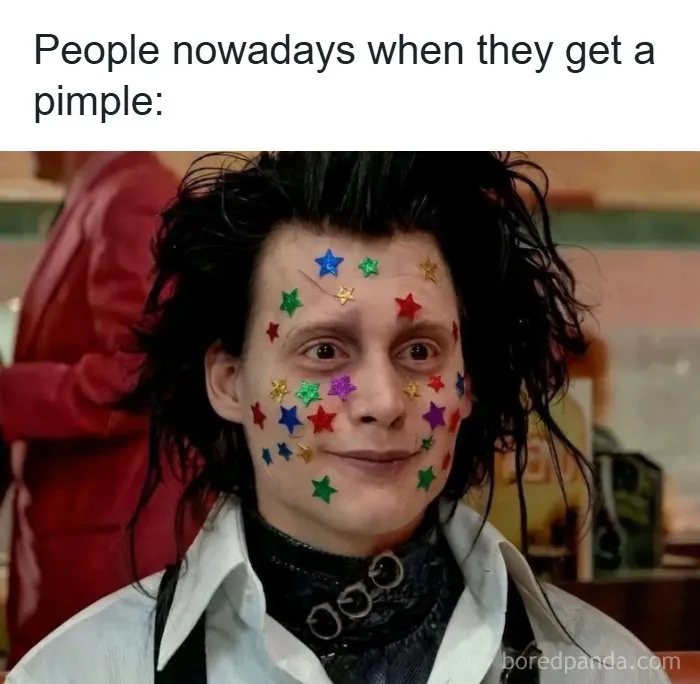
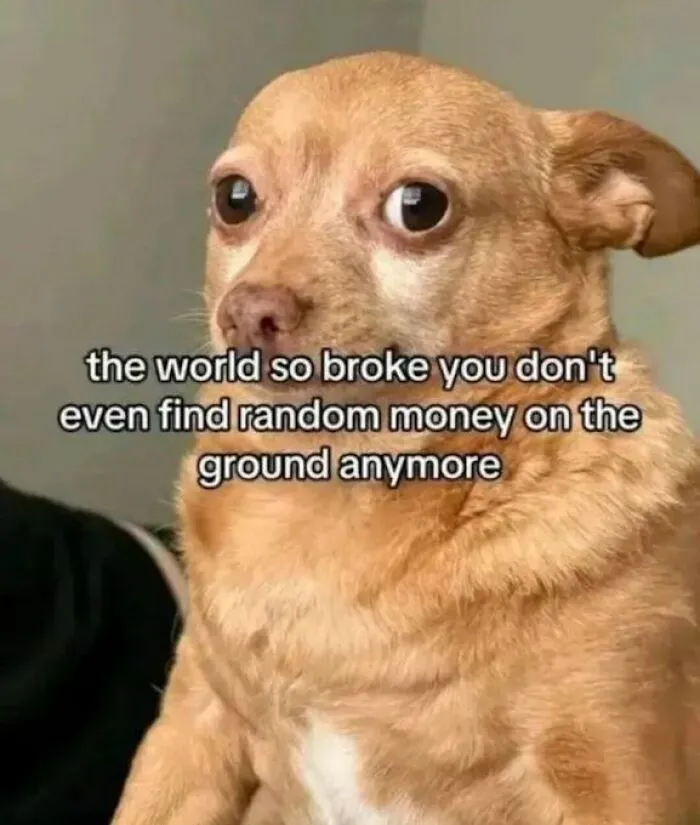
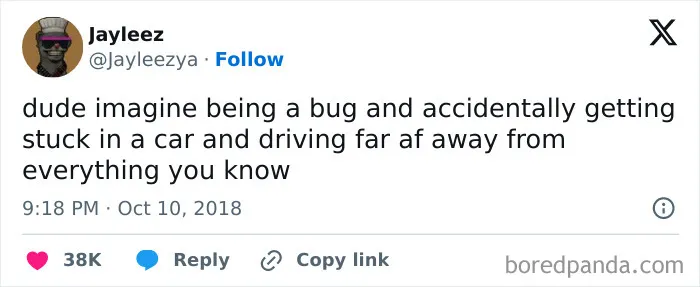
The speed at which meme culture moves also reflects broader shifts in how we communicate. Studies on internet communication show that younger generations in particular prefer visual and informal modes of expression over long-form writing, and memes sit perfectly at that intersection. They are the internet's version of a knowing glance across the room, a nod that says everything without requiring a single formal sentence.

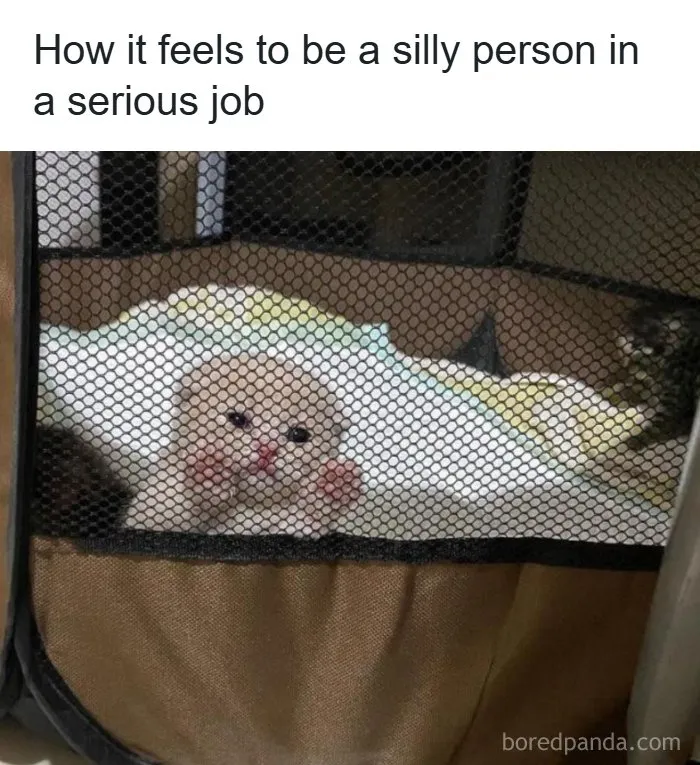
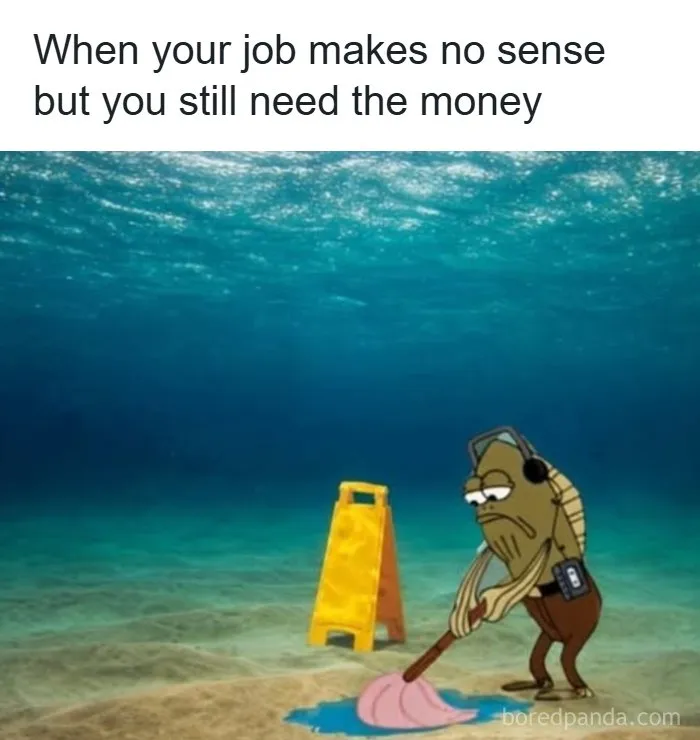
Perhaps most importantly, memes are just genuinely fun. In a media landscape that can often feel overwhelming, a perfectly timed meme offers a moment of levity that requires nothing from you except a willingness to laugh. They do not demand attention spans, subscriptions, or emotional labor. They just show up, do their thing, and leave you slightly happier than before. And honestly, in 2026, that is worth more than people give it credit for.