


Meanwhile, PDSA Vet Anna Ewers Clark spoke to us more about cats and to what extent they enjoy the company of other animals in the house.
“Although it can be tempting to think that your cat might benefit from getting another feline friend, quite the opposite could be true! Introducing a new, unrelated cat to an existing cat’s territory can actually be very stressful for them both, so think very carefully before getting ‘company’ for your cat,” the vet warned.
“Siblings from the same litter, or kittens that have grown up together can get along quite well and enjoy each other’s company,” she said that some felines tend to like each other better than others. So the context of who grew up with who is important.

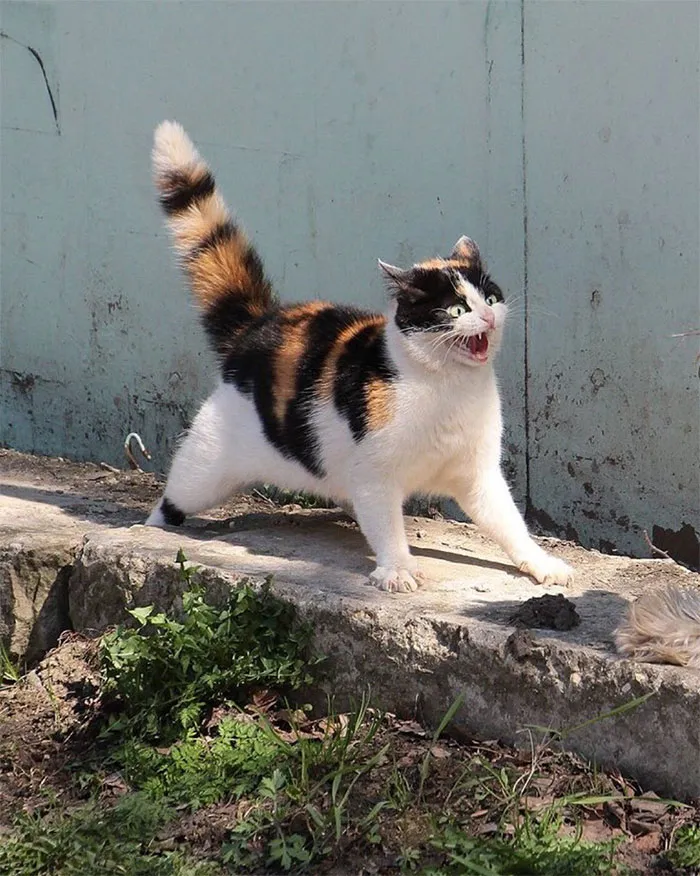
“Signs your cats get along include grooming each other, snoozing together, touching noses, and rubbing their heads together. They will also like to do things together, like relaxing in the garden or playing together, and may like to have friendly play-fights,” Anna told Bored Panda.
“If the fighting is continuous, you hear hissing, their ears are back and flat to their head, their backs are arched or you see claws orbiting, it’s likely this isn’t just a play-fight. Break it up by making a loud noise or placing a physical barrier between them—don’t use your hands though!” she said.

“Always make sure they have separate food and water bowls, and spread these out so they can eat separately. They’ll also need separate litter trays, scratching posts, beds, and any other resources. A good rule is to supply one of each resource per cat, plus one extra, to ensure they can always choose to be alone if they prefer,” the vet explained that each animal needs its own gear and resources.