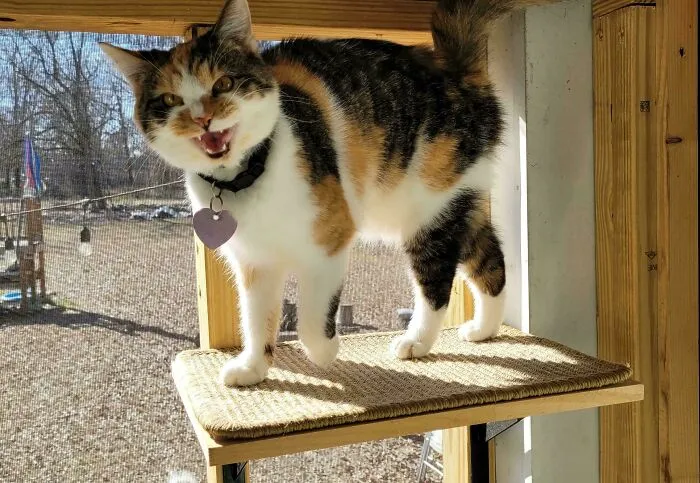



A cat's eyes and ears can help an owner decipher what he or she is feeling. Although their pupils tend to be naturally bigger at night when it's darker, dilated pupils can also indicate that a cat is scared or excited. At the same time, smaller pupils at night might also indicate fear. Flat ears may mean that a cat is upset about something, while ears in an upright position indicate excitement and curiosity.

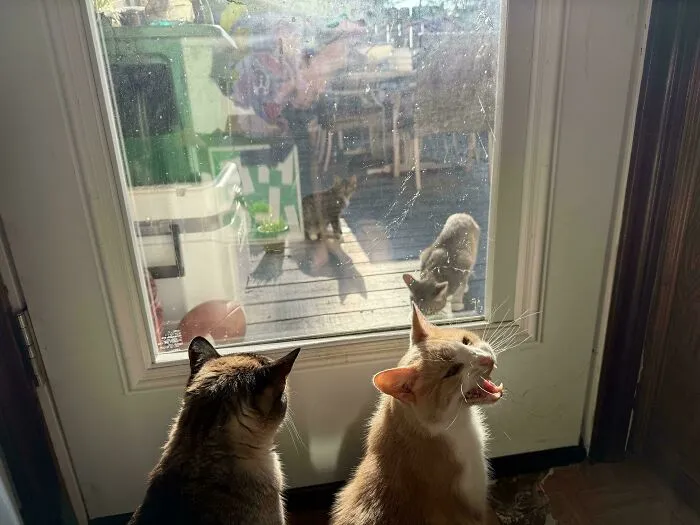

It's not just the owners who try to decipher what their cats are saying. Felines also adapt to their owners and change their vocalizations to better communicate with them. Phonetics expert Dr. Susanne Schötz, who researches all kinds of cat vocalizations for the project "Meowsic", says that cats use different types of sounds for what they want so we can better understand them.
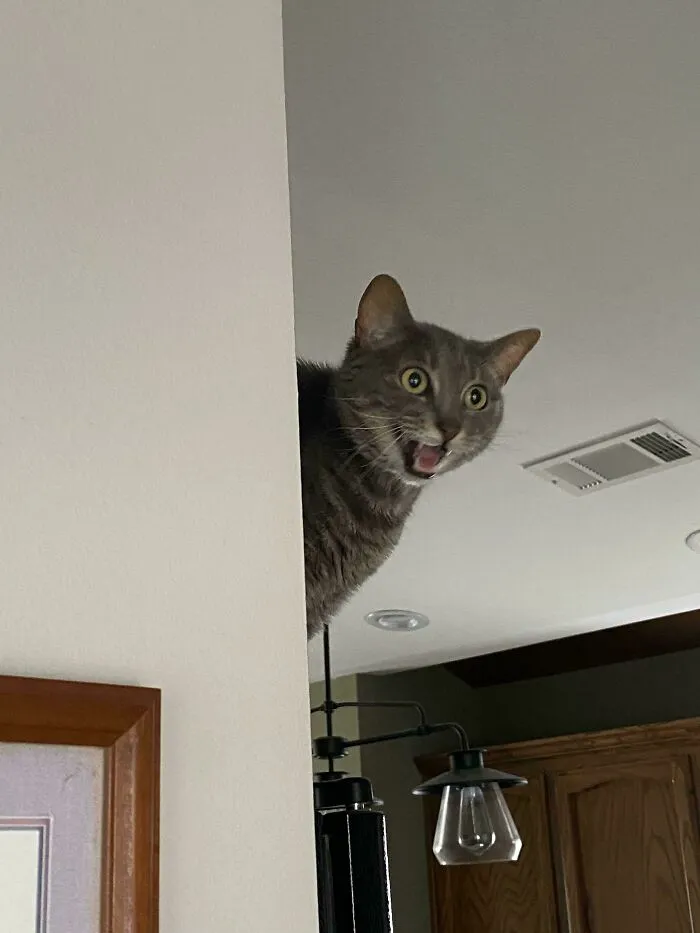

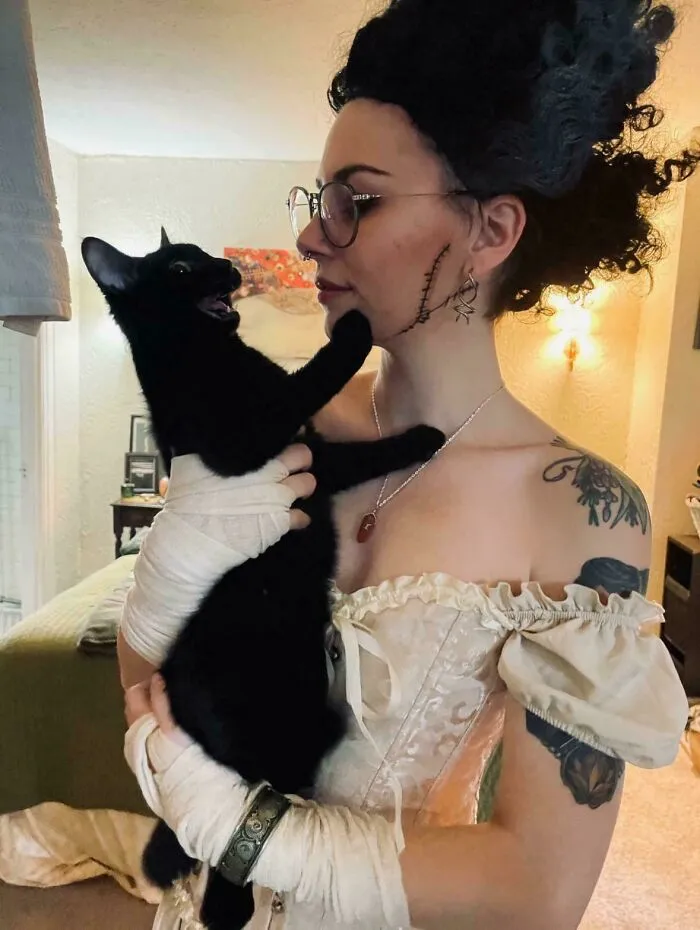
Dr. Schötz's own cat, Donna, for example, meows "with a rising melody." She "chirrups" when she wants attention and affection. When she wants to play, she begins by trilling softly, and then goes into full meows if she doesn't get it. If Schötz ignores Donna, the trill-meows become more persistent and of a gradually higher pitch.
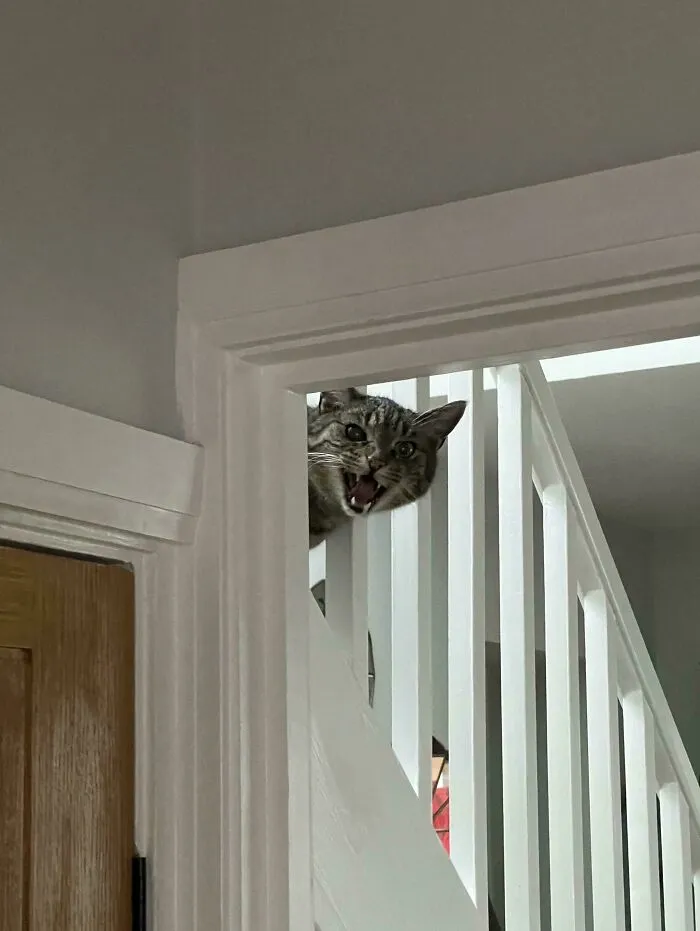
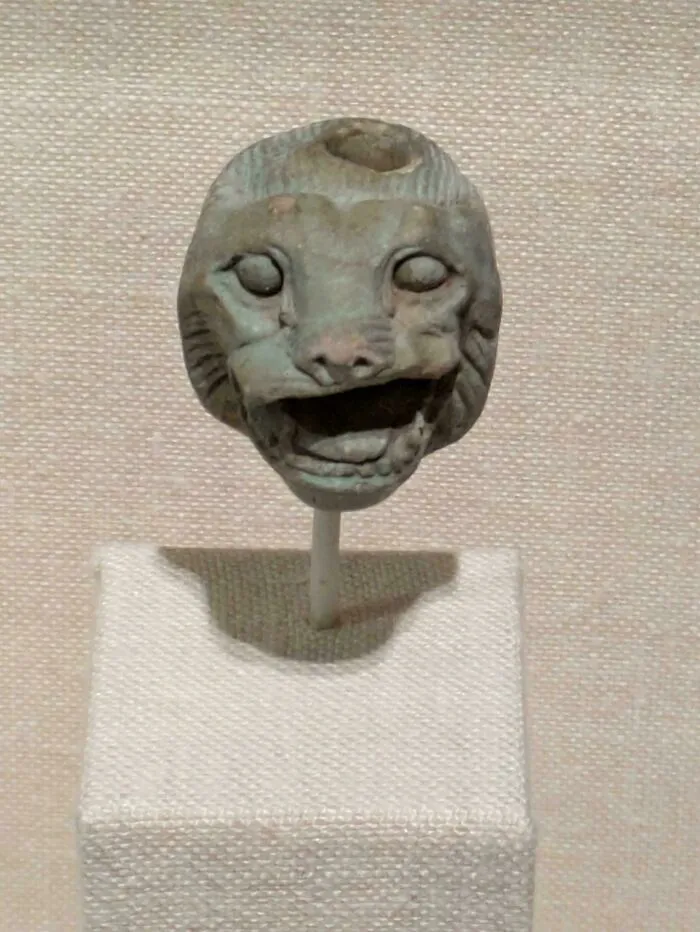
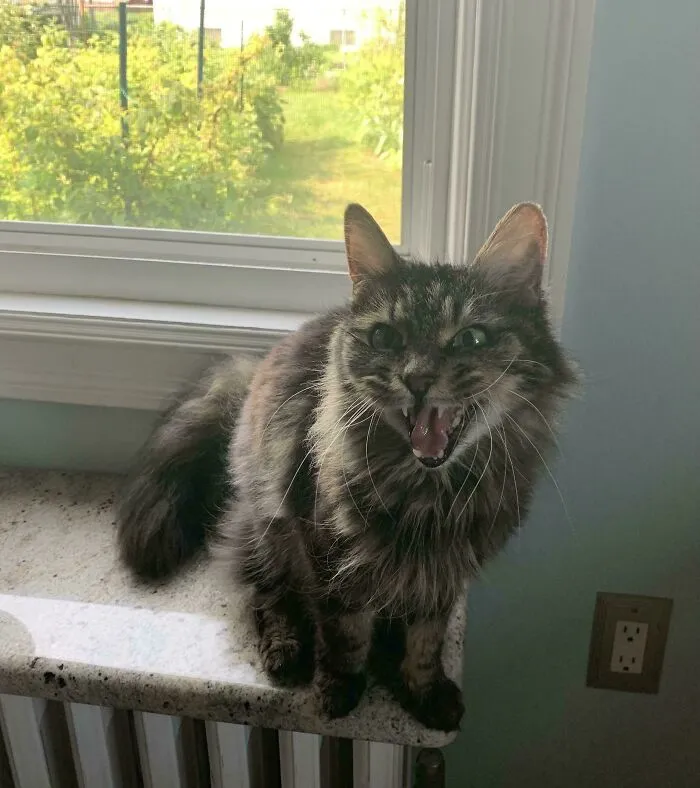
What about your cats, Pandas? Do they meow, trill, or purr softly? Or, like the kitties on this list, do they scream with as much drama as they can? Let us know the ways in which you communicate with your cats in the comments! And if you'd like to see more screaming cats from "Cats Who Yell," be sure to go here, here, and right here!


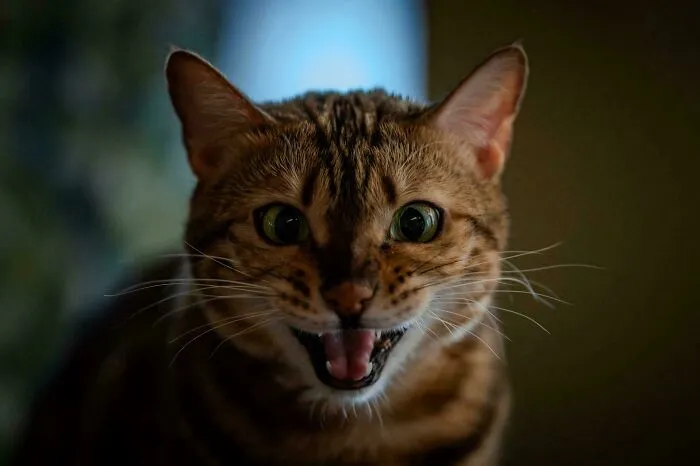
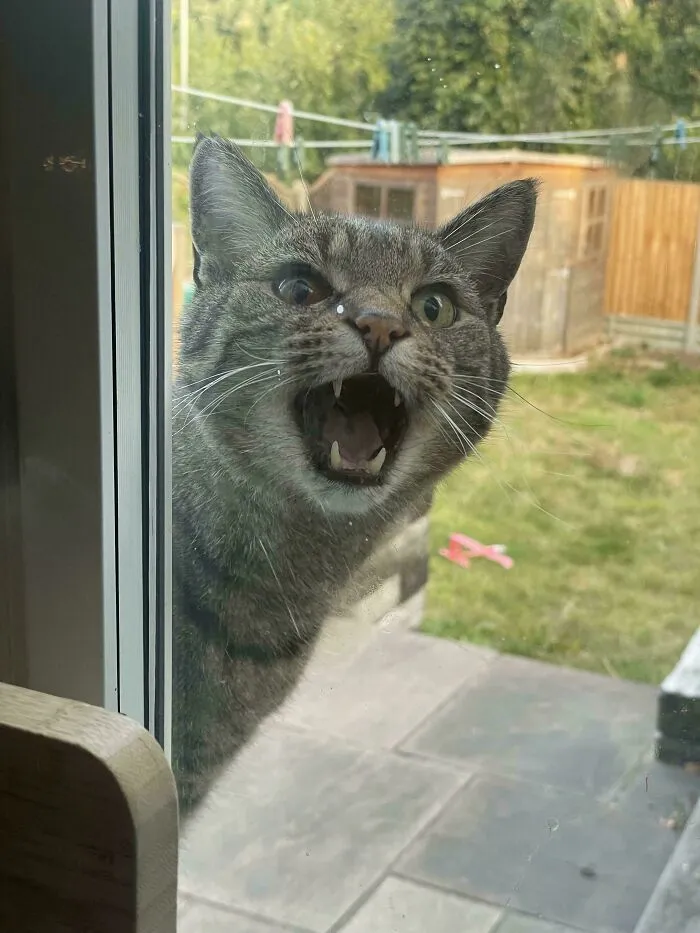
#34 I Think Mack, (16), May Be Trying To Give Me A Subtle Hint About Breakfast Time And The Back Door Being Shut…

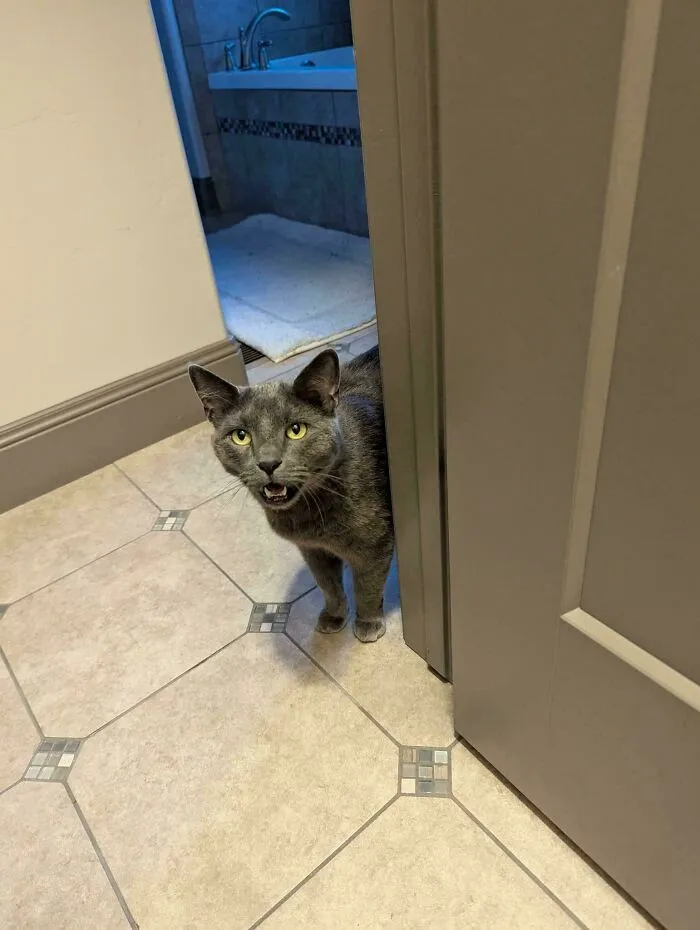
#36 He's Yelling At Me Because I Had To Leave Him For Three Days To Have A Baby
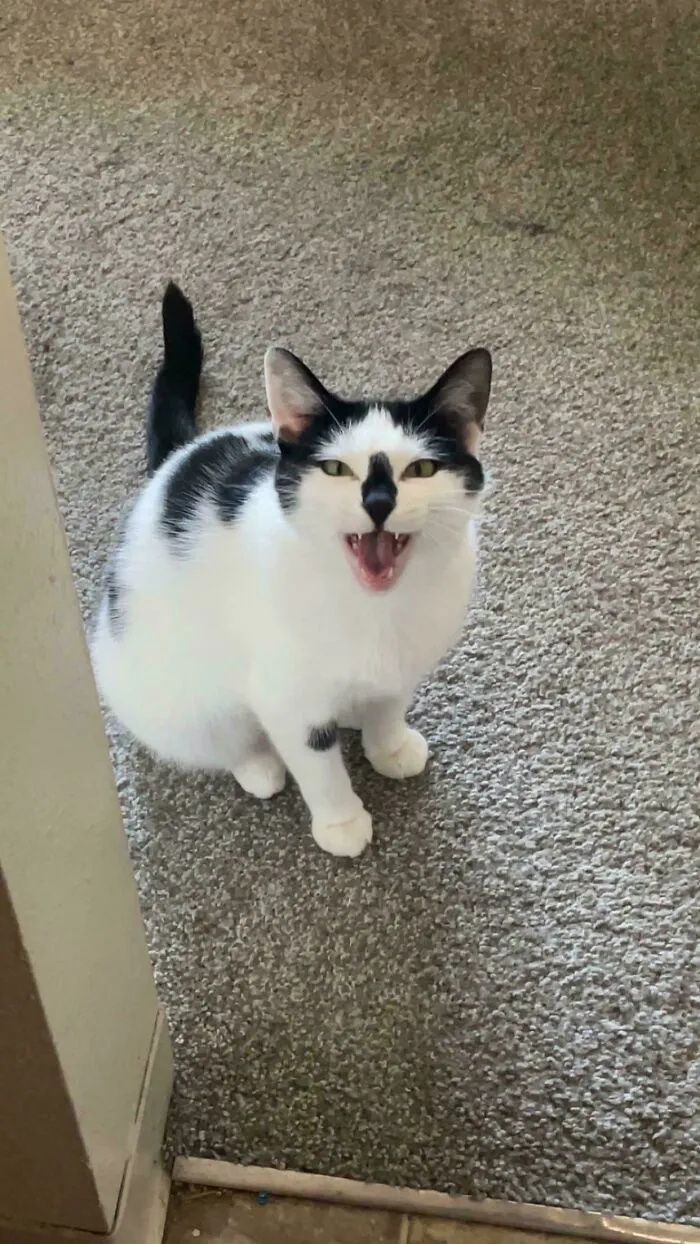
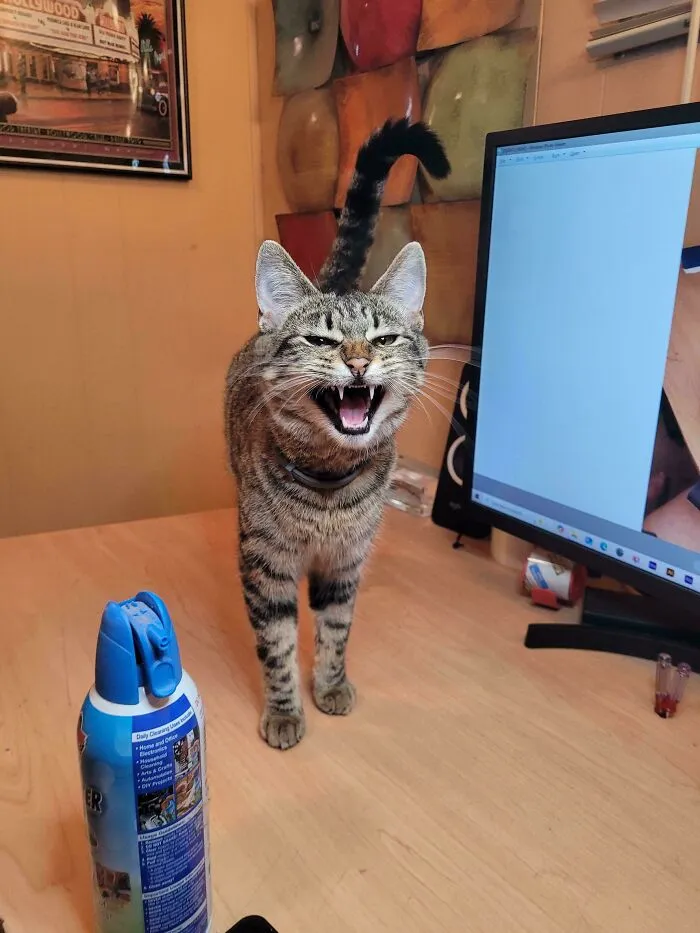
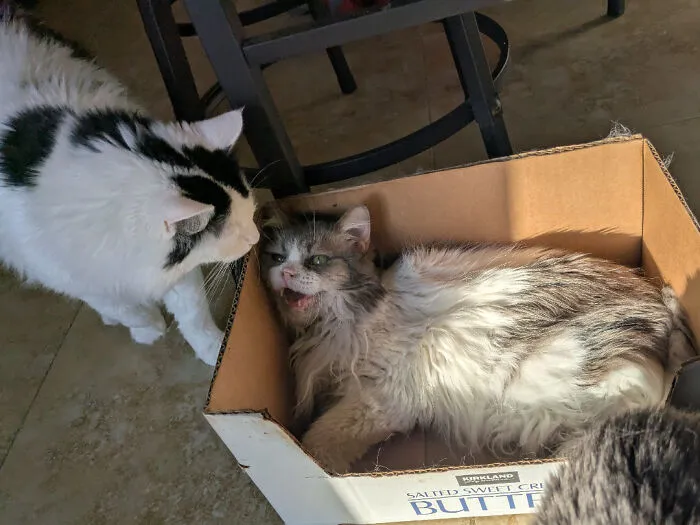
#40 Bonnie Doesn't Always Yell, But She Is Very Excited About Warm Days In The Catio