


This post may include affiliate links.



Most of us have a pretty good idea of what internet trolling means, right? Someone deliberately trying to annoy, provoke, or get a reaction out of others online. But did you know there are different kinds of trolls? Some target celebrities, hoping to get their attention, while others leave hurtful comments on memorial pages or deliberately stir up arguments about sensitive topics. Then there are those who simply enjoy playing harmless pranks on their friends. Clearly, trolling isn't always as straightforward as it sounds.

#5 This Is My Buddy And He Needs A Pic For His Dating Profile Can You Make Him A Chick Magnet?

#6 Could Someone Please Remove The Bins In The Background And Maybe The Guy In Checked Shirt And Group Of 3 Just Behind Me

Of course, there's a reason the word often has a negative reputation. While some online mischief might be funny, other forms of trolling can seriously affect people's emotional well-being. Think about it. Nobody enjoys opening their social media account to find strangers insulting them, mocking their appearance, or deliberately trying to upset them. Research has shown that exposure to hostile online behavior can trigger negative emotions such as anger, frustration, and distress. And when that behavior continues, what might seem like a harmless joke to one person can become a genuinely upsetting experience for someone else.


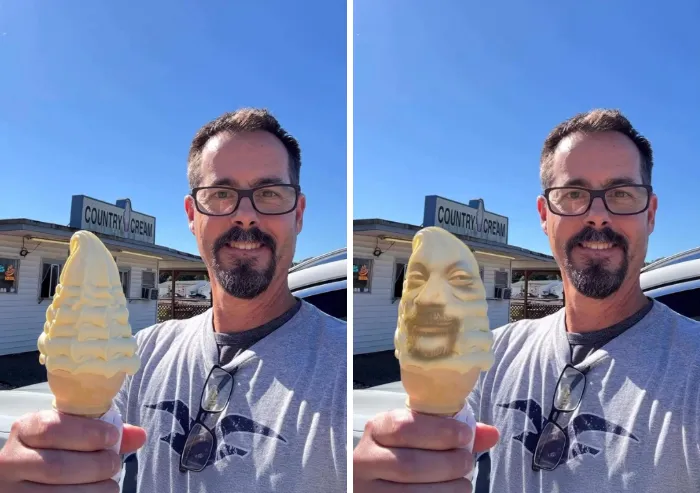
#9 Can Someone Make The Ice Cream 2–3 Times Higher? Trying To Make My Wife Jealous It's Her Favorite Place, And I'm Here Without Her!
But here's something interesting. In her book This Is Why We Can't Have Nice Things: Mapping the Relationship Between Online Trolling and Mainstream Culture, researcher Dr. Whitney Phillips explores how trolling isn't simply some strange behavior that exists separately from the rest of society. Instead, she argues that trolls often use the same attention-grabbing tactics seen in mainstream media. Sensational headlines, shocking content, and exaggerated reactions are all designed to get people talking. The difference is that trolls often do it for their own amusement. In other words, the internet's obsession with attention and reactions may play a bigger role in trolling than we realize.

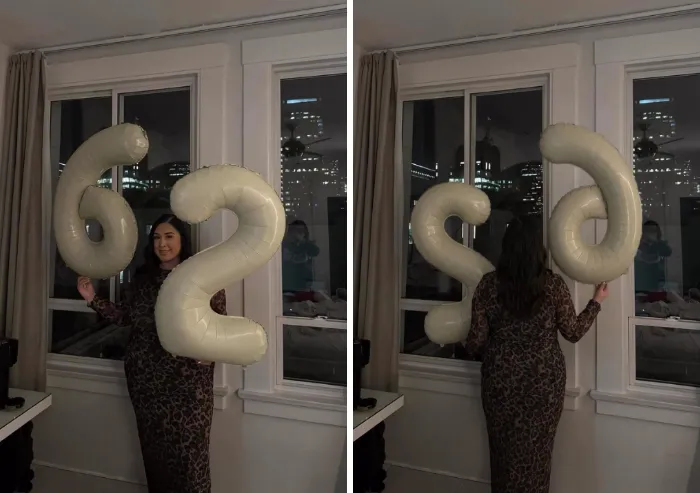
#11 I Didn’t Realize I Had The Numbers Backwards, Can Someone Please Flip The Balloon Around?
Interestingly, not everyone sees trolling as something entirely negative. Yimin Chen, who studied internet trolling while pursuing a PhD at Western University, shared a different perspective in an interview. He recalled how his early experiences with online communities involved people teasing one another, sharing inside jokes, and having fun. For him, trolling wasn't necessarily about hurting someone. It was often just another way friends interacted online. And if you've ever jokingly teased a friend in a group chat, you probably understand what he means.

#14 Can Someone Please Make My Dream Come True And Make Me Taller Than My Wife?

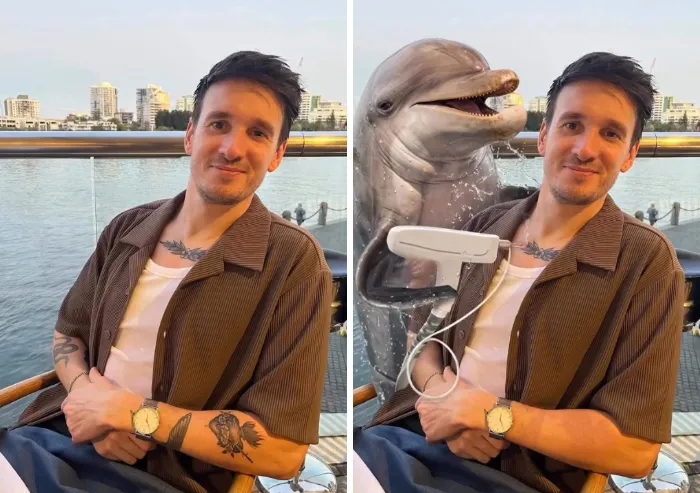
#15 Can Someone Get Rid Of My Tattoos And Make It Look Like There Are Dolphins From The Water?
Chen also pointed out that the word "trolling" has come to describe an incredibly wide range of behaviors. And honestly, it does seem strange to use the same term for someone making a silly joke and someone deliberately troubling another person. After all, there's a huge difference between making your friend laugh with a harmless prank and targeting a stranger with hurtful messages. Context matters, and so does the intention behind the joke. Something that's perfectly acceptable between close friends might feel offensive or threatening when directed at someone who doesn't know you.
#16 Could Someone Please Change The Motel Room Background Do Something With Her Hand To Get Rid Of The Phone And Make It Fancy

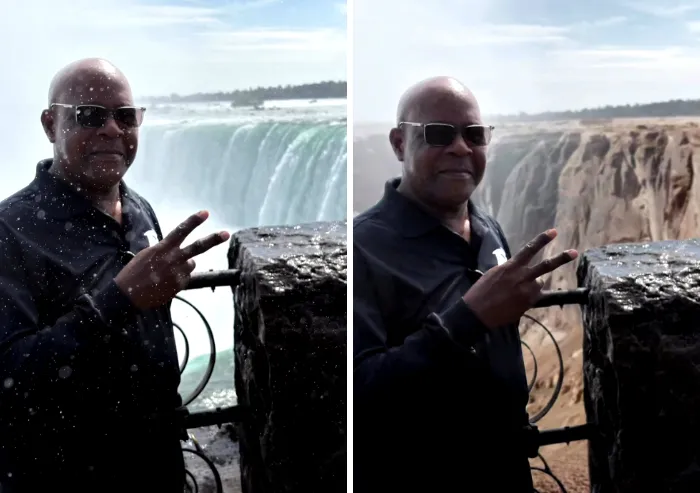
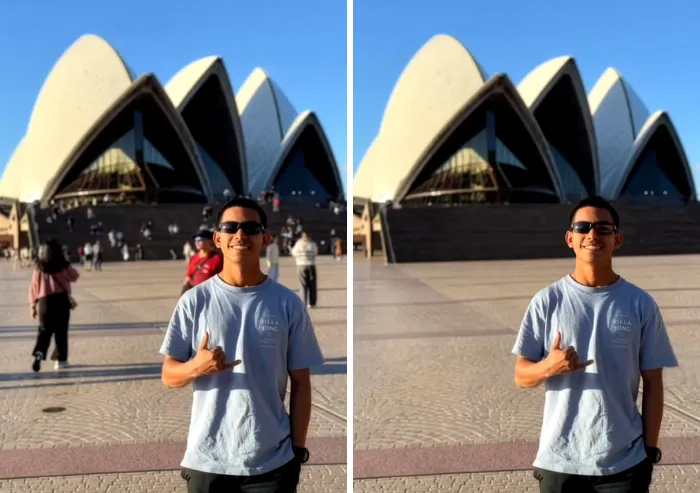
#17 Can Someone Remove The People And The Shade On The Right Side Of My Body?

And when it comes to how people react, research suggests trolling doesn't affect everyone the same way. A study published in the British Journal of Psychology found that people who saw trolls as simply seeking attention or trying to provoke conflict tended to feel fewer negative emotions when thinking about past trolling incidents. In other words, recognizing that someone is deliberately trying to get a reaction may help some people take their comments less personally. Of course, that's easier said than done, especially when the messages feel deeply personal.
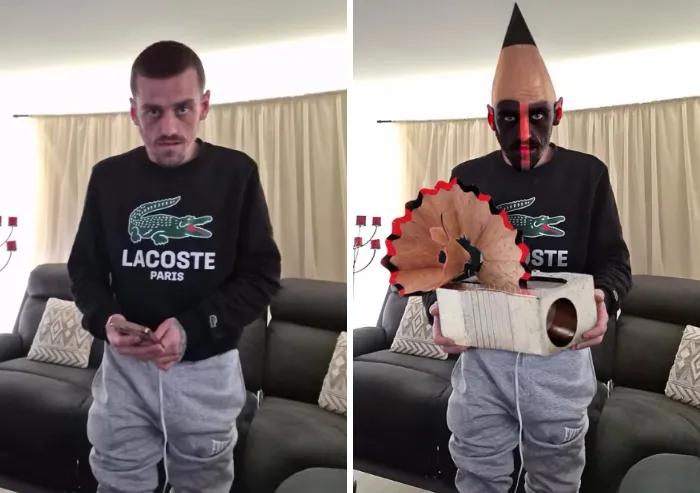
#20 Can Someone Make Me The Same Height As My Boyfriend Or The Same Height As Me Pleas