
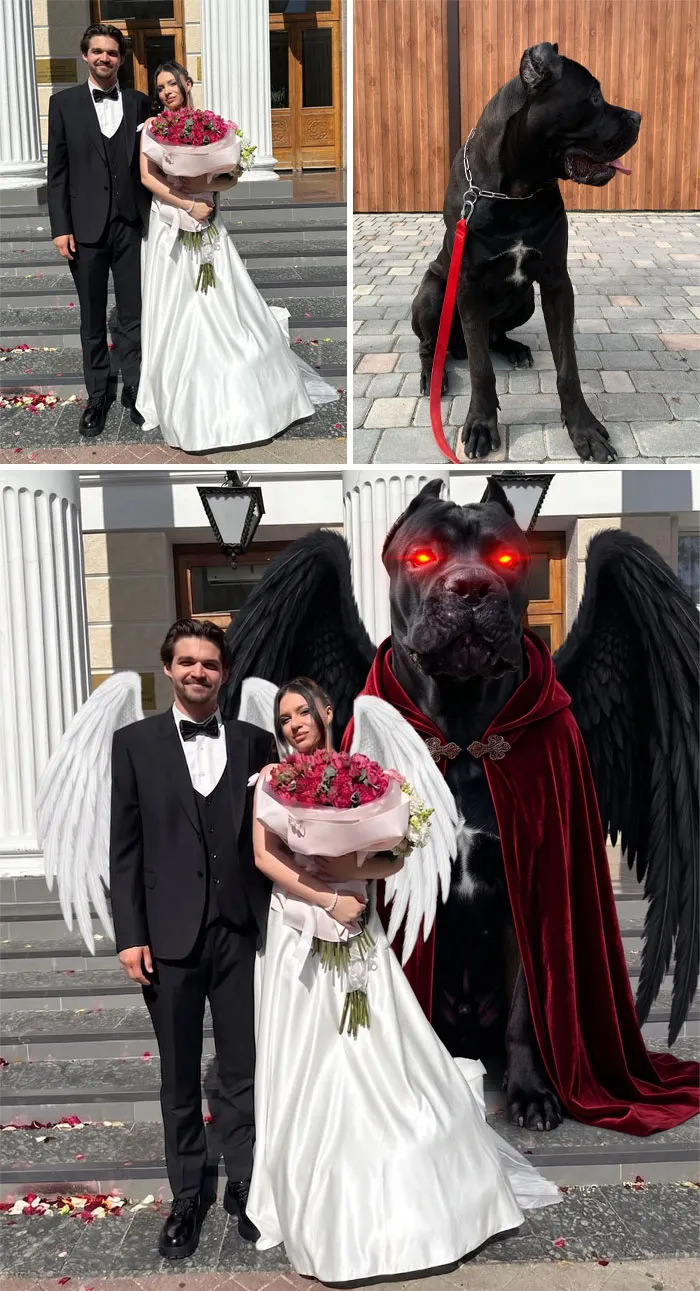
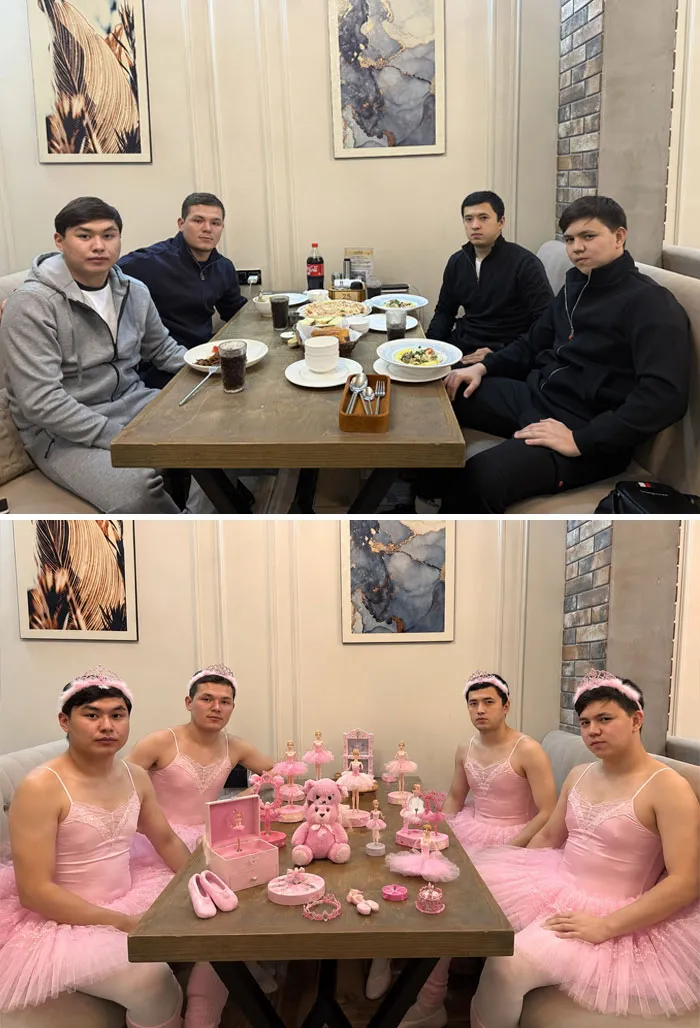
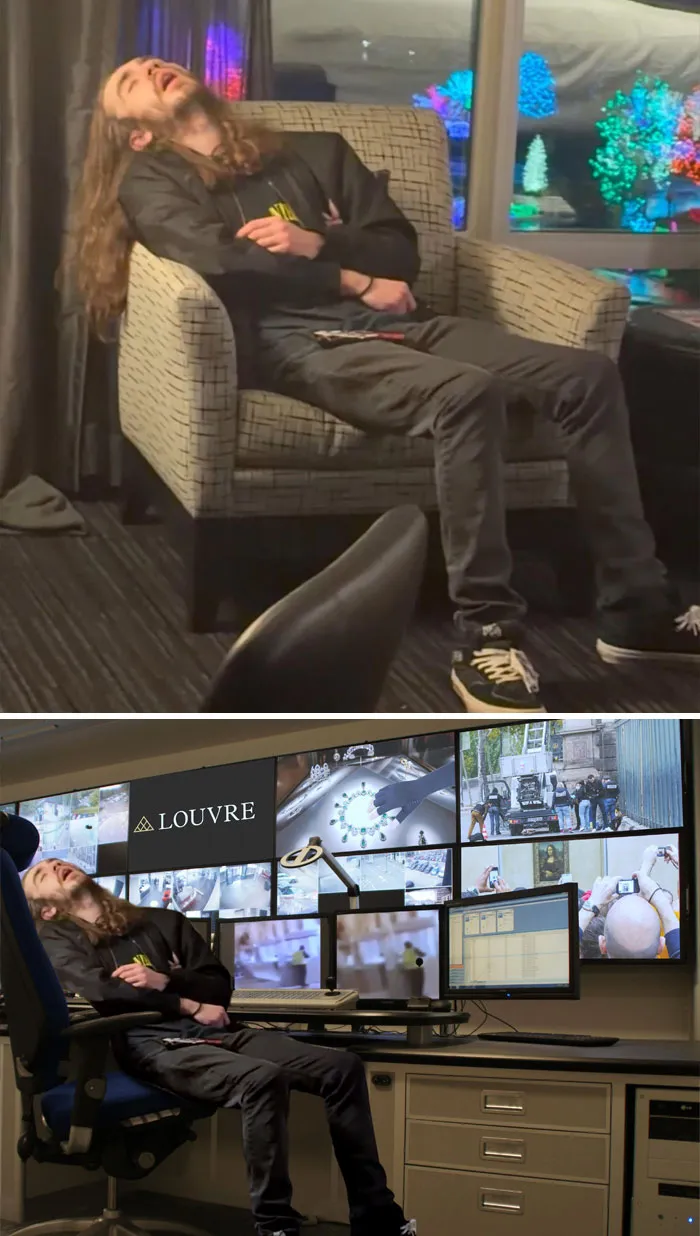
The reason a seemingly minor Photoshop mistake can jump out so quickly has a lot to do with how the brain processes familiar images. Brain Health University explains that perception is not simply a matter of passively recording what is in front of us. Instead, the brain constantly uses memories and previous experiences to predict what it expects to see.
When an image matches those expectations, it can be processed with little conscious effort. But when something suddenly looks out of place, the mismatch creates a prediction error that draws attention. This is why an oddly positioned object, distorted body part, or strangely altered background can become impossible to ignore, even when the viewer cannot immediately explain what looks wrong.
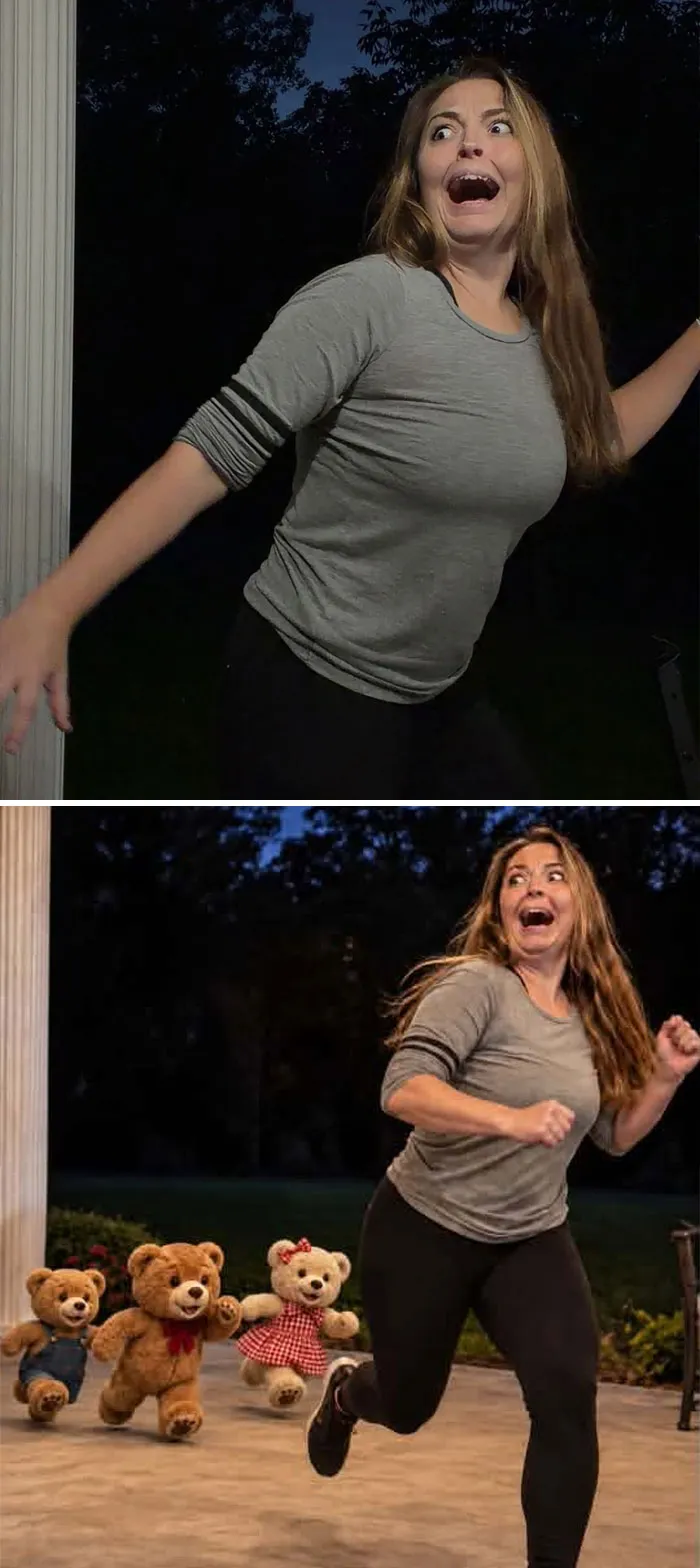
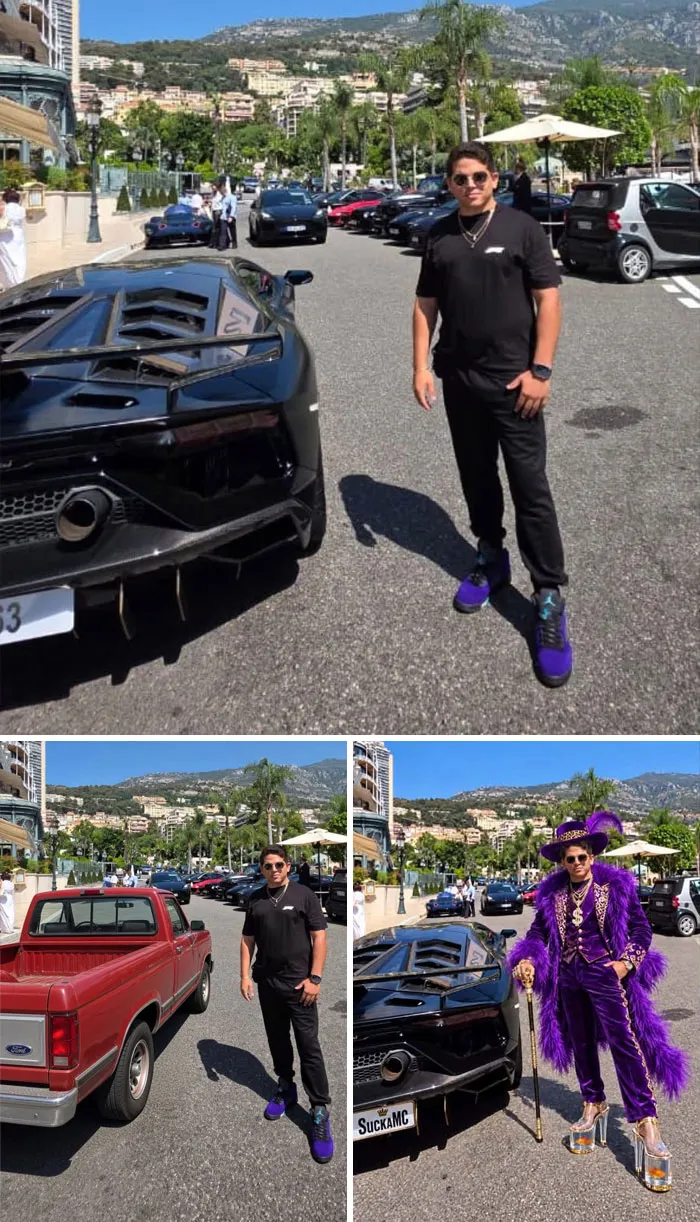
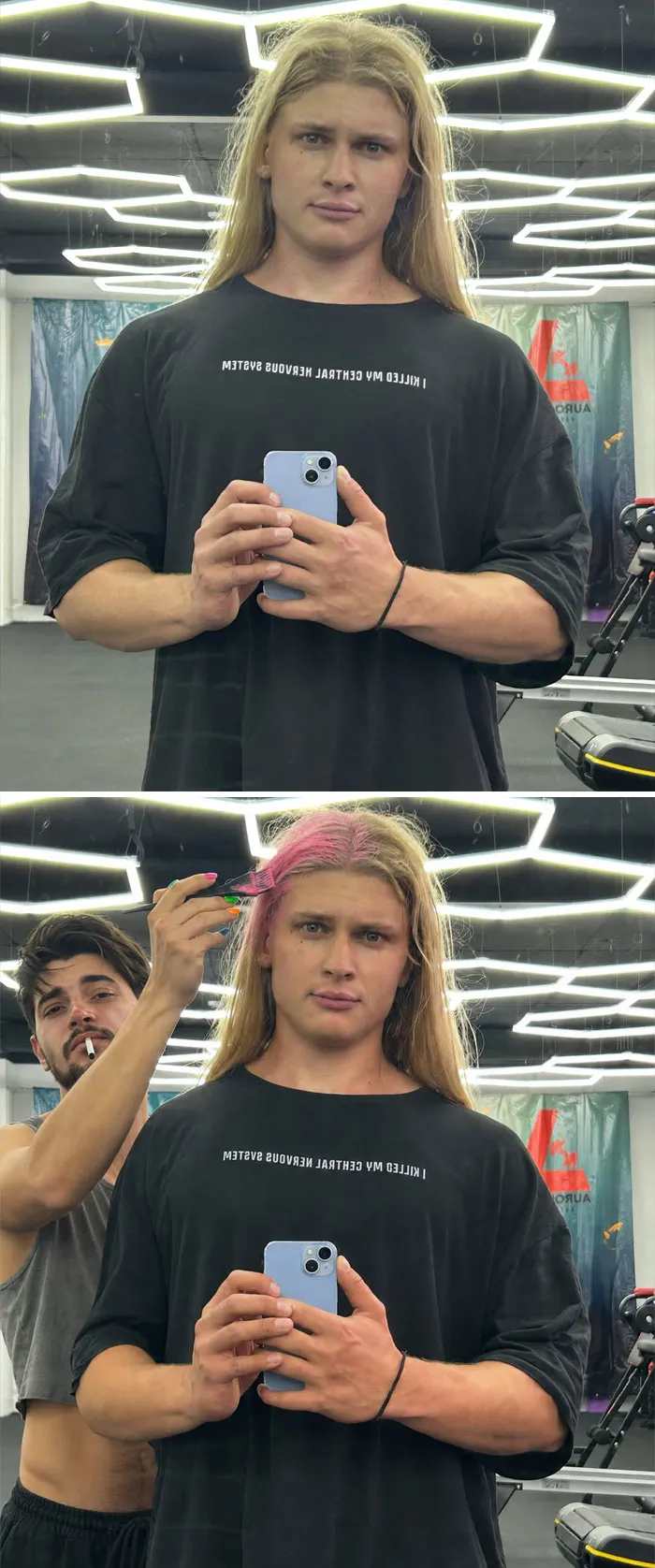
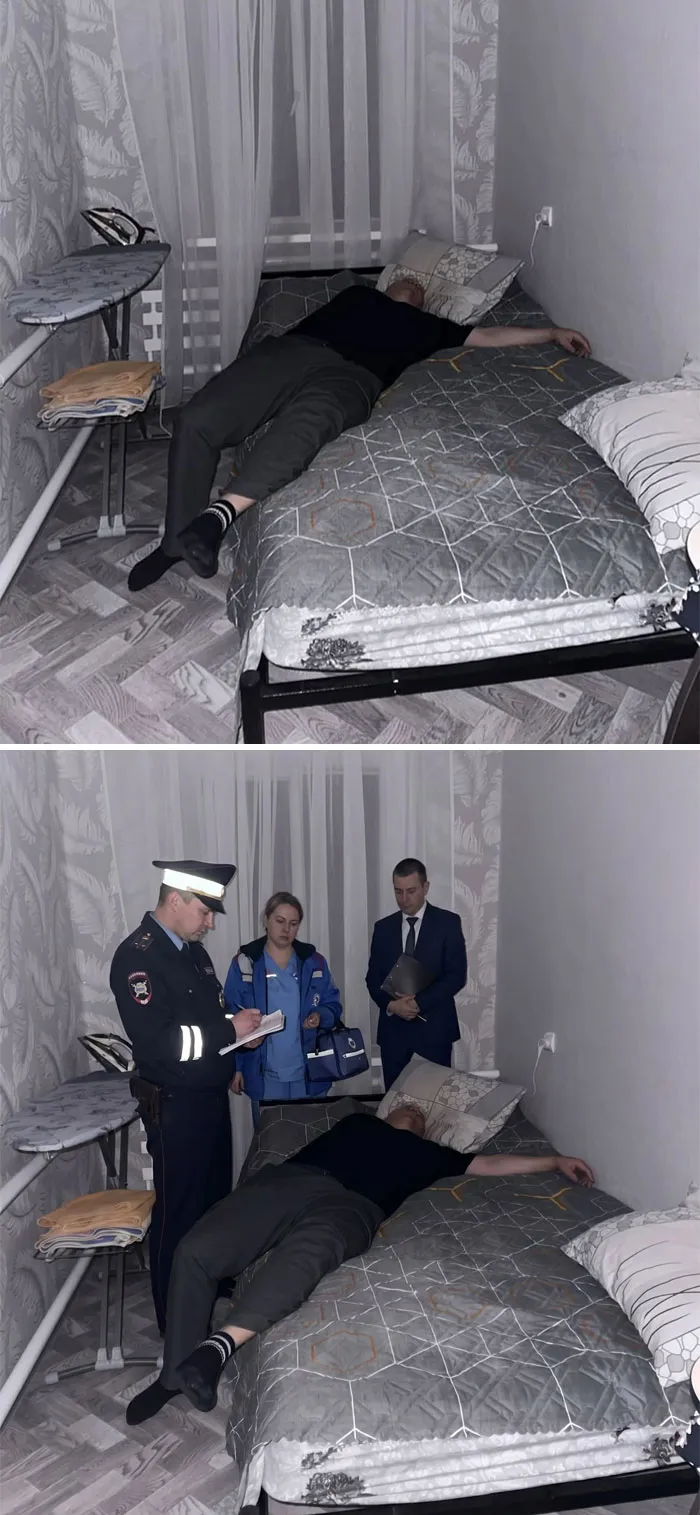
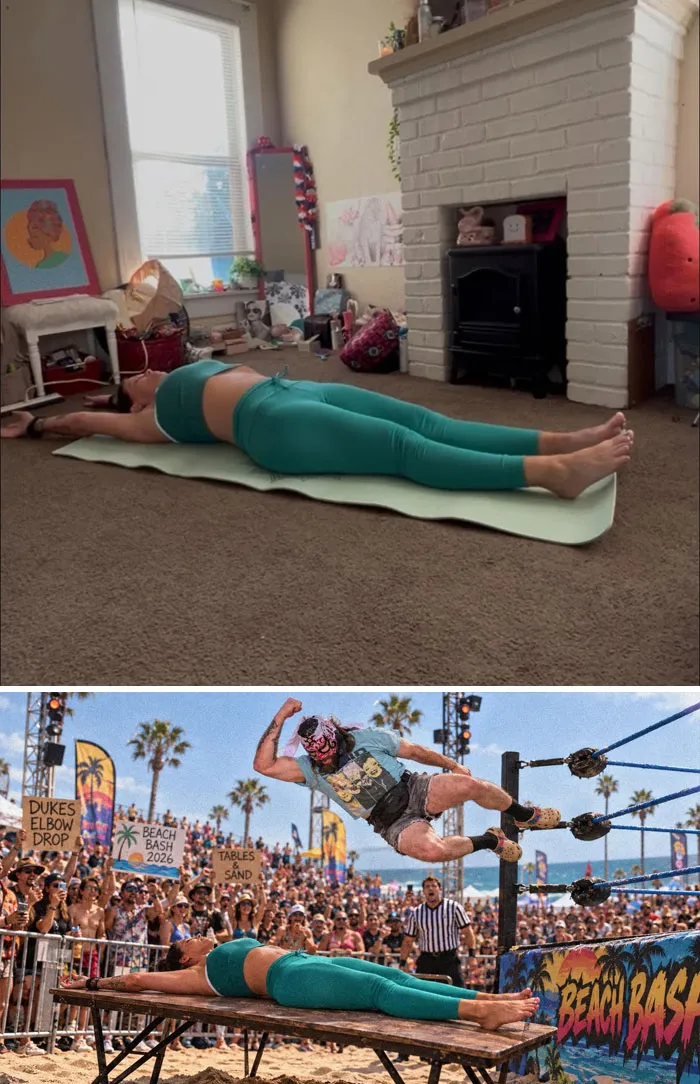
#6 We Need To Do Something Interesting With This Photo. Photoshopers, Your Turn

That effect becomes even stronger when the image contains something the viewer knows particularly well. Familiar faces, homes, objects, and surroundings give the brain a detailed template against which new visual information can be compared. The more established that expectation is, the more noticeable a small violation can become.
Research into visual processing suggests that unexpected or novel details can trigger stronger activity than repeated, predictable information. A Photoshop edit therefore does not have to completely transform a photograph to catch someone's attention. Sometimes a single incorrect proportion, misplaced object, or inconsistent detail is enough to make the whole picture feel noticeably different.
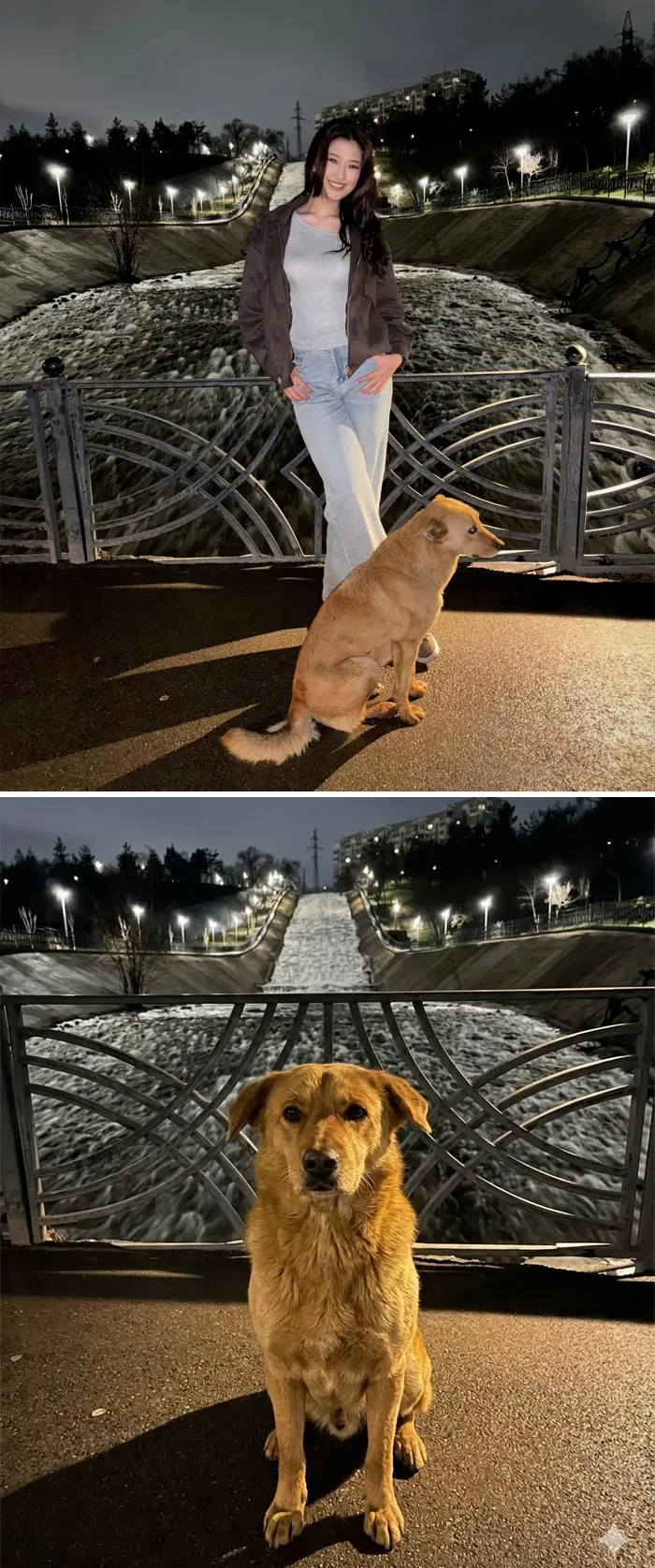
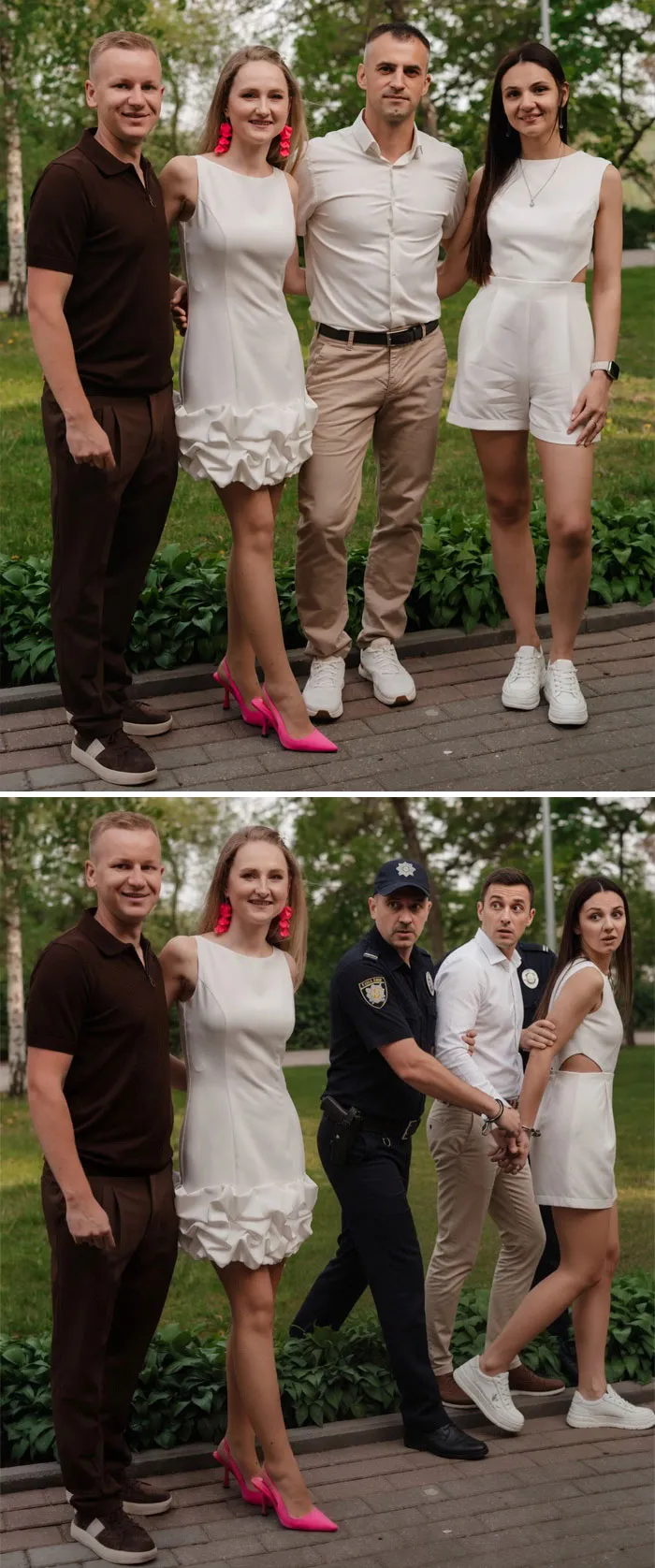
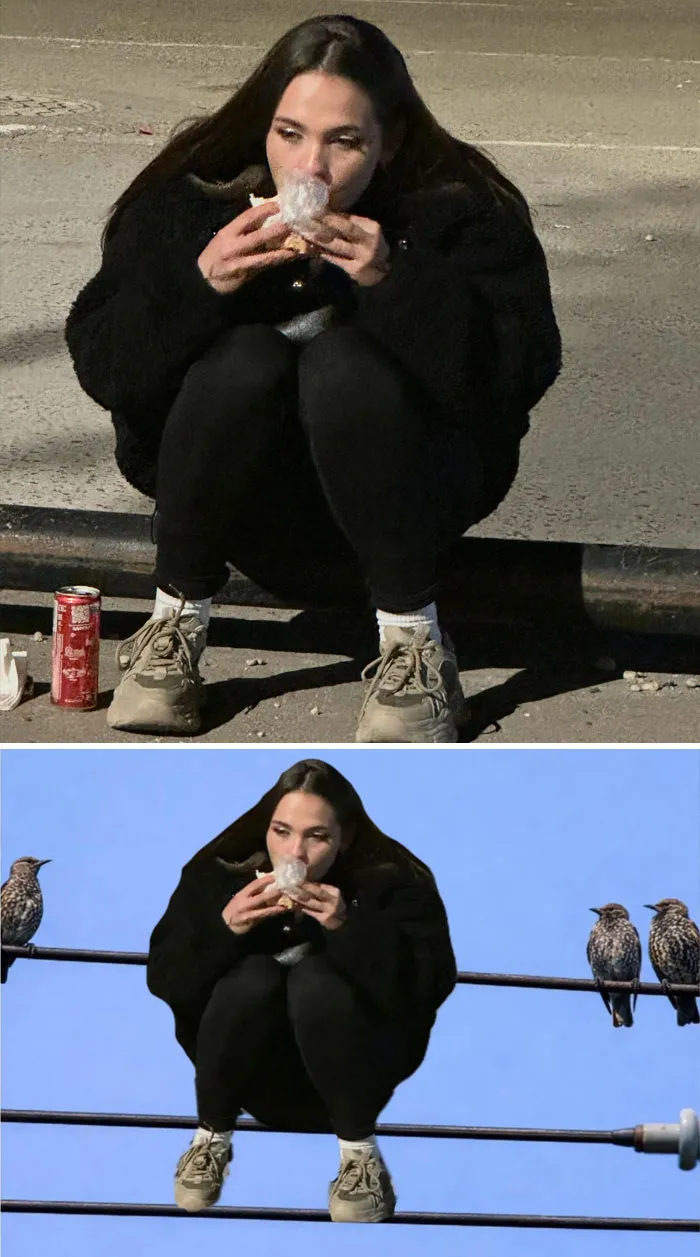
Not every visual mistake produces a laugh, however. National Geographic explains that an edited image can also become uncanny when the brain detects a mismatch but cannot comfortably explain it as harmless. This is particularly relevant to human faces and bodies, which we are highly sensitive to because we are accustomed to judging their proportions, symmetry, expressions, and other subtle features.
An edit that combines realistic and unrealistic elements can therefore create an uncomfortable middle ground. A face might look almost completely natural while having slightly misplaced eyes or strangely proportioned features, leaving the viewer with the distinct impression that something is wrong.
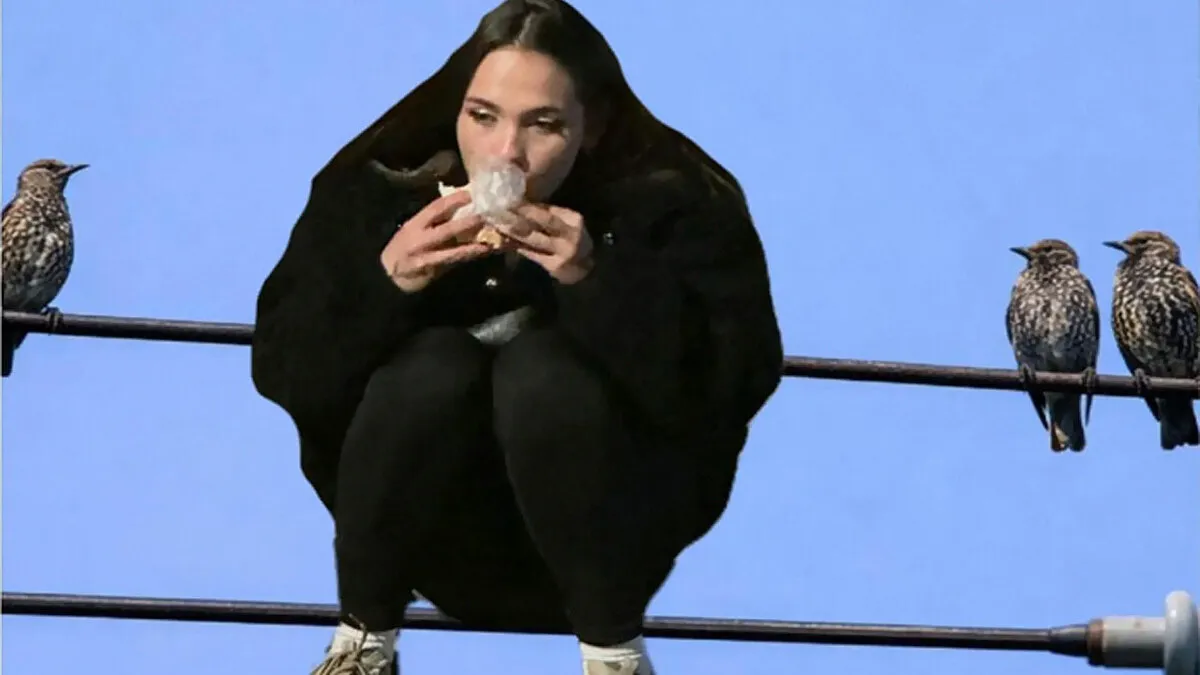
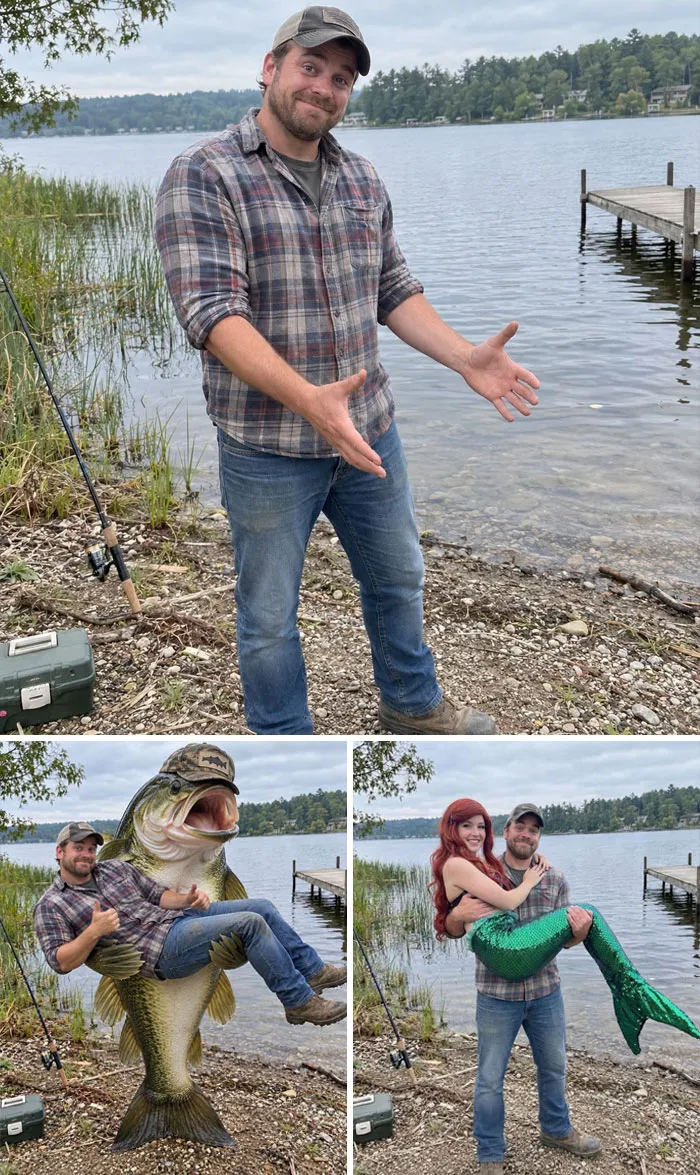
#10 Can Someone Put A Huge Fish In My Hands? My Dad Says I Never Catch Anything

The difference between funny and unsettling often comes down to how easily the brain can make sense of the violation. An obviously ridiculous Photoshop edit provides a simple explanation, which is that someone has deliberately manipulated the picture, and the result is absurd. More realistic alterations can be harder to categorize, particularly when they contain details that suggest a person or object should be normal but do not quite behave that way.
When the brain cannot settle on a clear interpretation, the unusual image can hold attention for longer and feel eerie rather than amusing. That narrow space between recognizable reality and obvious artificiality is part of what makes certain poorly edited faces, bodies, and scenes so memorable.

There is another reason Photoshop requests can take such unexpected turns: creative freedom leaves a lot of room for interpretation. Research published in the Journal of Organizational Behavior suggests that completely open-ended creative tasks can produce very different outcomes because people are no longer working from the same examples, rules, or reference points.
With fewer boundaries, creators can draw more heavily on their own memories, tastes, associations, and ideas about what would make a result distinctive. While people may sometimes choose the quickest conventional solution, others use the freedom to explore less obvious possibilities that would probably never appear in a tightly controlled brief.
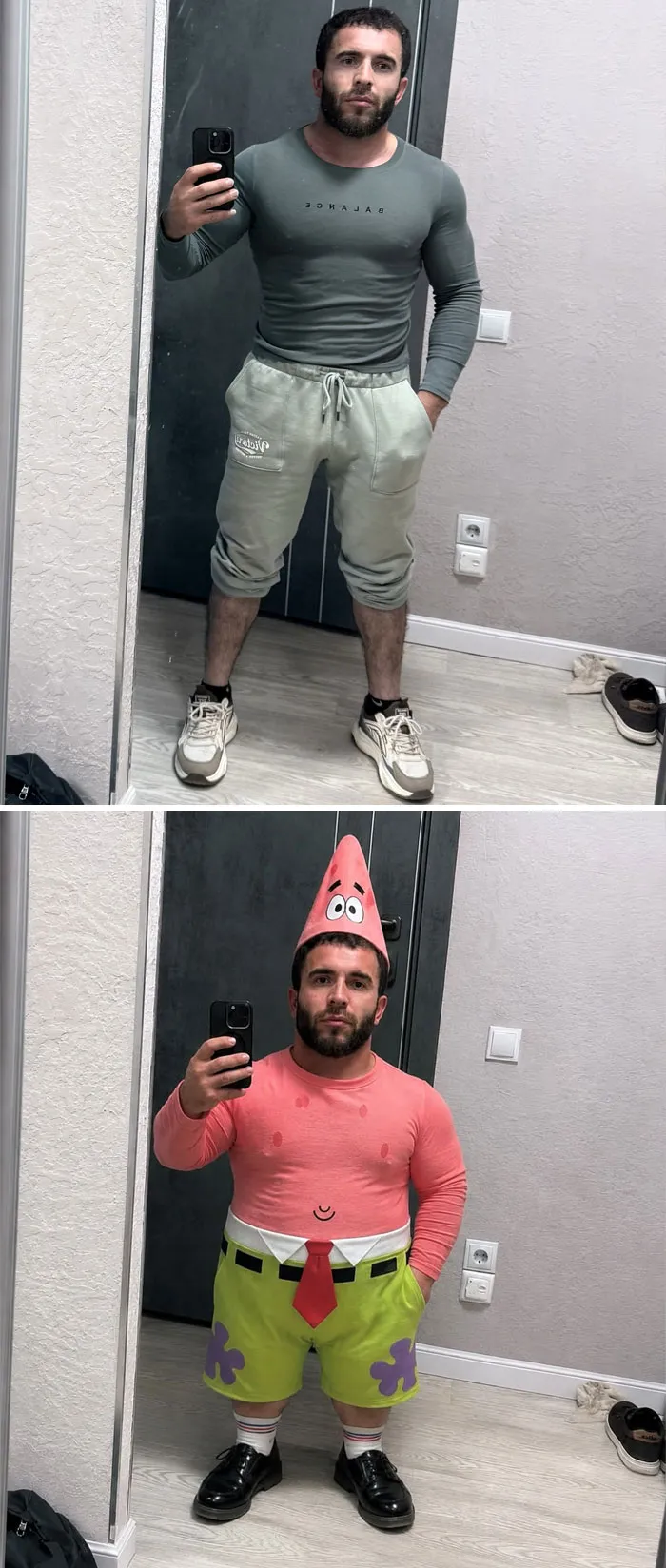
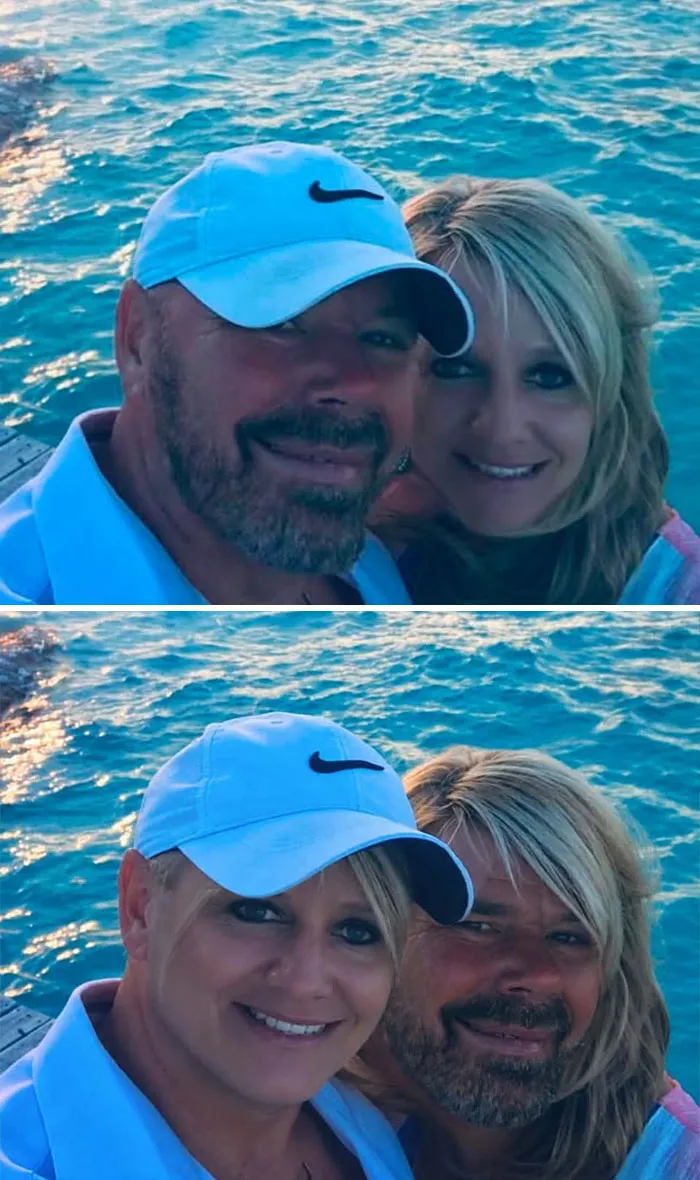
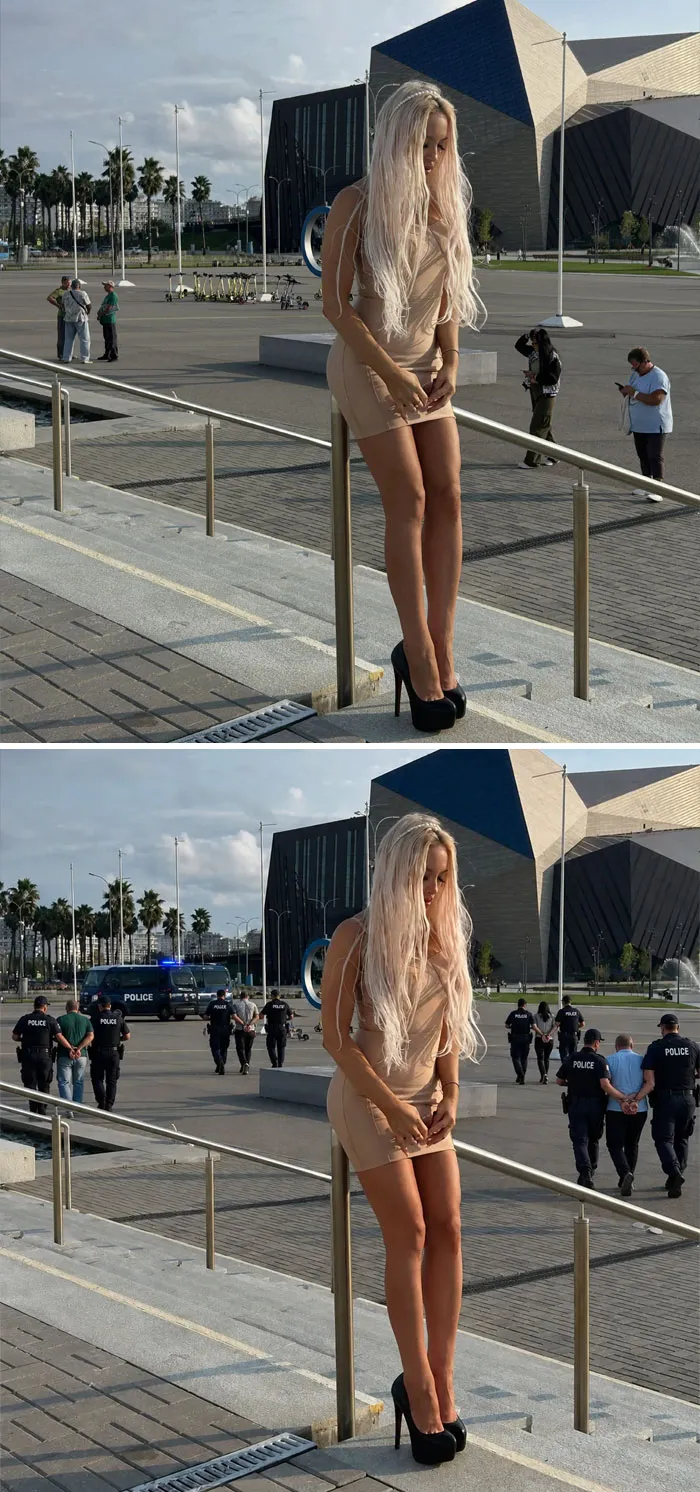
#17 For God's Sake, Do Something Funny With This Photo And I'll Send It To My Mom!
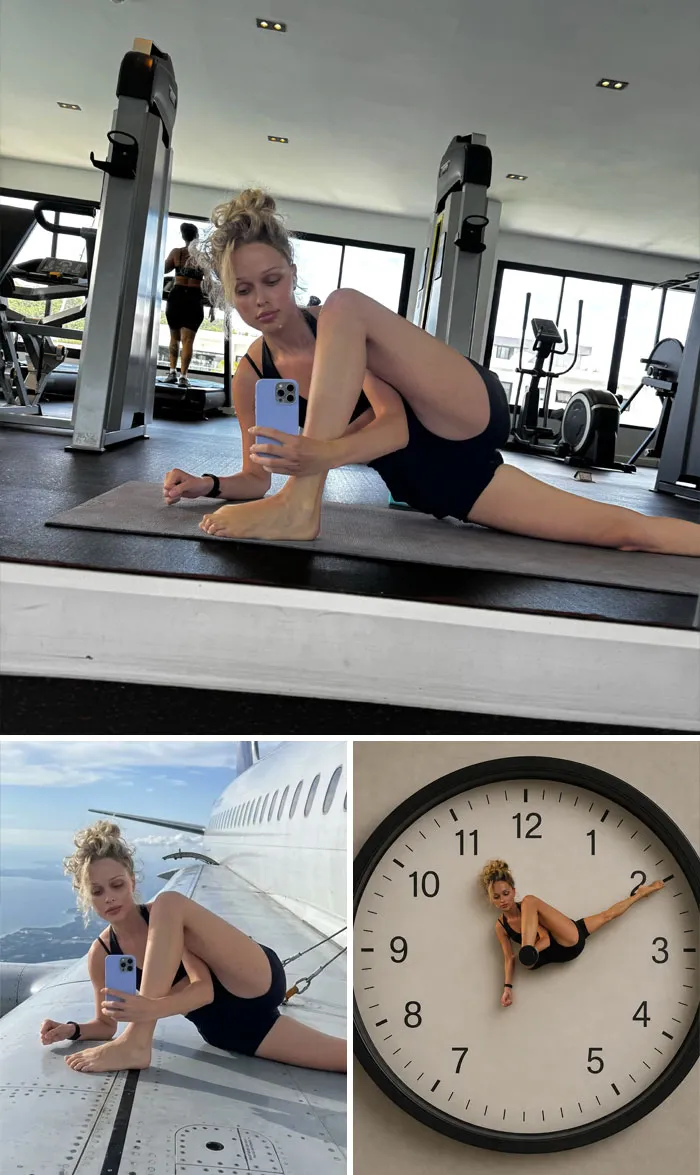
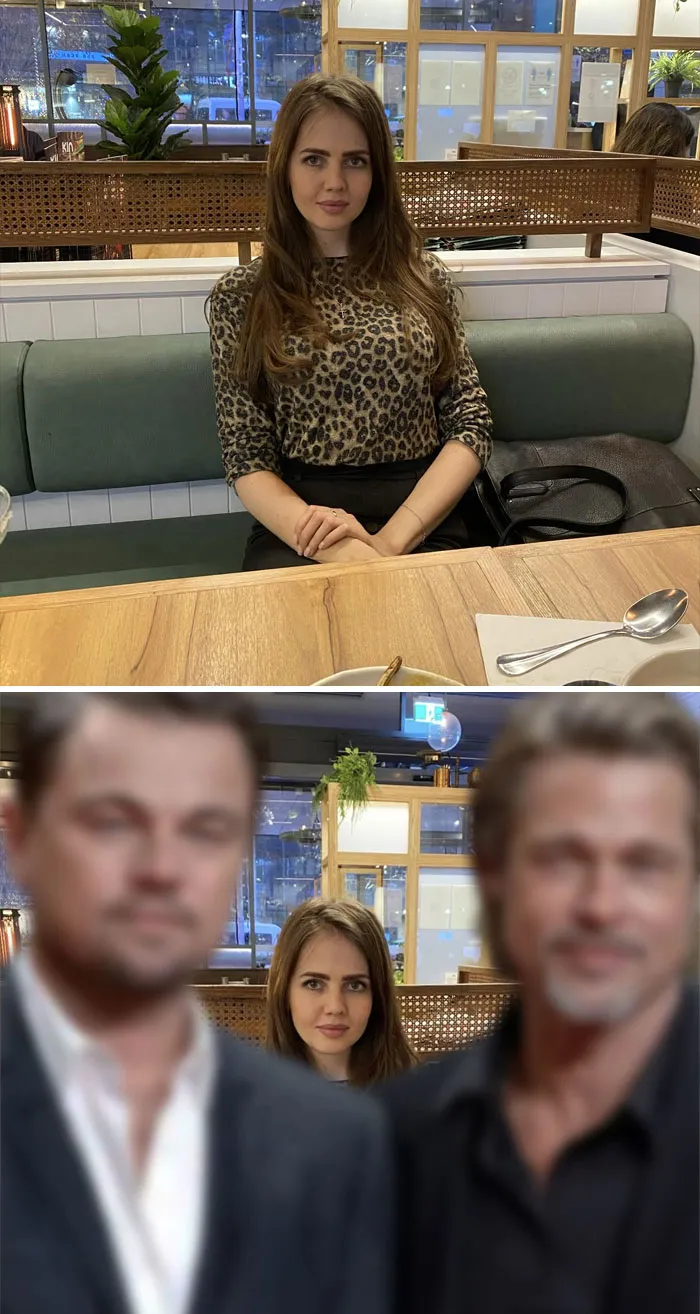
That freedom also removes some of the social filters that normally shape creative work. A request with precise instructions might tell an editor exactly what to change and, just as importantly, what not to touch. A vague request leaves those decisions in the editor's hands. Someone might interpret the opportunity as permission to experiment, exaggerate a detail, introduce an unusual visual idea, or take the request in a direction that was never intended.
For a person simply hoping to have a photo cleaned up, the difference between "make this look better" and a detailed editing brief can therefore be surprisingly large. The fewer expectations supplied by the person making the request, the more freedom the person behind the editing tools has to impose their own interpretation.