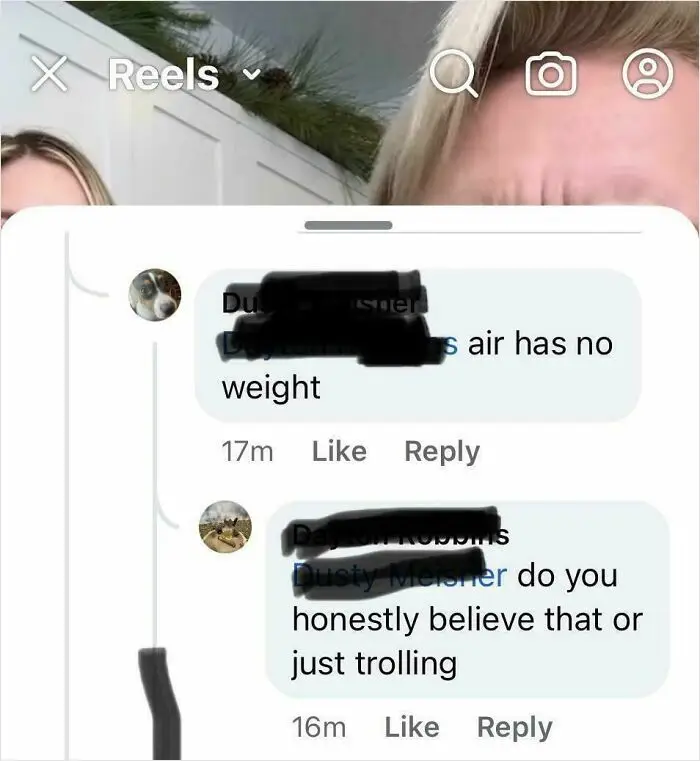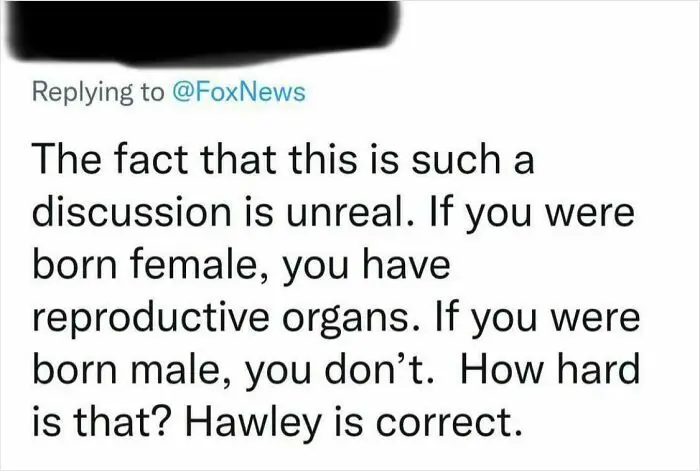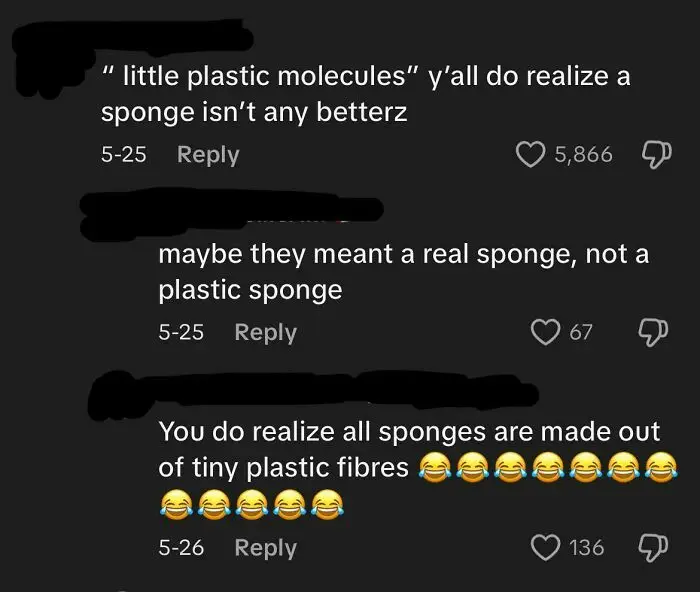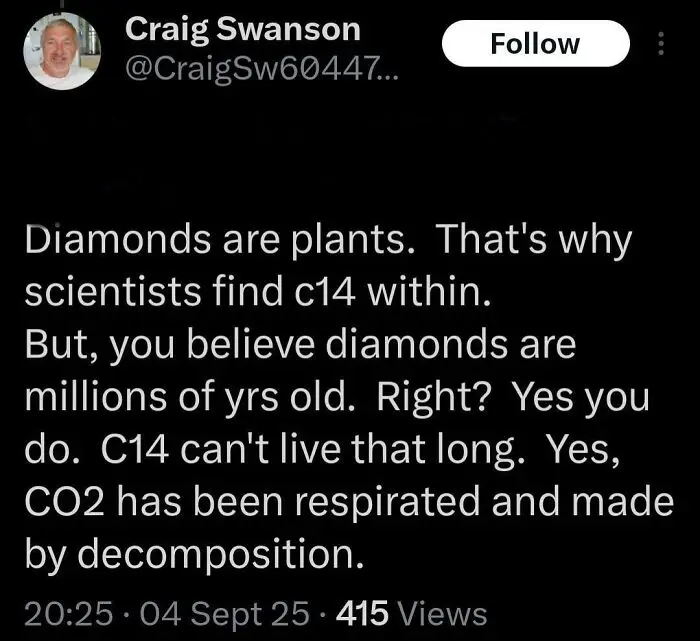




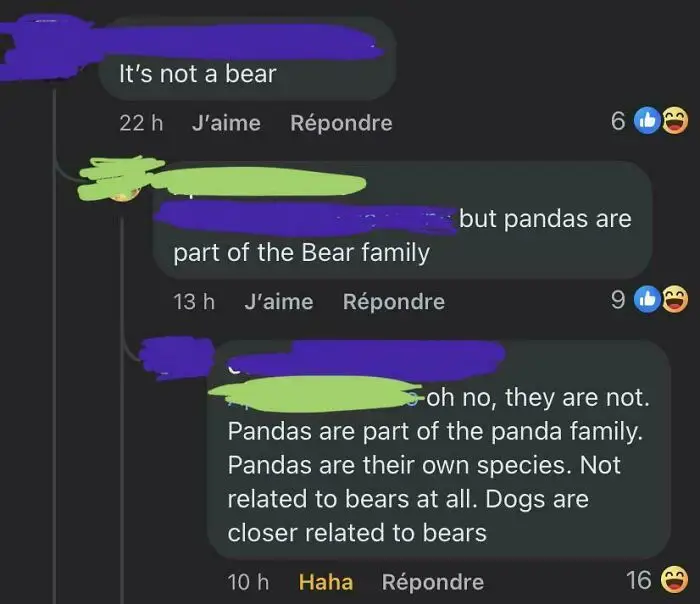
Science and fact deniers tend to cherry-pick their evidence, rely on fake experts, believe in conspiracy theories, engage in illogical reasoning, and insist on perfectionist arguments from the people they’re debating with.
In other words, these skeptics demand proof with 100% certainty, or they’ll dismiss a theory as not credible.
Science skeptics tend to rely heavily on confirmation bias, where they seek out information that confirms their beliefs and ignore evidence that contradicts them.
What’s more, fact deniers and conspiracy theorists are big on attacking the character and motives of experts to undermine the credibility of the evidence. They dismiss the expertise of scientists by attacking them personally.
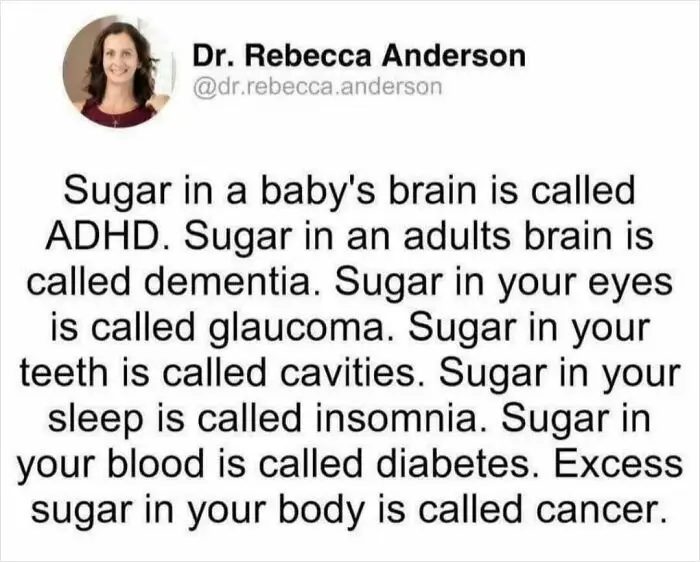
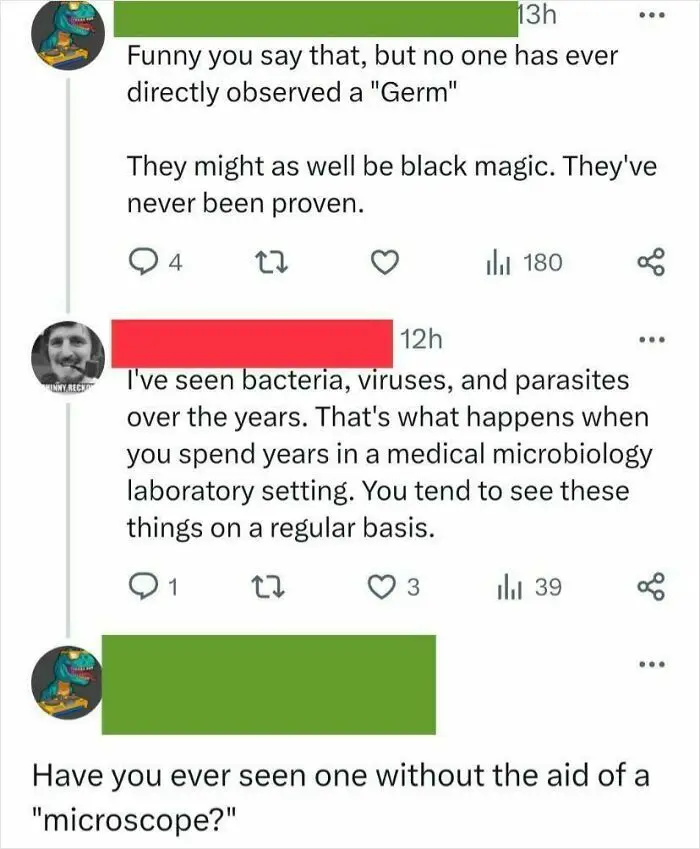

Hardcore skeptics also tend to believe in false dichotomies. In a nutshell, they present situations as either-or choices. They believe that by ‘proving’ one possibility wrong, they automatically ‘prove’ their beliefs to be true. However, they ignore nuances and the fact that there are more than two possible options.
Moreover, conspiracy theorists are fans of making strawman arguments, where they distort their opponents’ positions, making it easier for them to argue against them.

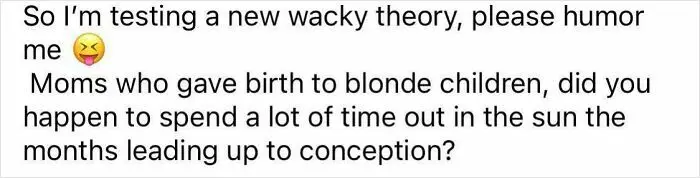

“In debates around evolution, denialists often mischaracterize the theory by claiming that it states ‘humans evolved from monkeys.’ This ignores the actual scientific understanding that humans and monkeys share a common ancestor but evolved along separate evolutionary paths,” Forbes explains.
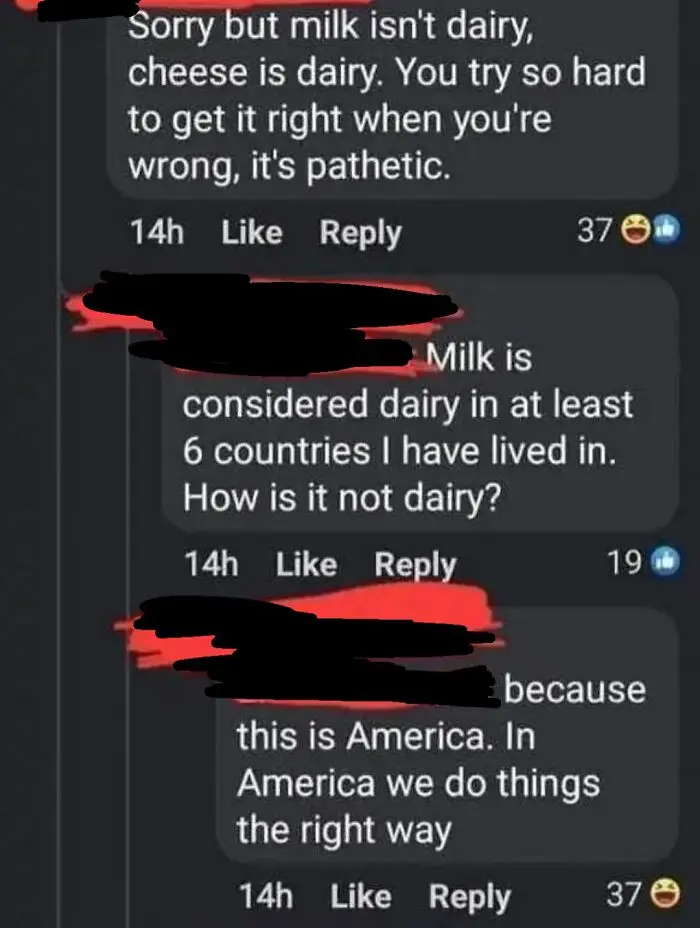
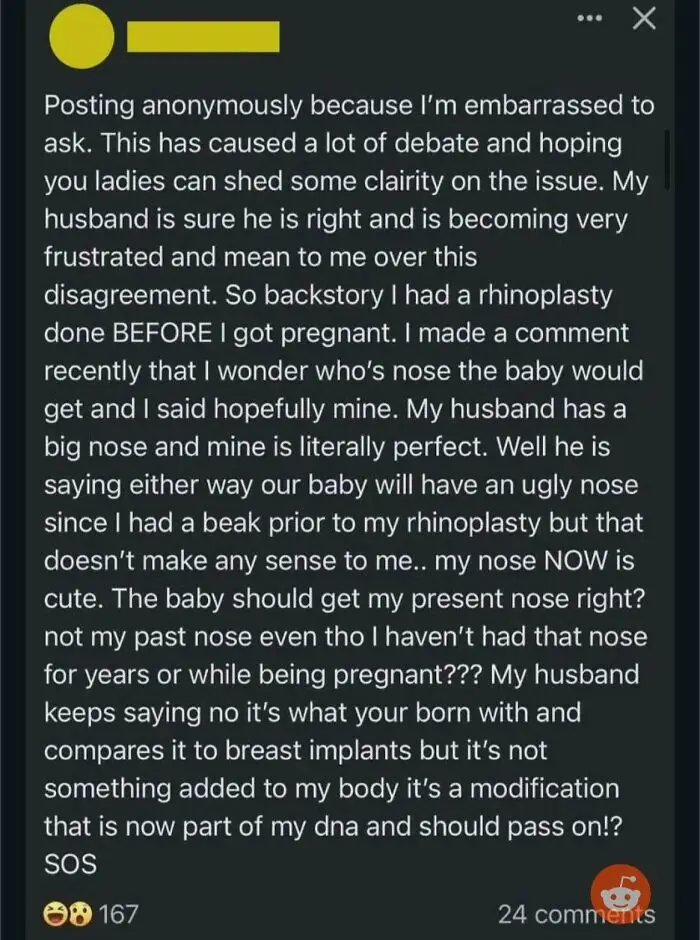
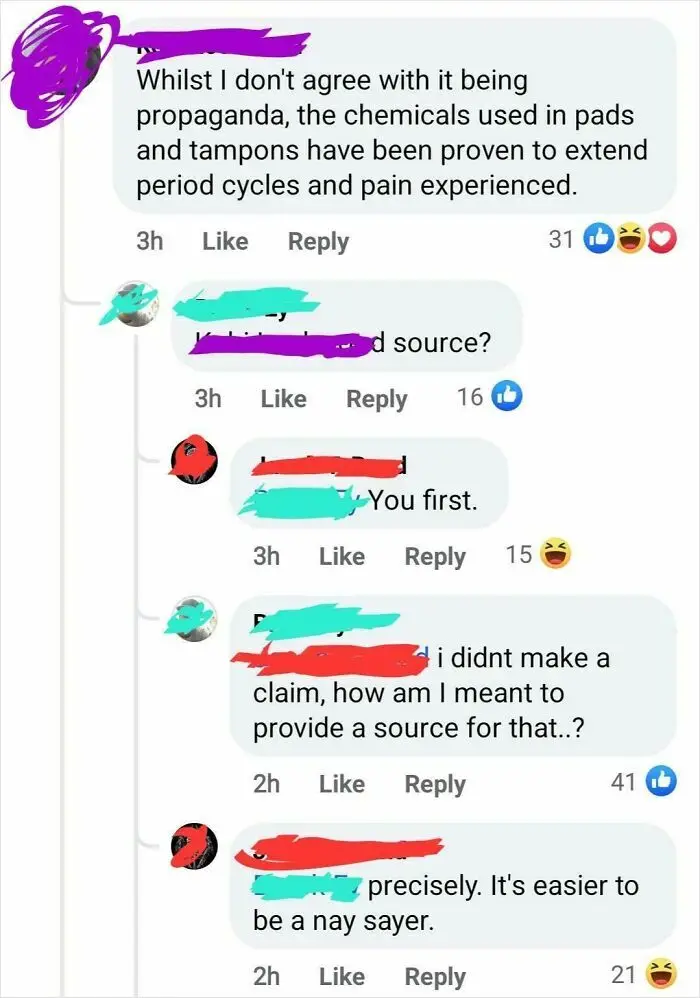
What do you think, Pandas? What are some of the most bizarre, dumbest, or most dangerous conspiracy theories and fake science facts that you’ve seen being shared on social media?
Do you tend to ignore science deniers online, or do you directly engage with them and their misinformation? Have you ever successfully changed a science denier’s mind? If so, how? Tell us what you think in the comments.
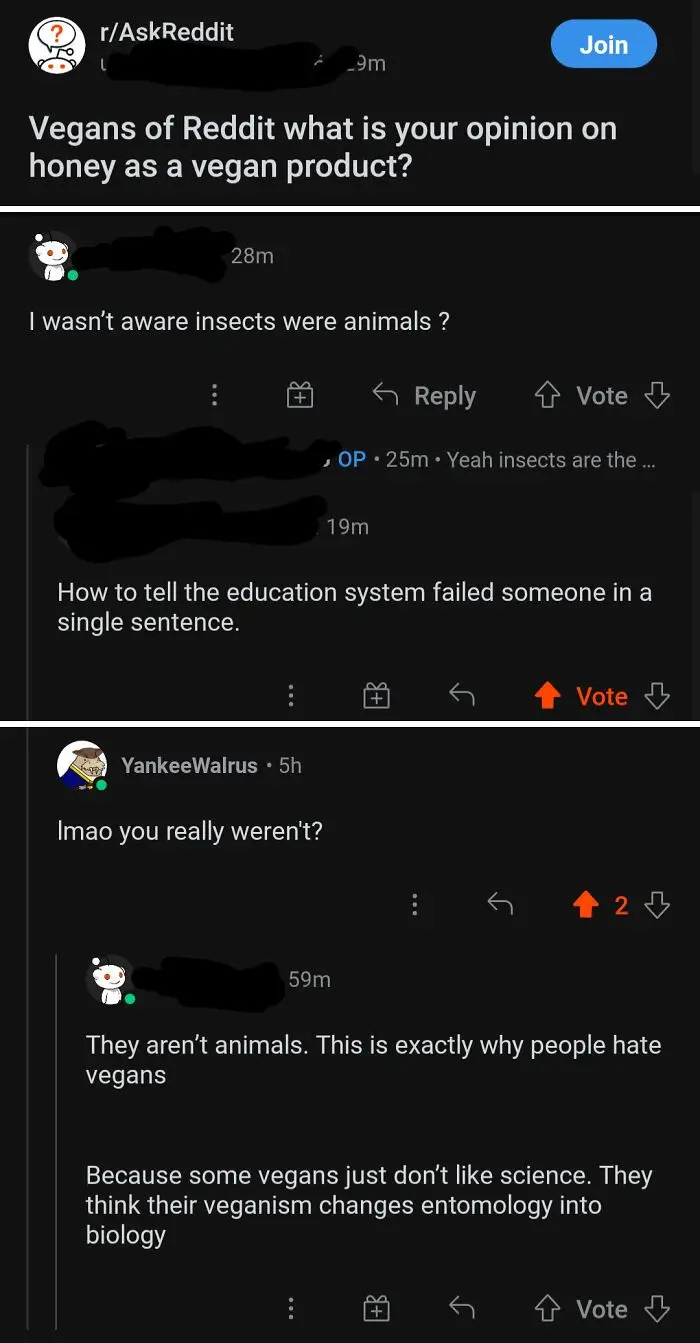
#34 Over A Century Of Aeronautics Has Just Been Rewritten By A Single Visionary