


This post may include affiliate links.

For certain professions, the consequences of lying can be even more serious. Some qualifications and credentials are tied to licensing, public safety, or legal requirements, meaning falsely claiming that you have the necessary training or certification can go far beyond losing a job. Depending on the circumstances and jurisdiction, deliberately falsifying qualifications or documents can potentially lead to disciplinary action, professional sanctions, fines, or even criminal charges. It’s a pretty steep price to pay for something that may have started with a few extra words on a resume.
#22

#23

#24

Ultimately, lying on a resume can come back to haunt you long after the application process is over. A single dishonest claim can cost you references, damage your reputation, and even follow you through a relatively small or specialized industry where people tend to know one another. In the digital age, it can be surprisingly difficult to make a professional lie disappear once others discover it. What might seem like a tiny exaggeration at the time can end up having consequences that last much longer than expected.
#25
#26
#27

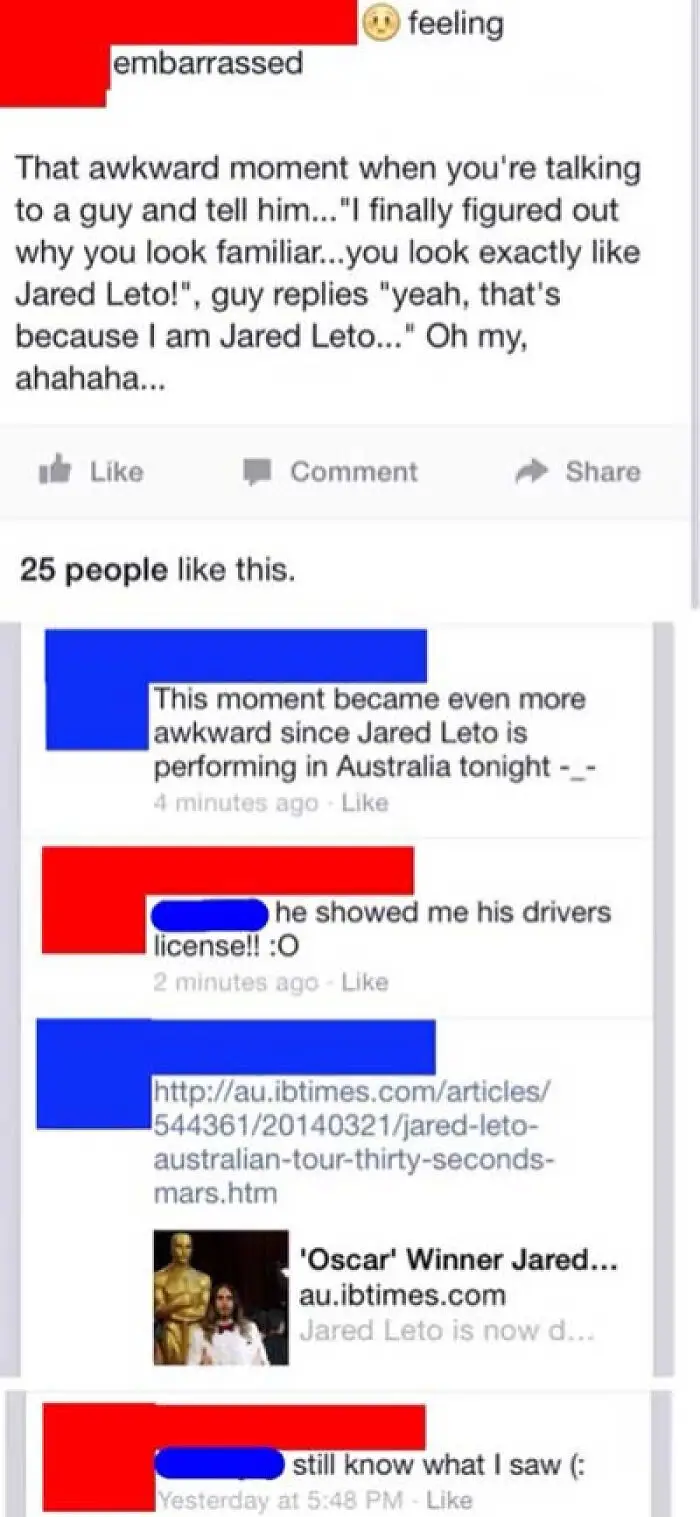
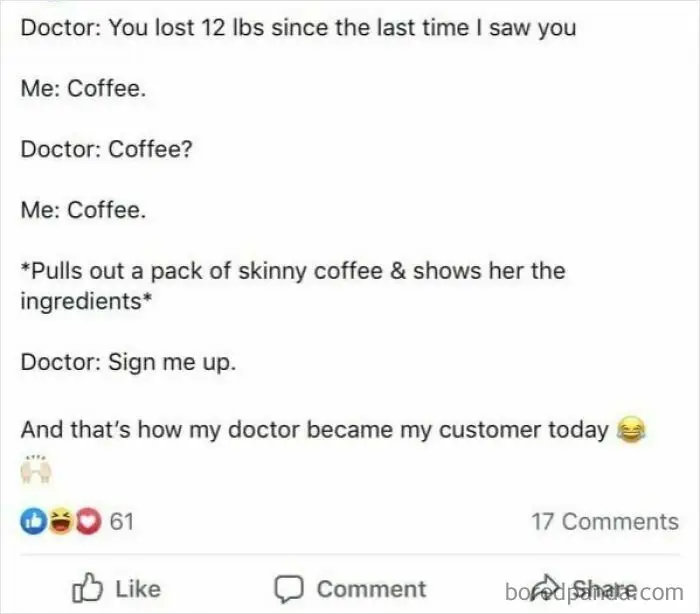
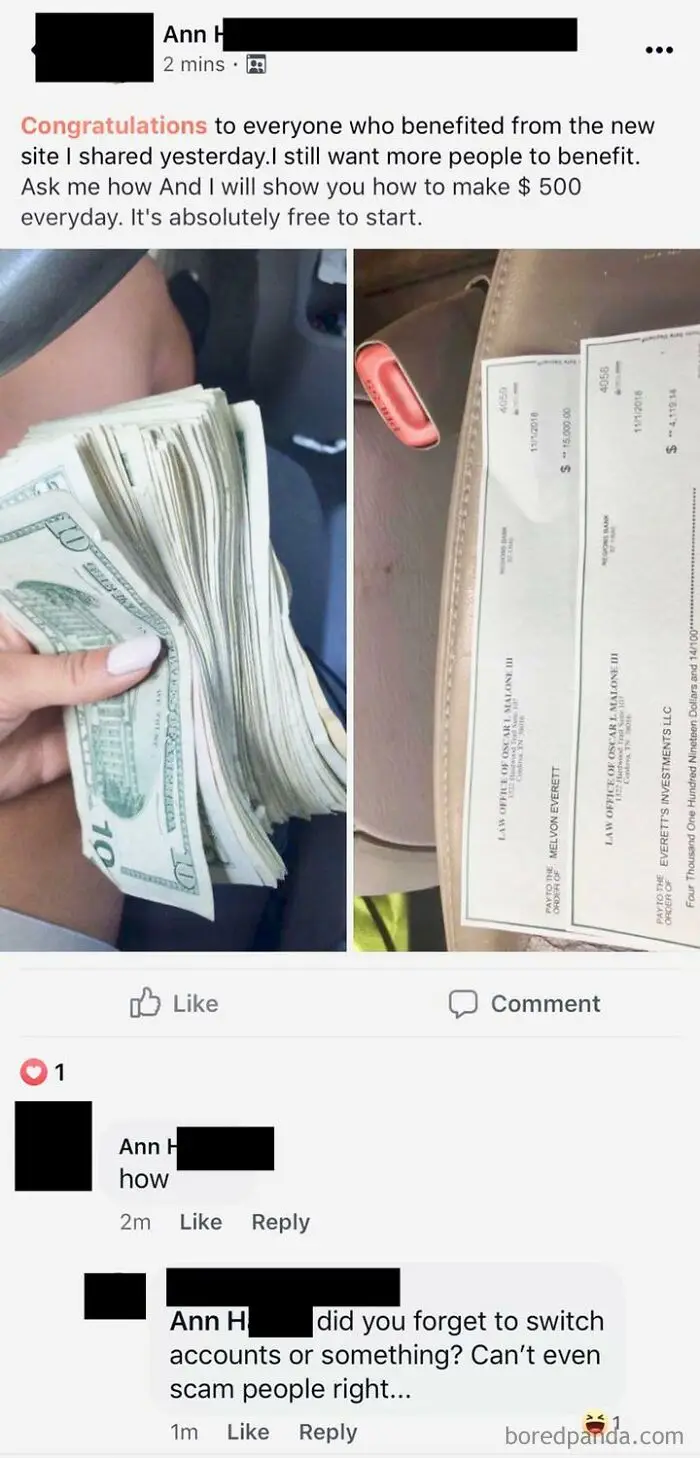
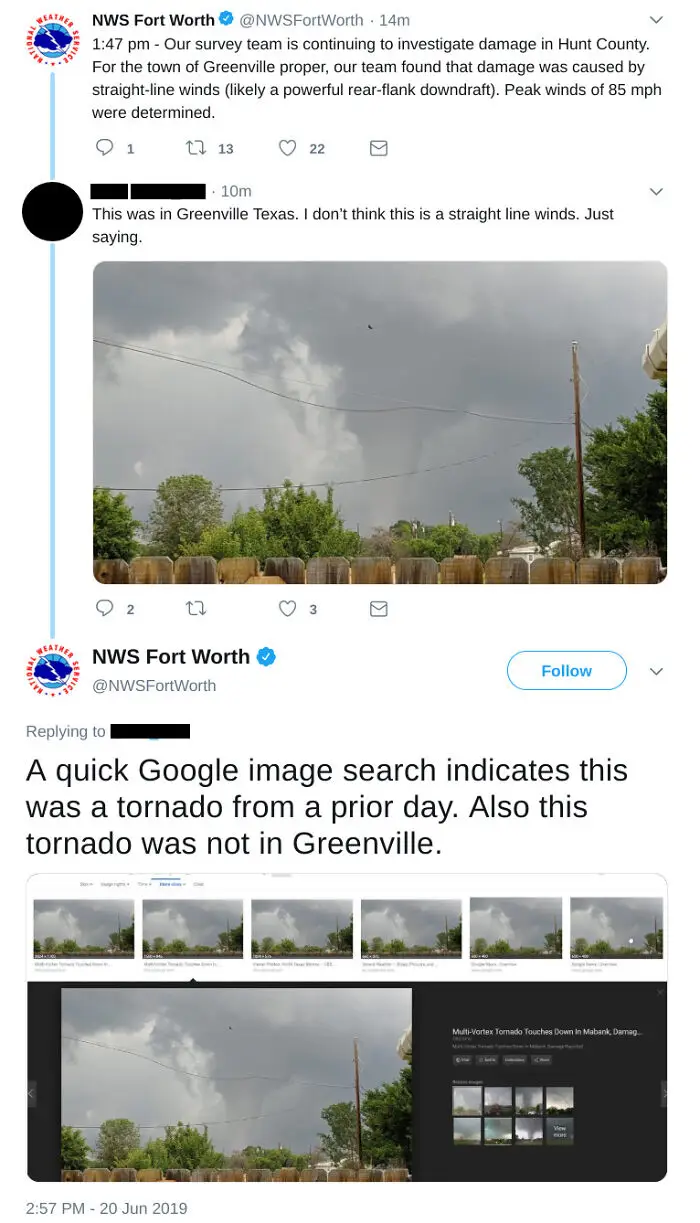
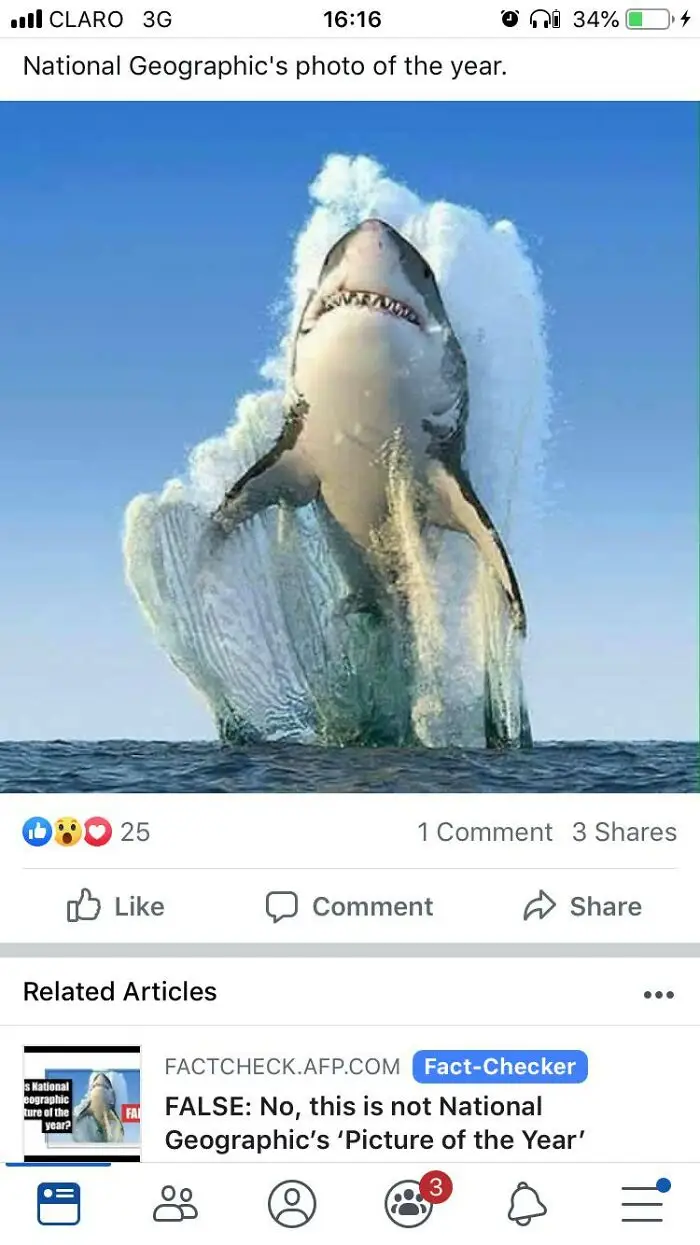
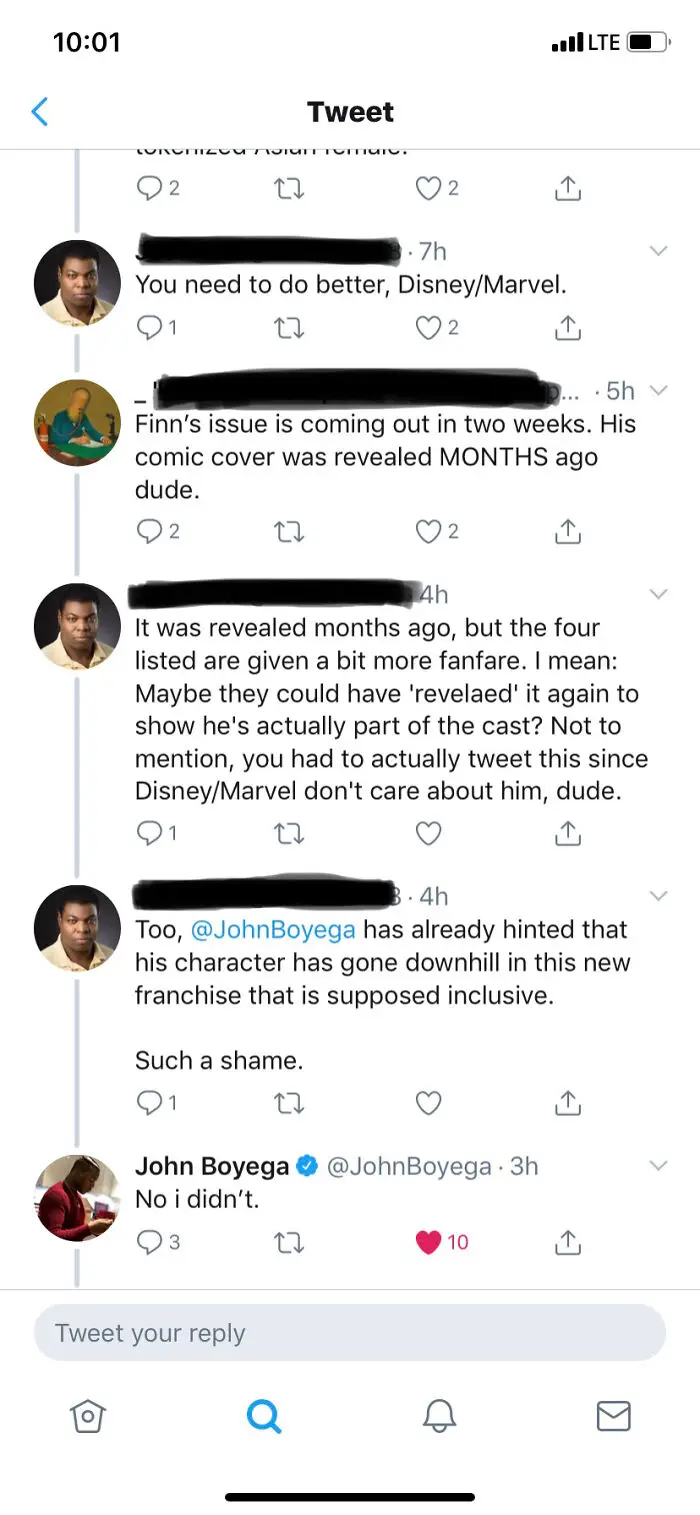
The same idea applies outside the workplace, too. That brings us back to today’s posts. While these people weren’t trying to land their dream jobs, their online lies were certainly no less ambitious—and, in some cases, they were so poorly executed that spotting the truth was almost laughably easy. Social media gives people plenty of opportunities to create a carefully edited version of reality, but it also gives everyone else plenty of opportunities to notice when something doesn’t quite add up. Keep scrolling, Pandas, to see the lies that went online and didn’t stay hidden for very long.
#28

#29
#30

#31

#32

#33

#34

#35
#36

#37

#38
#39