



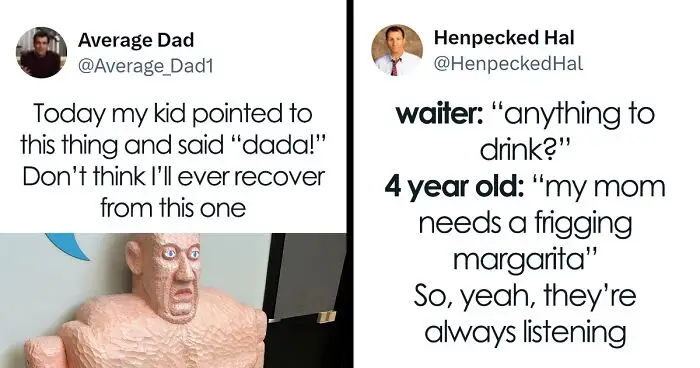




When considering if 'sharenting' might be inappropriate, there are two sides of the spectrum to consider. On one side, there's the kind of content where parents might do illegal, dangerous, or criminal activities. According to Plunkett, some parenting influencers are guilty of this.


But on the other of the oversharing spectrum, there are the parents who might be providing very much-needed support to other parents. Like a mom who might share content related to her child with a rare genetic disorder.
Plunkett says that while "creating spaces to find and share medical and mental health resources" is an upside to 'sharenting,' parents still need to be mindful of kids' privacy.


Another reason to share as little about children on social media as possible is to let kids forge their own digital identities. Verywell Mind writes that children (especially adolescents) are still creating their identities, and what they present about themselves online plays a huge role in their formation.


That's not to say that parents shouldn't share anything about their kids online at all. True, there are some general don'ts, like always thinking before posting and never posting revealing, negative, or critical information. Respecting your child's privacy means either posting anonymously, asking them permission, or never using your child's full name.
