




Because nostalgia focuses so much on memories of how things used to be, both real and imagined, it’s important to keep track of what is a cherished memory and what is a specific, focused-tested set of concepts put together to evoke a specific memory. As cynical as it might seem, politicians, movements and advertisers are all wise to the idea of nostalgia as a method to manipulate people.
The “return to the good, old days” is a common promise for many politicians, and many products will try to associate themselves with potential consumers’ childhoods. Little reminders of childhood do often come with a comforting wave of emotions, just make sure that you don’t let people hijack it to sell you anything.
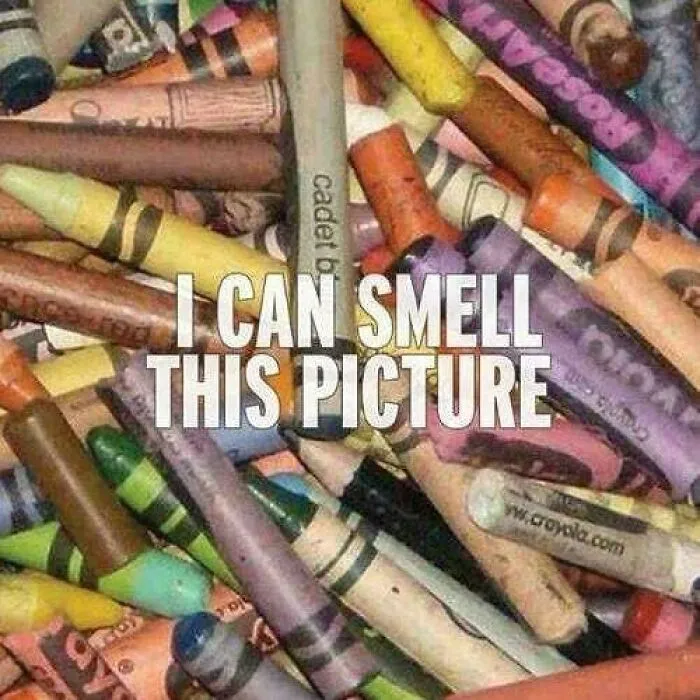

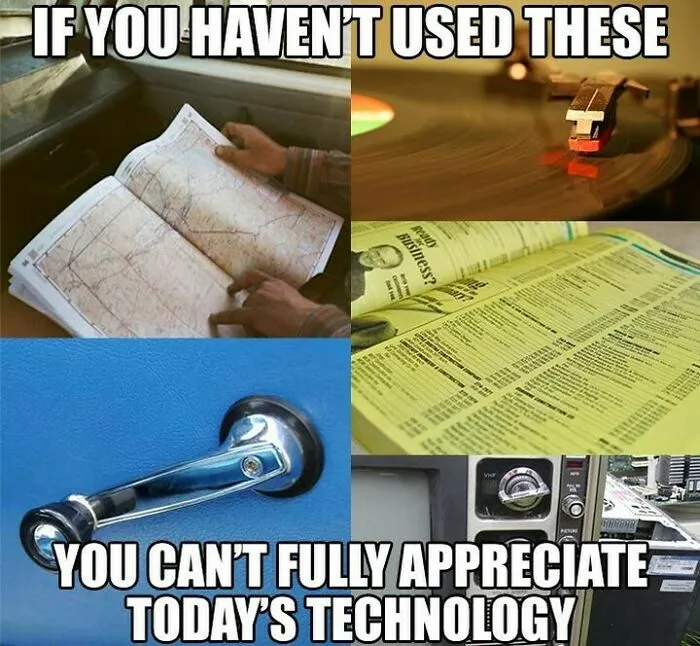
That being said, it is a real and verifiable fact that nostalgia can provide a good amount of comfort through times of sadness and uncertainty. Psychologists believe that in certain “doses,” it’s actually pretty important to our mental health. Think of it this way, when current circumstances don’t provide joy, your brain has this nifty little ability to just reach into the past and scoop up things that made you happy before. There might be diminishing returns, but hey, it’s a start.
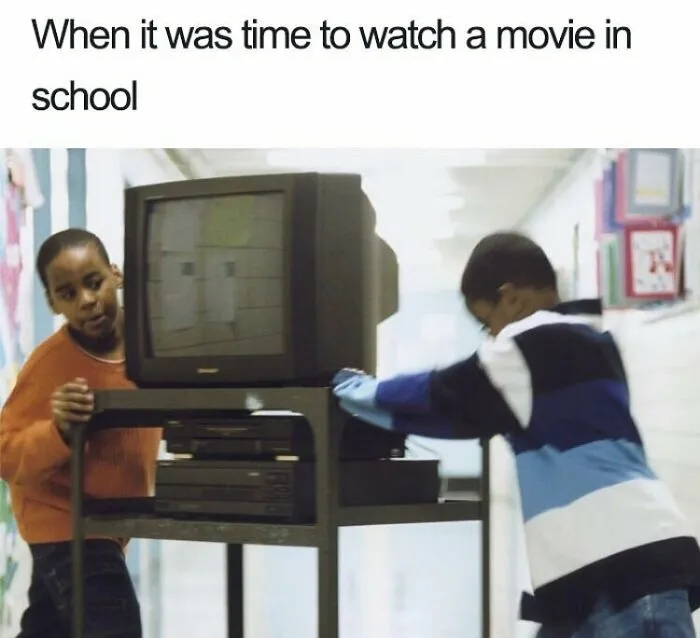
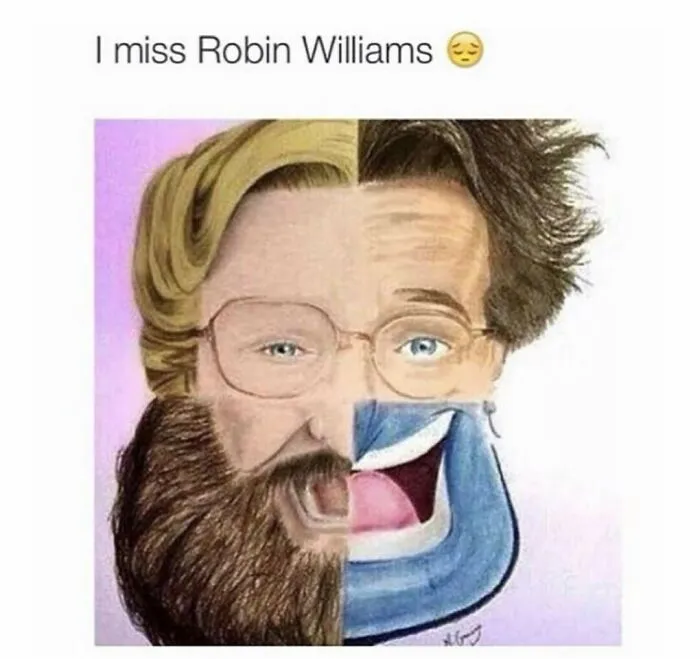

To maintain the metaphor of nostalgia-as-medication, it is possible to “take” too much. After all, if you feel the past was too good, you might end up longing just to return instead of focusing on the present. The Germans, as always, have a term for this, called “Sehnsucht,” which you can now use as a complicated and pretentious way to talk about longing, desire, yearning, and craving.
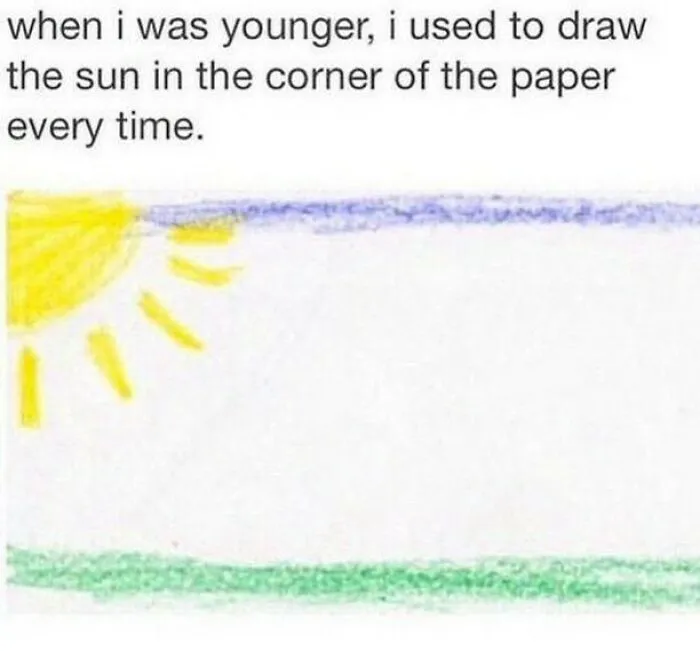
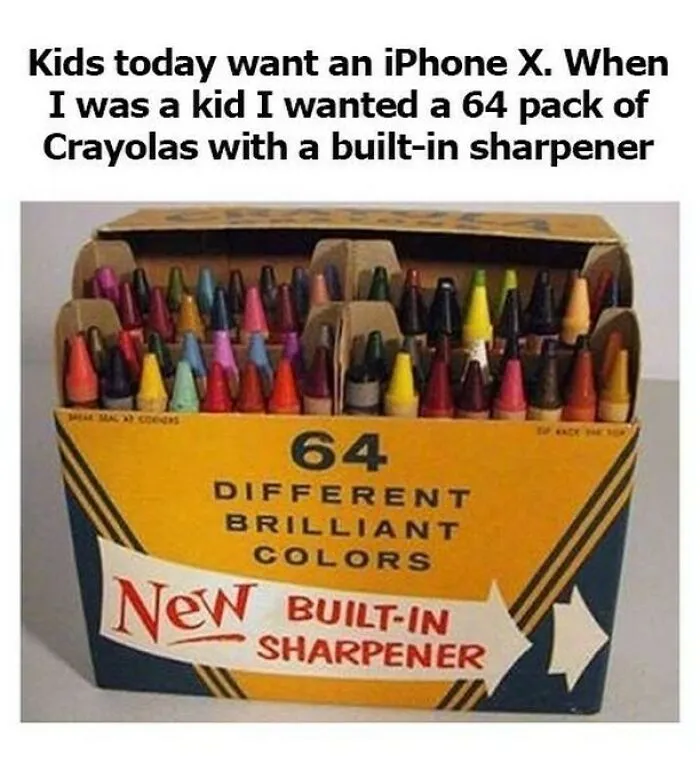
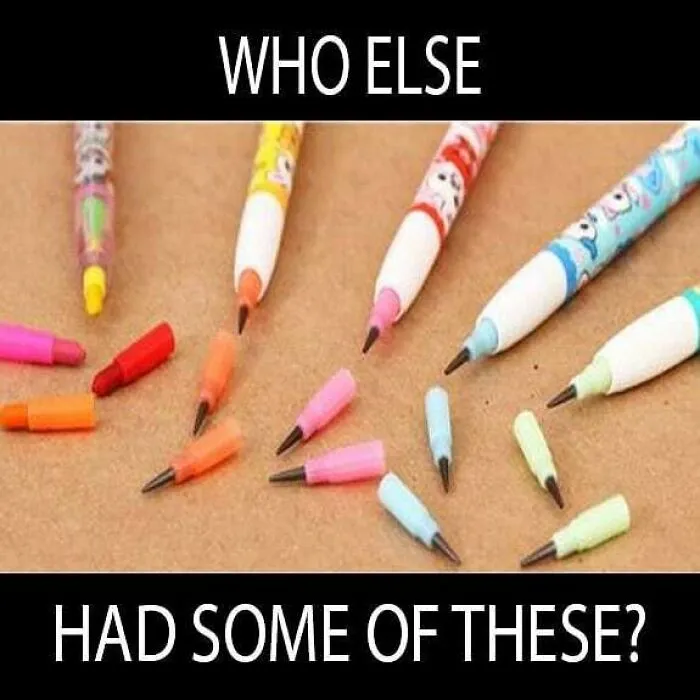
The origin of “Sehnsucht” (capitalized because the Germans capitalize every noun) is “suffering,” which is ultimately what someone would probably feel if they have trapped themselves in the thought that things will never be as good as they used to be. However, some psychologists believe that over time, this emotion can help a person start to develop and plan out the steps to actually improve things.

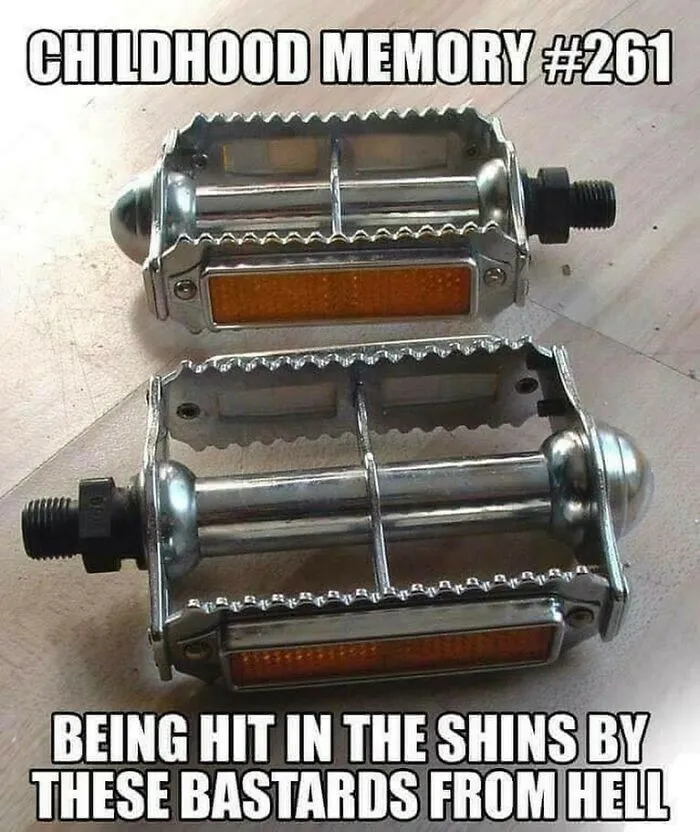
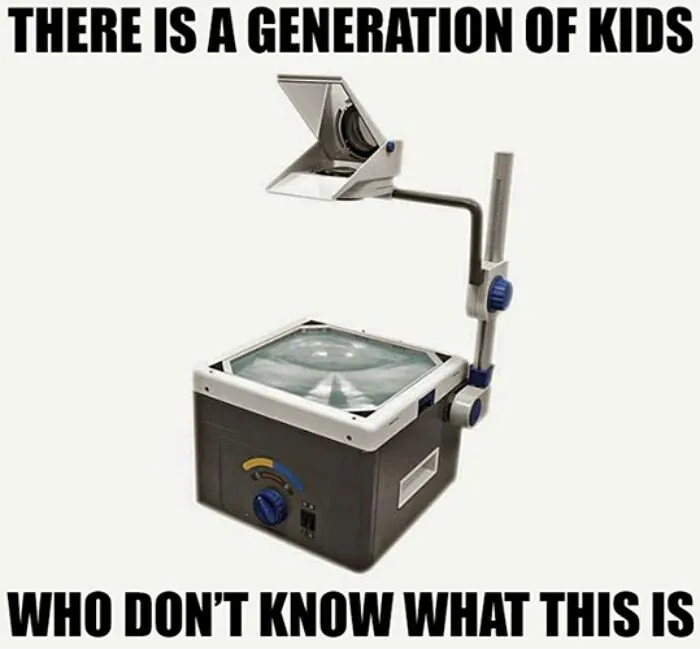
Once you realize the potential of tapping into the past to draft people’s emotions, you might start to see how it’s used everywhere. You might notice that the Instagram logo is, in fact, a drawing of a Polaroid, despite the fact that 99% of the userbase are probably using a smartphone. But somehow, an old camera seems more special and emotional than the many, smaller and often more powerful cameras we carry in our pockets every day.

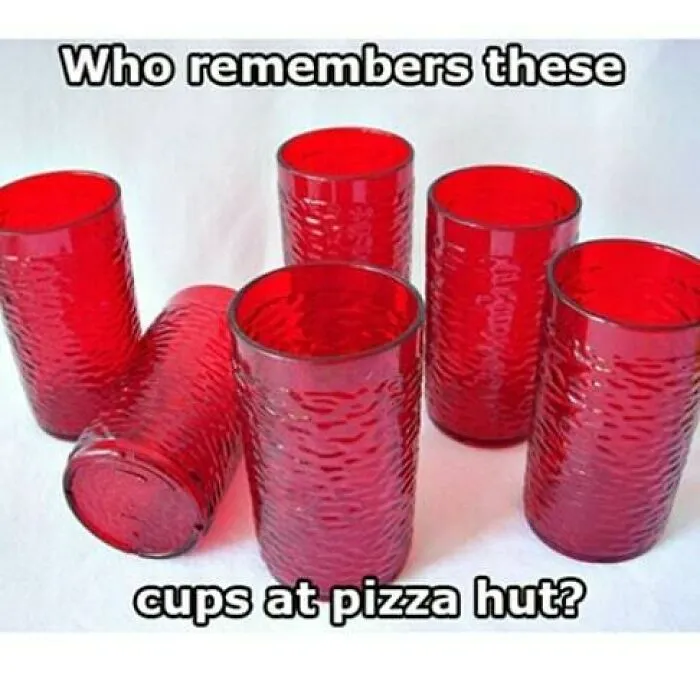

And speaking of social media, you have probably seen how, for example, Meta products like Facebook and the aforementioned Instagram have “memory” functions that will randomly show you images from the past, normally on their one-year anniversary. This could of course be a bit misguided, as many people have documented randomly getting images from an illness or a breakup a year ago.