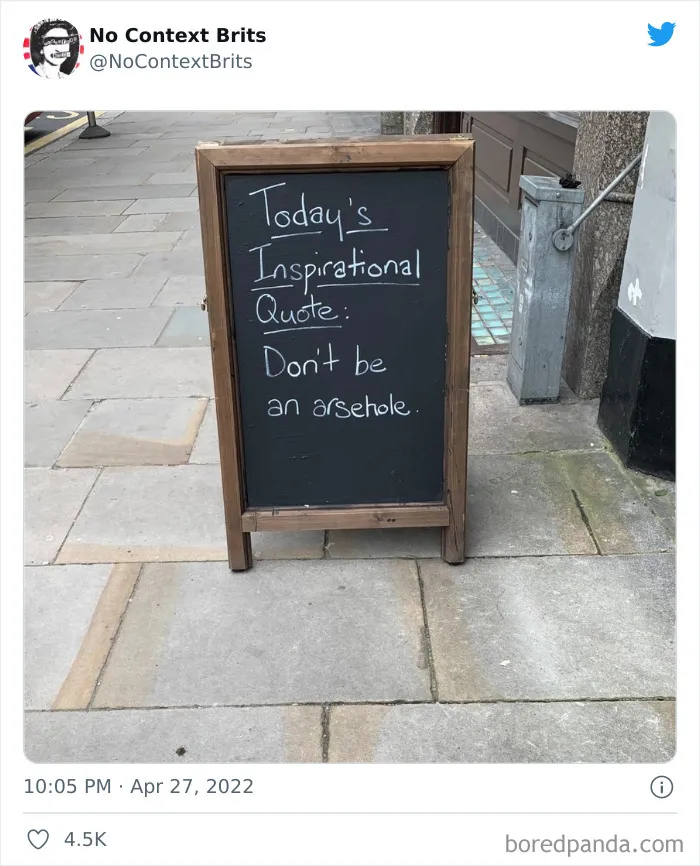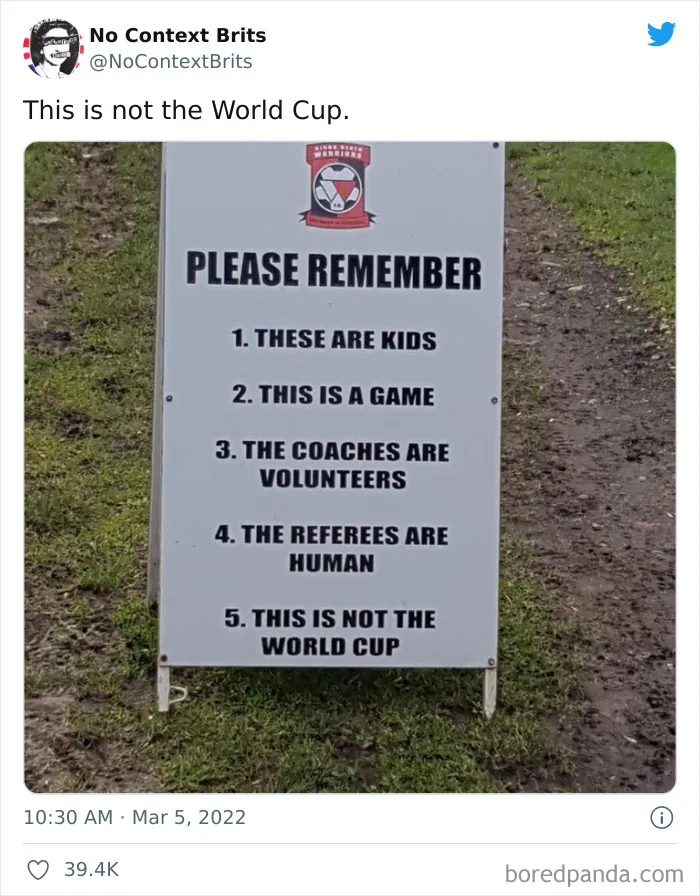






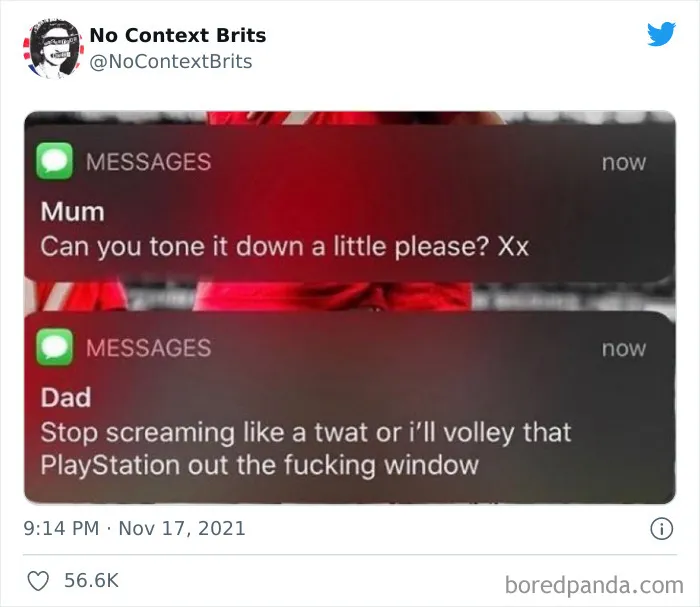
In Britain, embarrassing moments, awkward encounters and clumsiness are all considered funny, contrary to many other places in the world. But the real challenging part of British humor, especially for foreigners, is to actually tell whether they are joking or being serious.
In this piece for TIME, the legendary English comedian Ricky Gervais tried to distinguish the key differences between American and British humor. According to Gervais, Americans do not hide their hopes and fears and they applaud ambition and openly reward success. The British, on the contrary, embrace the underdog, Gervais argues.


Gervais explained: “Americans say, ‘have a nice day’ whether they mean it or not. Brits are terrified to say this.” It’s because Brits don’t want to celebrate anything too soon, Gervais writes. “Failure and disappointment lurk around every corner. This is due to our upbringing. Americans are brought up to believe they can be the next president of the United States. Brits are told, ‘It won’t happen for you.’”


Although any generalization should be taken carefully, an Anglo-American writer, Paul Goodman, argues similarly to Gervais. “The American philosophy and approach to life tend to be optimistic: life is an opportunity and we should enjoy it.” Meanwhile, “Brits are more likely to see life as a bit of an ordeal, tinged with absurdity, and sometimes you just have to just grin and bear it,” he explains.



The quintessential part of British humor is irony and sarcasm, which are commonly used by Brits who rarely say anything literally. In fact, very often, they say one thing and mean completely different, and this is especially prominent in humor. This can cause great confusion to visitors, as Brits ironically mock their enemies, playfight with friends or point out the absurdities of daily life.

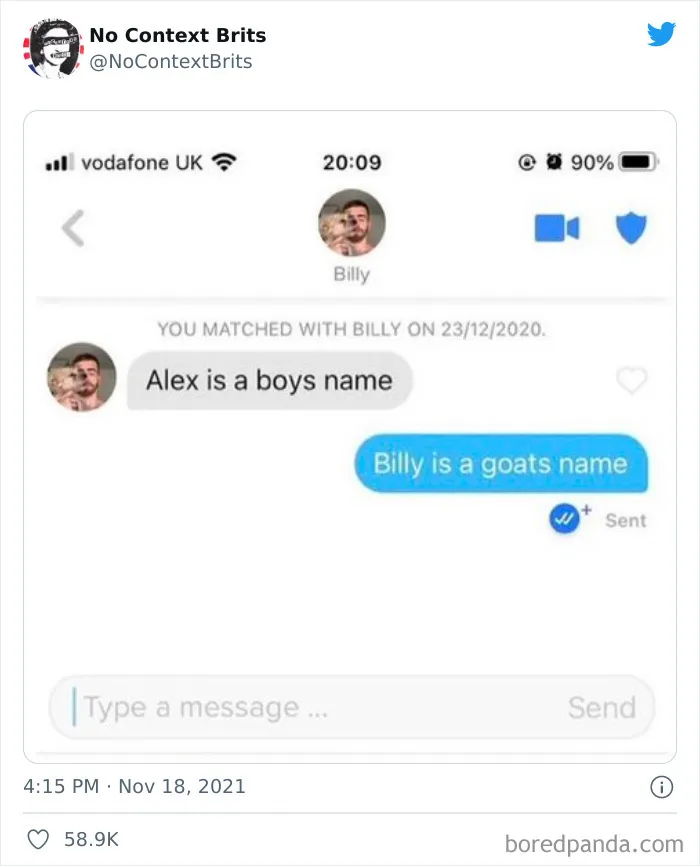
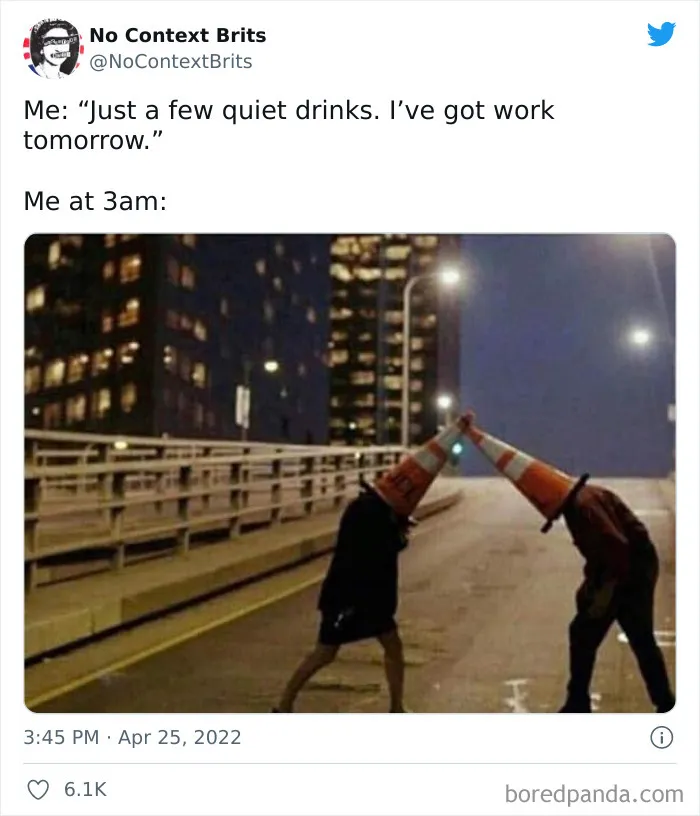
Goodman argues that the confusion may also arise due to the fact that Brits often say ironic jokes with a straight face. “To avoid being misunderstood, most Americans will either deliver irony with a smile on their face, or 'signpost' it, adding a phrase such as 'only joking' afterward. Brits don’t usually do that.”
Puns and wordplay are also very prominent in British humor. “There’s a more intense and playful relationship with the language,” according to Goodman. “It’s seen in other ways, too, not just with humor, examples being cryptic crosswords and word-orientated game shows,” he adds.
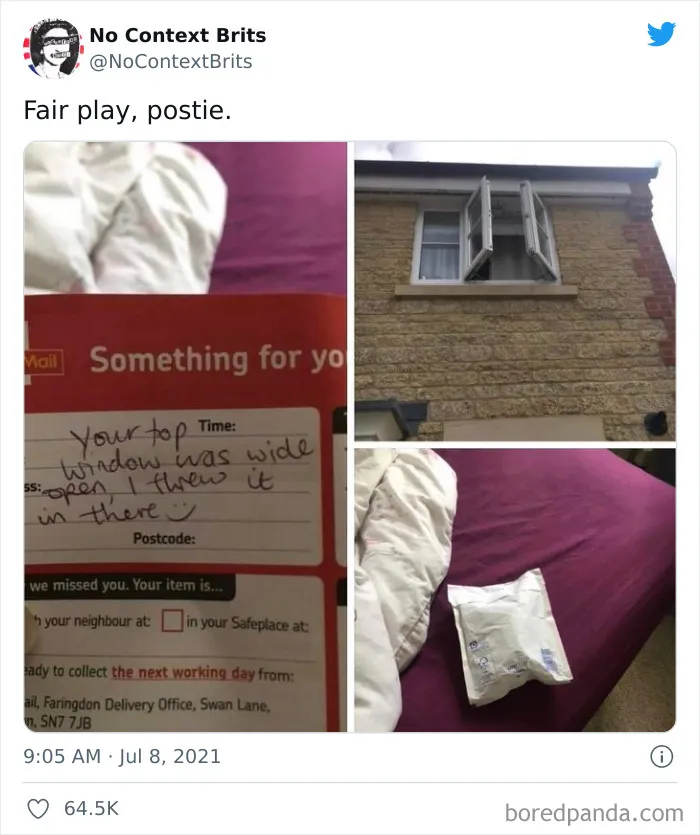

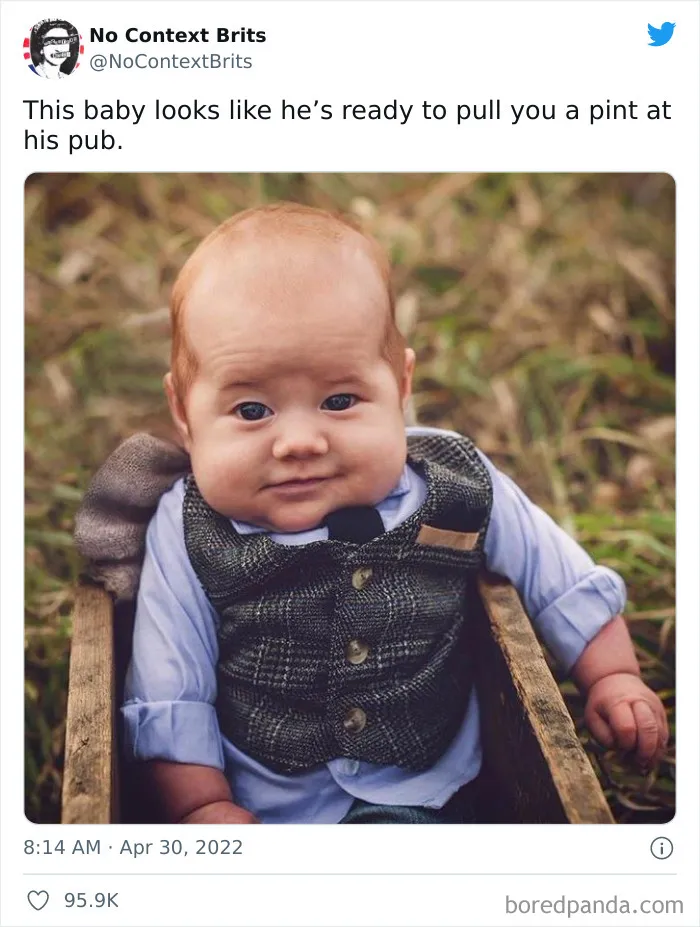
It’s important to highlight that essentially humor relies on culture and its people. What’s normal in one culture can seem very bizarre or even offensive to another. For this reason, we cannot ever fully translate humor. Some of the British comedy may be found very weird and not funny by Americans, while some mainstream American comedy can feel too obvious for Brits’ liking.