

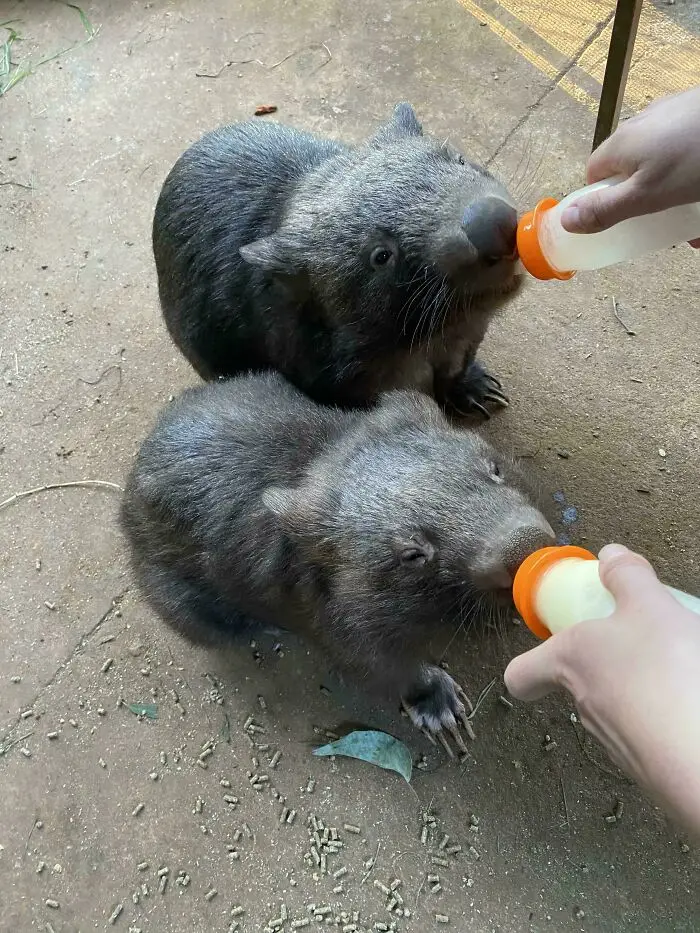
Back then, the language of the time was quite colorful and poetic, so it’s no surprise that many of the animal group names that remained are quite strange and humorous. Not to mention, people also jumped in on the fun and created their own collective names for animals in addition to the Berners’ ones, which resulted in more unusual names for animal groups.
The remaining collective nouns for animals are modern, but unfortunately, there are no official lists for them in the English language. The names for groups of animals were chosen because they’re commonly used, but they aren’t approved by anyone keeping records.
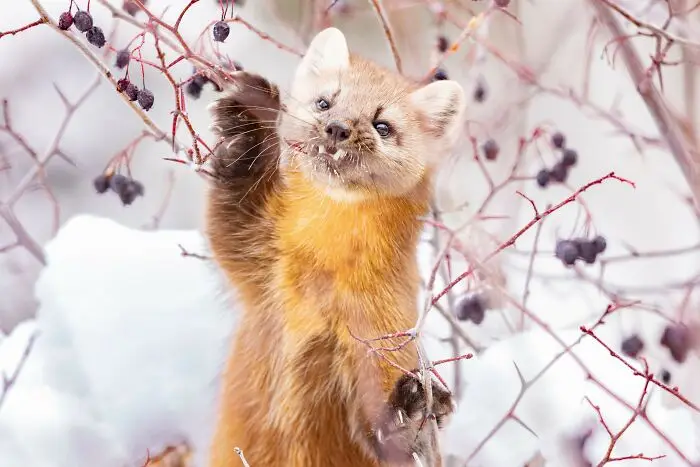

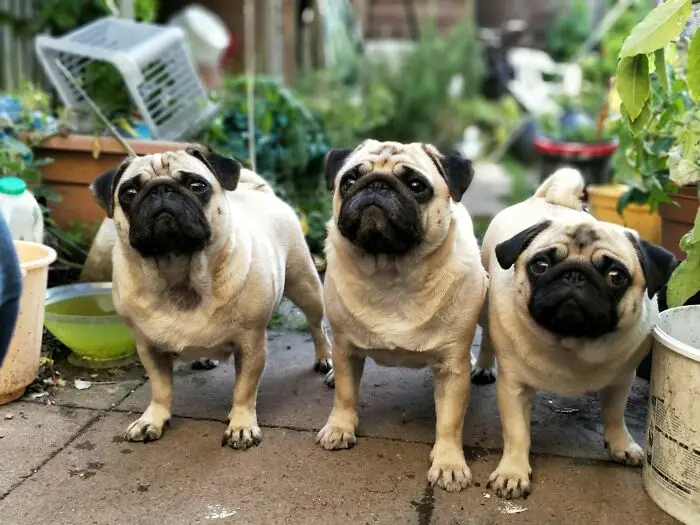
One collective noun that doesn’t really fit in with the rest is the parliament of owls. Owls are usually found alone or in pairs, but they’re not commonly seen in large groups. Parliament was occasionally used to refer to their perceived knowledge and wisdom, but what cemented it in place was Geoffrey Chaucer's 14th-century poem "The Parlement of Foules," which was then popularized by C.S. Lewis in his Chronicles of Narnia.
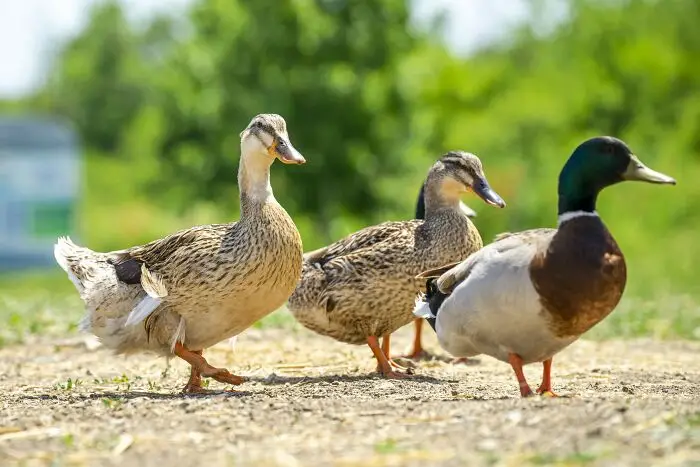
#26 Foxes
The parliament of owls also draws on ancient Greek mythology, in which an owl, Nyctimene, accompanies Athena, the goddess of wisdom and reason, to court. The bird’s influence extended to various aspects of ancient Greek society, too. It served as the symbol of Athens' cultural and intellectual nature. Their image was even punched into coins, showing how influential and respected the animal was and still is.