





If you ever thought that scientists are boring and have close to zero sense of humor, these funny animal names will prove you wrong.
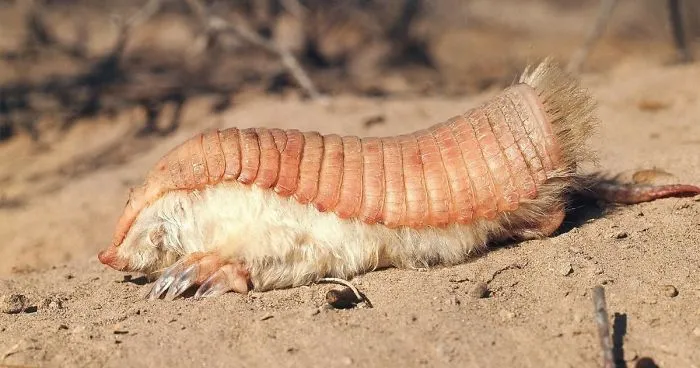
Whenever a new species is discovered, the honor of naming it goes to the person who has found it. If a scientist has quite a limited imagination, the species might be given a descriptive name, such as Little Hairy Armadillo for an armadillo, who's little and hairy. But if the said scientist is brimming with ideas, he might name the animal something like Scaptia Beyonceae, translated to human language as Beyonce Fly. Seriously. Beyonce has a species of a fly named after her. Or maybe a fish Bassozetus Robustus with a familiar name of Robust Assfish. Or how about a Mint-Sauce Worm? Well, sure, these are some pretty funny animals, but who has ever deserved to be named a Slippery Dick?
Still not convinced? Check our compilation of the funny animal names below - I bet even J.K.Rowling would bite her nails after seeing some of these weird animal names.
More of the weirdest animals here: Encyclopedia of Life
#21 Robust Assfish (Bassozetus Robustus)
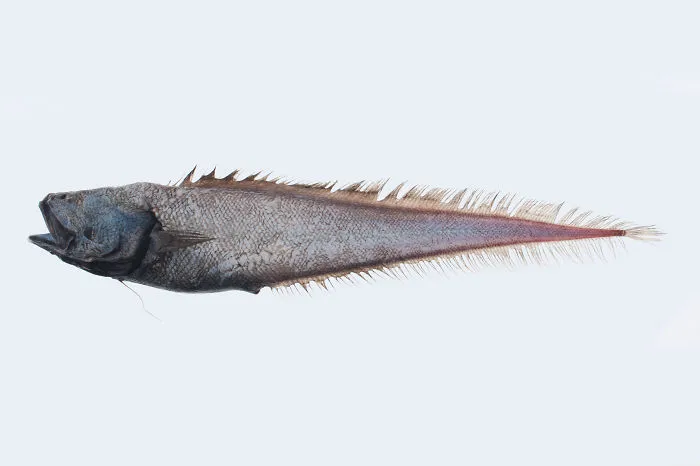
Robust Assfish is a type of a deep sea eel, slightly resembling a tadpole with its bulbous head and a tapering tail. And though the ass part of their name comes from a Greek word meaning donkey, it still gives a great opportunity to say ass without being scolded for it.
Report
28points
#22 Green Terror (Aequidens Rivulatus)
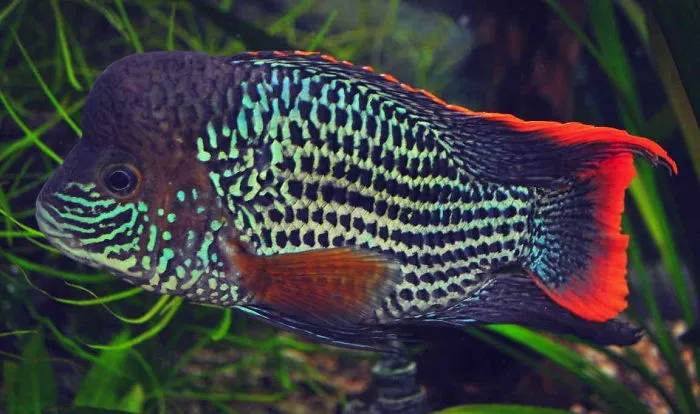
Native to South American waters, these medium-sized fishes are popular among aquarium fanatics because of their colorful looks. Alas, their name is not just a funny coincidence - the Terrors are actually highly aggressive and often kill or eat smaller fishes kept together in the same aquarium.
Report
28points
#23 Slightly Musical Conehead (Neoconocephalus Exiliscanorus)
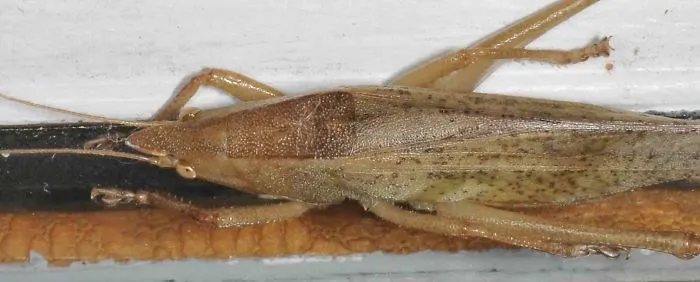
Slightly Musical Conehead is, you guessed it, a species of Coneheads. These bugs have the longest and most impressive head adornments of all of the Coneheads, making it special because of the black underside of the horn and a hook-like crevice beneath. Male Coneheads living in the same area always sing their song in unison, whereas males from different places buzz to their own tone.
Report
27points
#24 Willie Wagtail (Rhipidura Leucophrys)
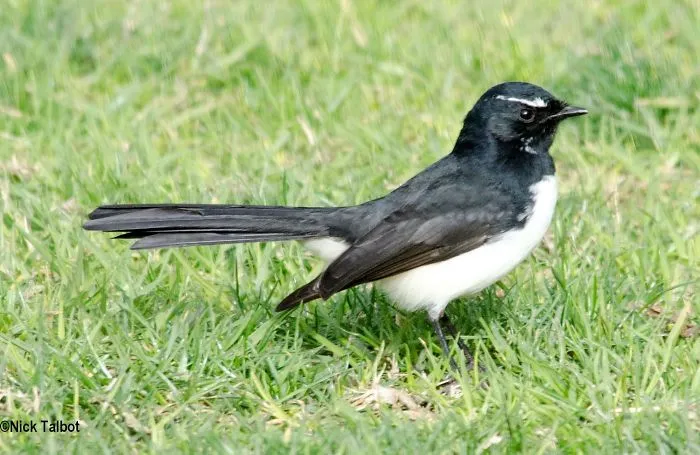
Willie Wagtails, most commonly met in Australia, are highly territorial, ferocious little birdies. Not only do they harass bigger birds who come near their nests, but also dogs, cats, snakes, and even humans, always avoiding the perpetrators head, attacking it from behind. As the name states, the Willies are seldom still, always wagging their tails.
Report
25points
#25 Pair Of Masked Boobies (Sula Dactylatra)
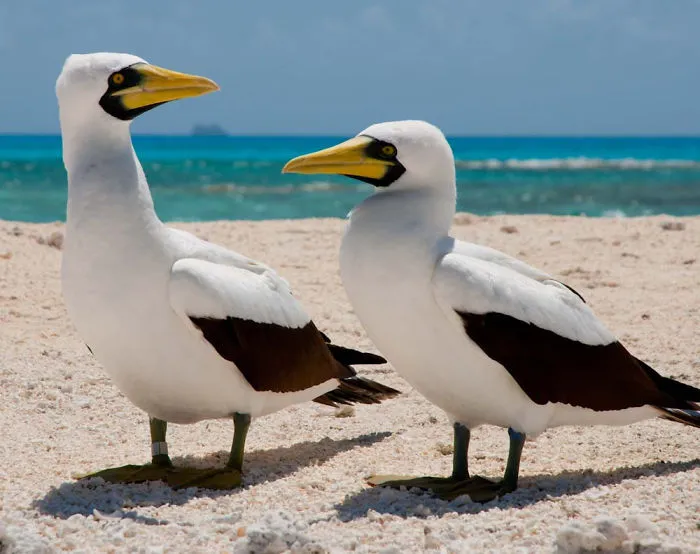
Nature is truly fascinating, and so is the breeding habits of Masked Boobies. These birds who often form monogamous relationships always lay two eggs, and when the chicks hatch, the bigger one always kills its weaker sibling. This practice even has its own name - siblicide - and it greatly influences the chances of the stronger chicks survival. Sibling killing, though, is not the only fantastic fact about these birds as they're truly impressive sea-divers, plunging almost vertically from altitudes of nearly 100 meters at high speeds.
Report
25points
#26 Pink Meanie (Drymonema Larsoni)
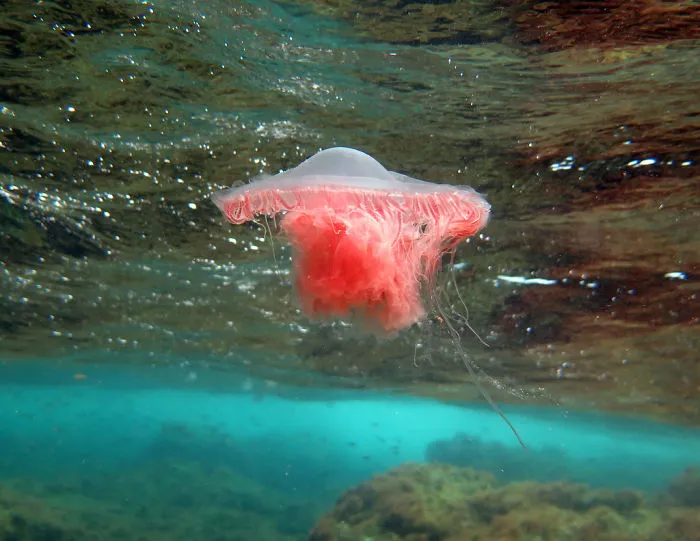
These jellyfishes are not your regular balls of slime - Pink Meanies weigh up to 50 pounds and can grow 70-feet long tentacles, with which they catch other jellyfishes, consuming them later. Once, a Pink Meanie eating 34 other jellyfishes, was captured by marine scientists. Though harmless to humans, these gluttonous Pinkies are not the most pleasant aquatic animals.
Report
25points
#27 Forgotten Frigid Owlet (Nycteola Metaspilella)
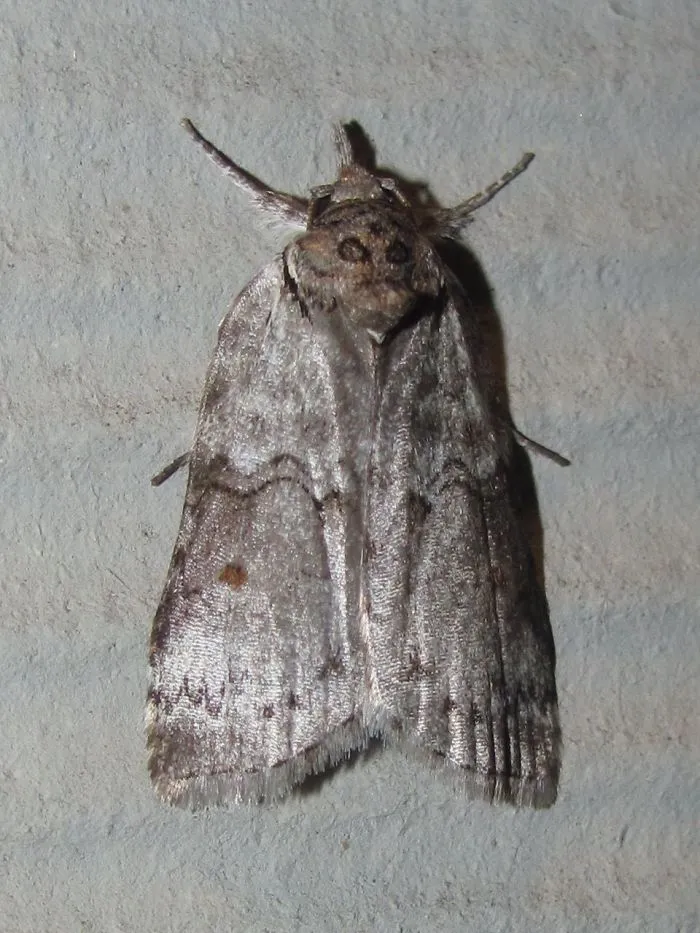
There's no real explanation for this muted-colored, nocturnal moth's name. Maybe it resembled an owl to the scientist who discovered it and maybe it has slipped his mind to name this moth the first time it was seen? Maybe the owlet didn't want to show any affection to the scientist? Nobody knows, but there you have it - a Forgotten Frigid Owlet.
Report
25points
#28 Hopbeard Plunderfish (Pogonophryne Neyelovi)
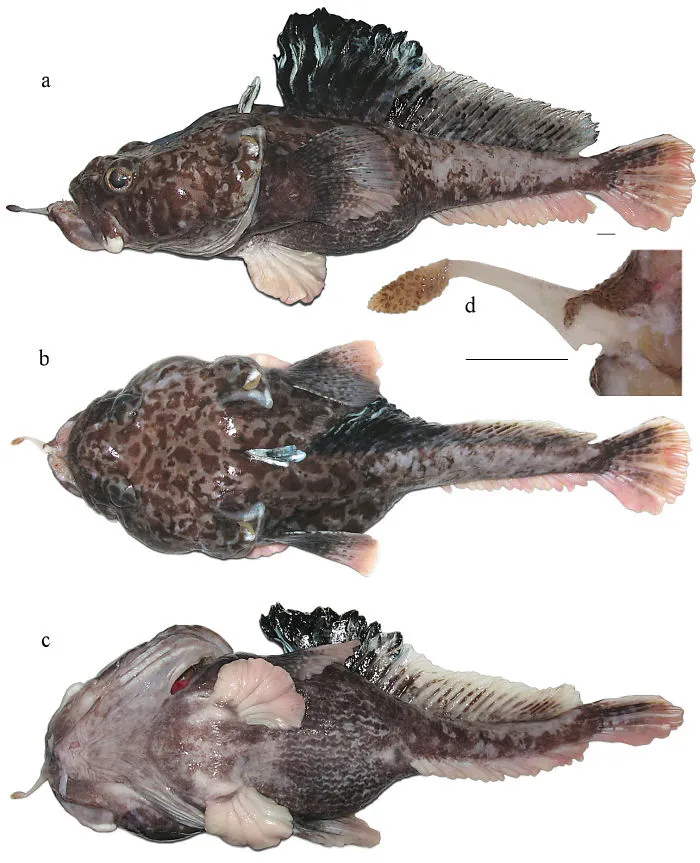
Since the Hopbeards are a newly discovered deep-sea fish species, not much is known about what they do or what they eat living in the depths of about 4.560 feet. Hopbeards also have particularly large livers that take about 35 percent of the space in their abdomen, which, probably, makes them the most notorious drunkards of the sea.
25points
#29 Devil's Coach-Horse (Ocypus Olens)
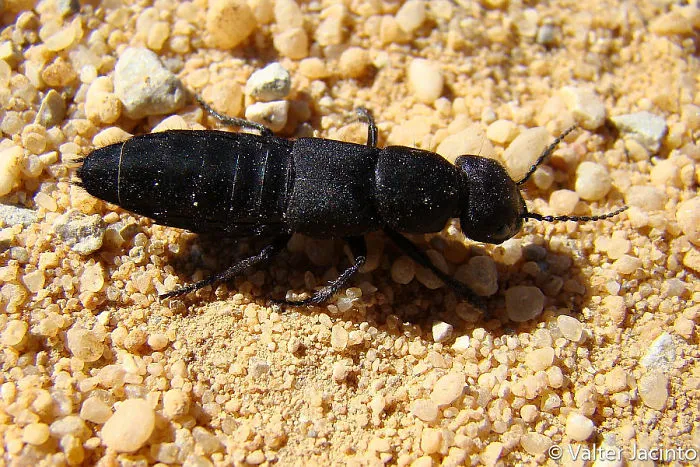
This big black beetle has been known by this name since the Middle Ages, and there are good reasons for that. Its Latin name Olens, meaning smelling, indicates, that it has glands, capable of producing and releasing a stinky odor. The other reasons are also not so pleasant. It has big jaws capable of eating worms, it can raise its abdomen much like a scorpion when threatened and can also fly.
Report
25points
#30 Rainbow Happy (Sargochromis Carlottae)
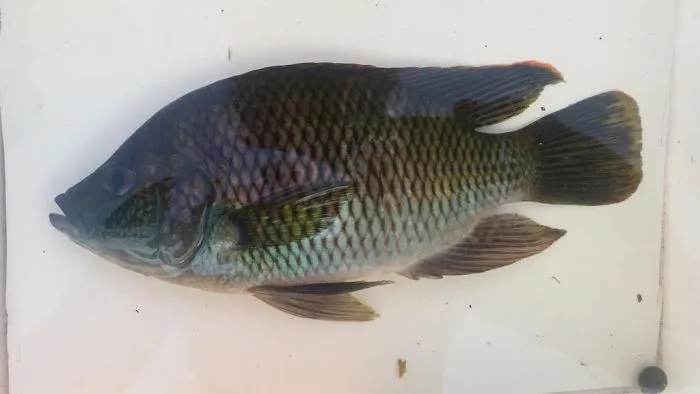
The Rainbow Happy is a genus of cichlids, common in African rivers and lakes. They are usually referred to as 'happies,' and most of them show unique adaptative behaviors. Rainbow Happy is a mouthbrooder - it incubates its young in the mouth until they are big enough to fend for themselves.
Report
24points
#31 Impatient Sea Cucumber (Holothuria Impatiens)
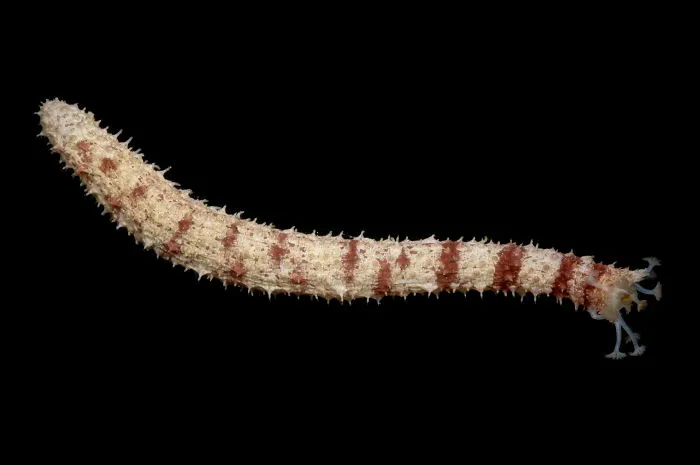
The life of warm-water-loving Impatient Cucumber is not a very exciting one - the 30 cm long worm spends his days eating various organic debris from the sea floor and spawns his babies from time to time. Sea Cucumbers are used for food in many countries and they can even be farmed.
Report
23points
#32 Chuck Will's Widow (Caprimulgus Carolinensis)
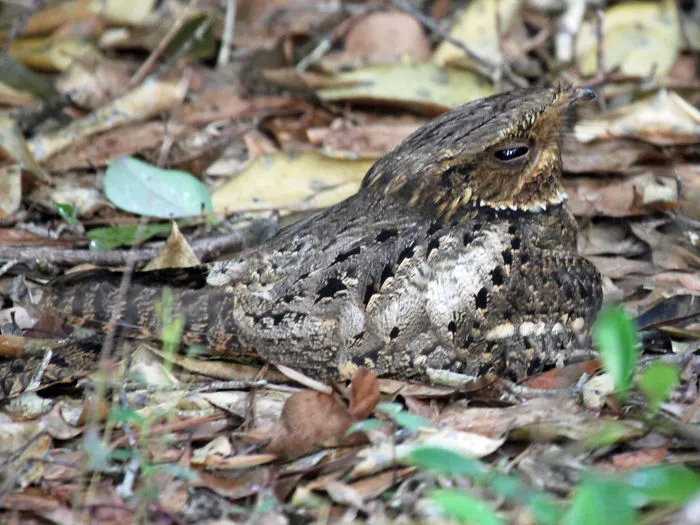
The little widow is a nocturnal bird of the nightjar family. These long-winged, short-billed birds have an array of wonderful names in their family such as Goatsuckers, Bugeaters, Whippoorwill and, of course, the Chuck Will's Widow. The name for the latter doesn't come because the bird reminded some Chuck of his widow, but rather because of a distinct call, this bird has, sounding something like the name wording.
Report
23points
#33 Prickly Dreamer (Spiniphryne Gladisfenae)
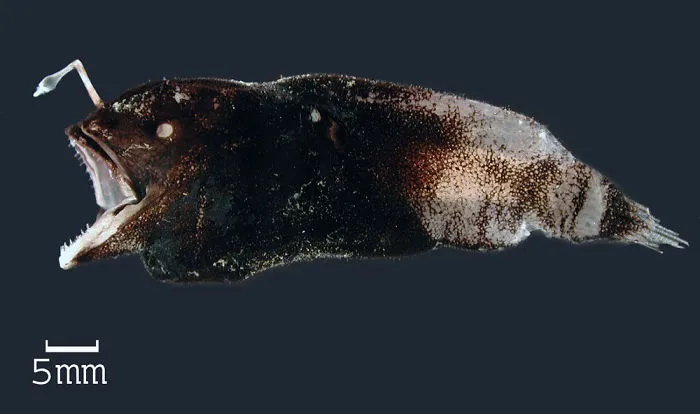
These pricklers are mostly found in the North Atlantic Ocean around 2 km below the surface. Not much is known about these fishes, but tiny spikes and an amazing teeth count makes them unique compared to other fishes from this family.
20points
#34 Cynical Quaker (Orthodes Cynica)
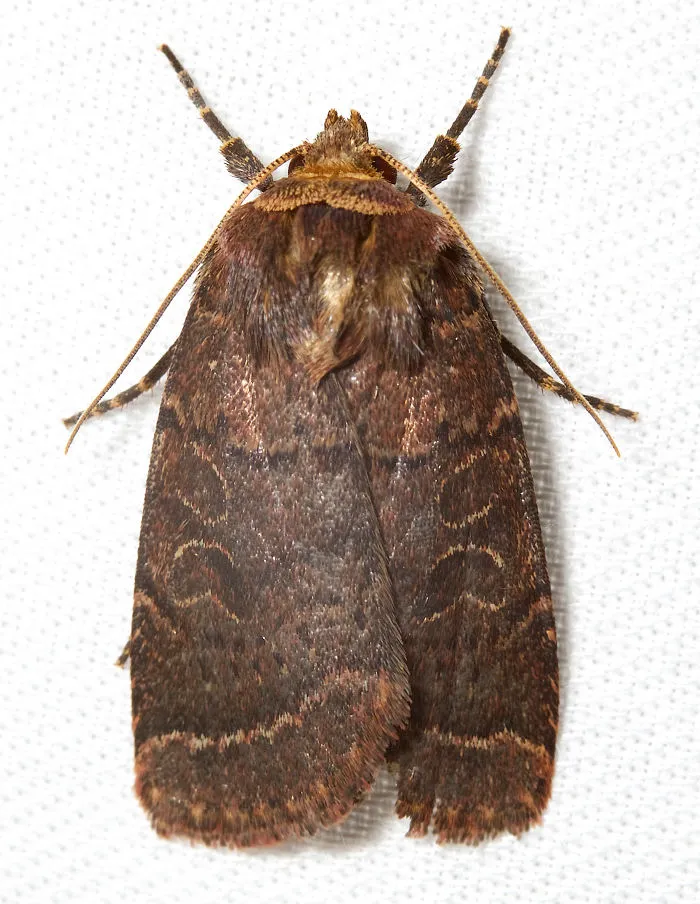
The Cynical Quaker is a part of Noctuidae moth family and though they seem rather regular, their caterpillars have developed a whole arsenal of chemical weapons to defend themselves from predators. Some of them excrete alkaloids, others - acids, while most regurgitate plant compounds together with a toxin called toluquinone.
19points
#35 Mint-Sauce Worm (Symsagittifera Roscoffensis)
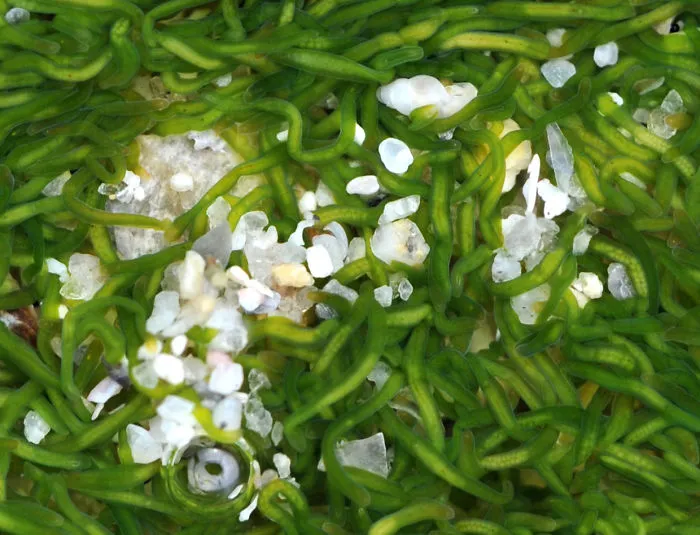
This worm just cannot decide whether it's a plant or animal, because it harvests algae inside of his body (note the bright green color) without digesting it and thrives solely on the byproducts of the algae's photosynthesis, thus keeping it alive only by solar power. These minute sea flatworms not only have figured out an efficient way of living, but they're also known to communicate with each other in forming bigger superorganisms called flotillas.
Report
19points
#36 Atlantic Spiny Lumpsucker (Eumicrotremus Spinosus)
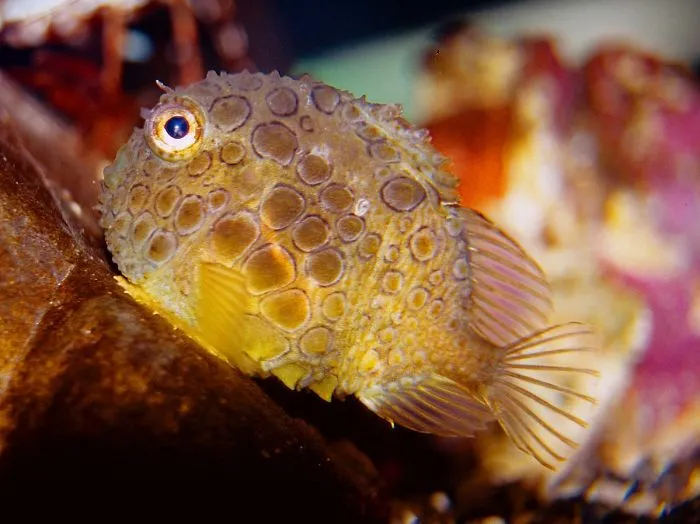
Lumpsuckers, though a poorly studied group of fishes, are frequently used in Scandinavian cuisine. An interesting fact is that these fishes almost never swim, but stick to the ocean floor with adhesive discs that have evolved from pelvic fins. Also, they have a pretty great camouflage consisting of wart-like protrusions from their heads and bodies, making them seem like the rocks on which they hunt for worms and mollusks.
Report
19points
#37 Baw Baw Frog (Philoria Frosti)
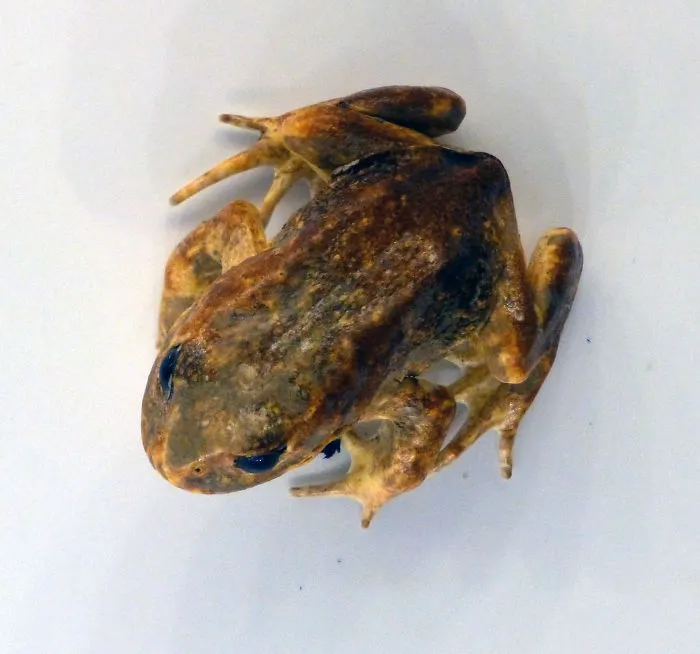
Found only on Mount Baw Baw in Victoria, Australia these little amphibians are on the verge of extinction. To help these froggers repopulate, an ongoing program at Zoos Victoria are breeding them in captivity.
Report
18points
#38 Bobolink (Dolichonyx Oryzivorus)
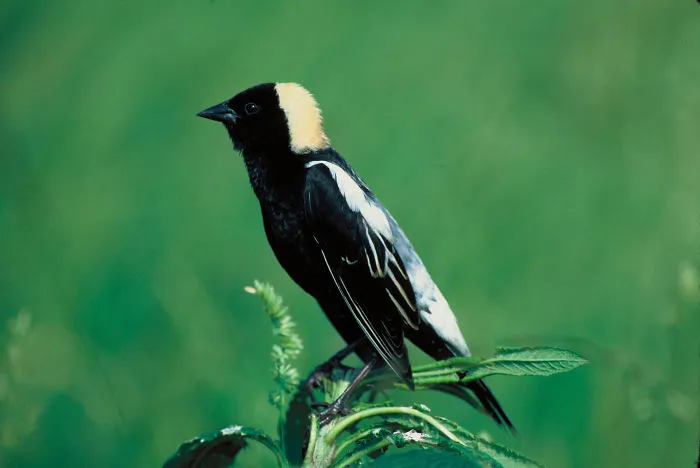
Bobolinks, before the decline in their population, were very common all throughout North America and Canada. For wintering, though these birds fly to South America which makes a 20 000 km roundtrip and that's like flying halfway around the world. Not only the Bobolinks have impressive stamina, but they also have a very Star Wars-y, complex call.
Report
17points
#39 Bananaquit (Coereba Flaveola)
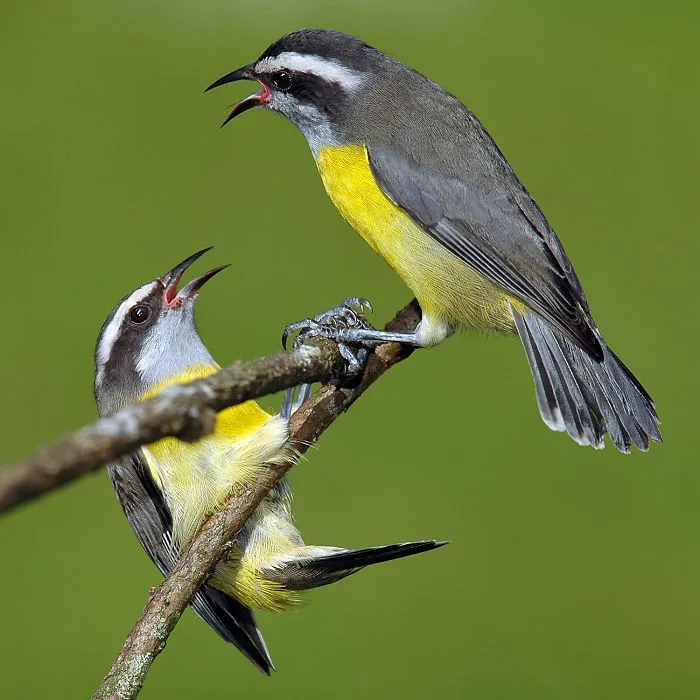
These little birdies are mostly found in the tropical forests of South America and the Carribean. The Bananaquit is a nectarivore which means that it eats nectar from flowers, juices of sweet fruits and an occasional bug or two. Bananaquits aren't very cautious around humans and often visit patios or balconies if some sugar or a bowl of fresh fruit is left unattended.
Report
17points
#40 Snaggletooth (Astronesthes Richardsoni)
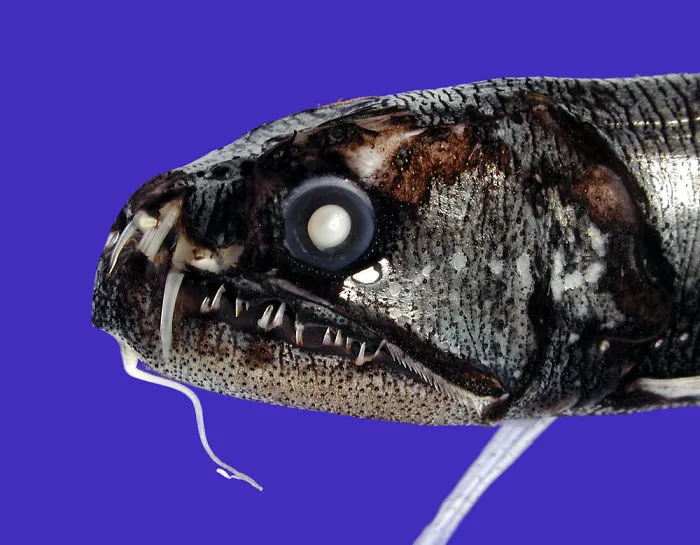
Snaggletooth, also known as Stareater fishes live in tropical waters, about 1.000 feet below the surface. These small fishes have multiple luminous spots on their bodies, which resemble a starry night sky. Though it is a predatory fish, it's totally harmless to humans because of the depths they live in and their small size.
17points