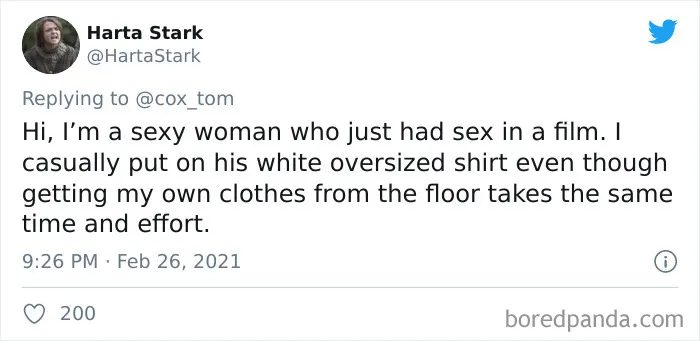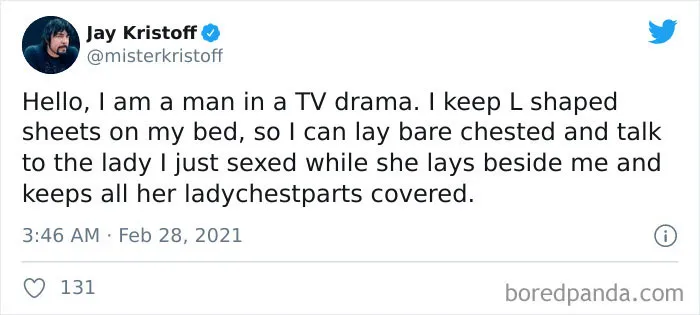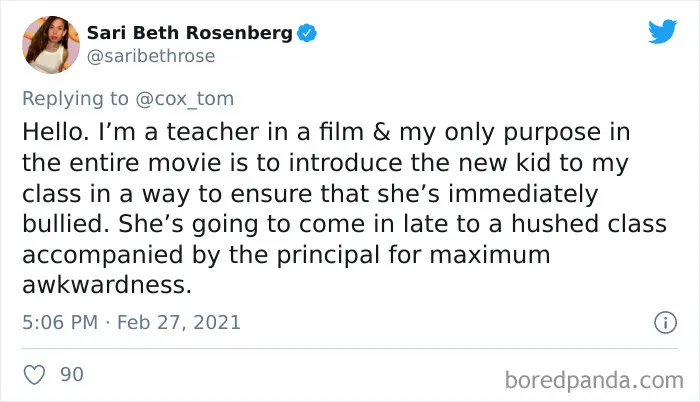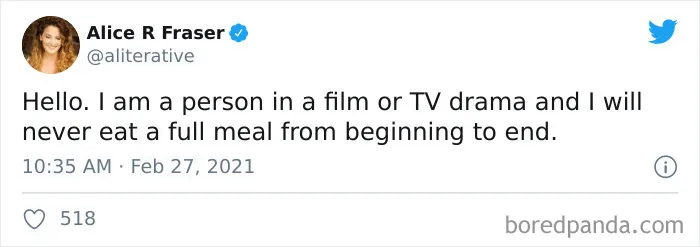


That means that a single screen is no longer enough to please viewers who are busy googling stuff related to what they’re watching, posting their thoughts about what’s happening on social media, or discussing the show with their friends. It’s a different form of engagement that doesn’t necessarily mean having your audience’s eyes glued to one screen.
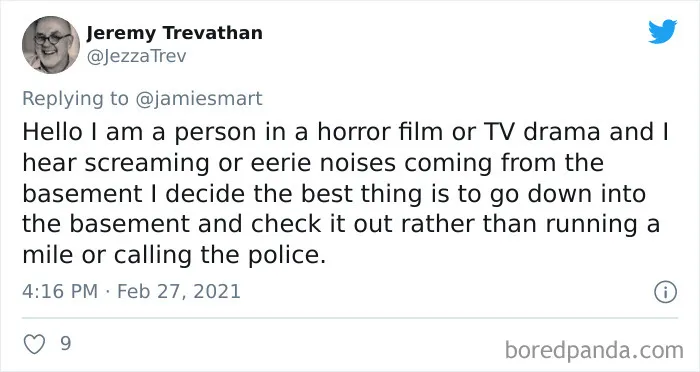
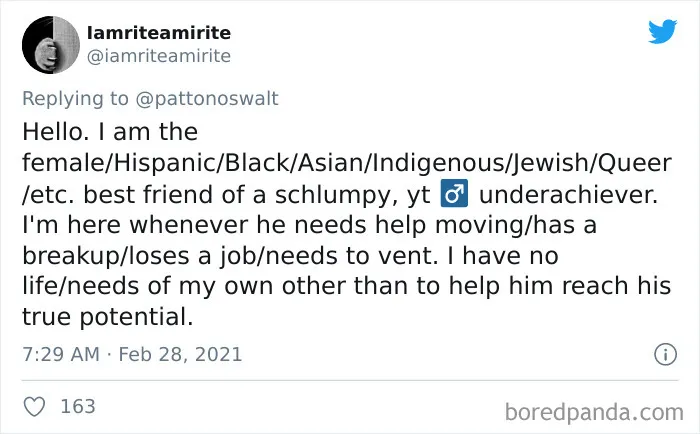
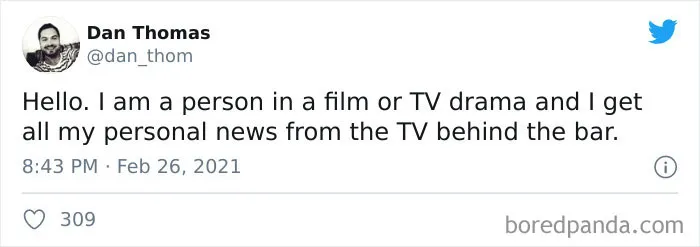
Something else that we rarely think about (unless you’re a pro in the field) is how strangely people talk. When you’re chatting to someone (masked) face to (masked) face, everything sounds great. But if you happen to record or film the conversation, you might find a different side to the tale: the way that we speak in real life is often disorganized, broken, and unclear.
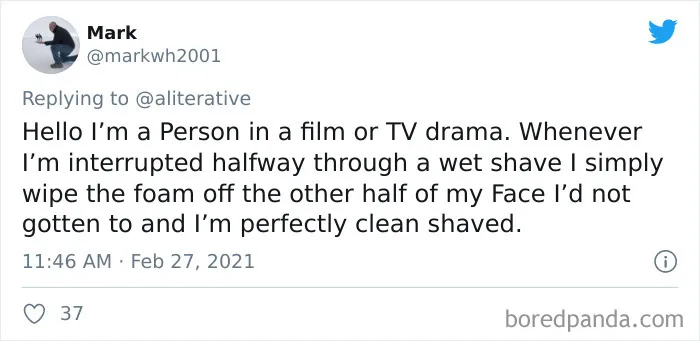
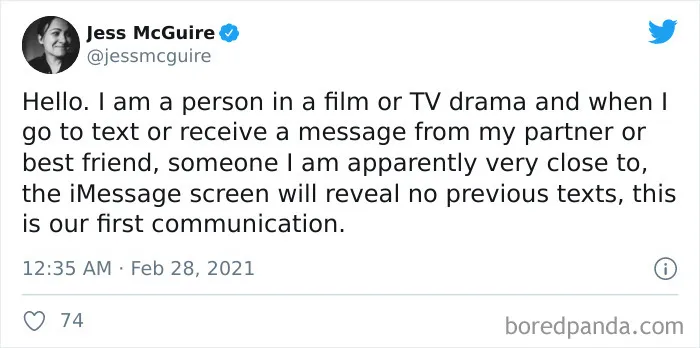
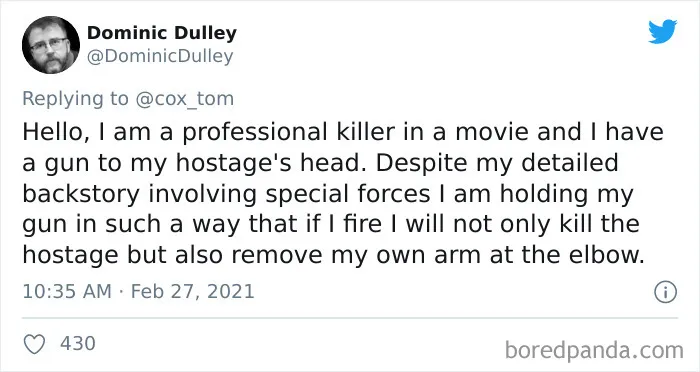
That’s why scriptwriters have no other choice than to write dialogue that people can actually understand. Sure, not many people speak this way IRL, but we have to think of what’s best for the audience. Do you want to listen to a guy or gal ramble on for 10 minutes or do you want a confident protagonist who enunciates well, argues well, and drops snappy one-liners?
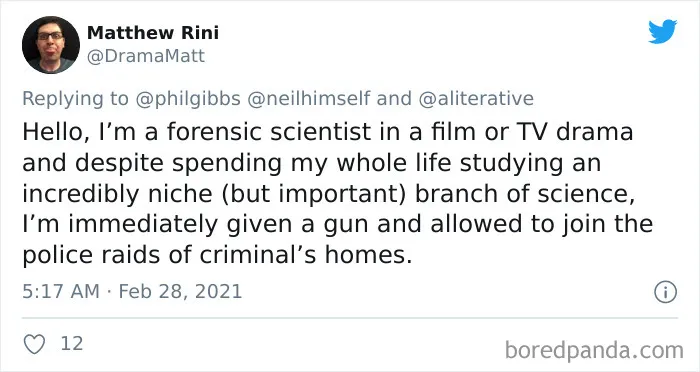
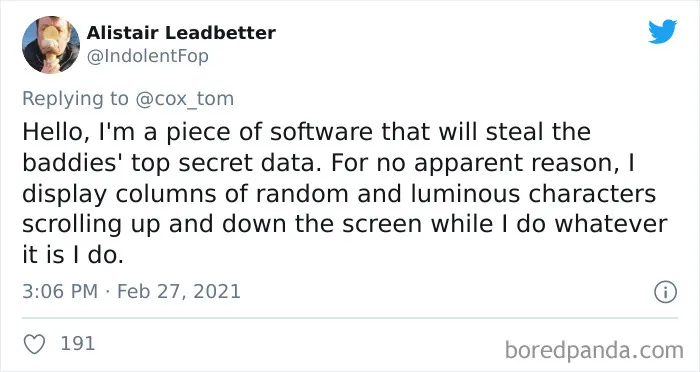
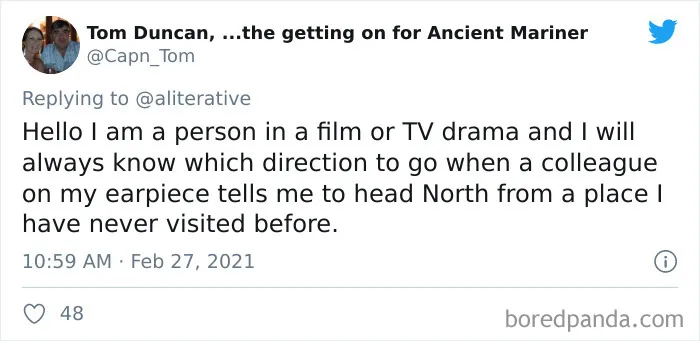
Of course, that doesn’t mean that ‘realistic dialogue’ has no place in filmography. It does, but it has to be skillfully crafted. Filmmakers like Woody Allen create realistic-sounding dialogue and it can be jarring to most of us who have grown up on a diet of delicately-curated sentences.