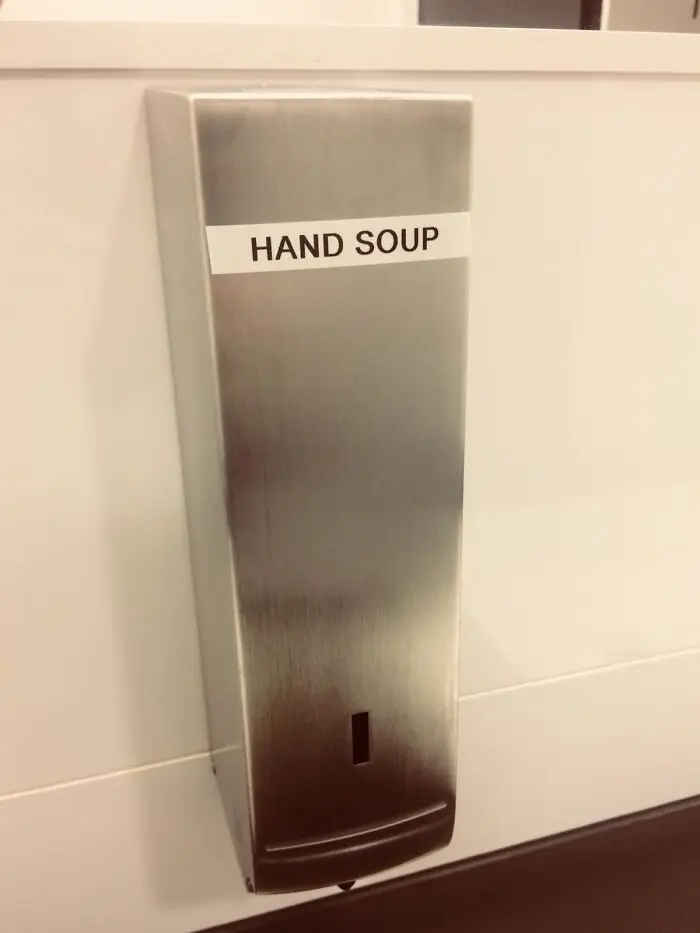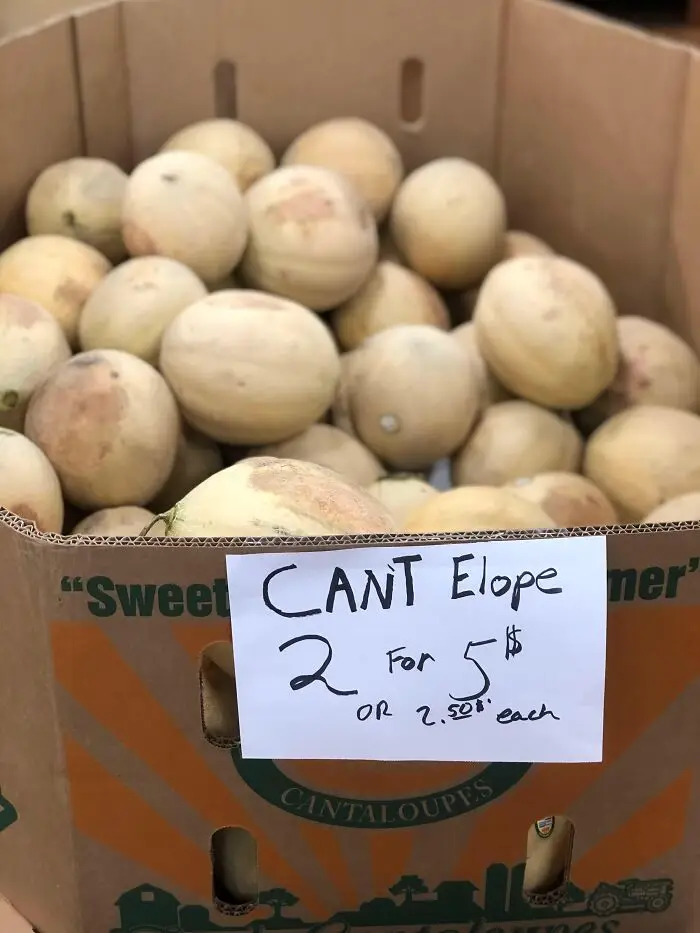




Such phrases can be a pain in the neck to learn. Even native speakers themselves are often confused by them, as you have likely noticed by now. But learning all of them is close to impossible, as there are arguably 25,000 idiomatic expressions in the English language.
Ph.D. in English and creative writing Dorisa Costello pointed out that for those who want to learn at least some of them, reading is a great way to do it. “One of the best ways to expand one's vocabulary is by reading. This is true for a native speaker or a language learner. Other media are helpful, too, especially for more natural inflection or colloquialisms.”



The same way learning the subtleties of English might be frustrating to non-native speakers, other languages present hoops for the native ones to jump through as well. However, Gallup revealed that a quarter of Americans can hold a conversation in a foreign language; most commonly Spanish. According to Babble, it’s the third easiest language for English speakers to learn, preceded only by Norwegian and Swedish.



If you want to continue getting acquainted with the etymology and usage of English sayings, click here to learn the history behind 66 commonly used ones or read about the phrases people are using incorrectly here. And if you think you’ve reached your daily limit with this language, browse 30 of people’s favorite non-English phrases and their literal meanings here.