


This post may include affiliate links.

During an earlier interview with the Bored Panda team, Lisa Yaszek, a Professor of Science Fiction Studies at Georgia Tech and the author of ‘The Self Wired’ and ‘Sisters of Tomorrow: The First Women of Science Fiction,’ was kind enough to share her thoughts on optical illusions.
“As humans, we’re fascinated by optical illusions both because they are a symbol of human creativity and because they demonstrate just how good we are at flexible thinking,” she said.
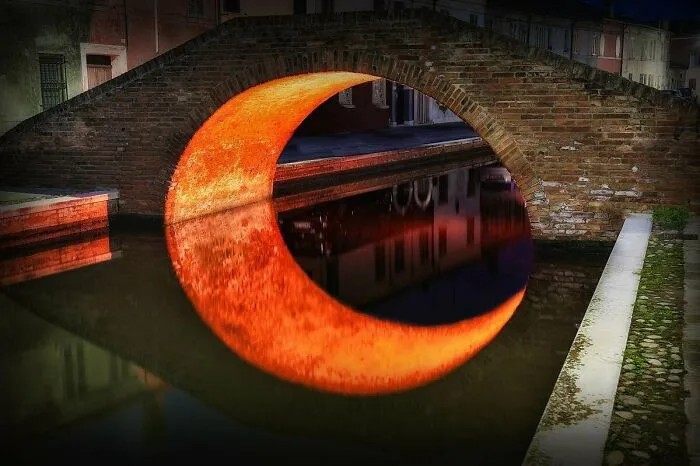
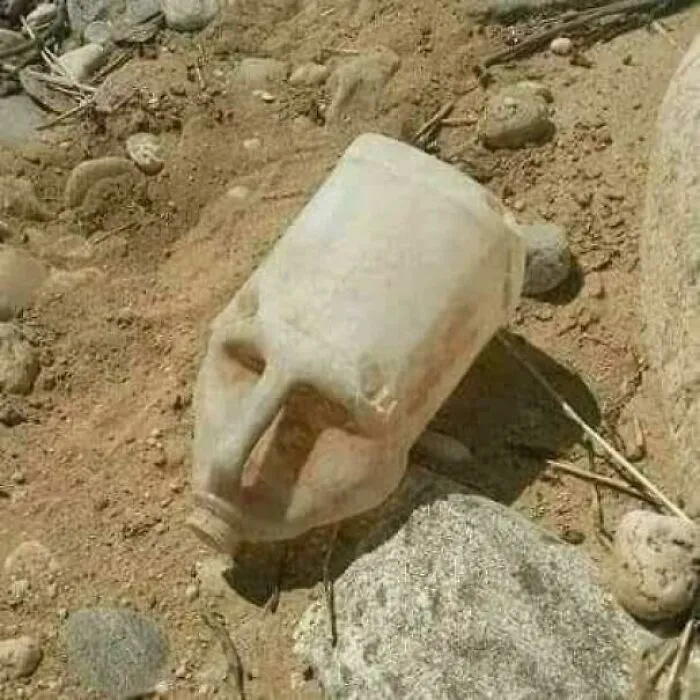
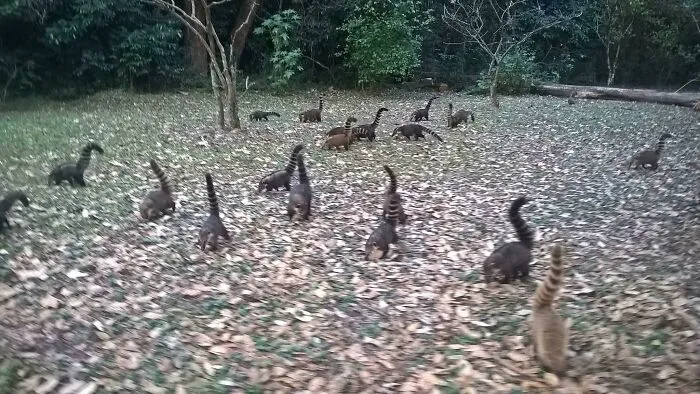
According to Yaszek, human beings’ ability to perceive images in different ways may be part of our natural aptitude for learning.
“Whatever the source of our love for optical illusions, it’s fascinating to note that the desire to create optical illusions seems to be as old as humanity itself,” she told us previously.
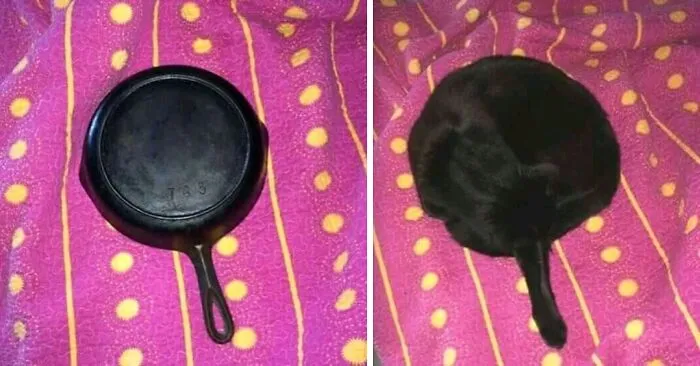
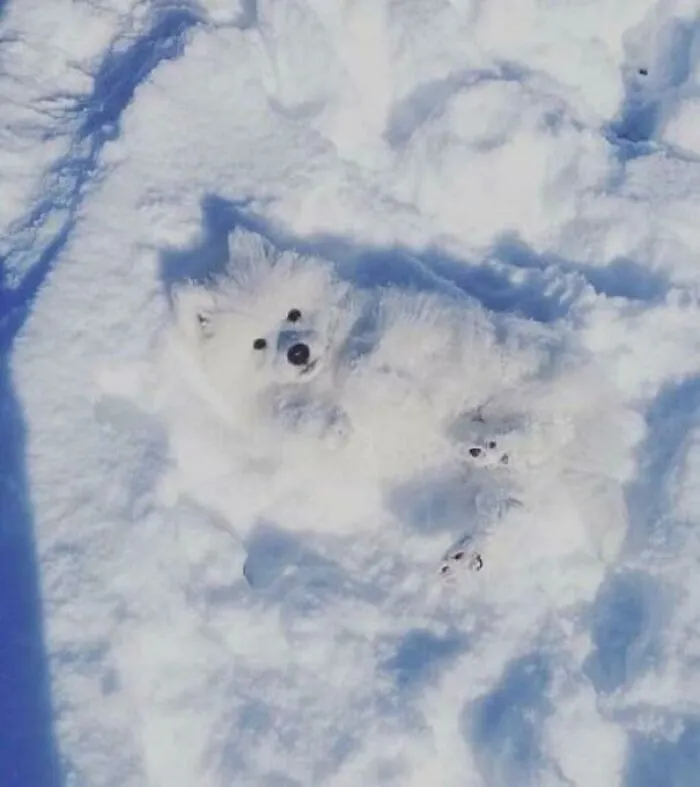

“The prehistoric artists who decorated the Cave of Altima 20,000 years ago used the natural bulges in the rock walls of the cave to give volume and depth to the animals they drew there; the Greek-Egyptian inventor Heron of Alexandria (10CE-70AD) engineered a device that made it look like priests could open temple doors with verbal commands; and the Airavatesvara Temple in India is covered in 800+ year old carvings of animals that change species when viewed from different angles,” Yaszek walked us through the ancient history of humankind’s relationship with optical illusions.
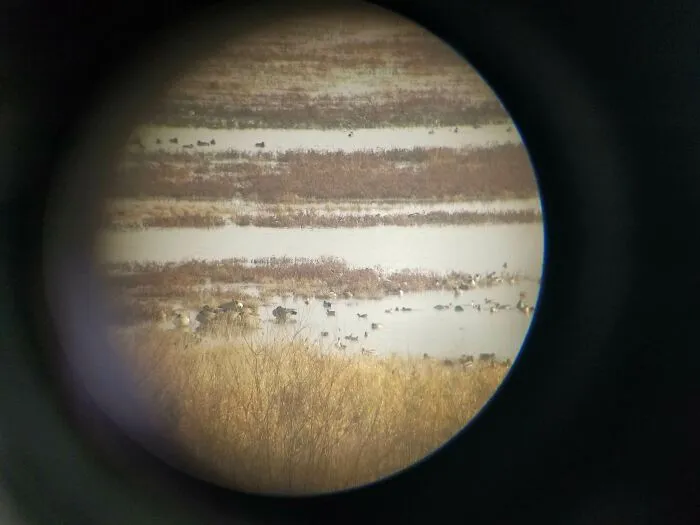
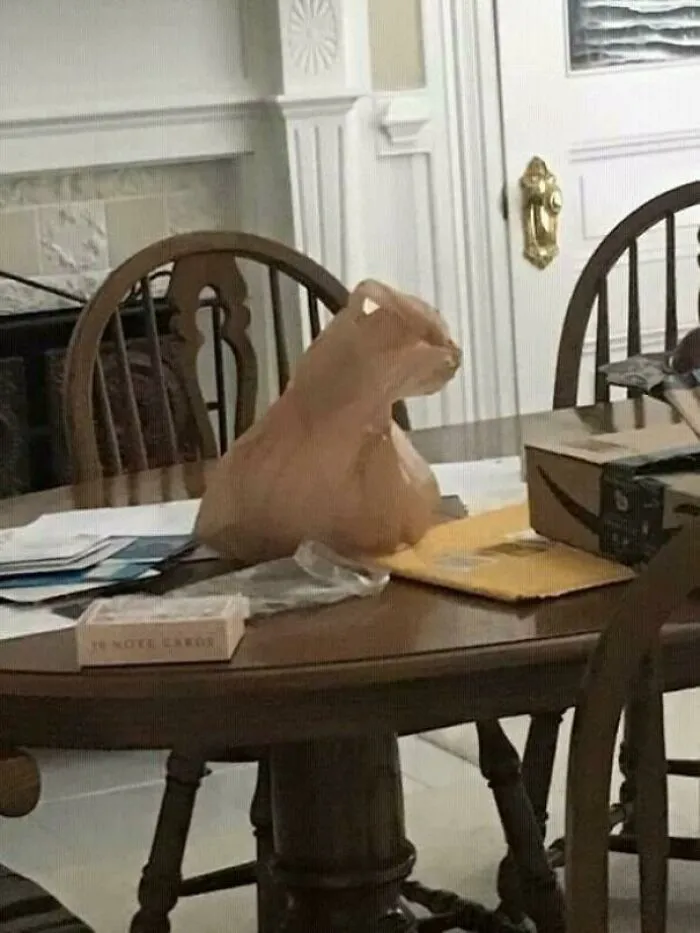

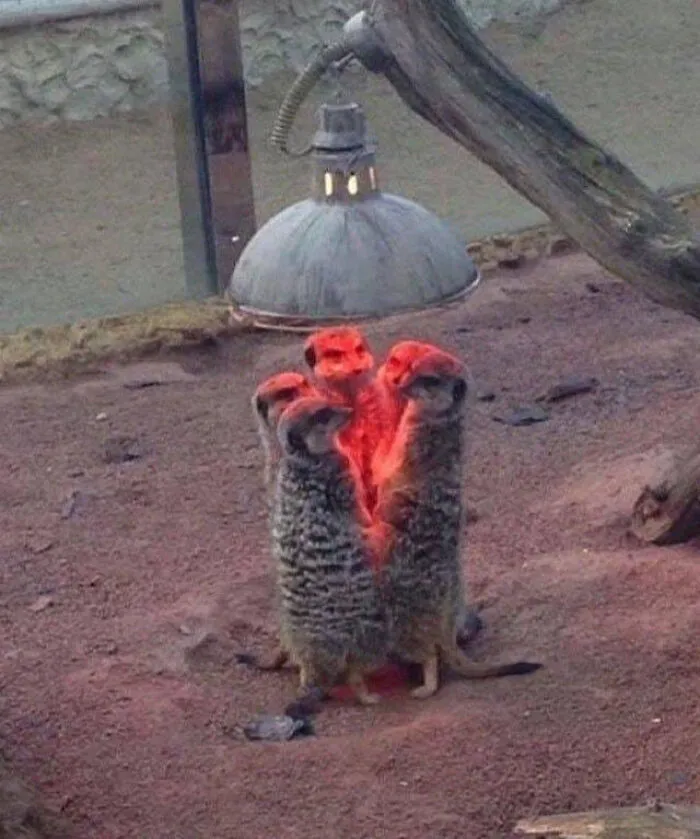
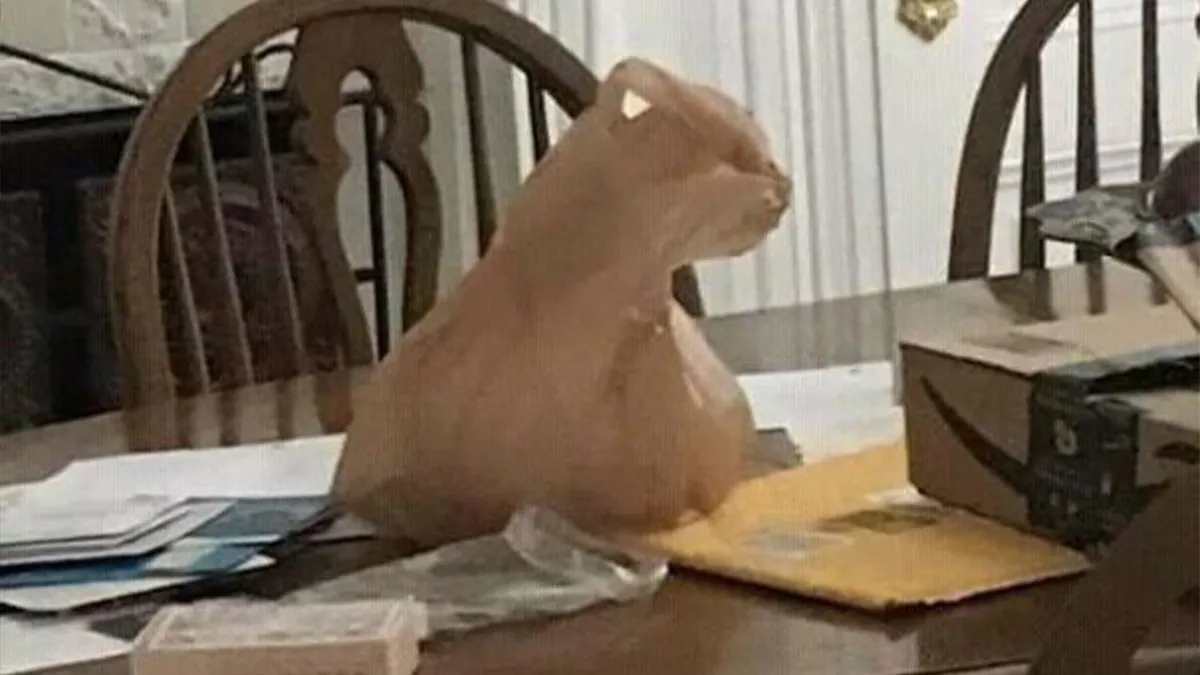
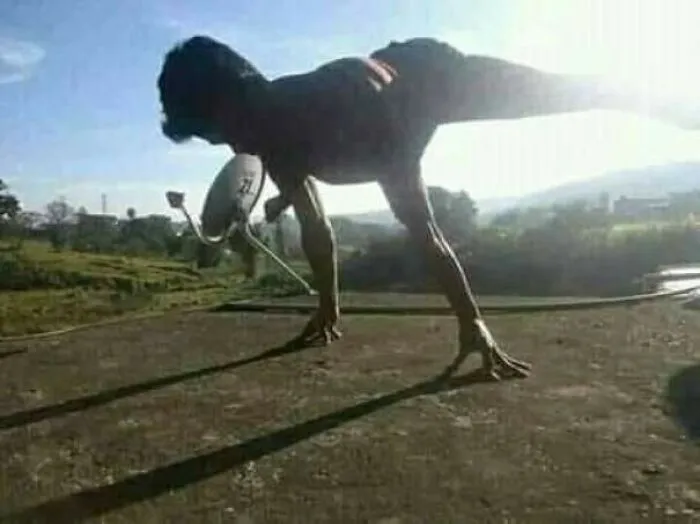
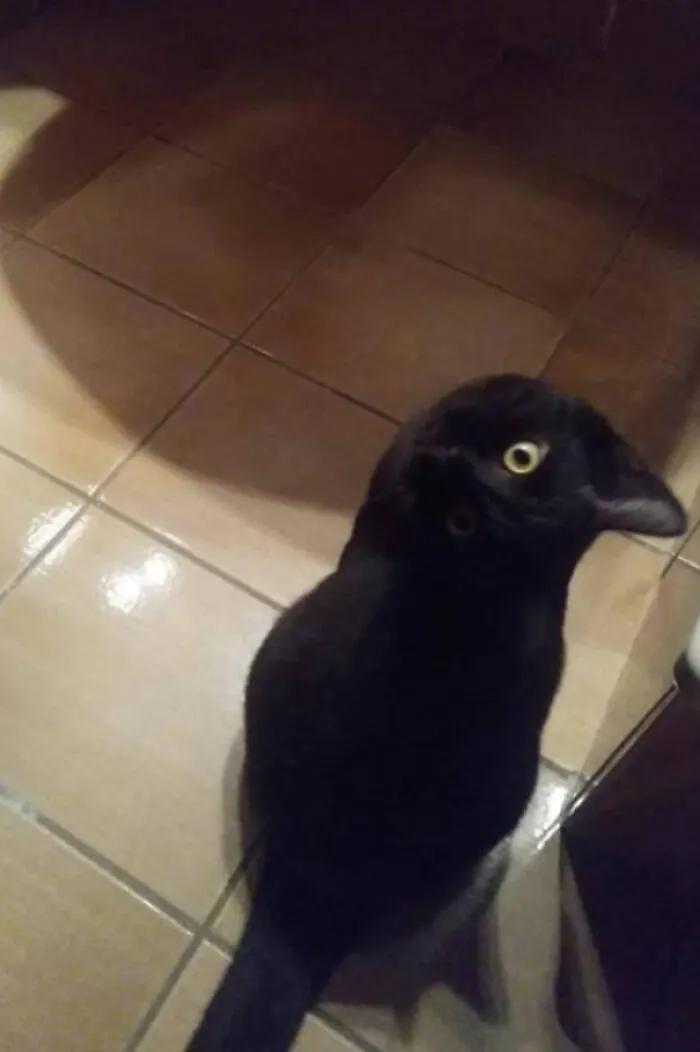
“Whenever people invent new creative or technical processes, they use them to create optical illusions! Indeed, we’ve seen this throughout the twentieth and twenty-first centuries: pioneering filmmakers like George Melies drew on vaudeville stagecraft and scratched and painted on celluloid to create the first filmic special effects; Op artists Josef Albers and Bridgette Riley manipulated geometric forms on canvas to convince the eye that unreal spatial places existed; and today we have digital technologies that allow us to radically transform the scale and presentation of images in sometimes truly mind-blowing ways, as we see in these images from the 'Misleading Thumbnails' subreddit community!”
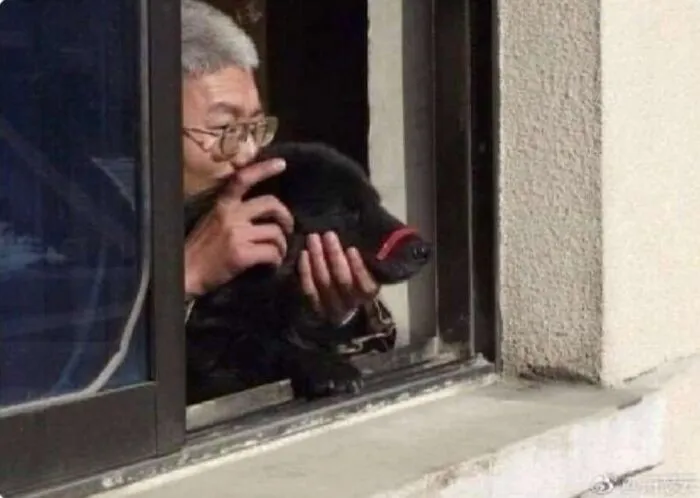


That being said, Yaszek noted that there is a difference between earlier work made by optical illusion artists and the images shared by internet users on Reddit. “The former were intentional about creating their optical illusions, while the ones featured on this subreddit probably didn’t mean, for instance, to make a group of adorable puppies look like fried chicken,” she pointed out.
“Having said that—these accidental optical illusions give the members of this subreddit community a chance to become artists themselves by posting the misleading thumbnails and images online so that others can delight in the illusion with them.”
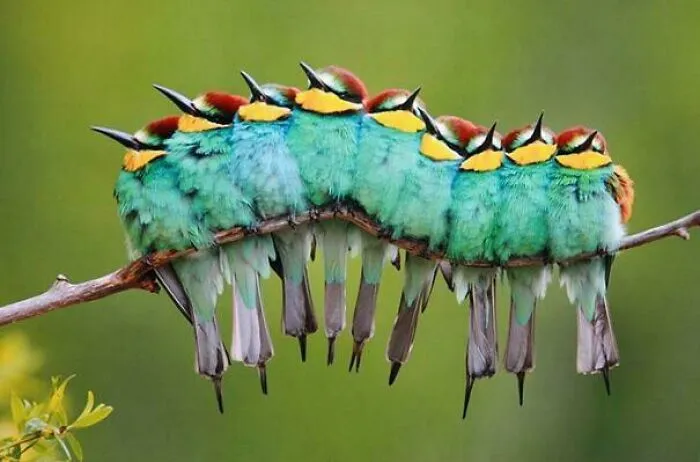

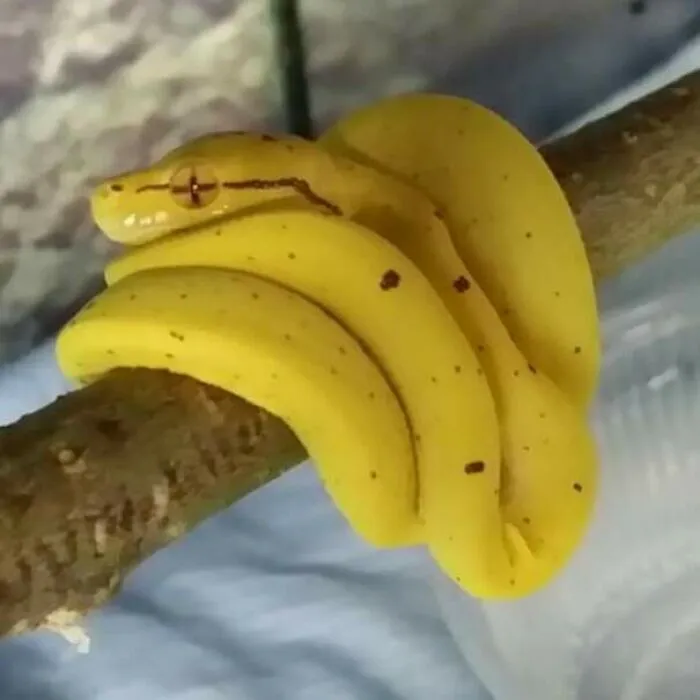
One of the moderators helping run ‘Misleading Thumbnails,’ u/pajam, previously opened up to Bored Panda about the community’s history and mission. They told us during an earlier interview that the group was originally created by another user, Noot, when he was scrolling online and noticed a thumbnail that created the optical illusion of something naughty. On closer inspection, the photo was completely innocent: that of a baby pig between two pigs. This is proof that your mind rapidly jumps to assumptions.
“So he was misled by the thumbnail, and thought it was a unique experience blending optical illusions with a sort of 'mind-blown' experience,” the moderator shared the story behind the creation of the group.