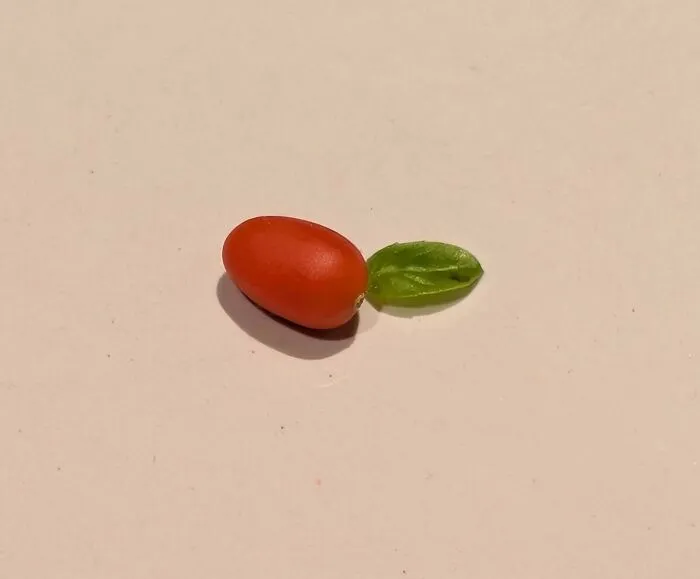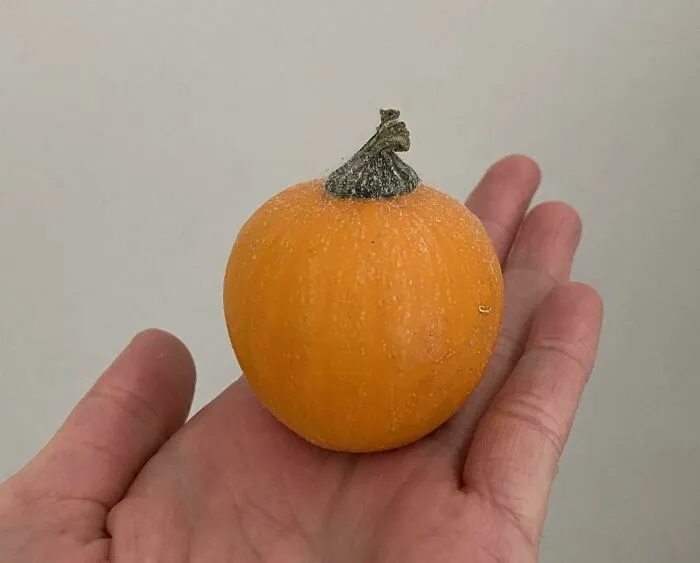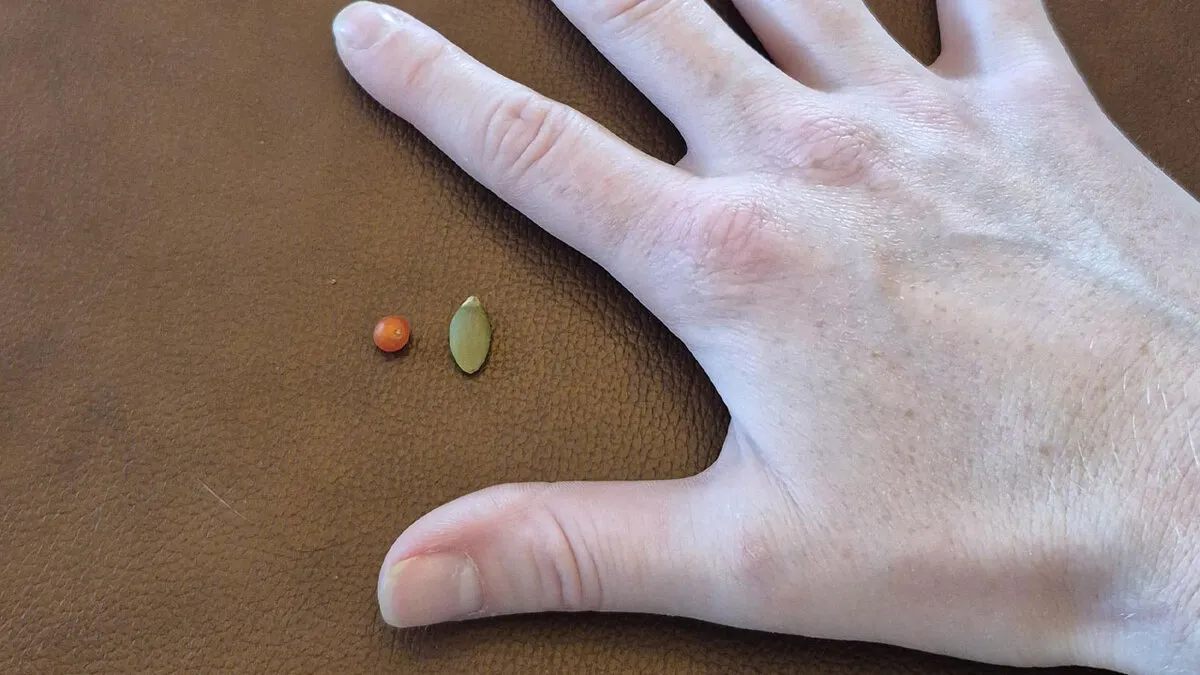



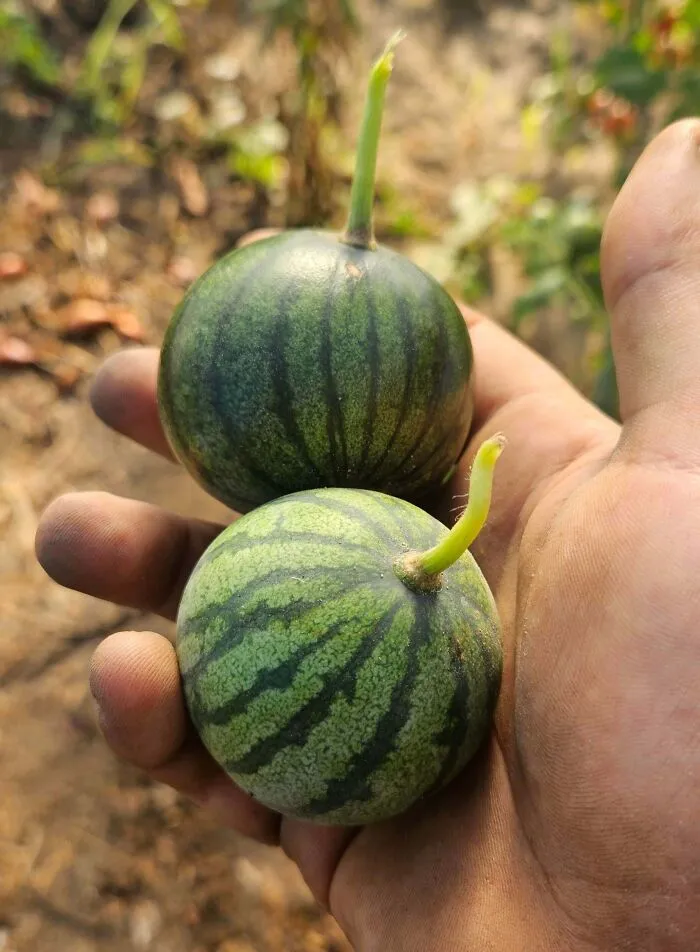
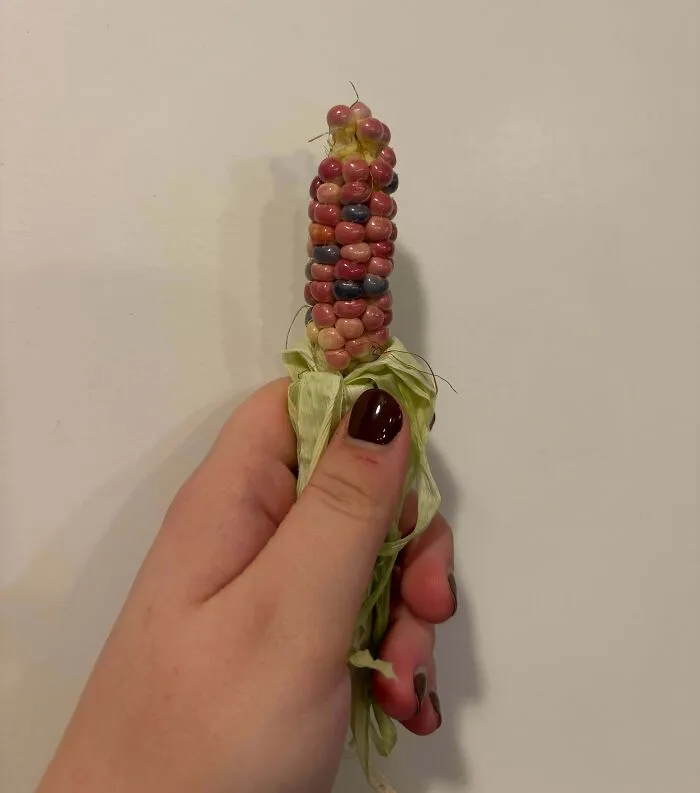
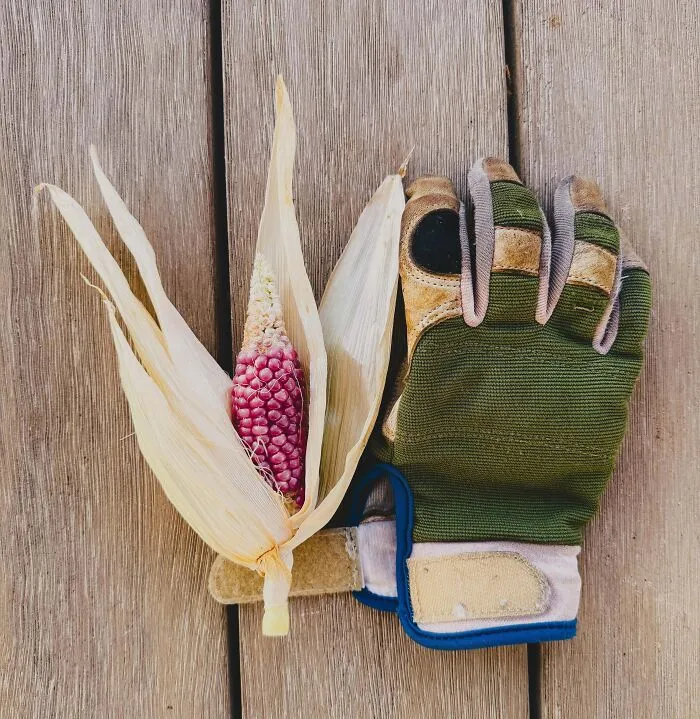
#2 Went To Harvest My Glass Gem Corn That Managed To Grow In My Painfully Neglected And Overgrown Garden. I Was Pleasantly Surprised, And This Is The Cutest Corn I Have Ever Seen
Gardening can be quite fun, which is why Leaftide found that in the United States, 79.2% of households take part in lawn and garden care. About 2/3 of folks grow their own fruits and vegetables, and some even raise birds, animals, and other livestock for food.
Interestingly, the research found that more men than women like to grow plants and look after their lawns. People also tend to spend nearly 1 hour a day on average on this hobby. Over time, interest has also risen, with a nearly 2% increase in the number of people who garden.
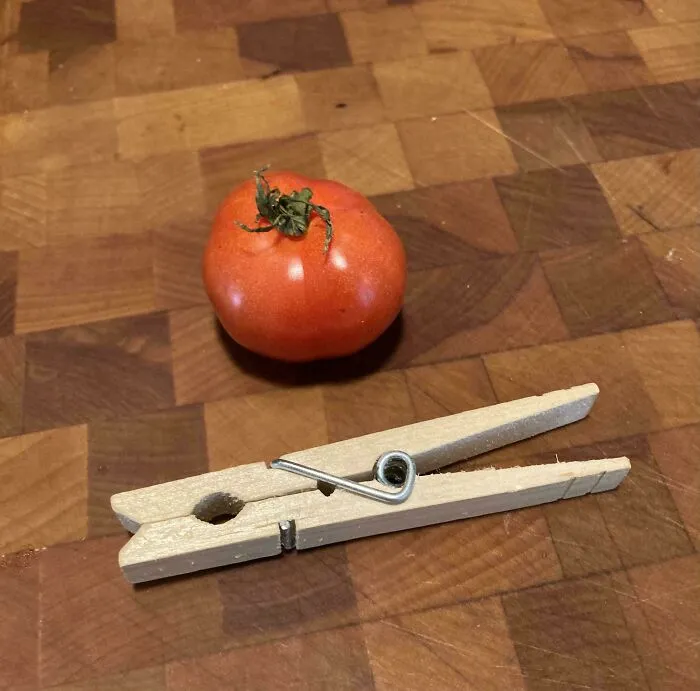
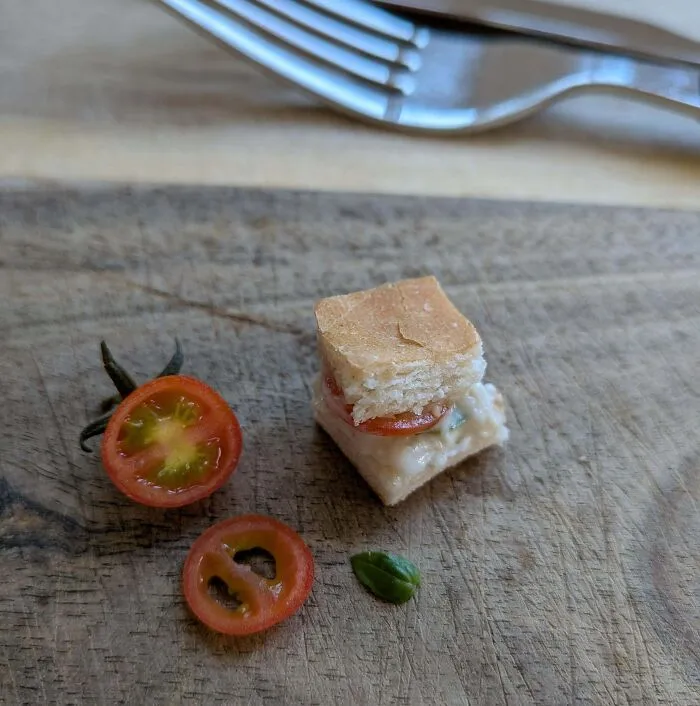
#6 The Blessing Doesn't Stop. Managed To Make A Sandwich From The Leftover Tomato
Taking care of plants, trees, and vegetables might seem like something only older folks like to do, and that may have been true in the past. Now, though, nearly 29% of amateur gardeners are folks between the ages of 18 and 34.
There also seems to be a big rise in urban food-growing households, with nearly 2 million more folks doing it in the last couple of years. When it comes to planting and harvesting veggies at home, women over 45 seem to dominate this hobby, with nearly 68% doing it. Even if folks don’t garden at home, about 3 million people use community spaces to grow produce.
As you may have noticed from this list, many folks try their hand at growing fruits and veggies but have many unsuccessful first attempts. According to Madison Fichtl, a lifestyle blogger, a good way to ensure a successful harvest is to use companion plants.
This means that folks should pair things like marigolds to deter pests, or basil, which can improve the flavor of veggies over time. Another benefit of companion planting is growing legumes, which some crops benefit from because they fix nitrogen. They can also aerate the soil and prevent topsoil loss.
#10 First Time Growing Taters In A Bag. Should We Boil Em, Mash Em, Or Stick Em In A Stew?
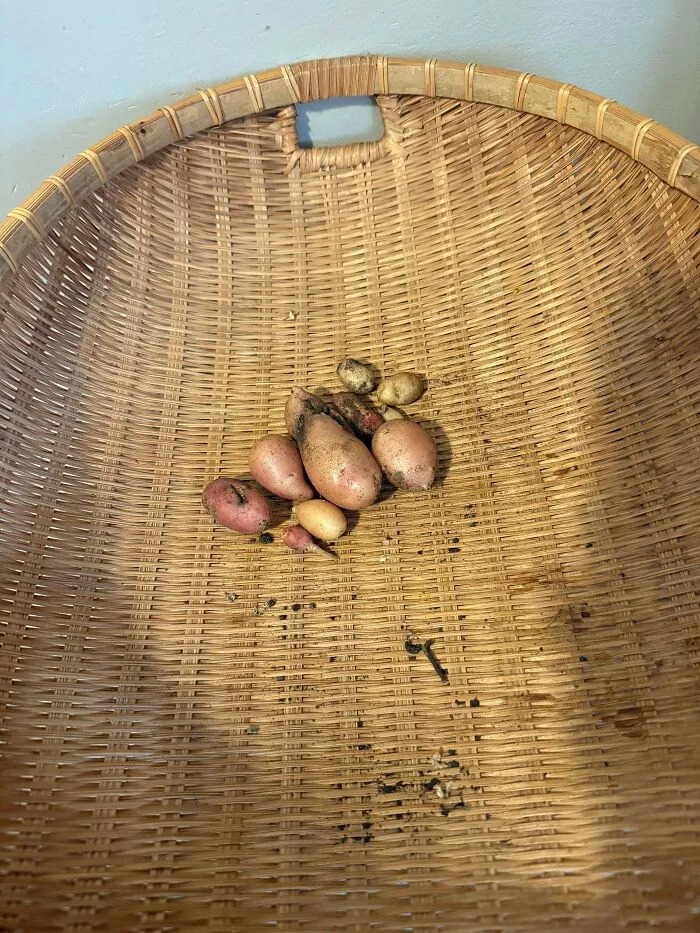
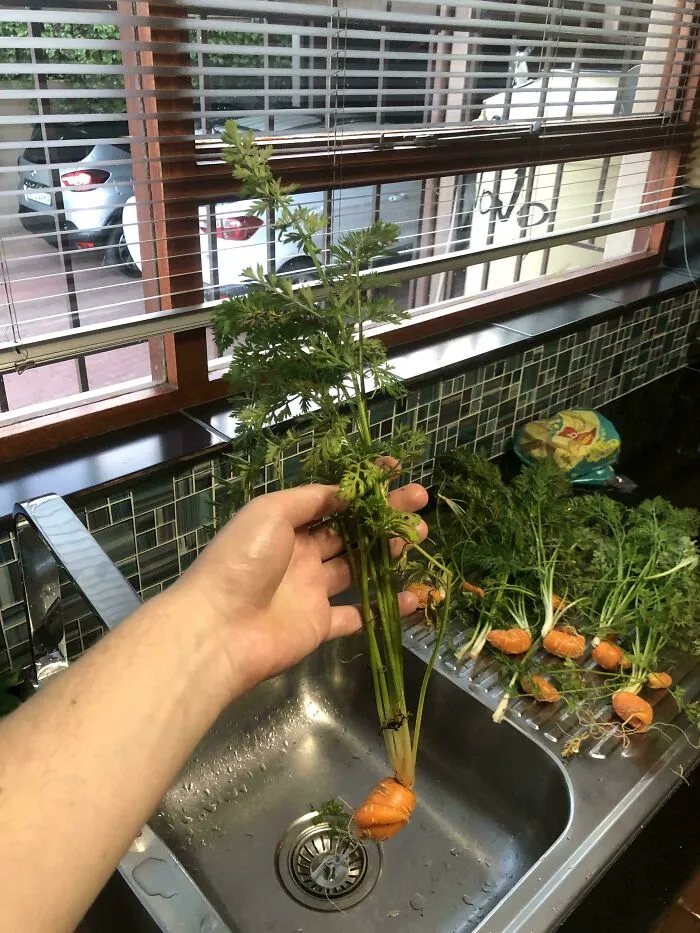
#11 Found This Sub, Remembered This Pic From Back In Covid When We Tried Gardening
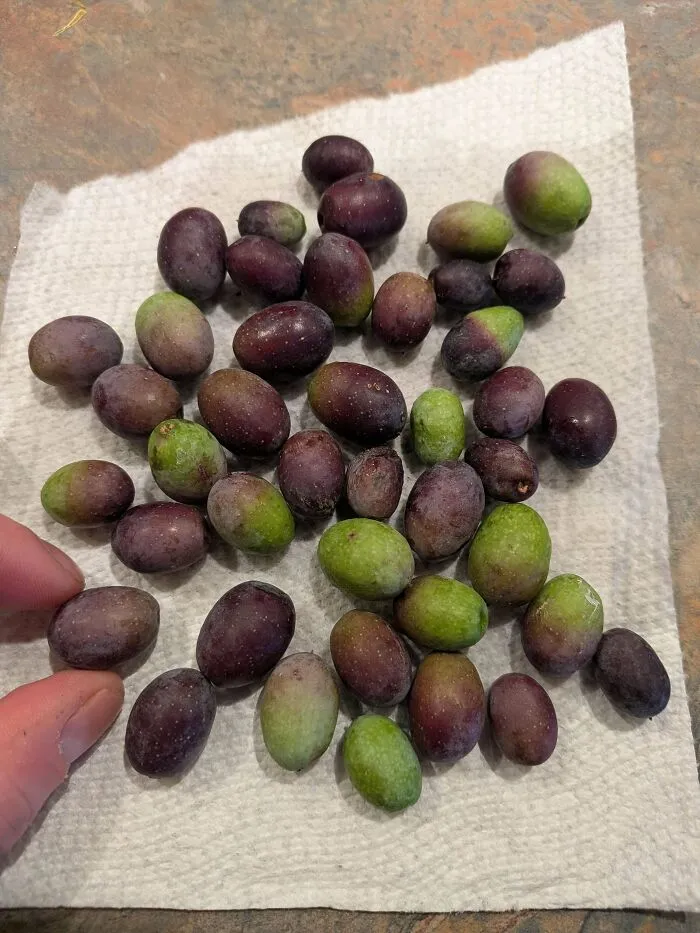
#12 Last Year I Managed To Grow An Olive. This Year I Got Over 40 From The Same Tree! Not Bad For A Tiny Tree In A Cold Climate!
Pests can really affect vegetables and fruits, and gardeners especially struggle with aphids and slugs. They can damage fruits and flowers and sometimes even stifle the growth of smaller plants. That’s why folks should act early and use natural remedies or chemicals to combat the issue.
Not all insects are harmful, and gardeners should encourage beneficial ones like ladybugs, which eat many common aphids. Lacewings and parasitic wasps also hunt pests and can help keep plants, fruits, and vegetables clean and clear. Bees are also wonderful to encourage because they help with pollination.
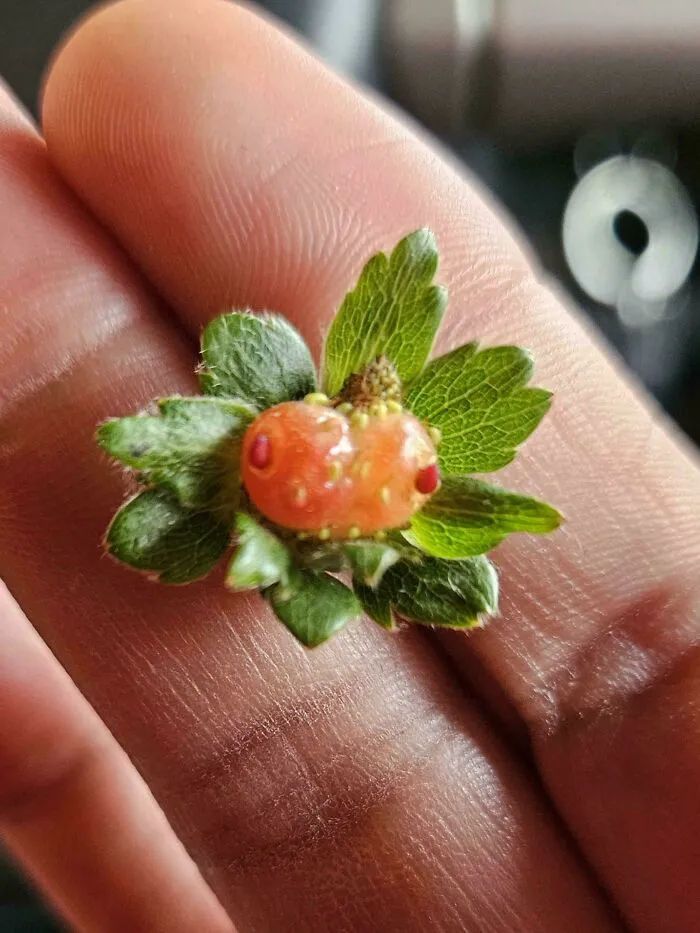
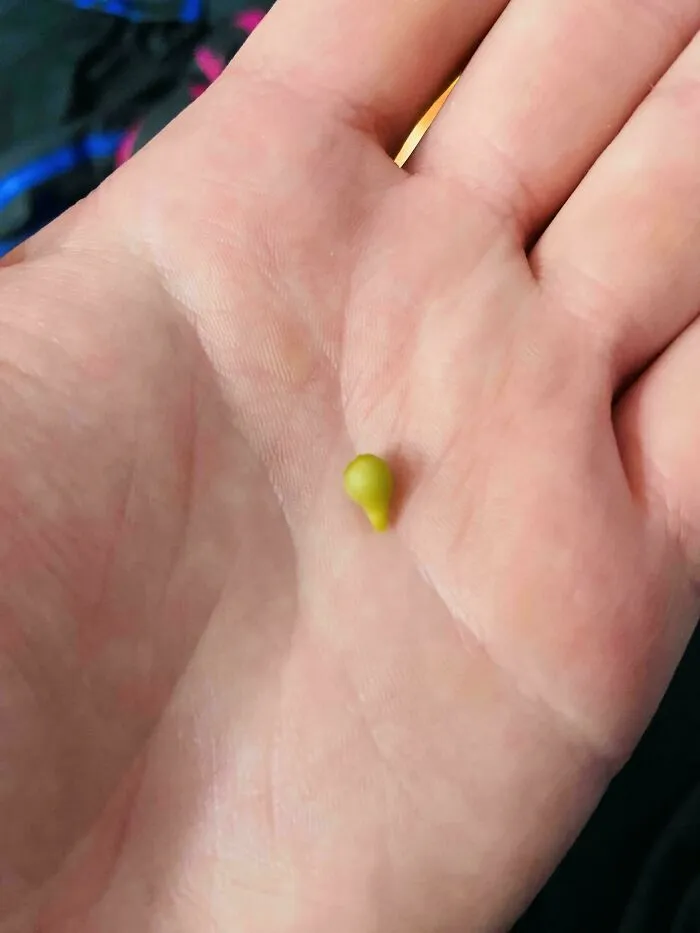
Every amateur gardener should learn as much as they can about planting zones and seasons, since this can greatly affect what they grow. For food crops especially, plant cool-season crops in early spring or fall, and grow warm-season crops after the frost.
Folks who like to grow plants also learn when to prune them to protect them from disease and keep them from getting too wild. This action can also encourage better airflow and encourage blooming during peak seasons. Gardeners also say pruning trees during colder months, when they are dormant, is best.
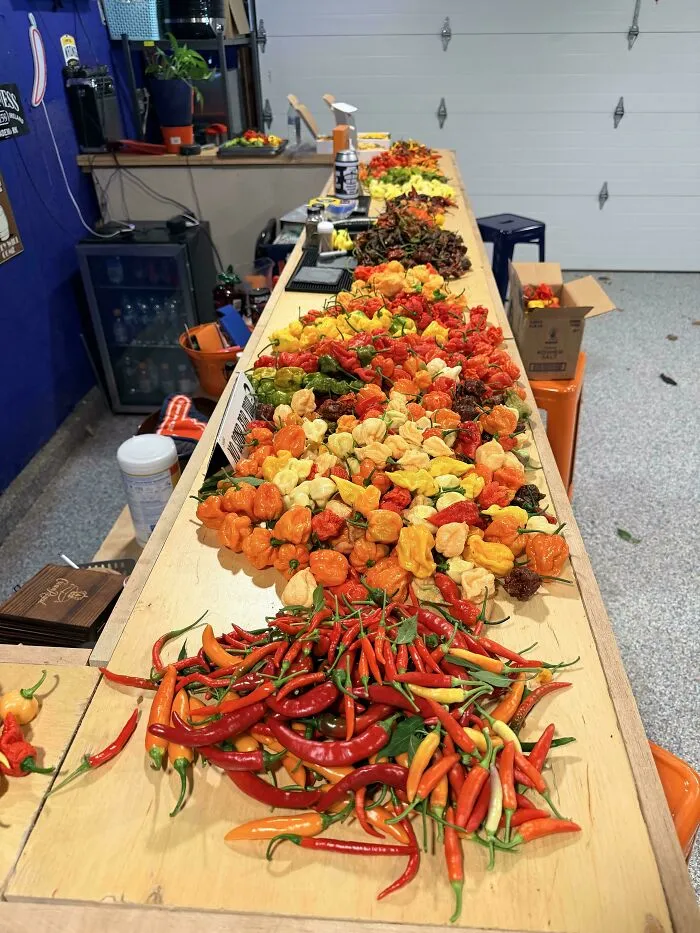
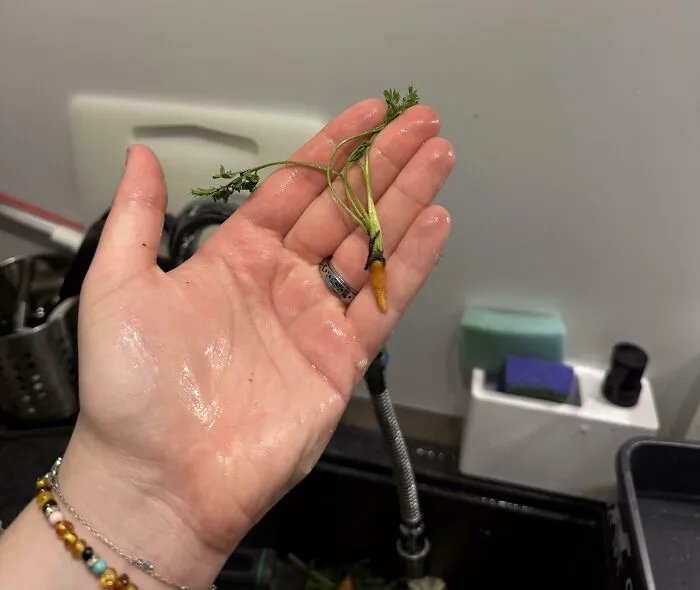
#18 Praise Be To This Mini Strawberry Popcorn Harvest - A Bounty That Will Keep You Snacking ‘Til The End Of The Odyssey!
The best thing an amateur gardener can do is learn how to water their plants without saturating the soil. Too much moisture around the roots can cause rot or prevent vegetables and fruits from taking up nutrients. People need to watch when their soil is drying out and water only when needed, and even less during the monsoon season.
It can be fun to grow a lot of plants, but amateurs need to be careful not to overwhelm their garden. Planting too many vegetables and fruits at once can lead to competition for sunlight, water, and nutrients, which won’t be good in the long run.