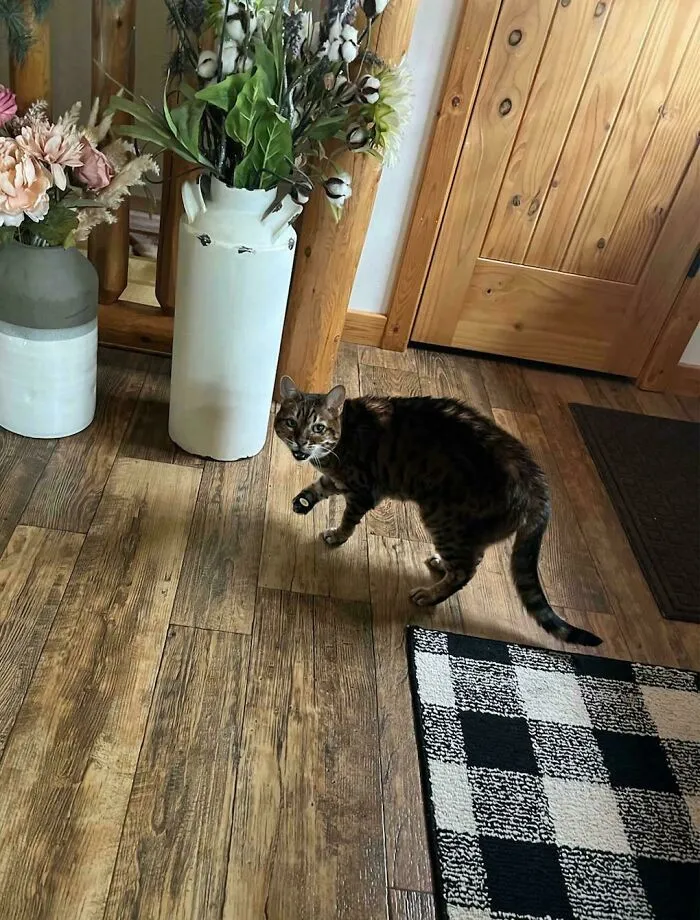



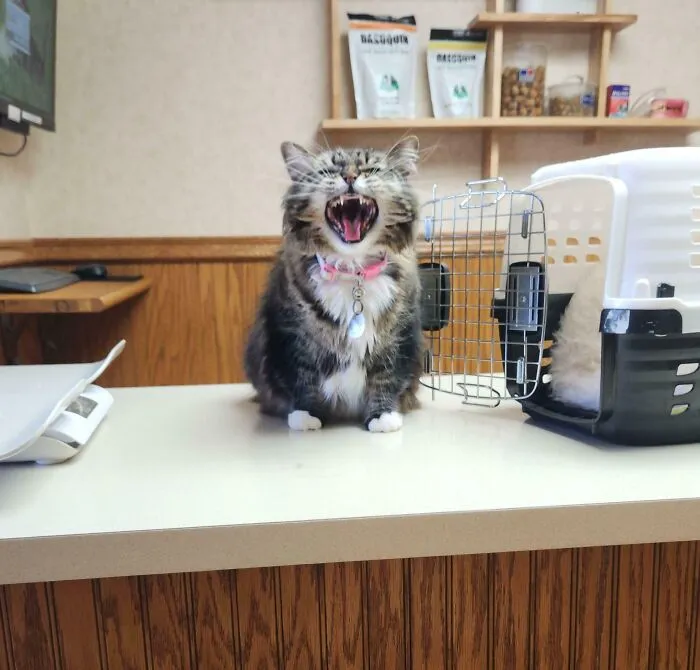
Cats may not be able to explain themselves in words, but they have developed plenty of ways to make their needs known. According to Live Science, domestic cats meow at humans far more often than they do at other adult cats, making the sound an important part of their communication with people.
This behavior begins when they are kittens, using meows to alert their mothers when they are hungry, cold, or stuck somewhere. As they grow older, cats generally rely more on hissing, growling, and other vocalizations when interacting with fellow felines, while continuing to meow at their human companions.
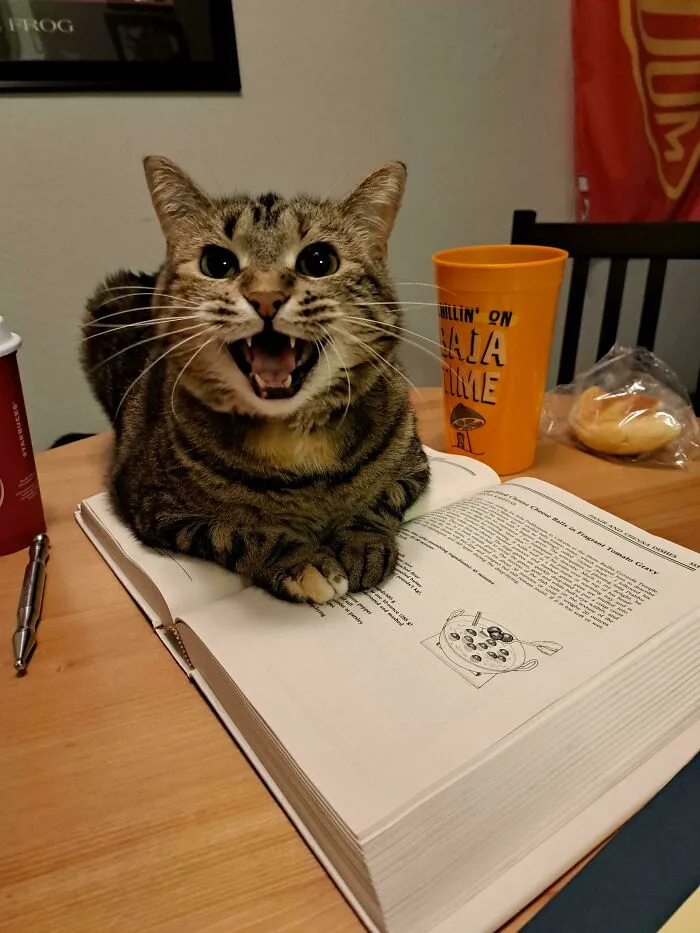
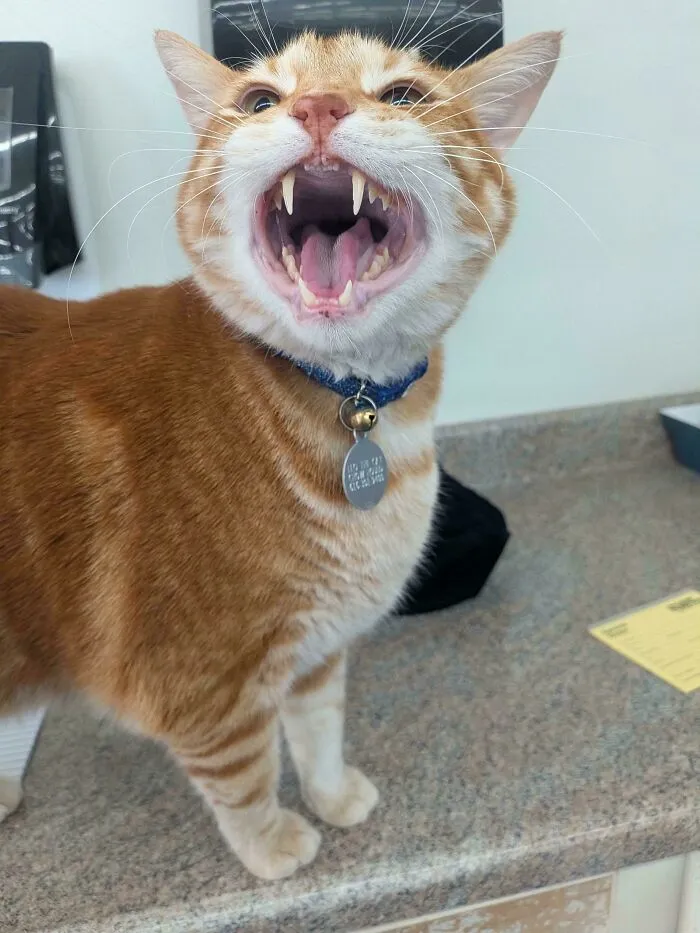
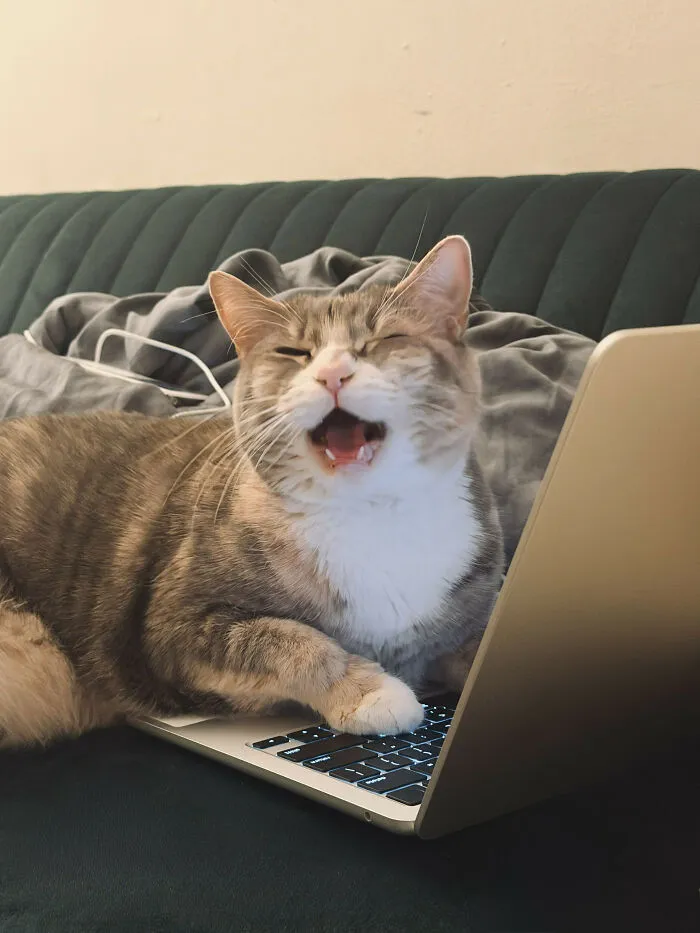
#5 Why Does It Seem Like He's About To Tell Me About The Value Of Buying A Timeshare?
Over time, cats can learn which sounds are most likely to get a response from the people around them. A particular meow might earn them food, attention, or access to a room, encouraging them to use it again. Their vocalizations can also serve as greetings when someone comes home or enters a room, rather than always signaling a demand.
Cats are often more active around dawn and dusk, which helps explain why some owners experience particularly noisy early mornings. Although frequent meowing is usually normal, a sudden change in vocal behavior can sometimes indicate stress, discomfort, or illness, particularly in older cats.
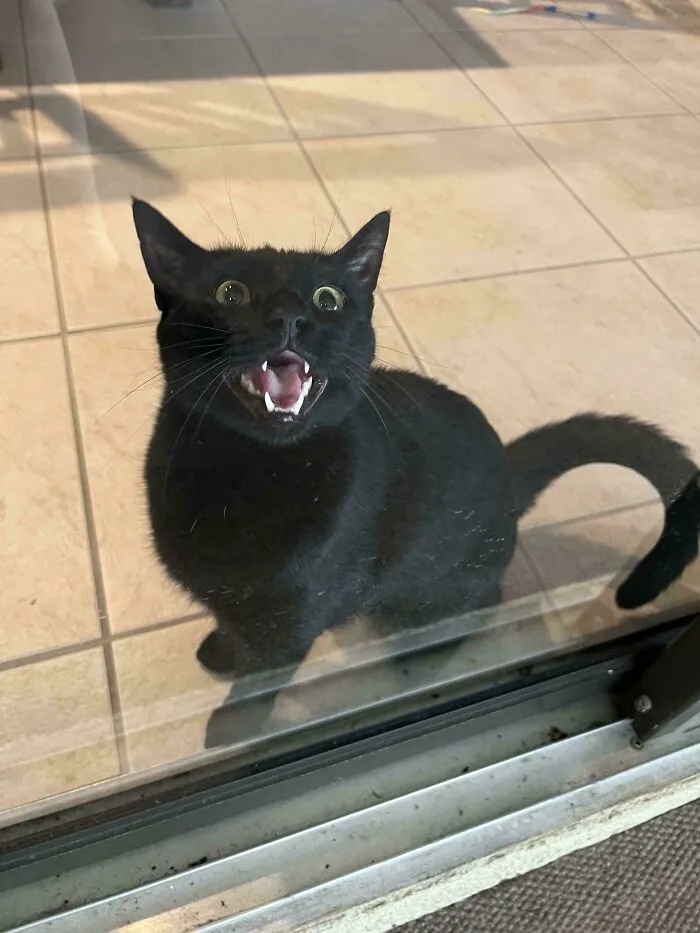
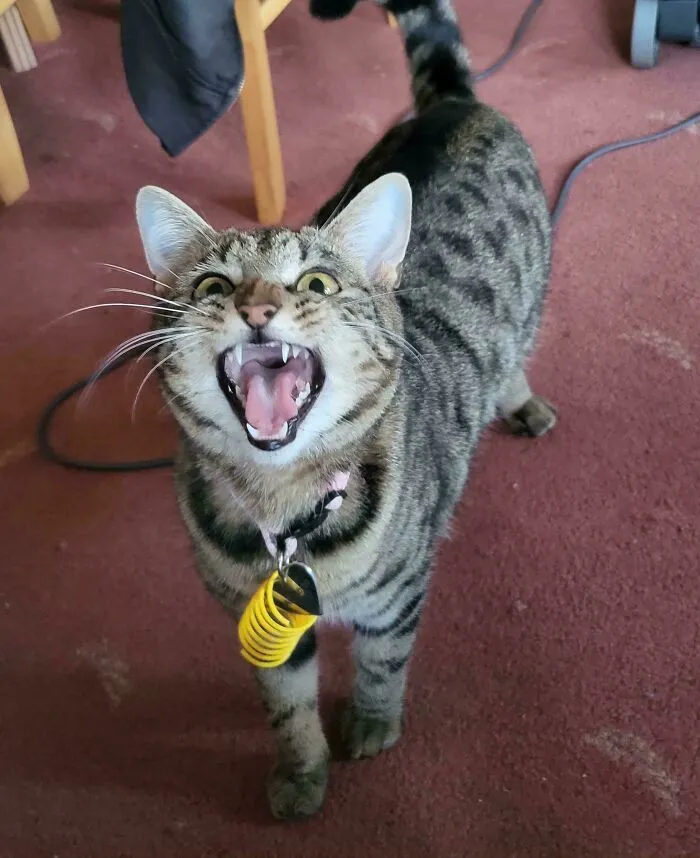
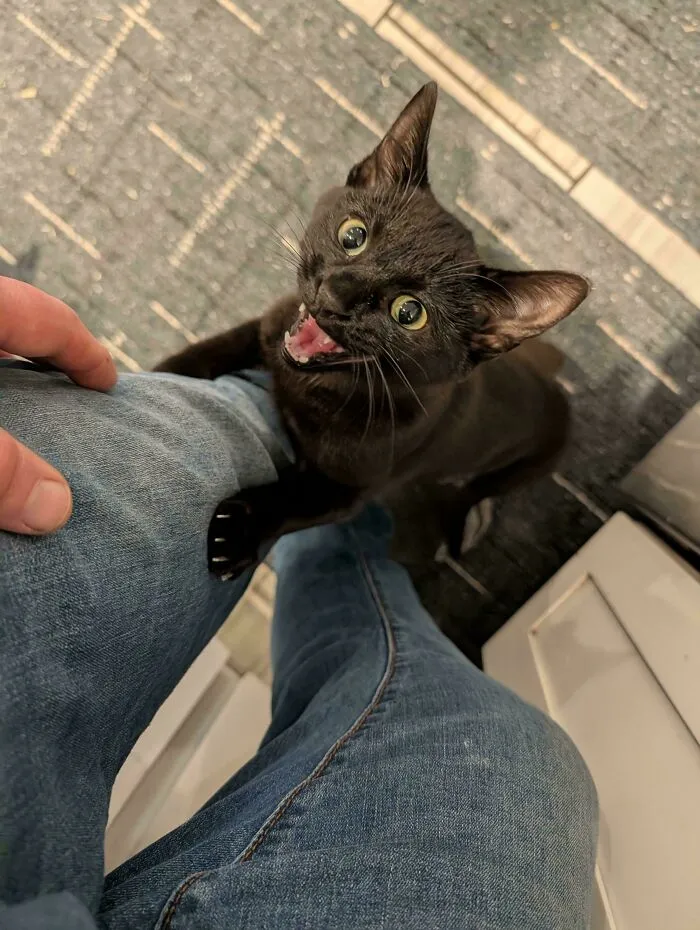
However, not every cat communicates in the same way. Research into feline personalities shows that cats differ in traits such as sociability, playfulness, boldness, and fearfulness. A confident, people-oriented cat may approach visitors and vocalize to get attention, while a more cautious one may prefer keeping its distance and communicating through body language.
These differences help explain why some cats appear to have an endless supply of things to say, while others are considerably quieter. Just as people have different temperaments, cats have individual preferences that influence how they interact with their surroundings.
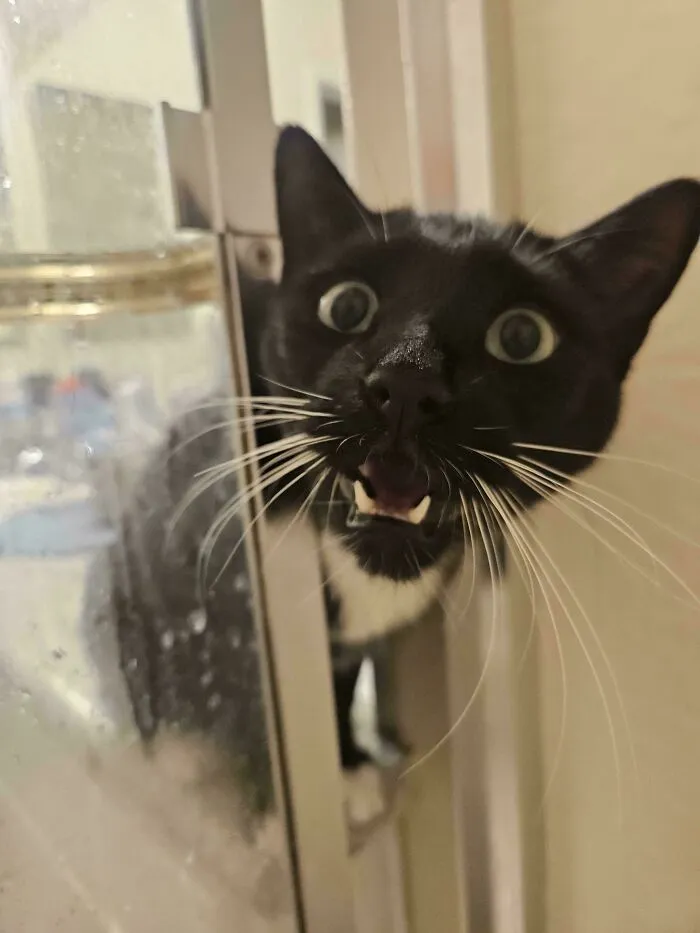

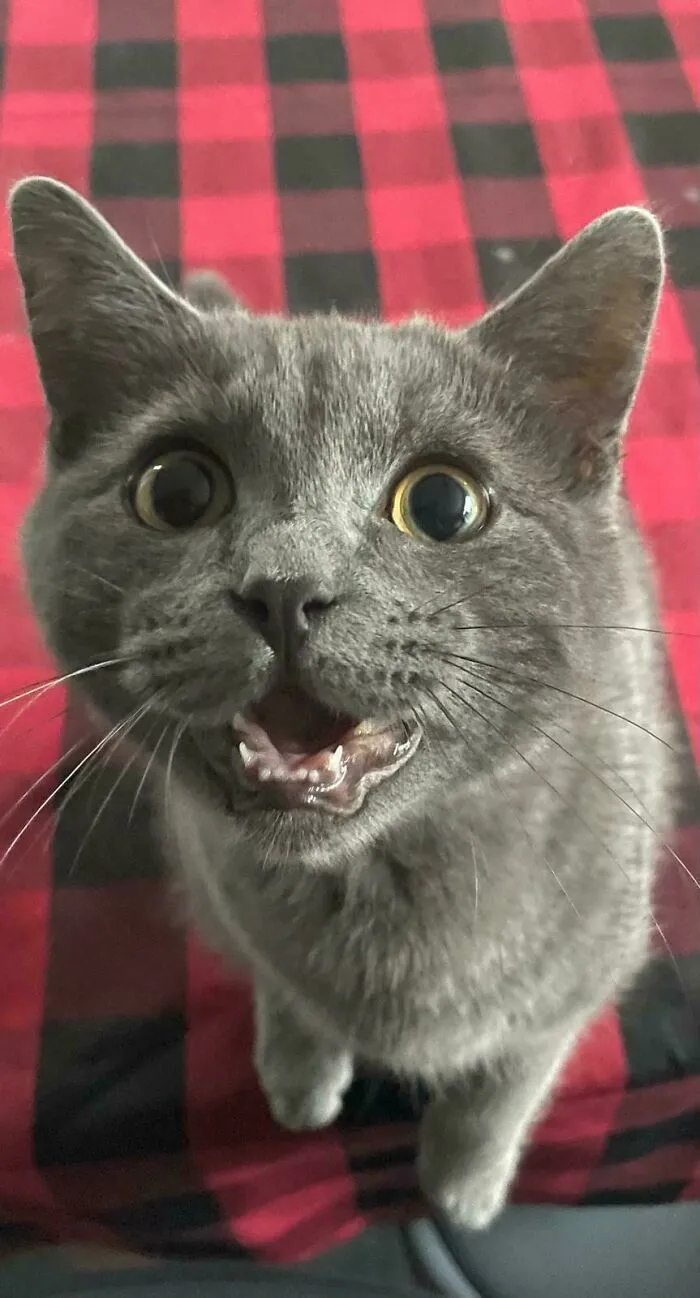
Their communication can also become tailored to the people they live with. Cats may adjust the pitch, melody, and intensity of their meows depending on the situation, whether they want food, playtime, or a door opened. One cat might greet its owner with a brief, high-pitched sound, while another might become particularly vocal when dinner is late.
People also tend to understand familiar cats better than unfamiliar ones, partly because they learn to recognize their usual behaviors and vocal patterns. This familiarity can make it easier to distinguish an ordinary greeting from a request for attention, although it does not mean owners can always interpret their pets correctly.
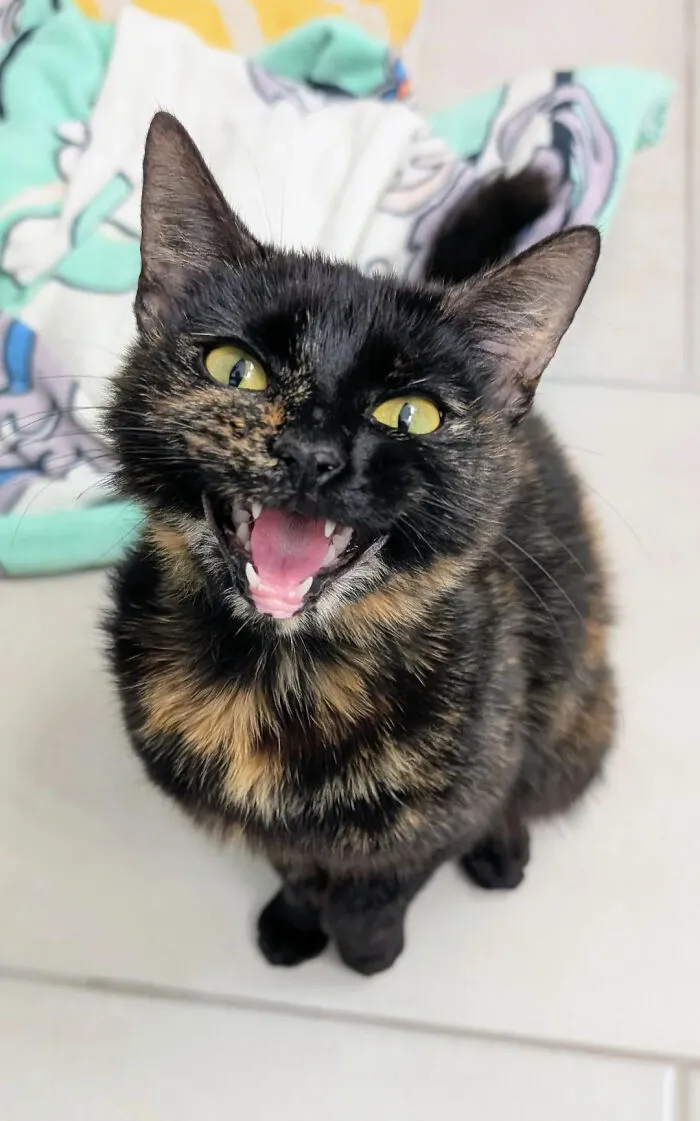
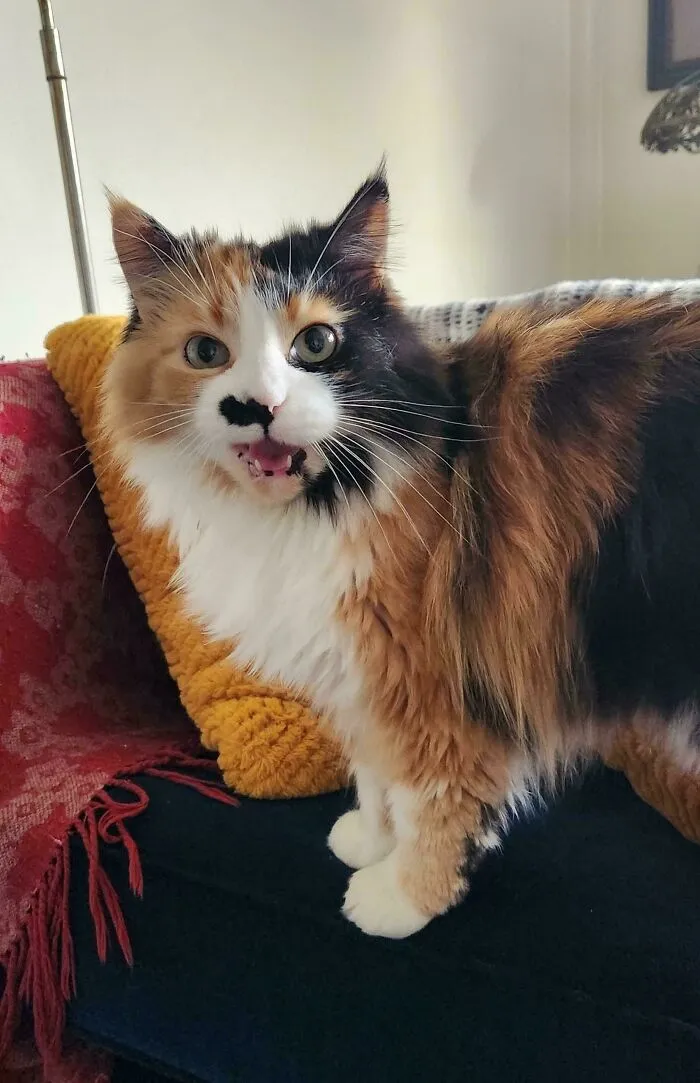
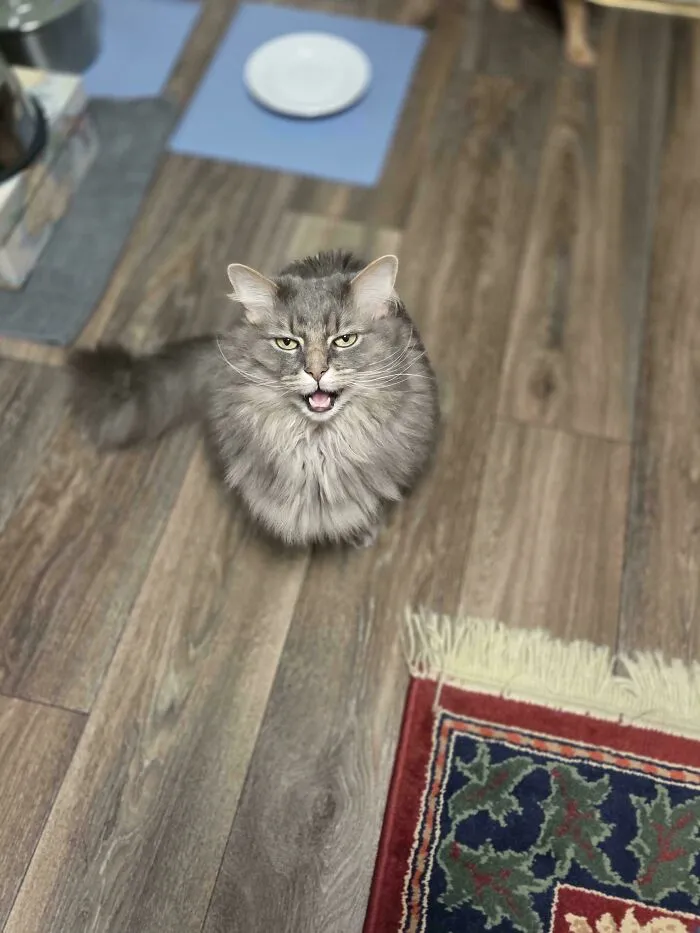
#14 She’s Actually Yelling At Me To Feed Her My Meds Thinking They’re Her Treats
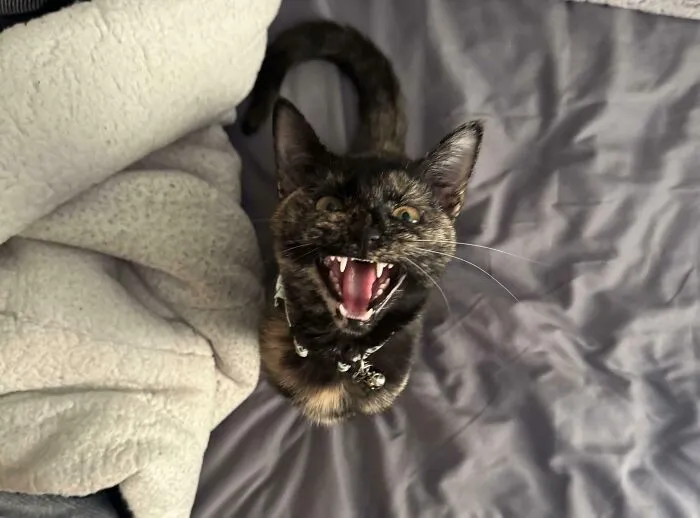
Beyond meowing, cats use an assortment of sounds, expressions, movements, and scents to communicate. National Geographic explains that purring, for example, does not always indicate happiness. Cats may also purr when frightened, stressed, unwell, or in pain, possibly as a way of soothing themselves.
Trills are commonly associated with friendly greetings, while chirping and chattering often occur when cats watch birds or other prey they cannot reach. Hissing generally serves as a defensive warning, while growling can signal greater discomfort. These sounds demonstrate why a cat's open mouth does not automatically reveal whether it is excited, frustrated, frightened, or simply trying to get someone's attention.
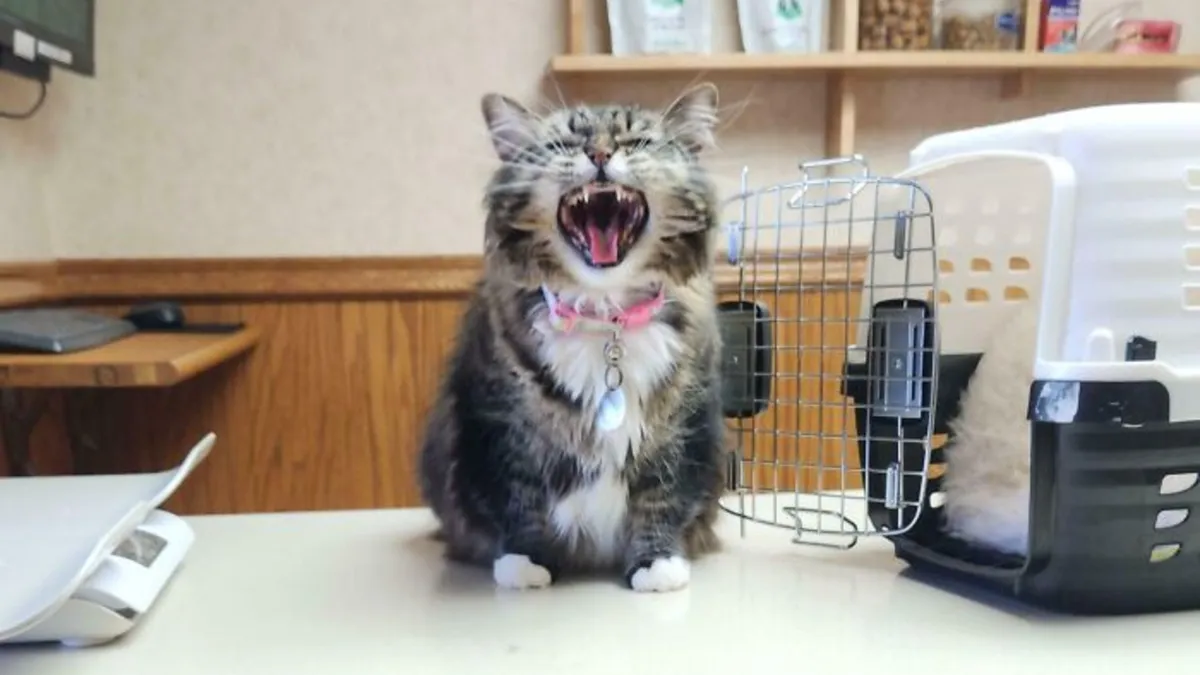
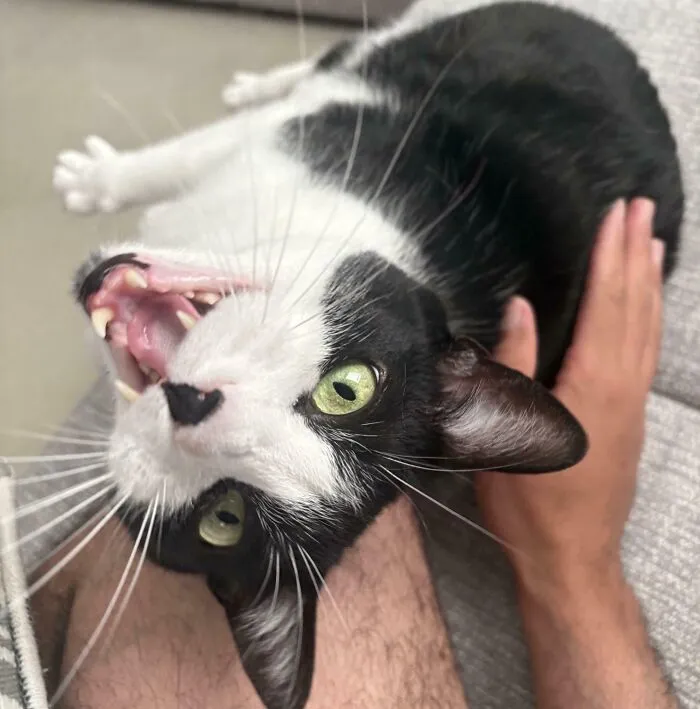
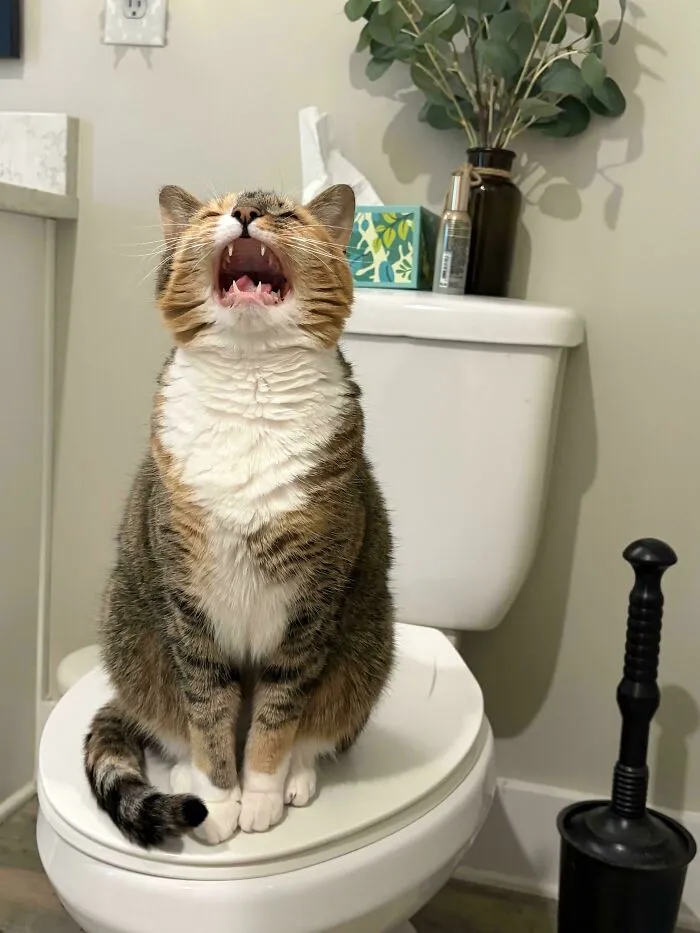
#16 Her Argument Was Eloquent And Moving, But Dinner Time Is Still Not Gonna Be Served 4 Hours Early


Body language adds another layer to this communication system. Cats use their ears, tails, facial expressions, and posture to convey information, while rubbing their cheeks against people or furniture allows them to deposit scent and mark familiar surroundings. The research discussed by National Geographic also suggests that people can interpret cats more accurately when they combine visual and vocal cues rather than relying on sound alone.
Even facial expressions can provide clues about a cat's emotional state, although some people are better at recognizing them than others. A funny photograph may capture a particular moment beautifully, but it rarely provides all the information needed to understand what an animal is experiencing.