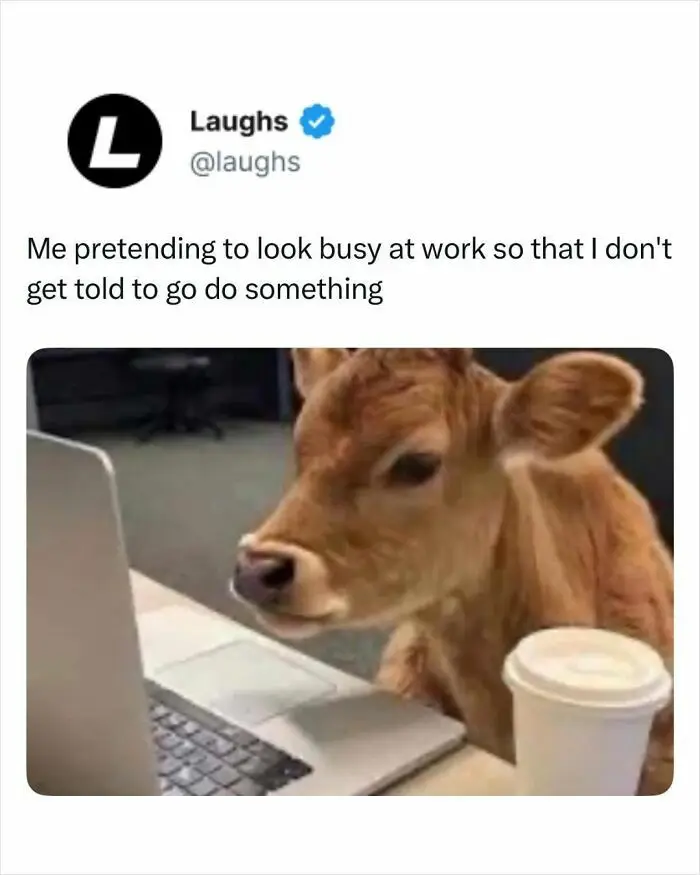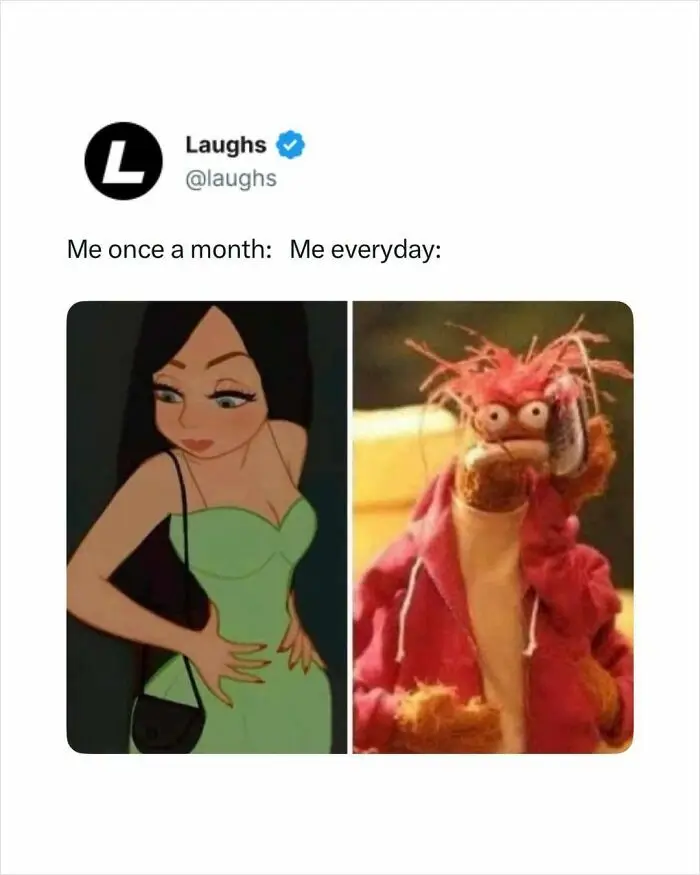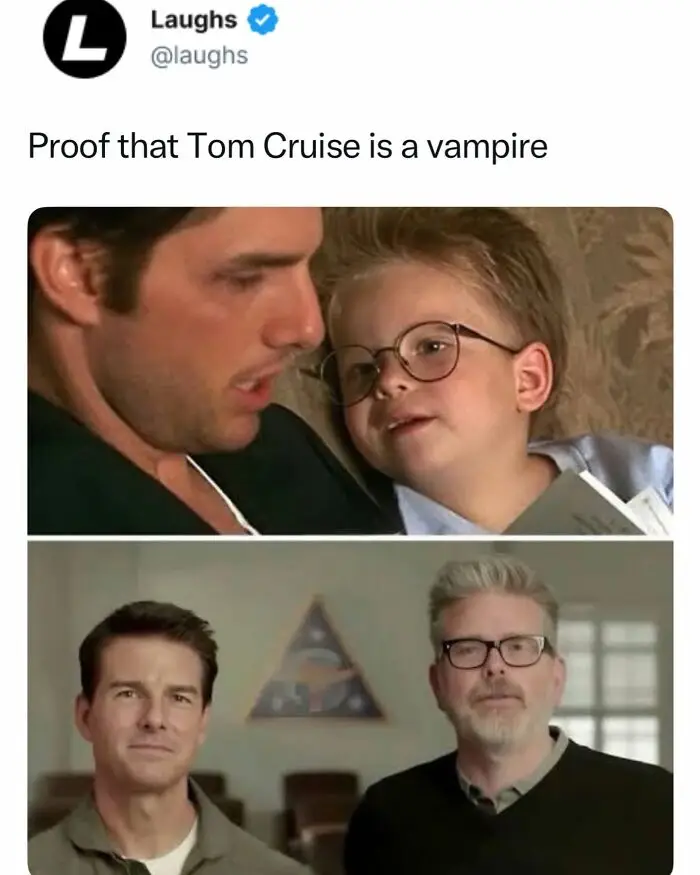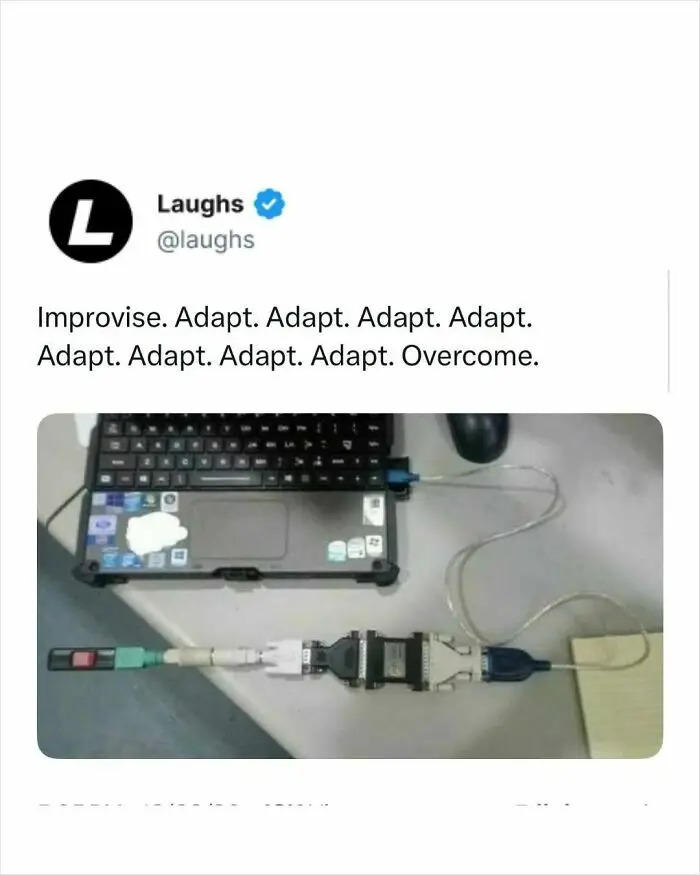



A meme succeeds because it is intertextual, meaning it relies on our shared knowledge of other media to make sense. It requires a high level of fecundity, which is just a fancy way of saying it must be easy to copy and share. When you hit the share button on a social media post, you are acting as the biological vehicle for that meme. You are giving it the chance to find a new host and continue its lineage.
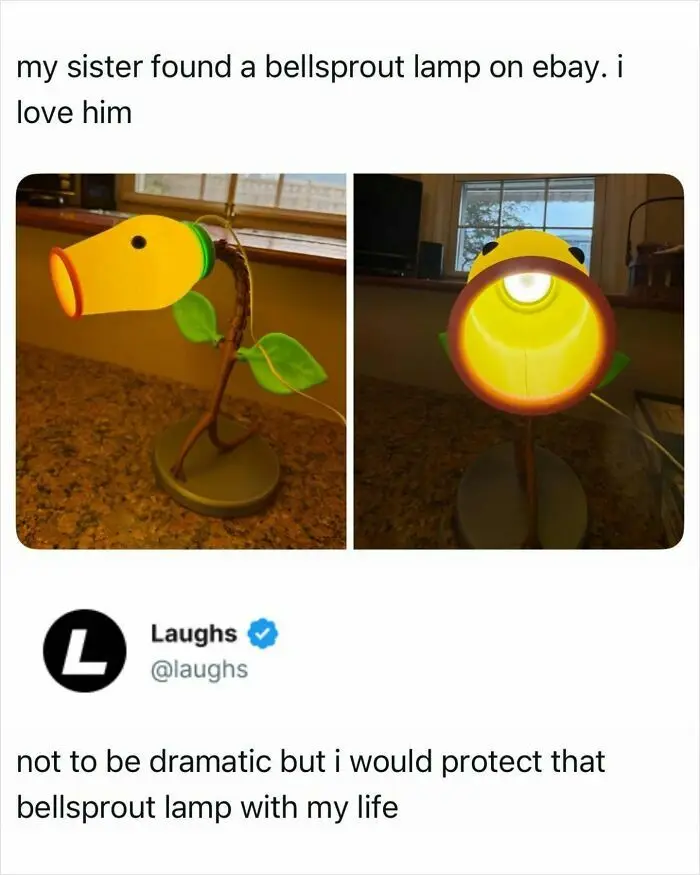


The humor often comes from the subversion of expectations, but the survival of the meme depends on its ability to stay relevant in a rapidly changing digital landscape. There is something slightly humbling about the idea that we do not just use memes, but that memes use us.


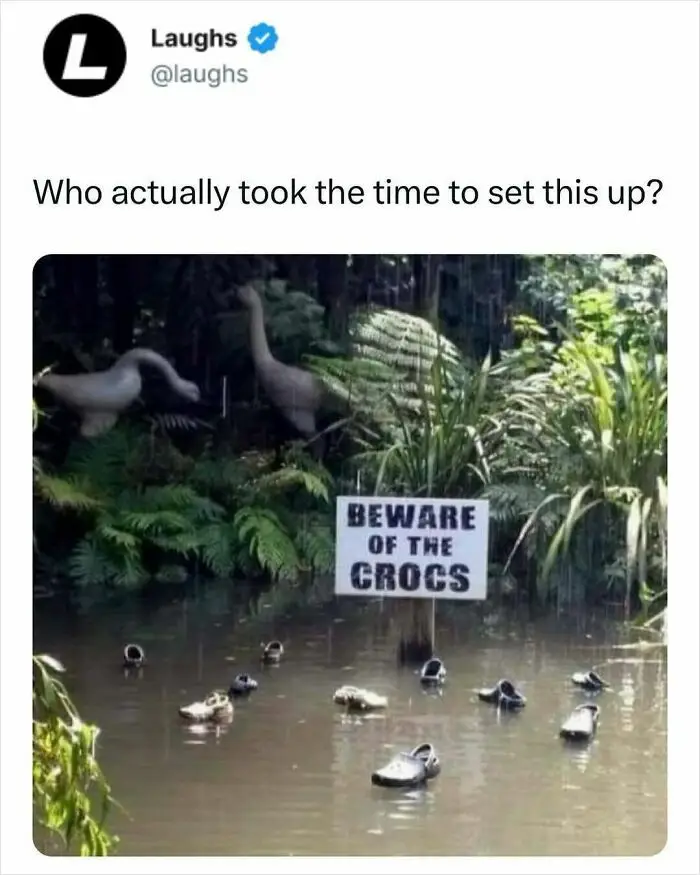
We often think of ourselves as the masters of our digital domains, yet we are frequently compelled to share things simply because they resonate with our internal programming. This brings us back to the original intent of the word. It was designed to show that information has a life of its own.

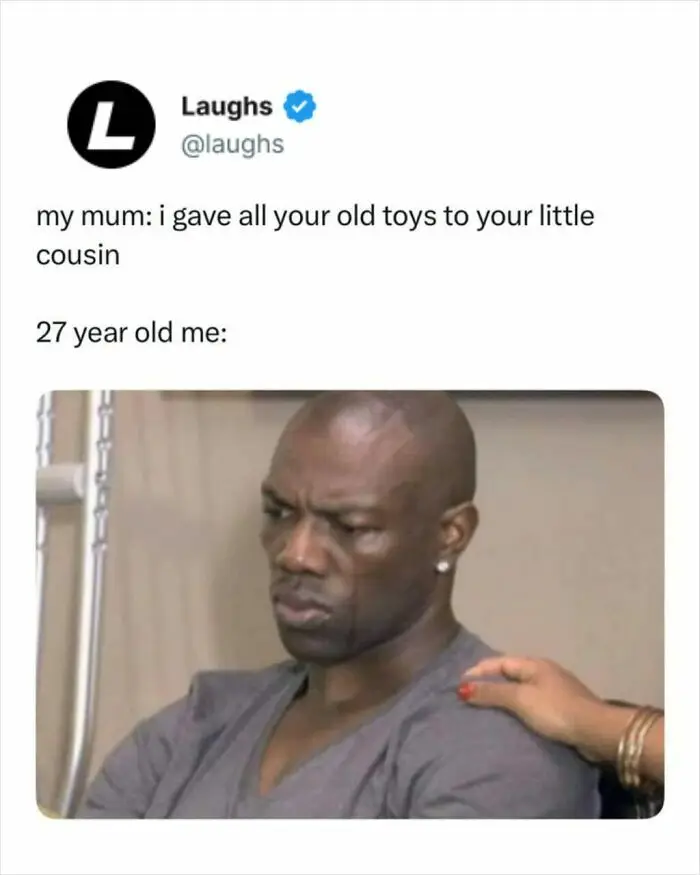

Whether it is a complex philosophical argument or a video of a dancing baby, the meme follows the same rules of replication and selection. It is a testament to the power of human connection that a word born in a book about genetics could become the primary way we describe our collective online experience. We are the architects of this digital ecosystem, but the memes are the ones truly living in it.