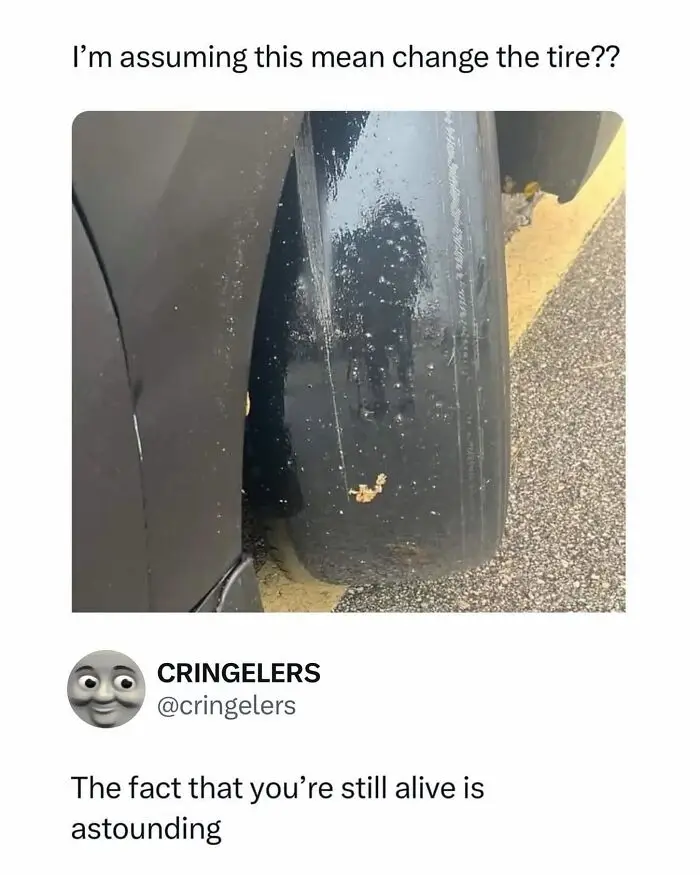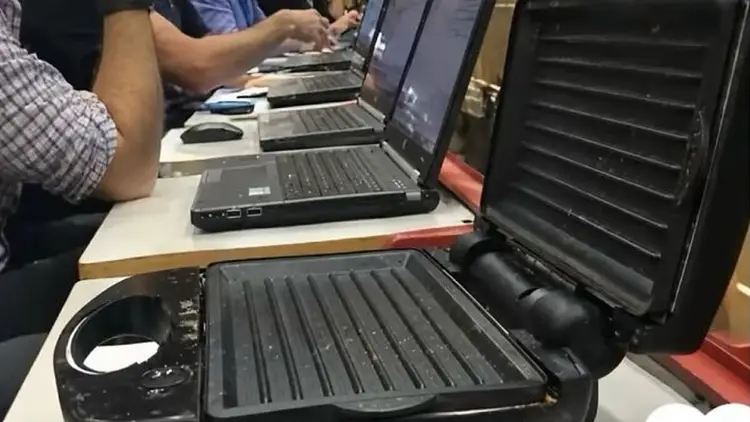



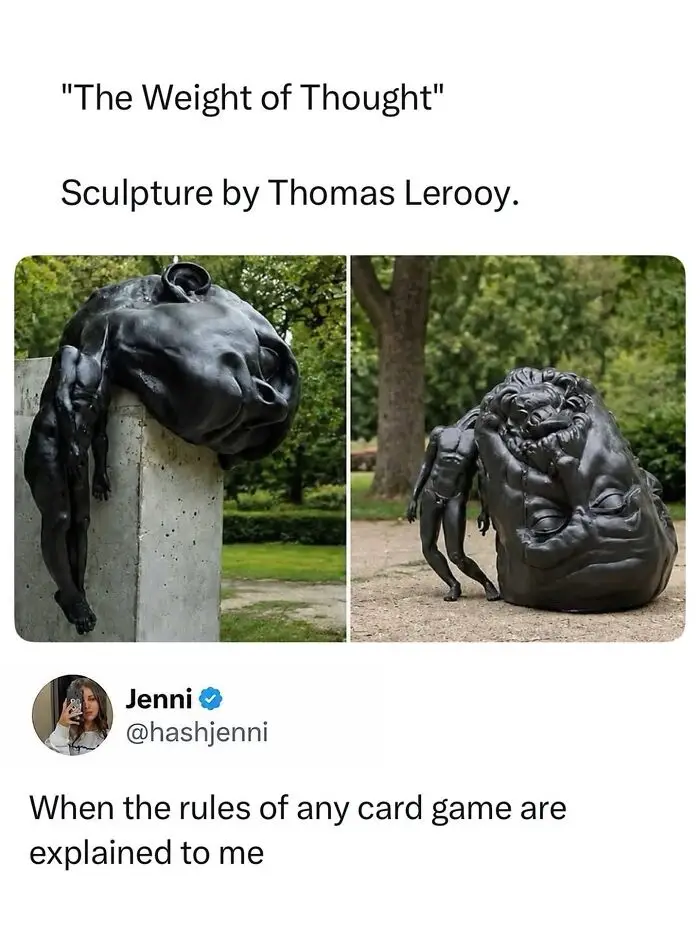
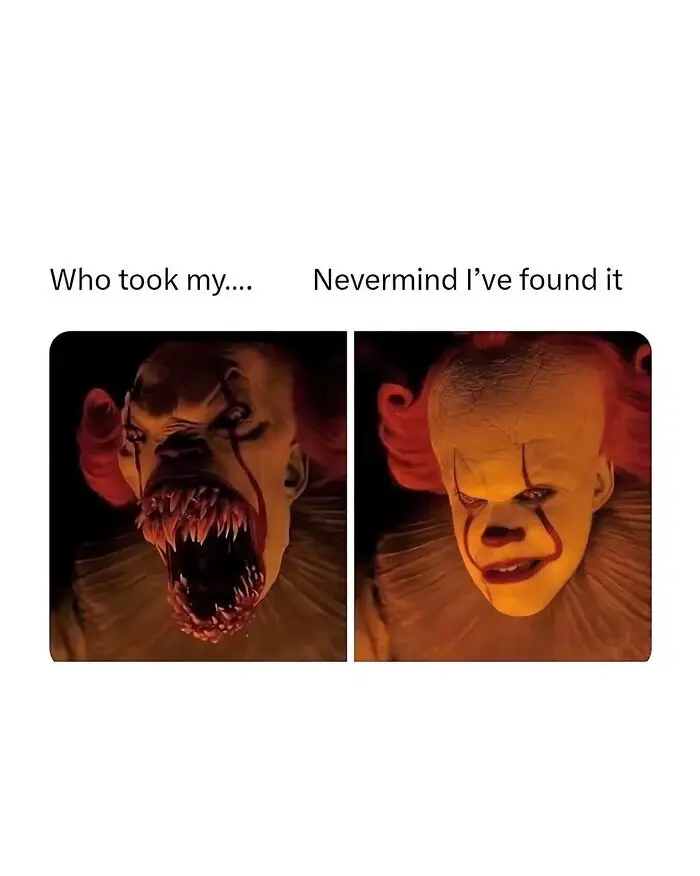
A meme is rarely funny because of the image alone or the caption alone. The magic happens in the gap between them. A dramatic painting paired with a complaint about printer trouble, or a serious news photo captioned with something wonderfully ordinary, makes your brain do a quick double take.
Researchers who study this have found that the mismatch between a meme’s image and its text is a key ingredient of the humor, and one team of computer scientists even gathered funniness ratings for 7,500 memes to teach a program to spot it. The takeaway for the rest of us is simple. When the picture says one thing and the words say another, the laugh lives right in the middle.
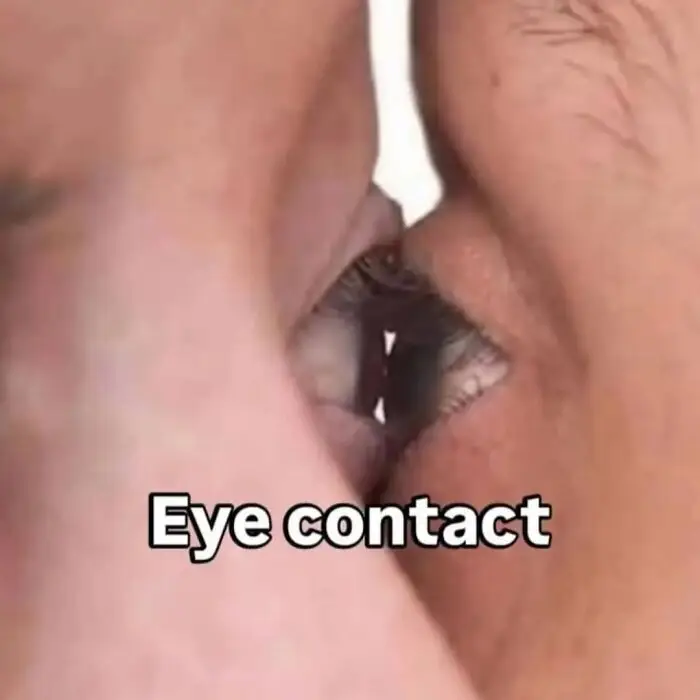
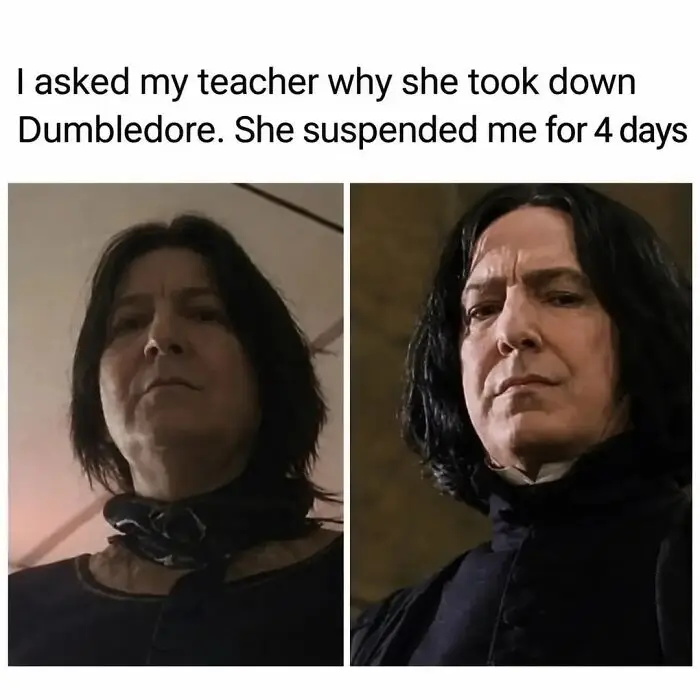
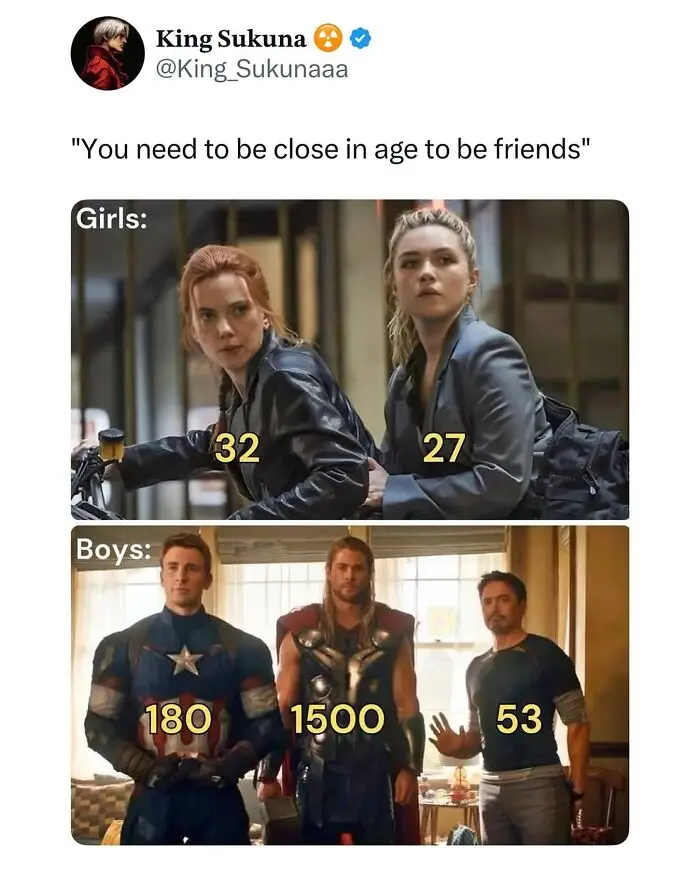
Then there is the fact that great memes are built to be borrowed. The most popular ones work like blank templates, giving everybody the same frame while inviting them to fill in their own life. Know Your Meme, the online encyclopedia of internet culture, points out that every meme copies some pattern from an earlier one. That is exactly why the same smug cartoon or the same startled stock photo can star in a thousand different jokes about homework, laundry, or Monday.
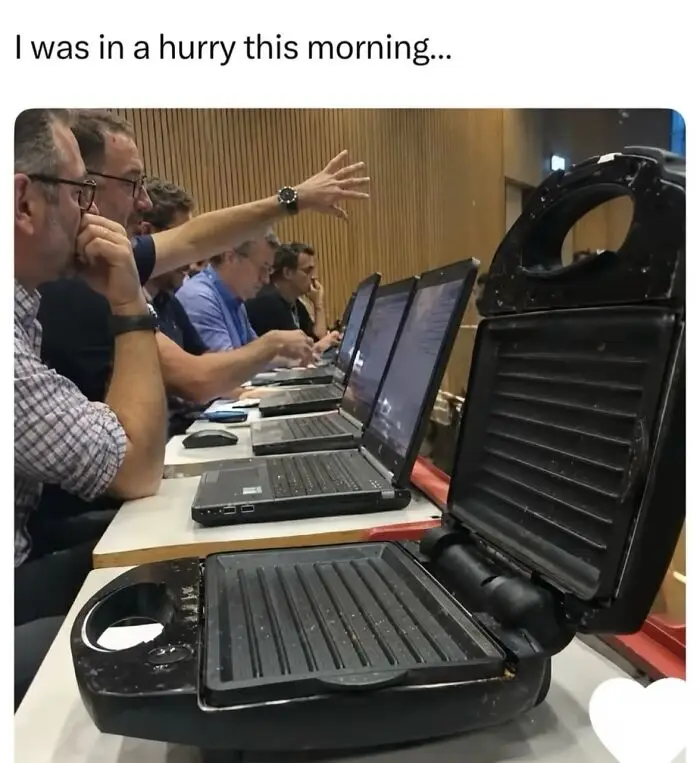
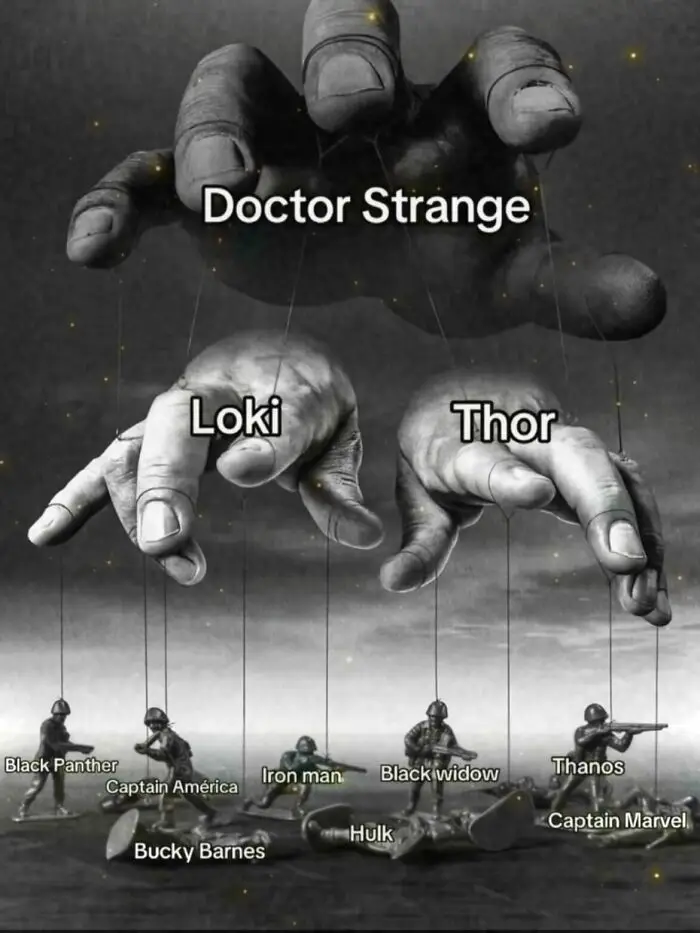
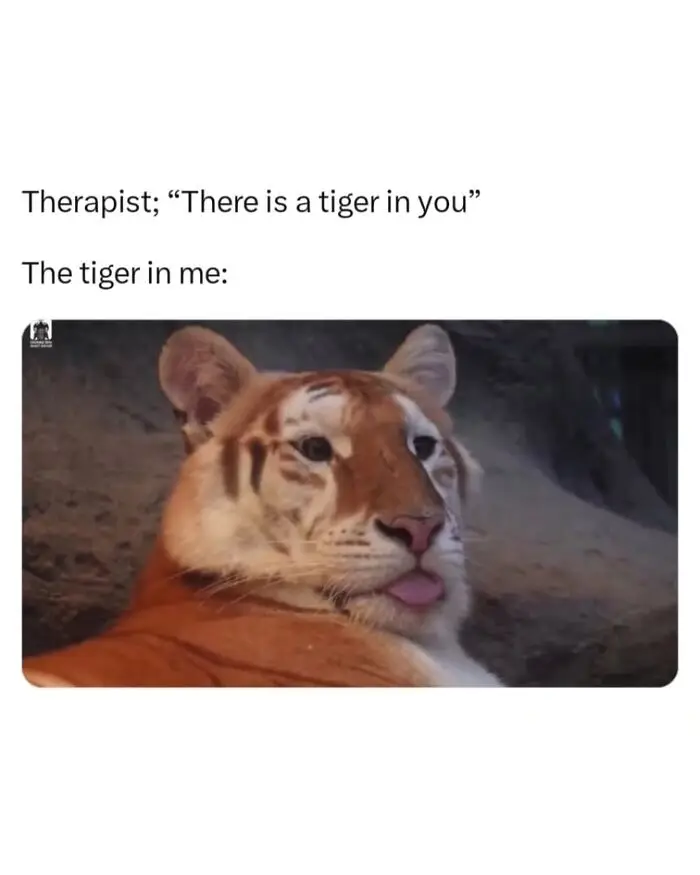
The structure does the heavy lifting, so each new creator only has to supply the twist. It is also very close to what scientists have said about ideas in general, since the field of memetics treats culture as a pile of things that get copied, tweaked, and kept only if people like the result. Honesty is another underrated ingredient.
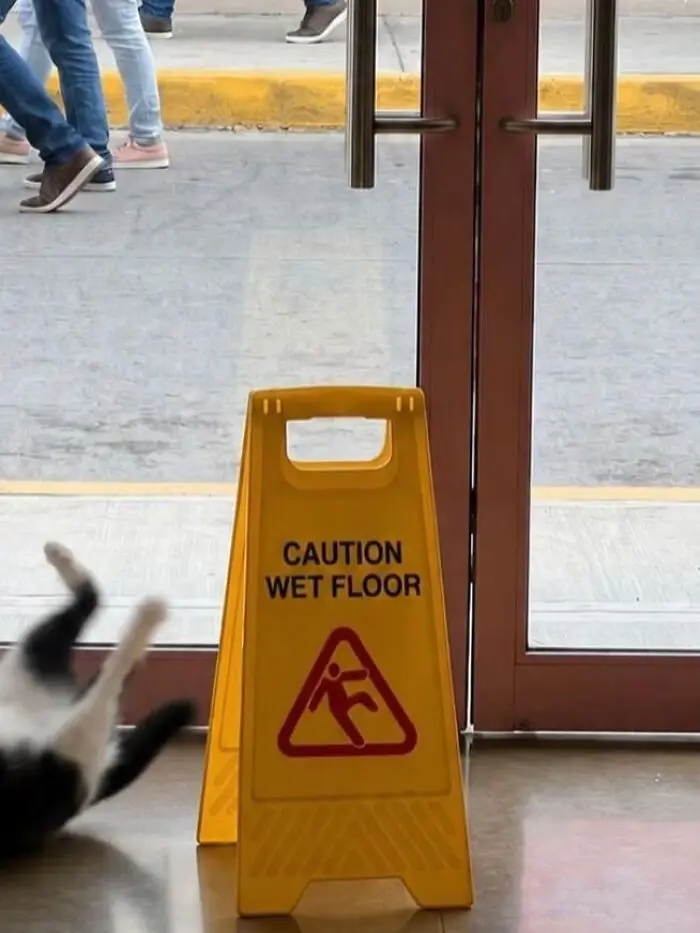
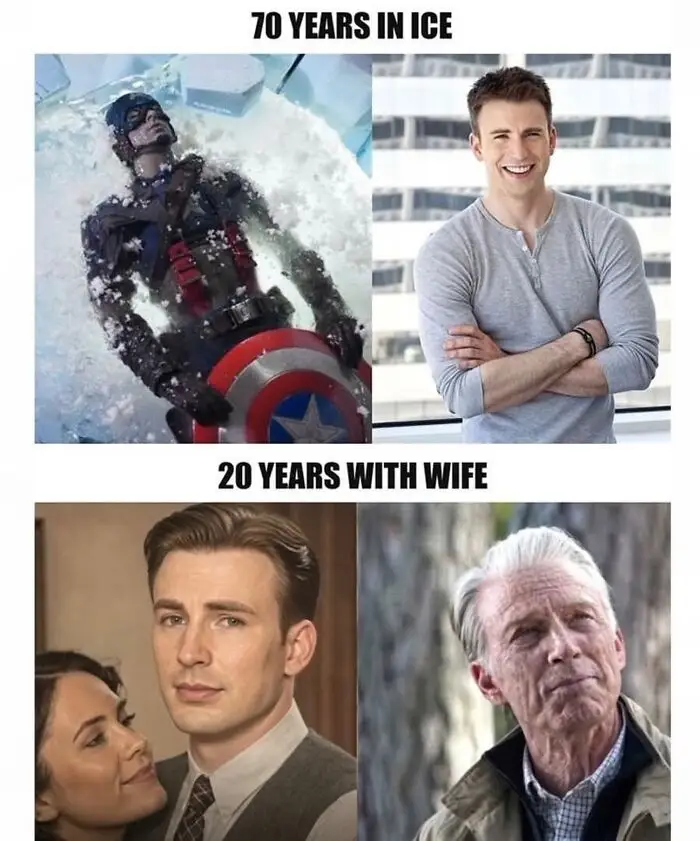
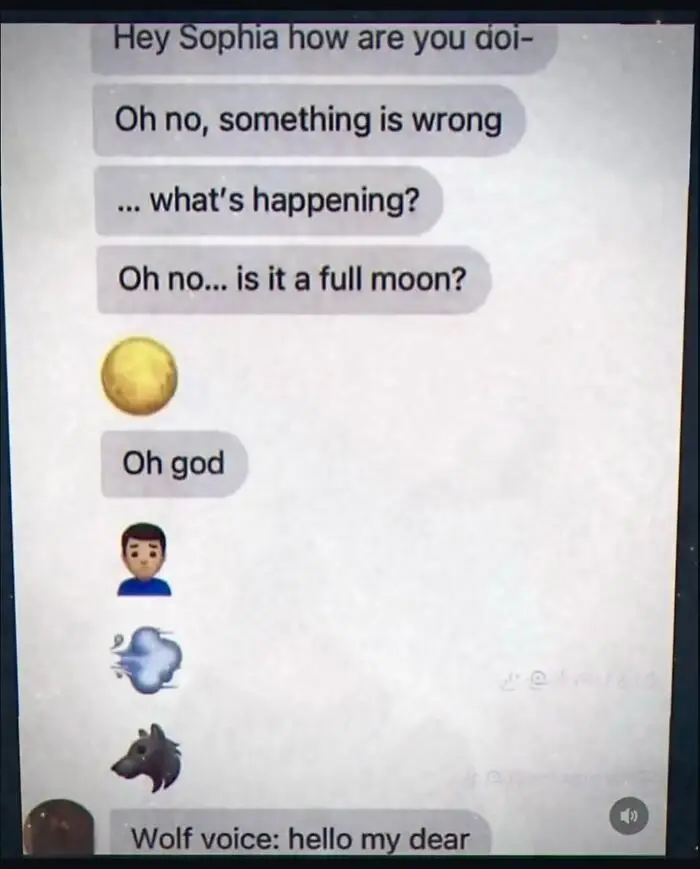
The memes people cling to tend to poke fun at a small, universal failure rather than at some distant stranger. Forgetting why you walked into a room, hitting snooze five times, or opening the fridge for the third time hoping new snacks will have appeared are all things nearly everyone does and nearly everyone is a little embarrassed about. Laughing at them together feels like a collective shrug. Nobody is being mocked, and everybody is in on it, which is a big reason this kind of humor travels so well.



Clarity comes next, and it might be the least glamorous rule on the list. If a viewer has to stop and decode a meme, the moment is gone. Research reported by PsyPost suggests that jokes work better when they are easy to follow, because understanding the surprise quickly is what lets it feel funny instead of puzzling. That is why strong memes use big readable text, one clear idea, and a layout the eye grasps instantly. Fewer words almost always beat more words.
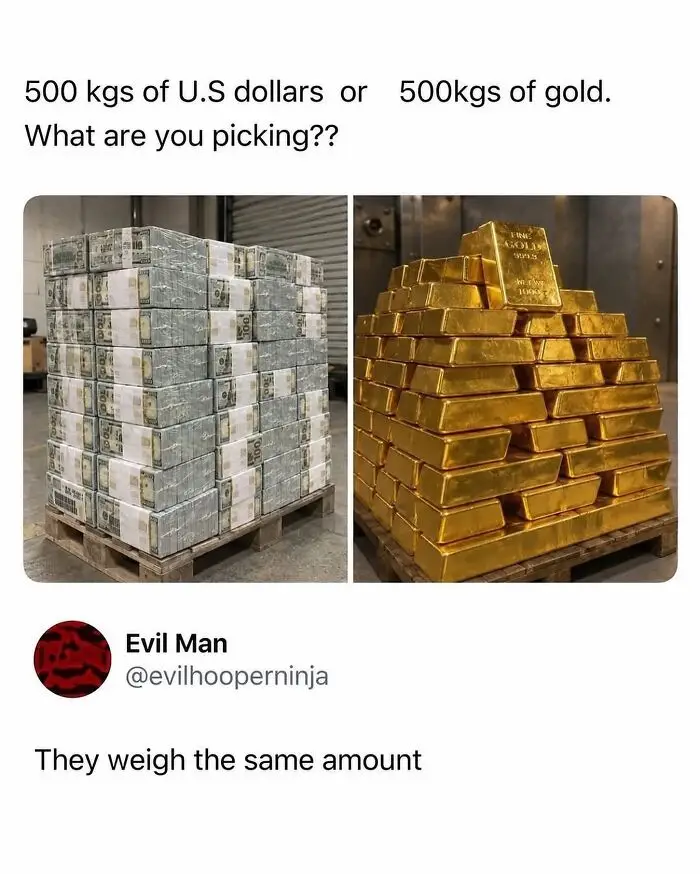
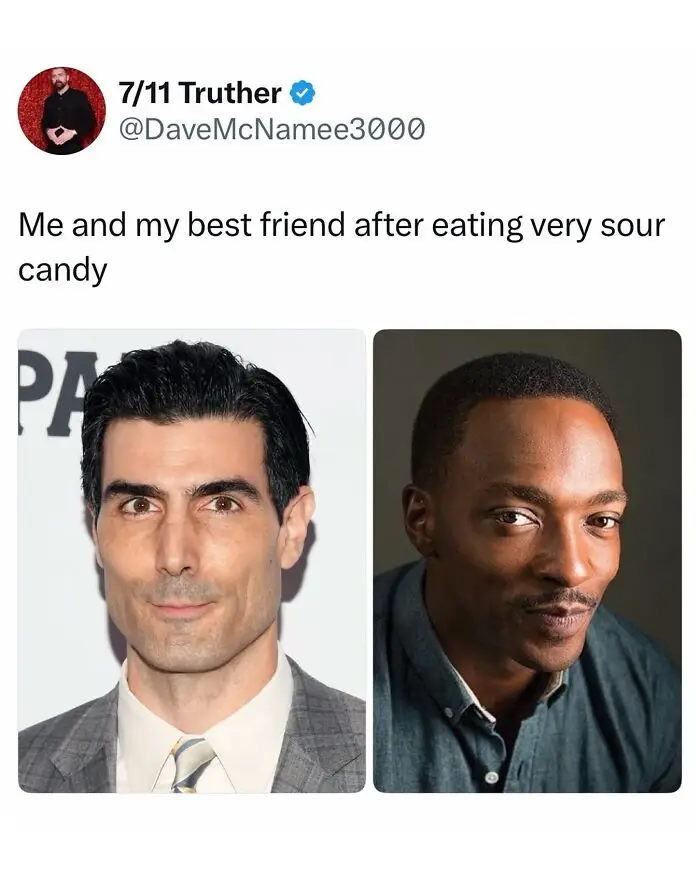
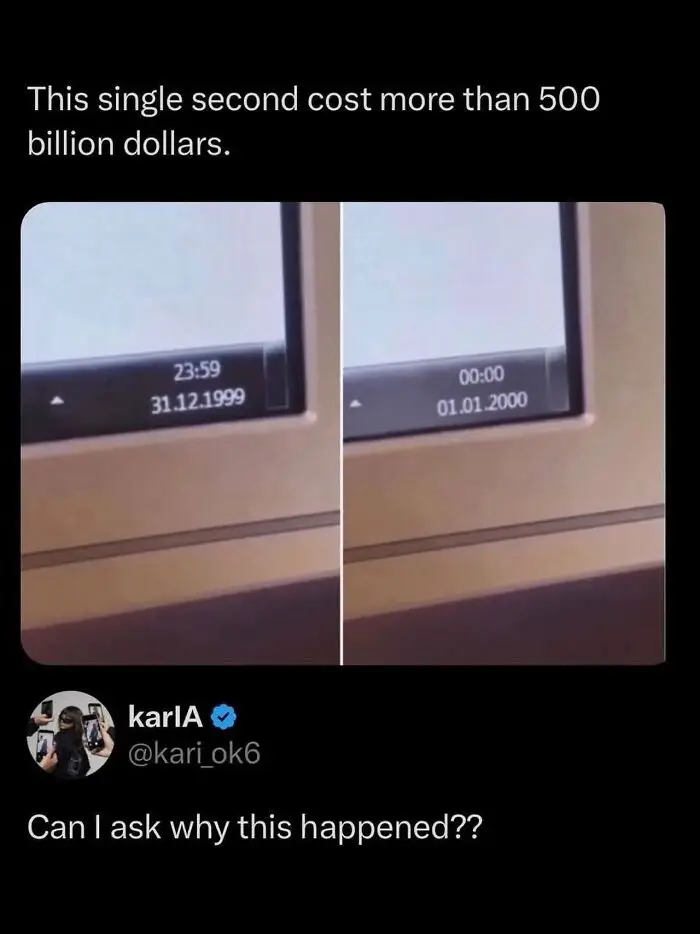
Community adds a layer that no formula fully captures. Some memes are only funny if you belong to a particular crowd, such as gamers, teachers, nurses, bakers, or fans of one very specific cartoon. That might sound like a limitation, but it works the other way around.