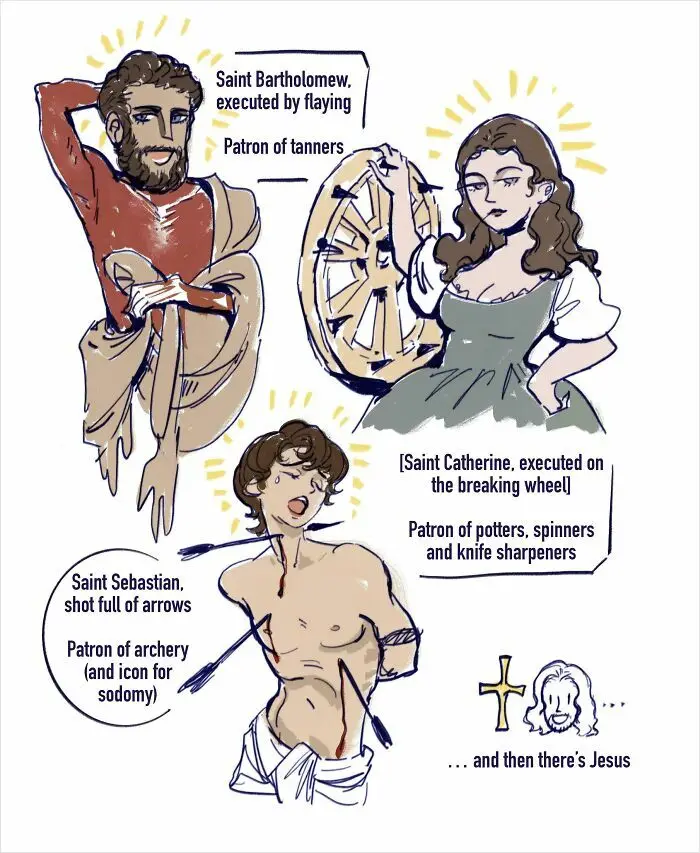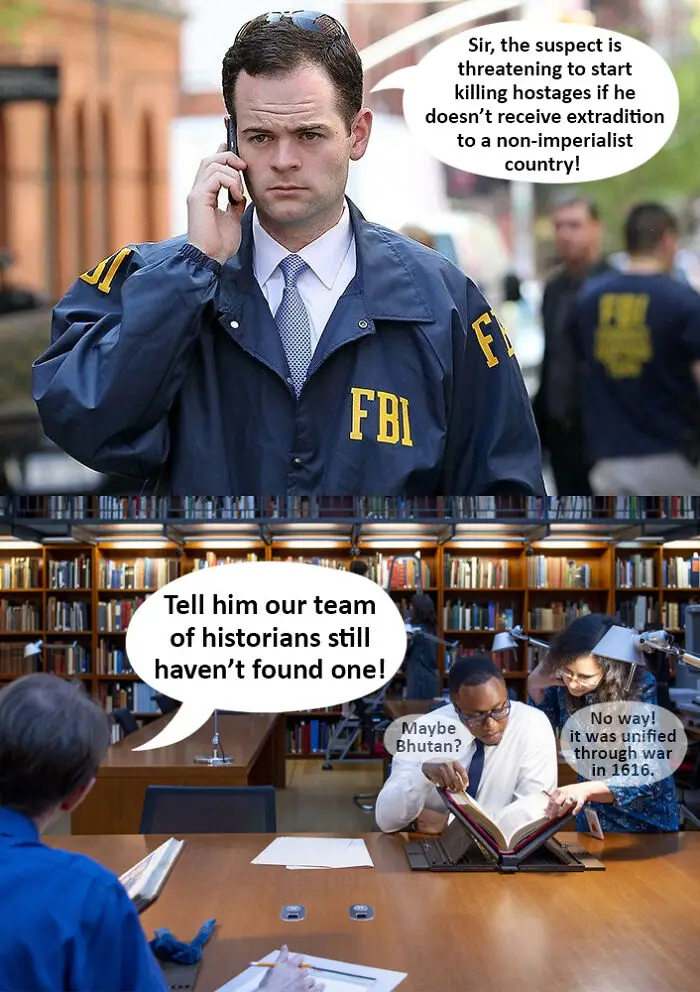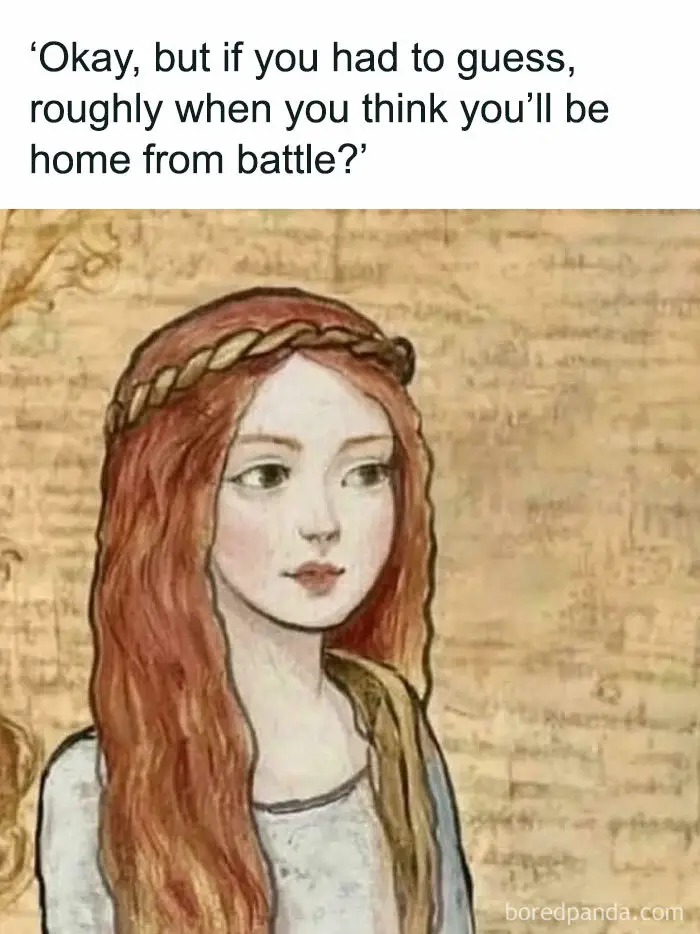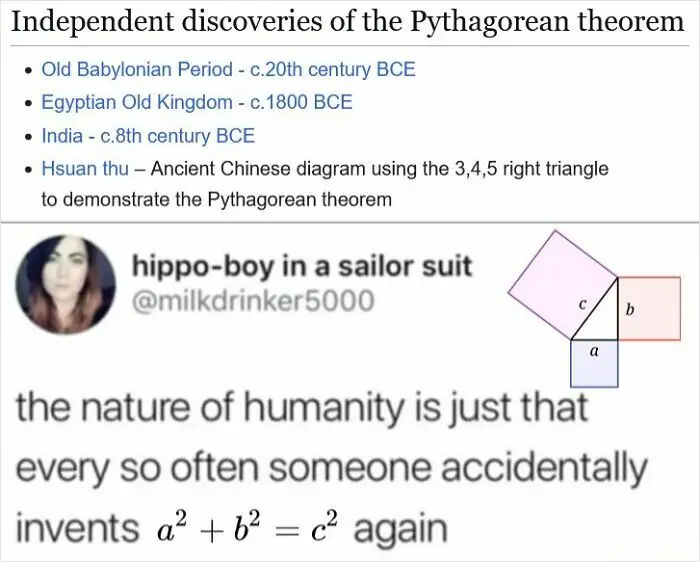



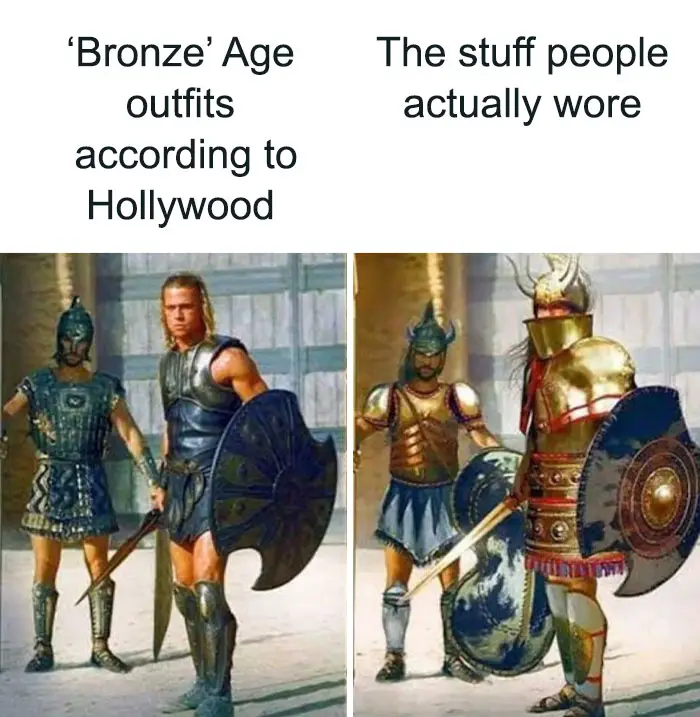
#21 Hollywood Tends To Think That Colors Were Only Invented After The 20th Century
Walke explained that memes have become a tool for modern teachers. “When we make presentations, teachers will add a meme or two at the start, it’s like a hook,” she shared. “The moment students laugh, they relax. They pay attention. And once you have their attention, it’s easier to explain the tricky stuff.” For teachers, memes are just another way to connect.
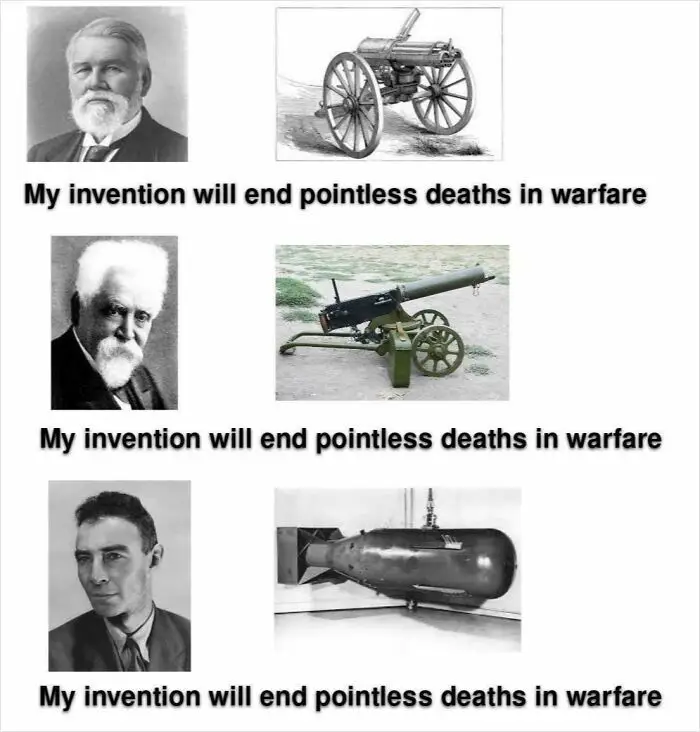


But it’s not just about showing students memes, it’s about making them think critically too. “Sometimes, students come back to us with memes they found online about what we discussed,” Walke said. “They want to know if it’s true, or what the joke means. That opens up new discussions. They’re curious, they research more and they learn without even realizing it.”


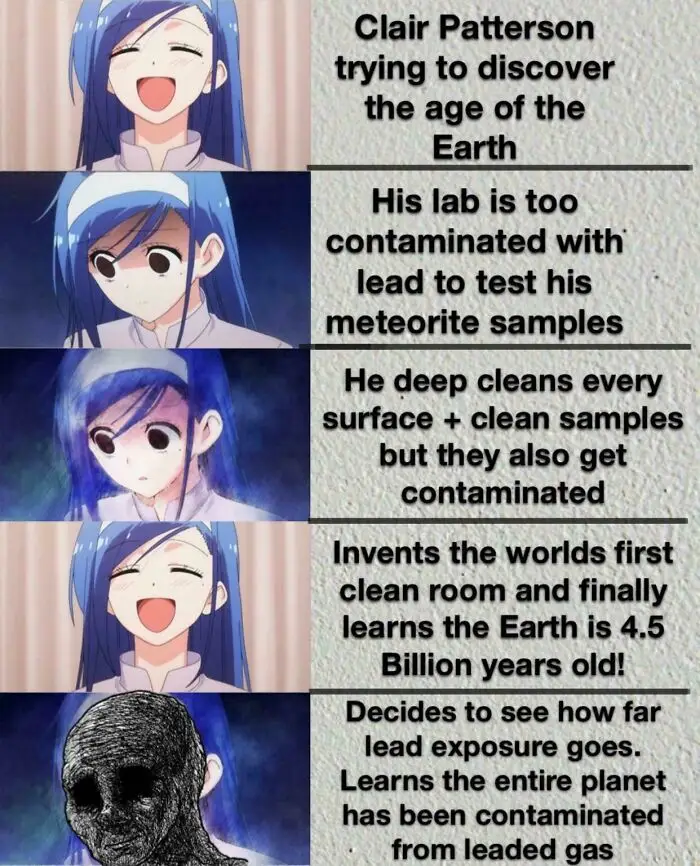
Of course, there’s a catch: not every meme is factual. Walke admitted that fact-checking is important. “We double-check the memes we use in lessons,” she said. “But students can find memes that twist facts or spread myths. So we remind them, always verify the information. And actually, that’s a great skill to learn too.”
In the end, Walke believes the meme revolution is here to stay and for good reason. “Learning doesn’t need to be boring,” she said with a smile. “If a meme makes a student giggle and remember how DNA replicates, then why not use it? Education can be fun and meaningful, sometimes all it takes is a clever joke and an open mind.”