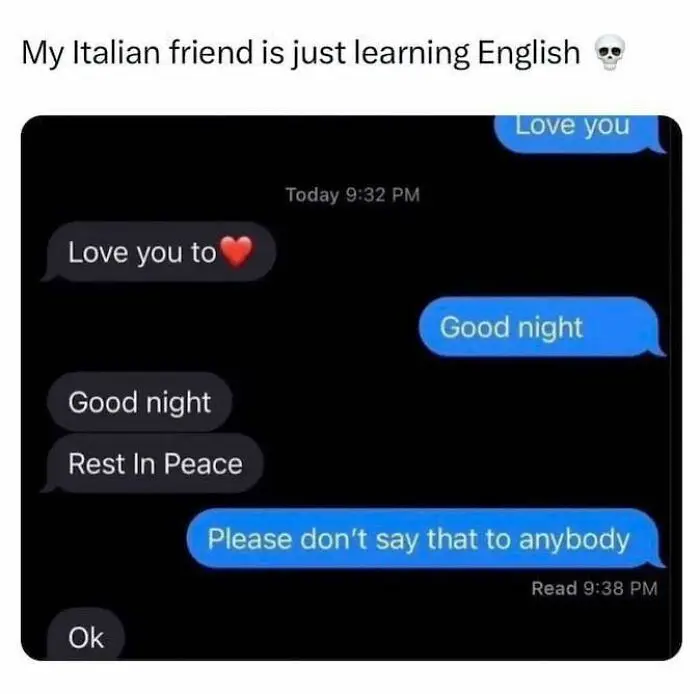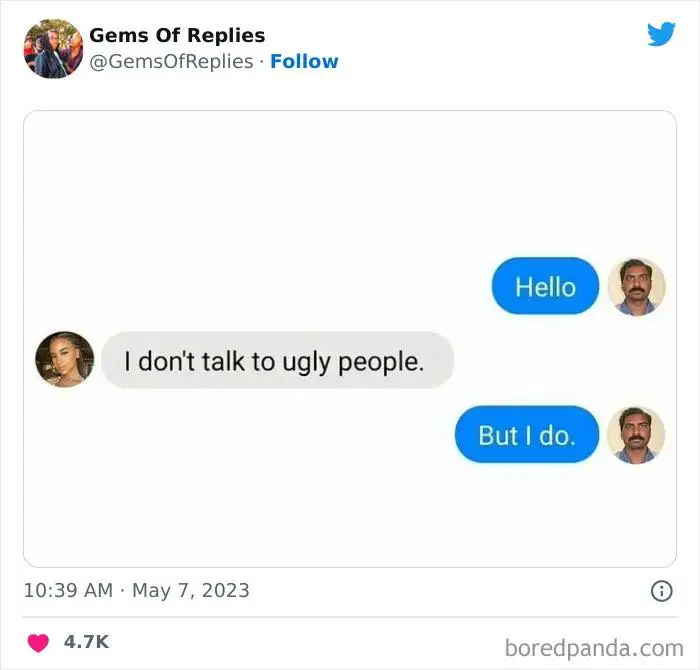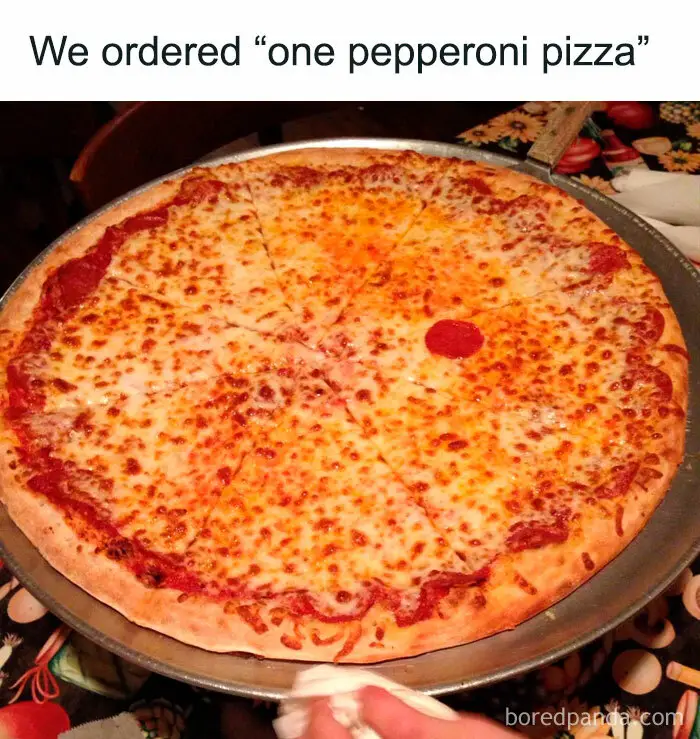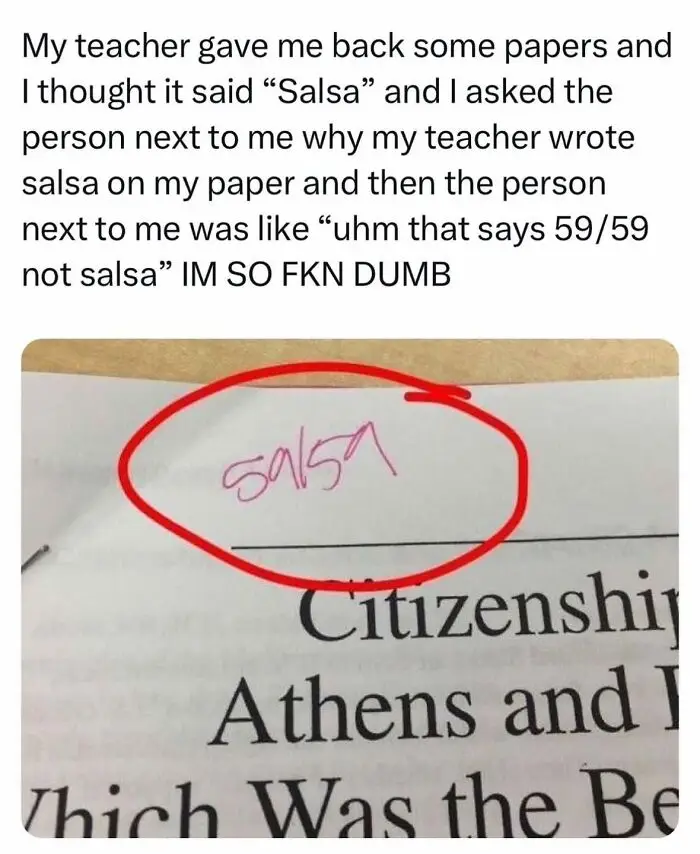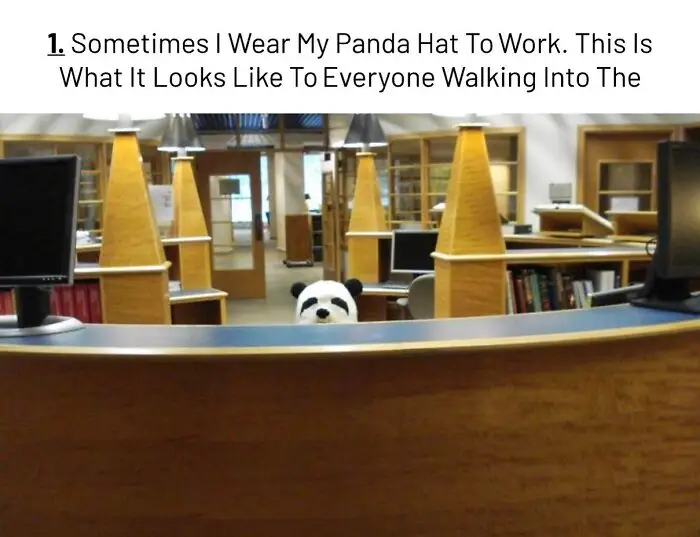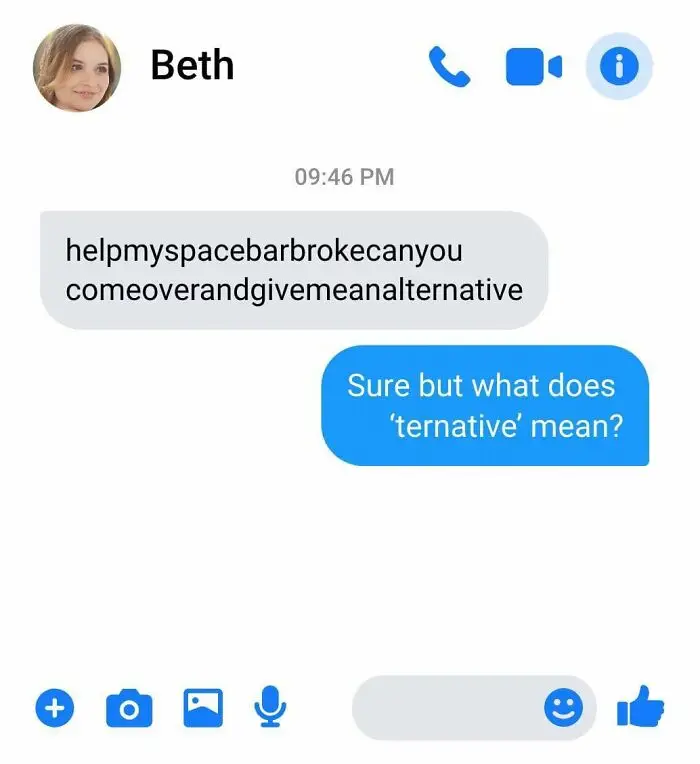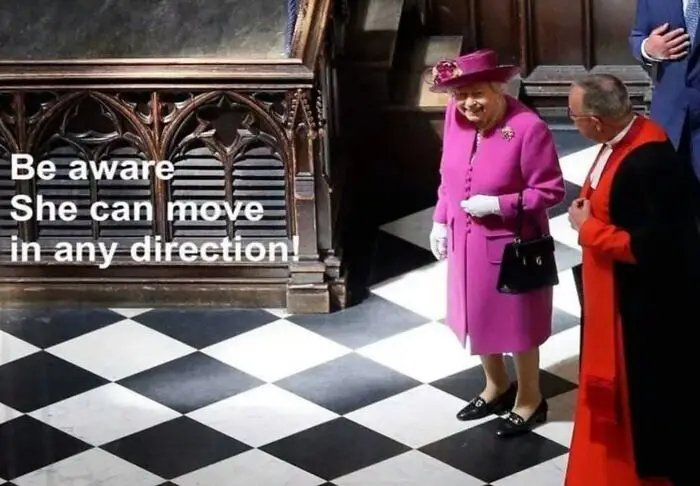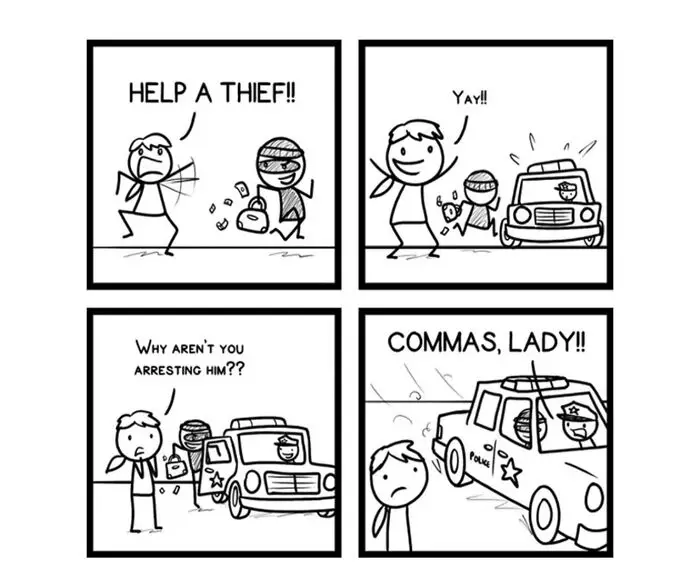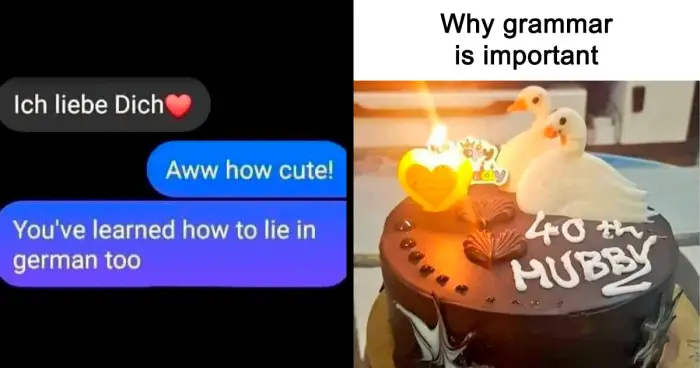


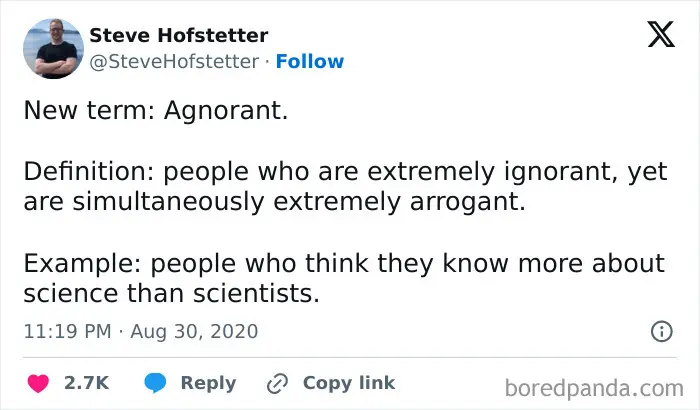
Learning through exciting methods always brings better results, and social media is one of them. Language-related content on social networks helps language learners to quicken their learning by being current and self-controlled. Even on those days when you're not in the mood for learning, social media unnoticeably supplies you with educational content. Most likely, you learned something after stopping scrolling to see a meme in your foreign language.

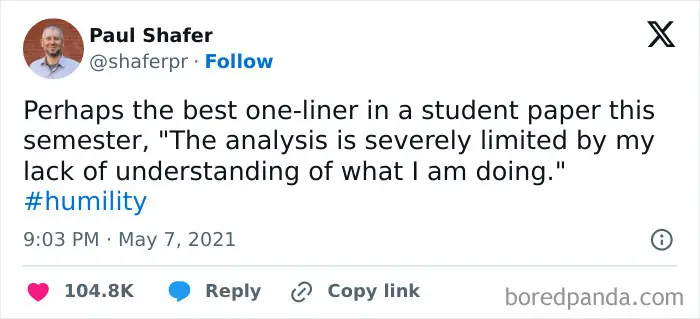

Having the ability to speak more than one language comes with its own challenges. Bilingual individuals often make amusing and sometimes endearing mistakes when switching between their two languages. They may accidentally mix the two, which results in sentences like “Vamos to have lunch” (blending English and Spanish) or “Je suis Camille and you?” (blending English and French).
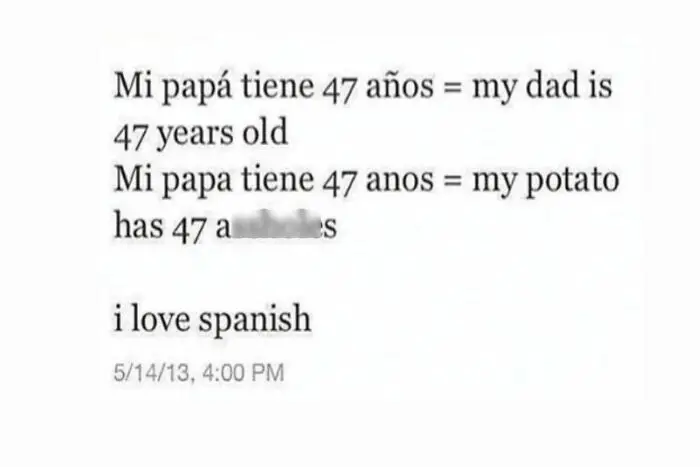
Sometimes, two words can look or sound similar but have completely different meanings. The sneaky-looking “préservatif“ in French means “condom,” and in Spanish “embarazada” sounds too much like “embarrassed” but actually means “pregnant”. If you use one of these incorrectly, you’ll find yourself in an uncomfortable situation.
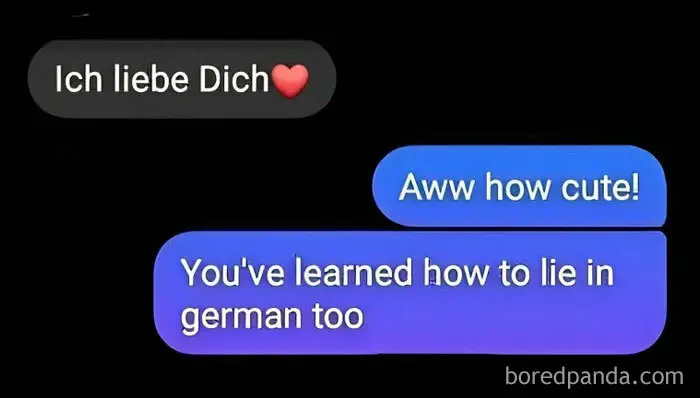
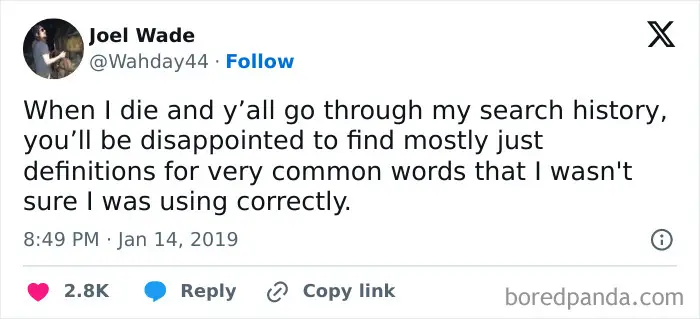
Memes are becoming part of everyday speech. They are a language in themselves, and meme makers and sharers participate in it to bond through humor and wordplay. They’re actively shared because people want to engage in the creative, nonliteral, playful language of everyday conversation. For instance, take the linguistic meme “cries in American'' or “laughs in Italian” which evolved into a reaction to certain situations and conveys far more complex information than its form might suggest