






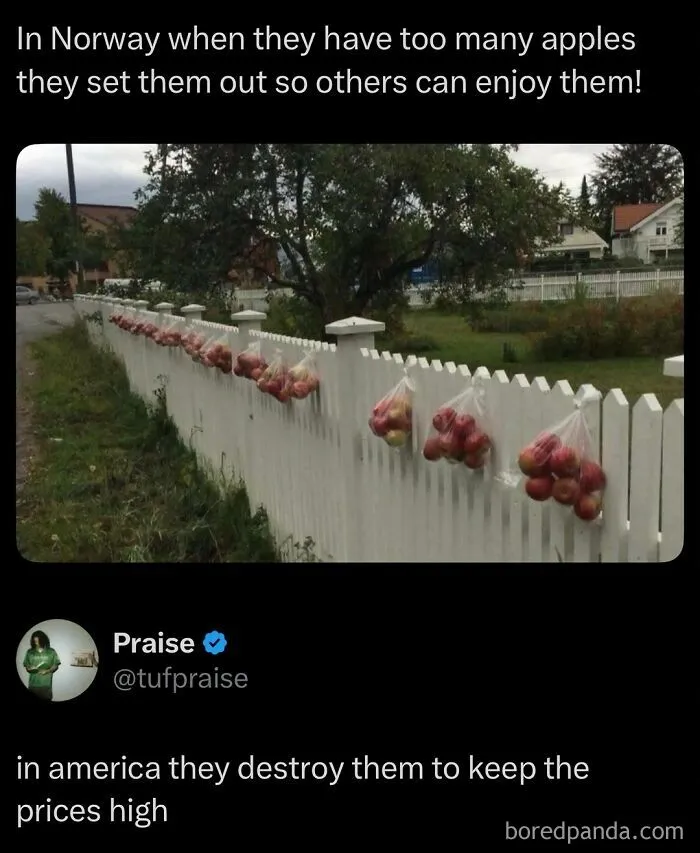
Given that the page currently has 211,000 followers (and counting), you could argue it gained that much traction because one or a few posts went viral. That then begs the question: what makes a piece of content spread almost instantly while others disappear without a trace?
Ariel Sheen, a researcher of digital culture and online influence, says it’s all about the story behind it.



“The primary psychological reason content organically goes viral is because its headline conveys a simple, unexpected, concrete, credible, emotional story that is compellingly developed further in the corresponding material using novel data structured into information," Sheen told Bored Panda.
“This is why content marketing companies seek to produce and promote content that elicits in the reader high-arousal emotions such as joy, excitement, or anticipation. This, combined with surprise, acts as the primary engines for organic online engagement.”



Sheen says timing also plays a role in virality. Heightened political activity, protests, and other notable events that impact public sentiment can help a piece of content spread like wildfire almost instantly.
“Foreign adversaries desire people to think and act in certain ways - and helping content aligned with their mission achieve virality is one of the ways they seek to achieve this,” he explained.


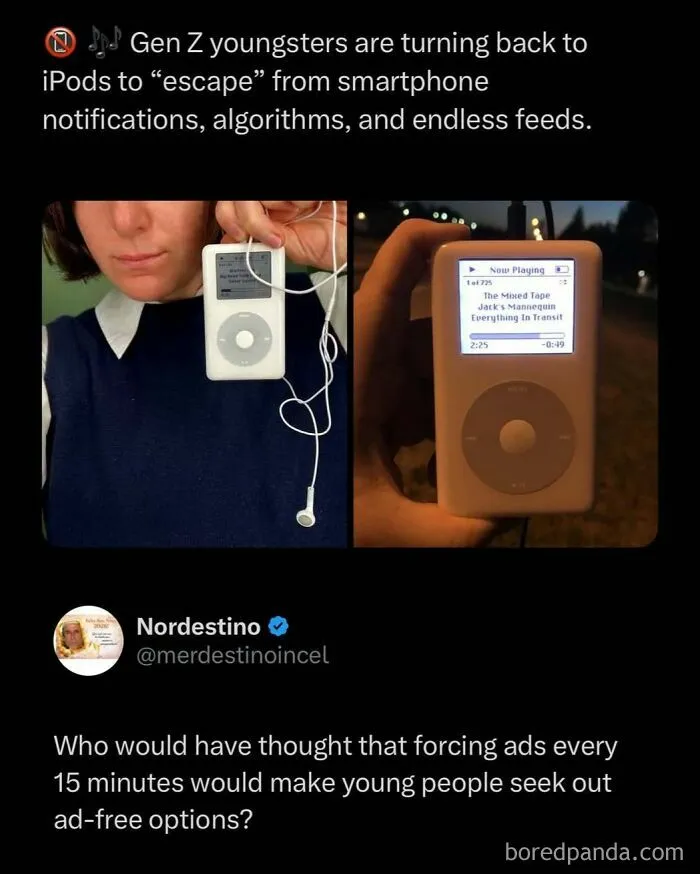
Humans naturally yearn for connection, even digitally. As The Ad Firm CEO and digital communicator Cyrus Kennedy explains, the share button is essentially a stamp of approval and a declaration that “this is me.” This may result in a piece of content passed around to the point of virality.



“People share to express their identity and affiliation, and the postings that move the farthest make that shortcut simple,” Kennedy explained. “I've seen technically outstanding content from our own clients go unnoticed since it gave the audience nothing about themselves to pass on.”



With so many images, videos, and posts going viral each day, it’s easy to fall into the trap of mindlessly scrolling. This is why Sheen emphasizes the importance of emotional regulation practices.
“The most important habit we can do is reconsider an old truth most of us have heard our whole lives: time is money. When you find yourself mindlessly scrolling, pause for a moment and reflect: how could I better invest my time?”