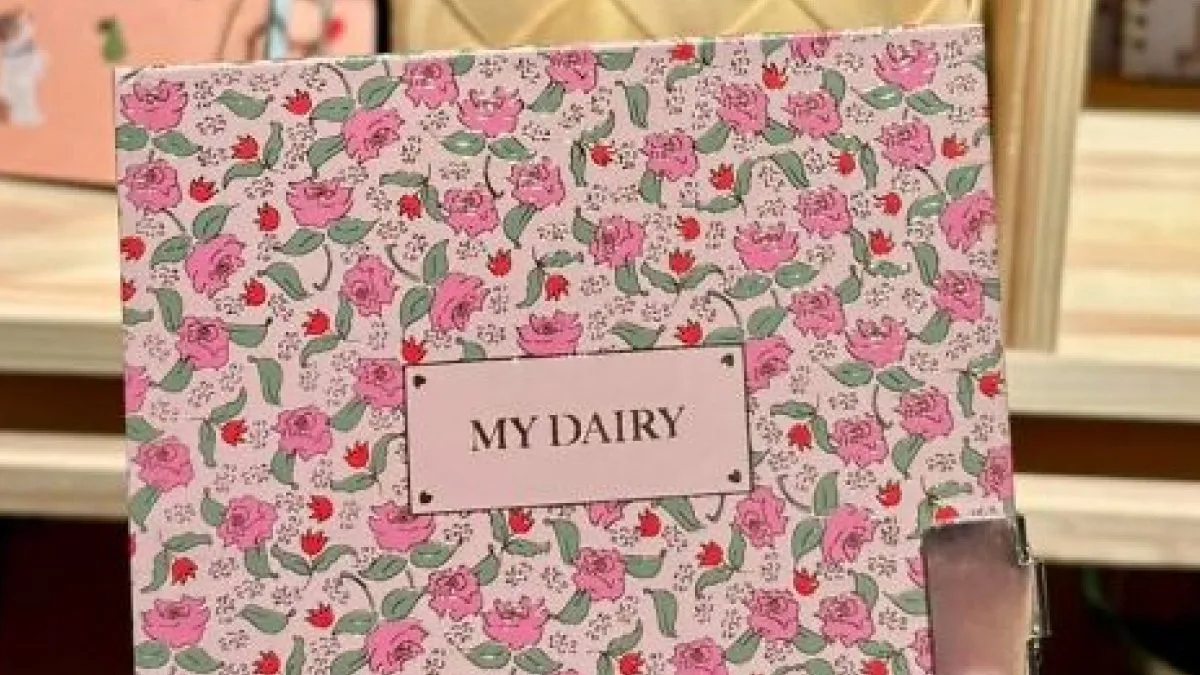




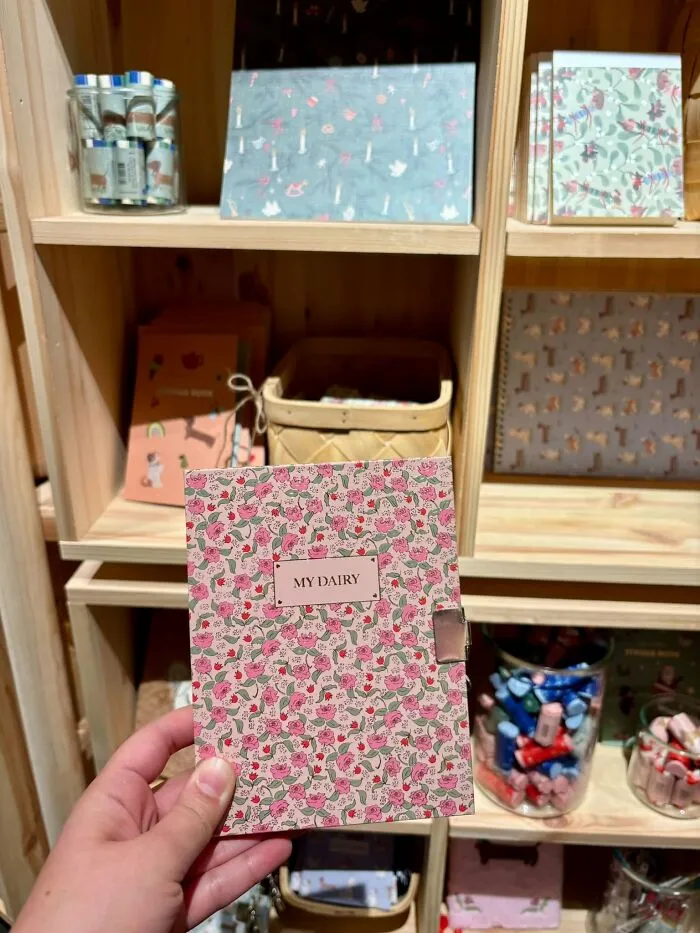
#3 Spotted Today In A Popular Whimsical Store. Unless It’s For Farmers?
Many of you have probably noticed the slight shift in written English. A good handful of people nowadays would use an apostrophe-s (‘s) to denote plurality, seemingly unaware that it is conventionally used to denote possession.
Social media could be one of the biggest influencers for this shift, something English teacher Suchitra Sharma also noticed.



Sharma spoke to Bored Panda about her own struggles as someone who speaks English as a second language. She also noted that short-form videos online have made everyone multilingual in their own way, even native English speakers.
“With all the reels and media content we consume, our minds live in a forever multilingual, multiregister state now,” she said. “Even for 50-year-olds like me, '6-7,’ ‘low key,' and other phrases used by Gen Z and Gen Alpha have become a part of our natural vocabulary.


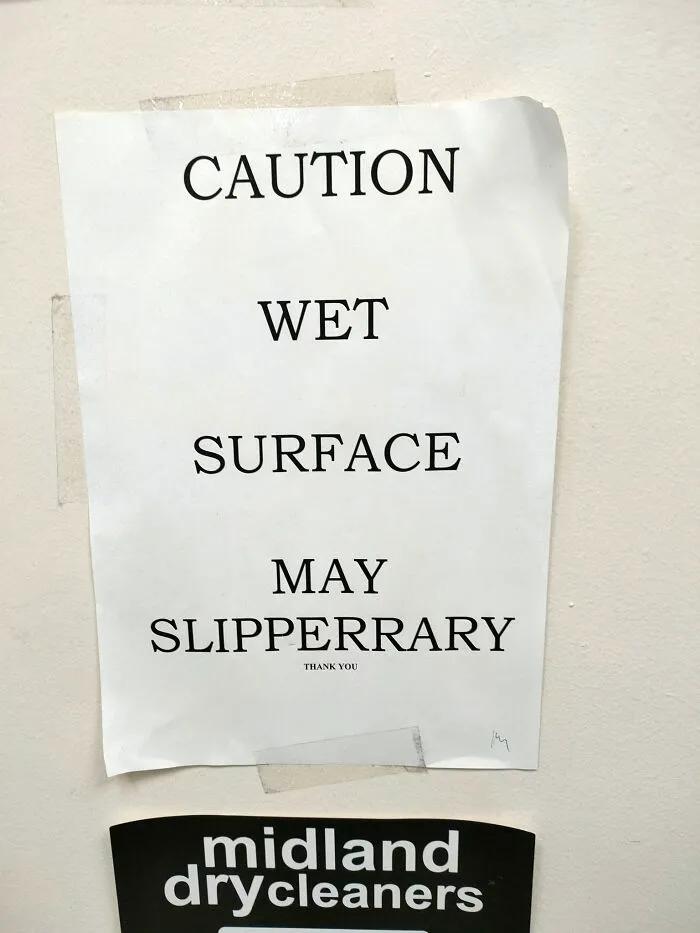
Slang terms and even written language trends have also influenced these shifts. As Sharma points out, language is elastic, and we see it in today’s AI world, where written text is way too polished.
“When I see people still making those phonetic spelling and grammatical errors, I enjoy their voice. They are not getting dumber or illiterate. Their minds are now absorbing multiple lingos, and they are shifting registers and gears. Since texting or posting online has become ‘like being at home,’ some people are choosing to write how they speak,” she said.



The digital space is pretty much a free-for-all. You don’t need to adhere to proper writing rules, and no one will police you for not doing so. Preply’s Language Trends and Digital Media Expert Madeline Enos sees this as another major influence on how people communicate through text today.



“Digital and social media platforms often reward being able to respond to fast-moving trends and cultural conversations as quickly as possible,” Enos said. “This can mean users care less about perfect spelling, punctuation, and grammar because speed can seem more important than correcting mistakes.
“As a result, people may be more likely to guess the spelling of words they’ve only heard before when writing a quick response, rather than taking the time to check everything is precisely correct.”



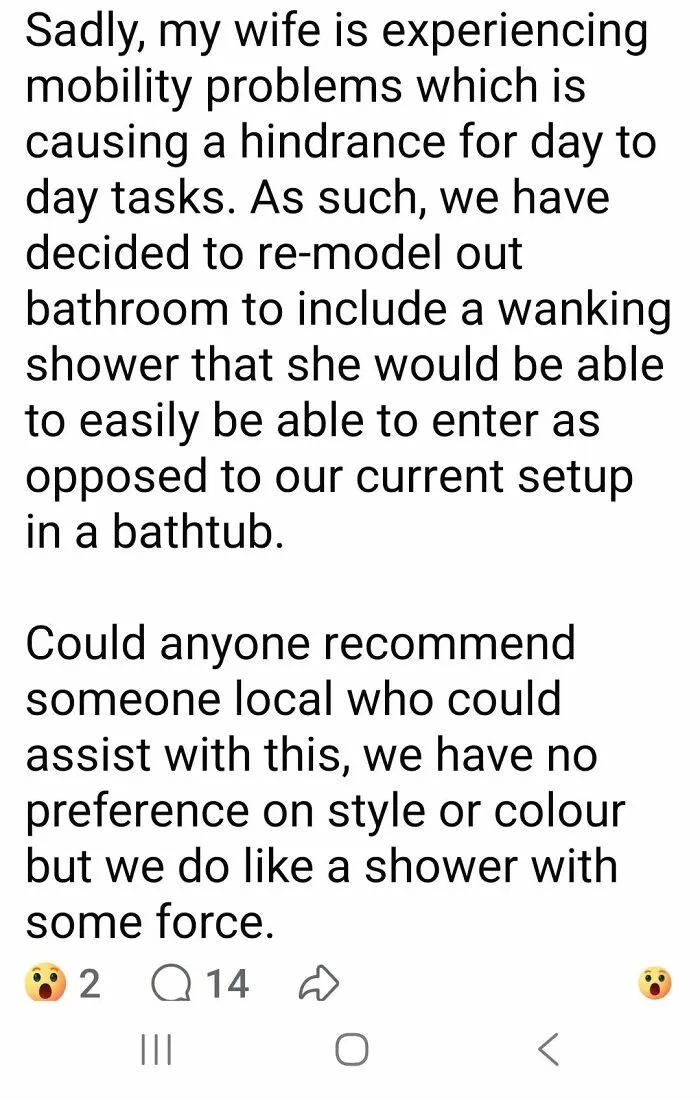
Many of the texts here are words people wrote as they sounded, seemingly oblivious to proper spelling. According to Enos, it isn’t necessarily a sign of declining literacy standards, but rather a sign of language evolution.
“Spelling a word phonetically when you’ve only heard it, rather than read it, is a long-standing phenomenon that has helped shape the way language evolves over time,” she explained. “One example is ‘rebracketing.’ This happens when speakers mishear or reinterpret the boundary between words. Over time, these reinterpretations can even change how words are used.”
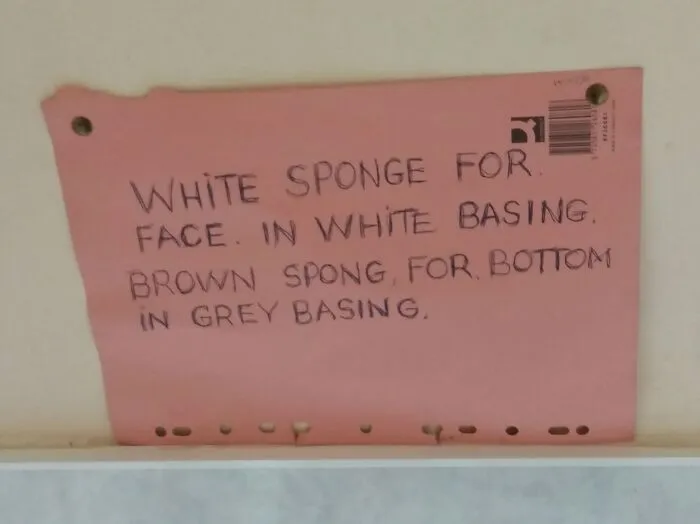
#19 This Notice Was Stuck To The Wall In My Friend's Bathroom By The Senior Carer, Who Apparently Had Top Level Care Svqs (Qualifications)