



When they're good, they're great. But when they're bad, they downright awful. If you've ever attempted a DIY project, only to stand back at the end wondering where it all went wrong, you're not alone. The internet is filled with perfect examples of DIY fails. What they lack in practicality, they make up for in comedy gold.
"It's no laughing matter," you may be thinking, while staring at the crooked shelf, leaking pipe, or bathroom tiles that look like an explosive just hit them. So where did it all go wrong? The answer, say some experts, often lies in the planning stage.
This can be especially true if you're taking your cue from a perfect Pinterest post or a quick and "simple" YouTube tutorial. These expert guides often fail to properly explain all the prep work and pre-planning that should be going into your project.
Preparation isn't exactly the most exciting part of a DIY project but skipping it can come at a cost. And that cost might only rear it's ugly head long after you've completed everything.
"Painting walls, installing new flooring, or updating cabinets without taking the time to clean, sand, or apply primer will reduce the quality of your finished product," explains the Tuff Home Inspections site. "For example, skipping primer before painting can result in uneven coverage, peeling, or the original color showing through. Failing to level a floor before installing tiles causes cracks or loose tiles later."
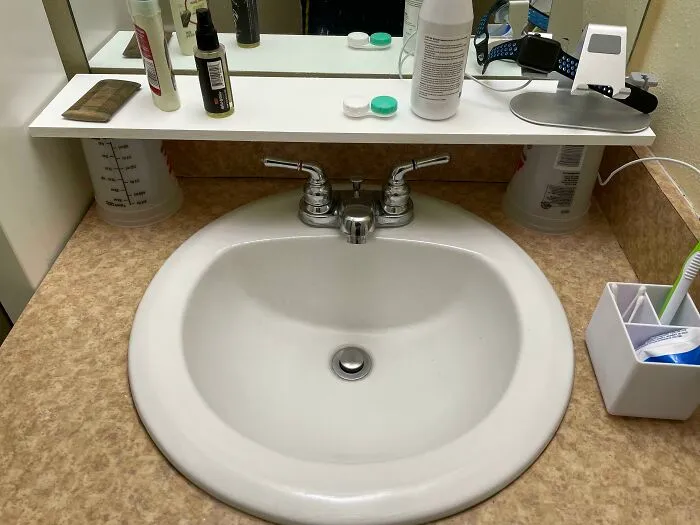
#4 I Made This Shelf With A Piece Of Wood I Had Laying Around, And Two Big Cups. Pretty Much No Effort Or Skill Required
The Tuff Home Inspections team says another big mistake many people make is underestimating the time and effort a project requires. Replacing a faucet, painting a room, or even hanging a few shelves might seem like a fast and simple fix. But these 'easy' jobs can quickly spiral into something much bigger.
"Many DIYers fail to account for the time needed to prep, troubleshoot unexpected issues, or wait for materials to dry or cure," they warn. "Always research the steps involved in your project thoroughly. A realistic timeline saves you from rushing, making errors, or giving up halfway through when things take longer than expected."

Many DIY experts suggest that beginners start with easy projects to build confidence and skill. It might be tempting to save a few bucks by trying to do your own electrical work, plumbing and entire home renovation alone. But if things go wrong, which they often do, you could find yourself forking out a lot of money.
Sometimes, it really is better to call in a professional while you focus on things like painting a feature wall, building a cube shelf, or basic landscaping. Never be afraid to ask for help.
One survey found that the majority of Americans who've taken on DIY home improvement projects mostly did so to save money. Many admitted to biting off more than they could chew. 80% of those polled admitted to making mistakes during a DIY project, while 45% said they’ve “completely butchered” a project.
#13 When You Don’t Have Time To Learn How To Knit But You Want Your Tea To Stay Warm - Yes I Cut A Holes In A Beanie


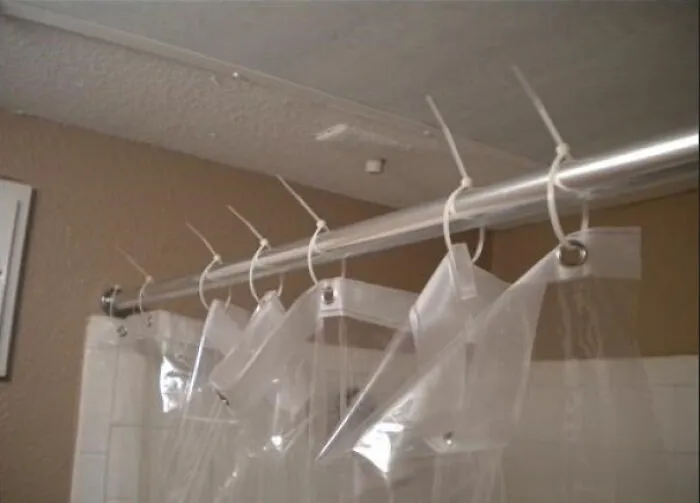
A separate study, conducted by Porch.com, surveyed more than 1,000 people to find out which projects DIYers are failing at the most, as well as how much time and money it takes to fix the mistake.
"On average, when DIYers made a mistake [on these projects], it cost them $310 and took five and a half hours longer to complete the job," said Porch's senior communications manager Amanda Woolley.

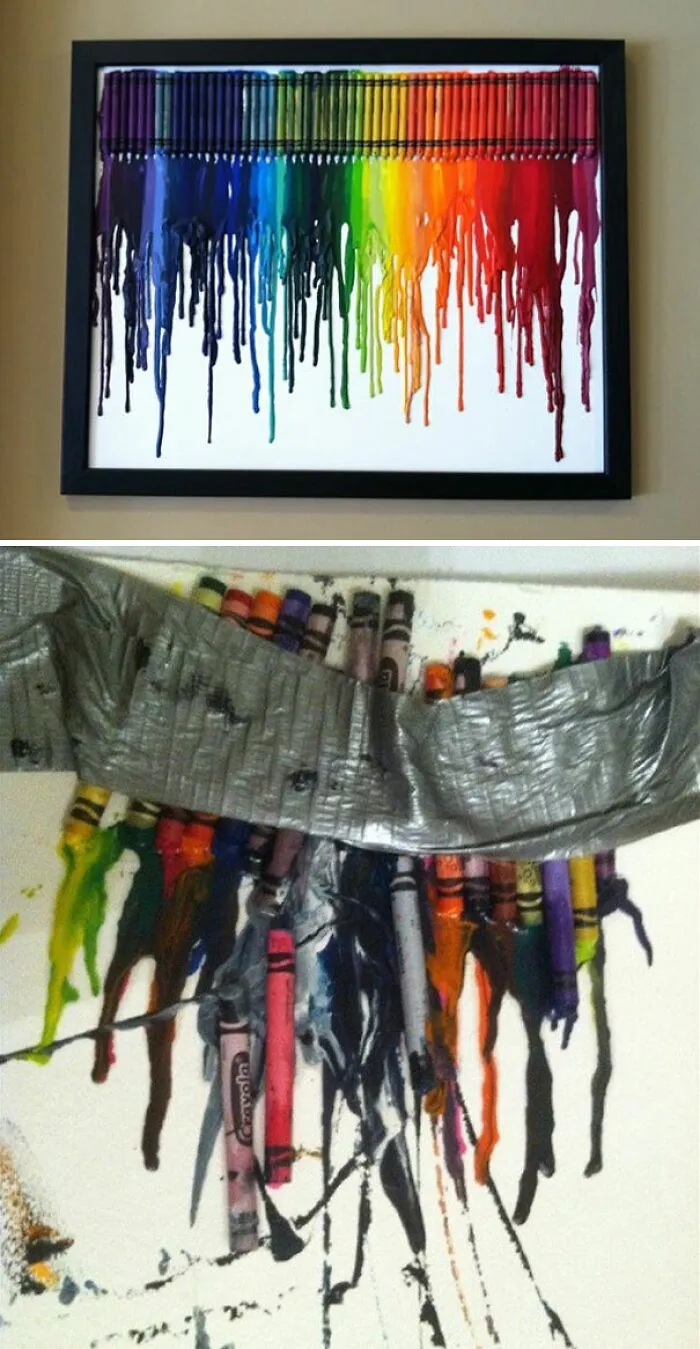
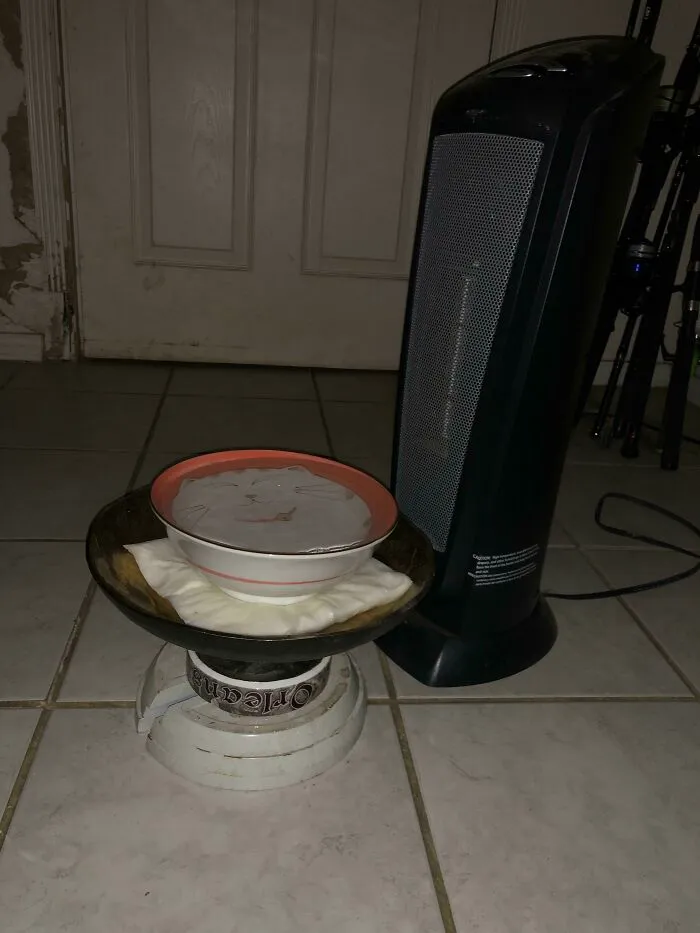
One of the most costly and time-consuming projects to fix is floor installation.
Before you decide to buy a few bathroom tiles and "stick" them down yourself, you may want to bear in mind that the tiniest of mistakes can come at a massive cost. And again, planning and preparation is critical. You have to make sure the floor is level, as well as measure and cut the new flooring precisely.
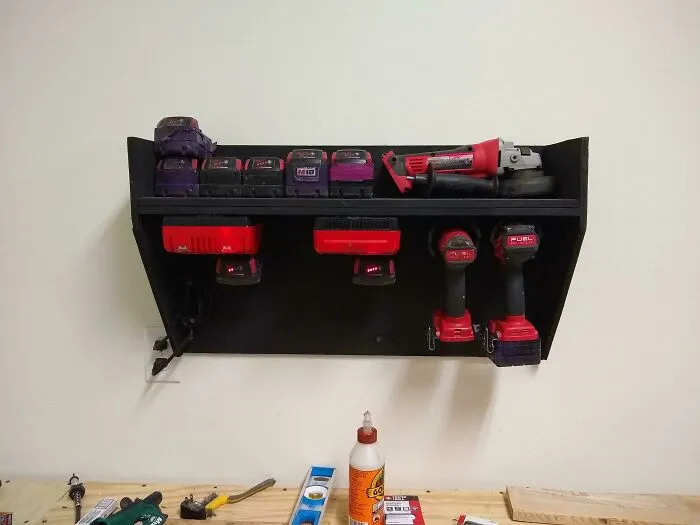
#19 I Made This Shelf To Organize My Tools, Then I Painted It Black To Cover Up How Bad It Is