


This post may include affiliate links.

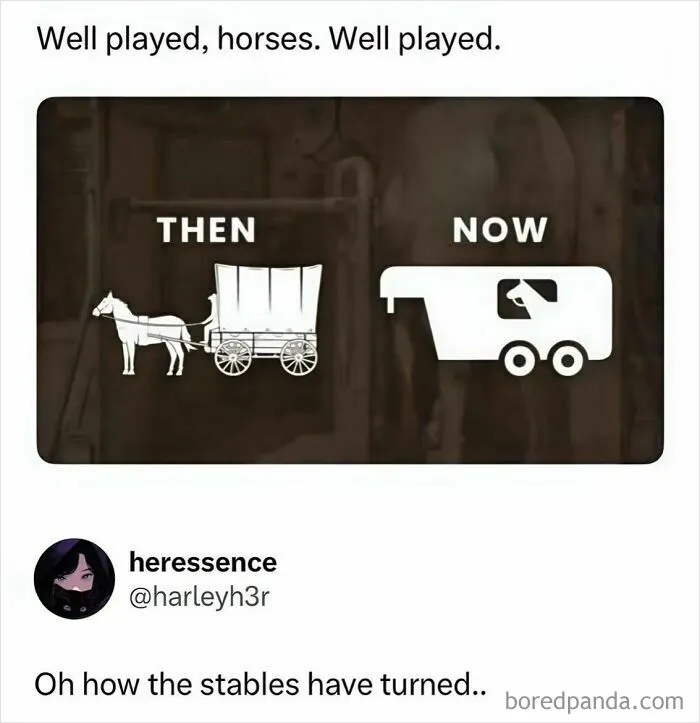

On the surface, memes provide us with a few minutes of entertainment and amusing fodder for procrastination.
But the real reason these comment-turned-memes thrive is that they offer a running commentary on human nature and absurd situations.
They also act as a universal language. Studies show that memes can instantly connect people across cultures through shared humor.
These jokes also help us express ourselves, make friends, influence others, and even call out people in power.



A 2014 study by Facebook researchers revealed just how wildly memes spread and morph across the web. In one striking case, they tracked a single meme concept and discovered it had mutated into over 120,000 distinct versions across more than a million user posts.
Paolo Gerbaudo, author and director of the Center for Digital Culture at King’s College London, describes memes as a “sort of a ready-made language with many kinds of stereotypes, symbols, situations. A palette that people can use, much like emojis, in a way, to convey a certain content."

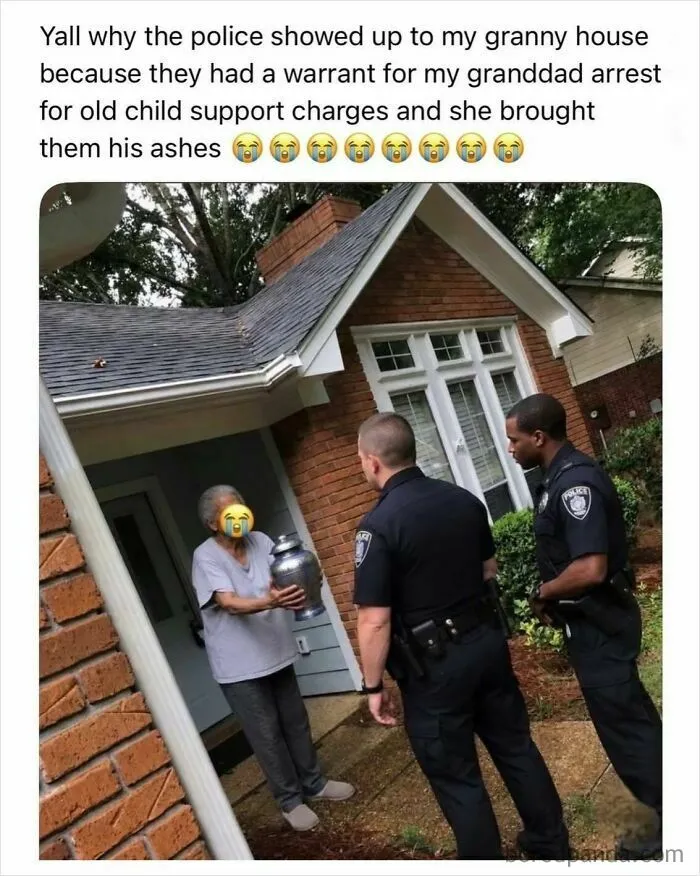
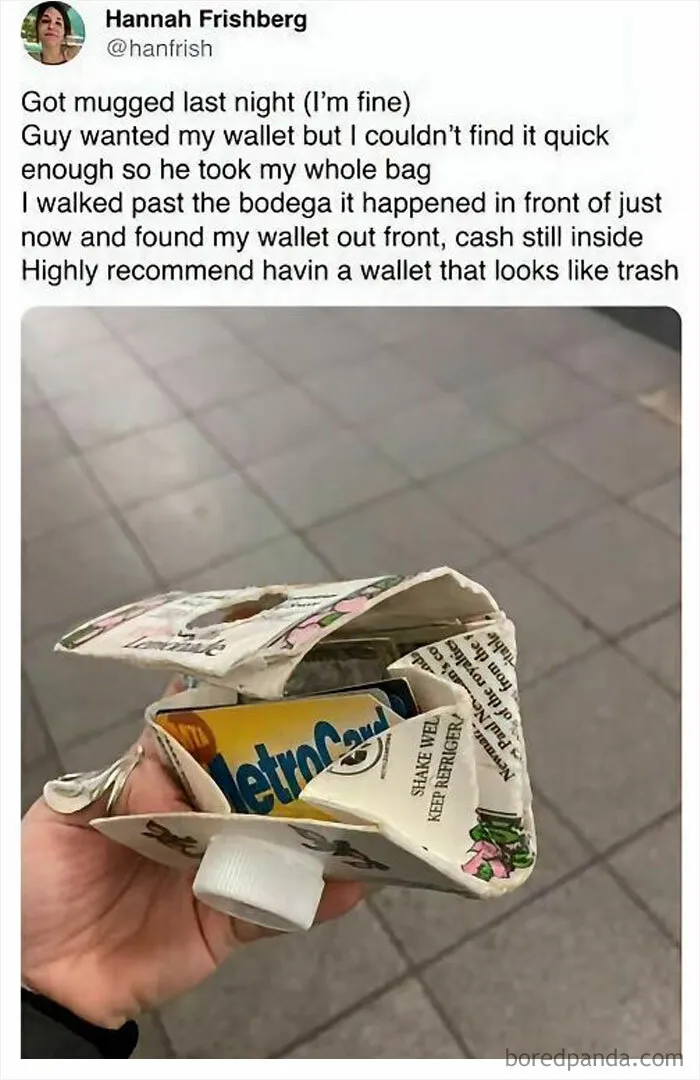
But why do these memes in particular make us laugh?
It comes down to the benign violation theory developed by behavioral scientists Peter McGraw and Caleb Warren.
The theory says humor happens when something feels wrong or breaks a rule—a violation. But at the same time, it feels completely safe, harmless, or acceptable—making it benign.
If a situation is just a violation, it feels offensive or scary. If it’s purely harmless, it can feel vanilla. Laughter lives right in that sweet spot where a boundary gets pushed without anyone getting hurt.
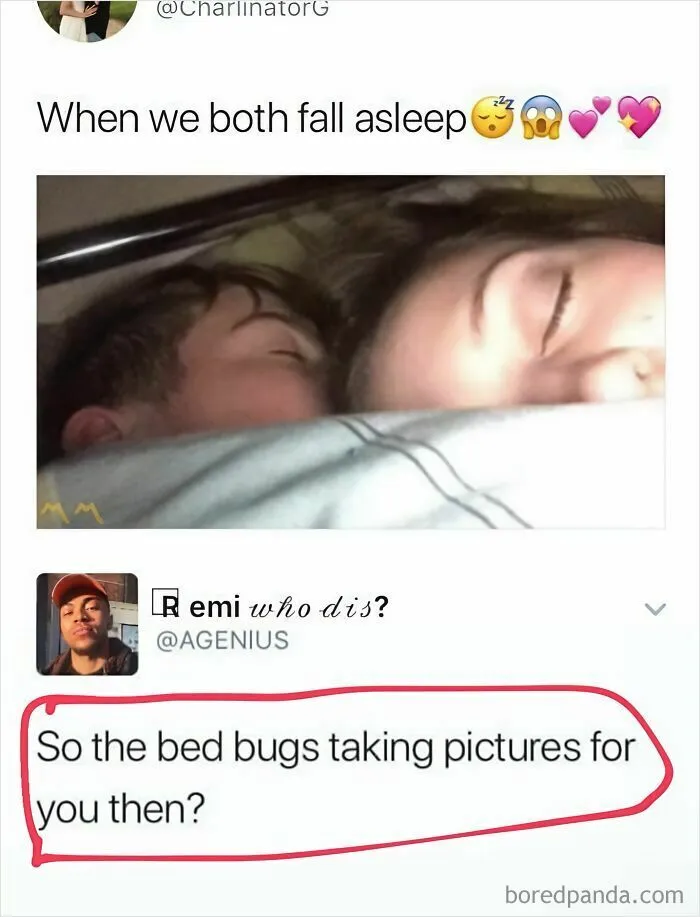
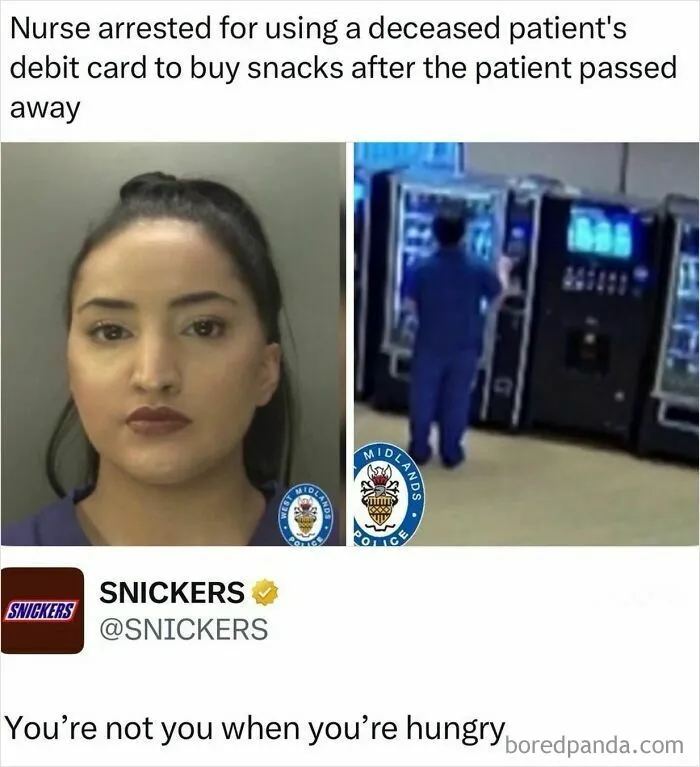
In these reaction-turned-memes, the original post creates an uncomfortable or ridiculous rule-break. But the reply instantly reframes it into a harmless joke we can all laugh at.
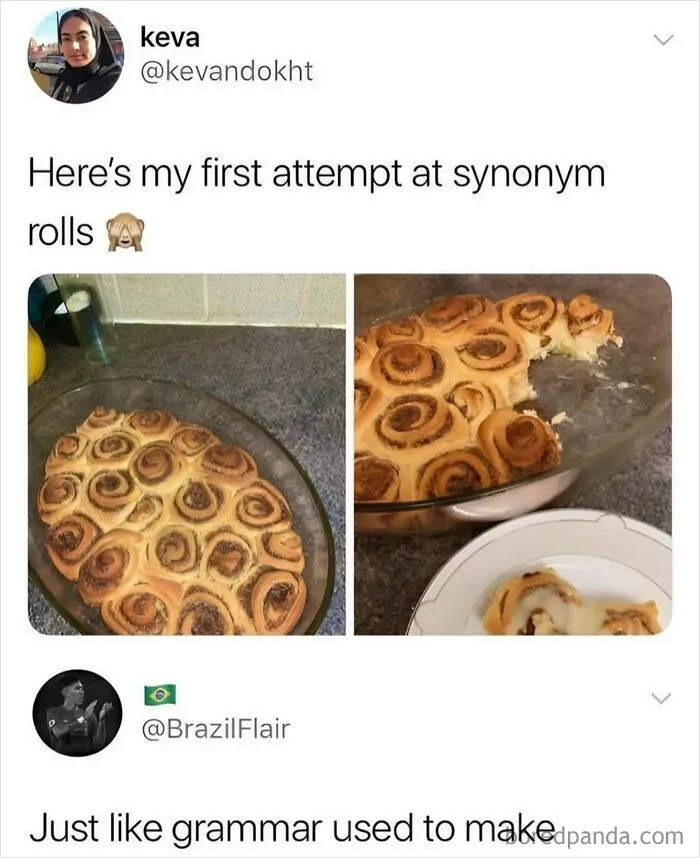


Incongruity theory can also help explain why these comment-turned-memes are so ridiculously funny.
This theory says humor happens when there is a sharp mismatch between what your brain expects and what actually happens.
Think of your brain like a train riding down a set of track rails. When you read a serious news headline, your mind naturally predicts where the story is going. You expect a normal, logical outcome.
But then, you glance down at the comment, and the brilliance yanks the track switch — sending your train crashing into a completely unexpected direction. This sudden jolt is what triggers laughter.
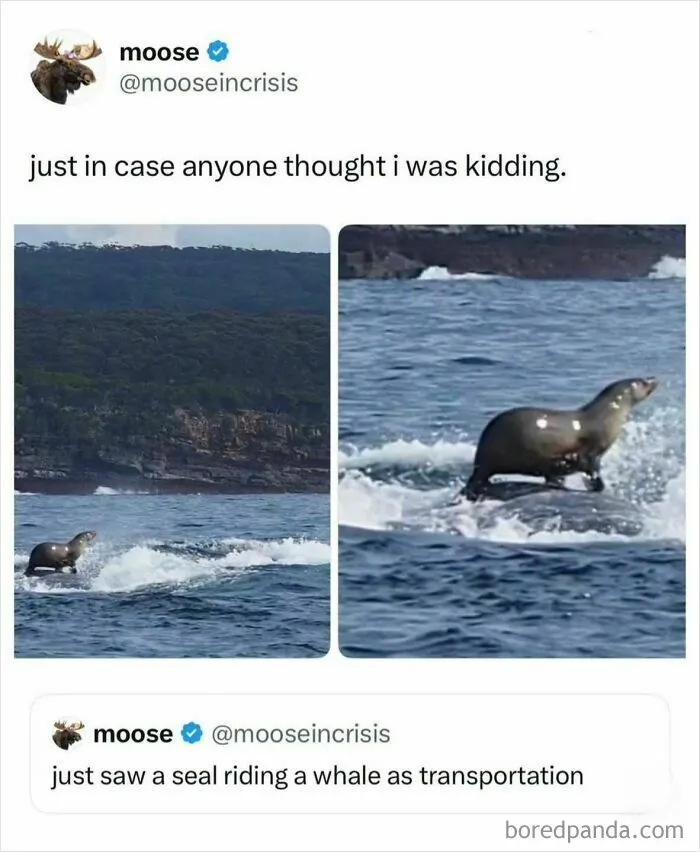
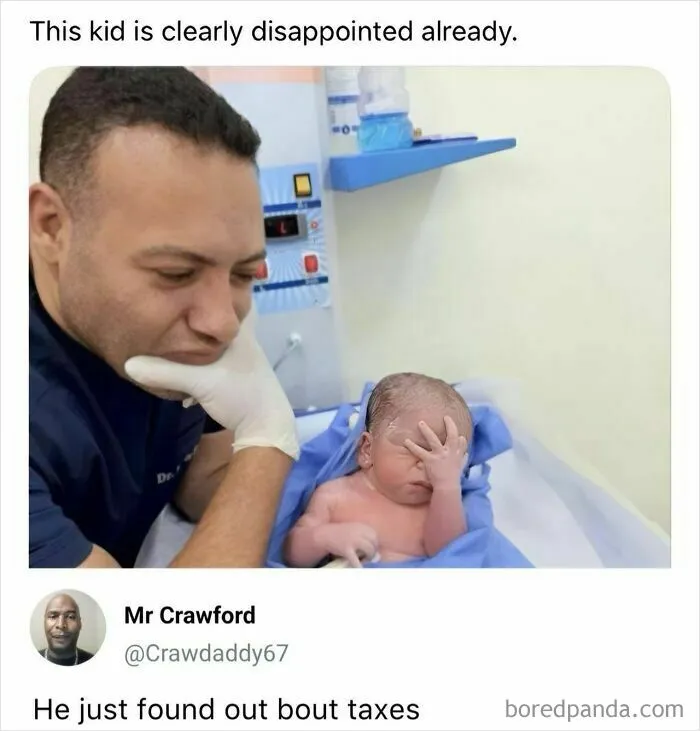
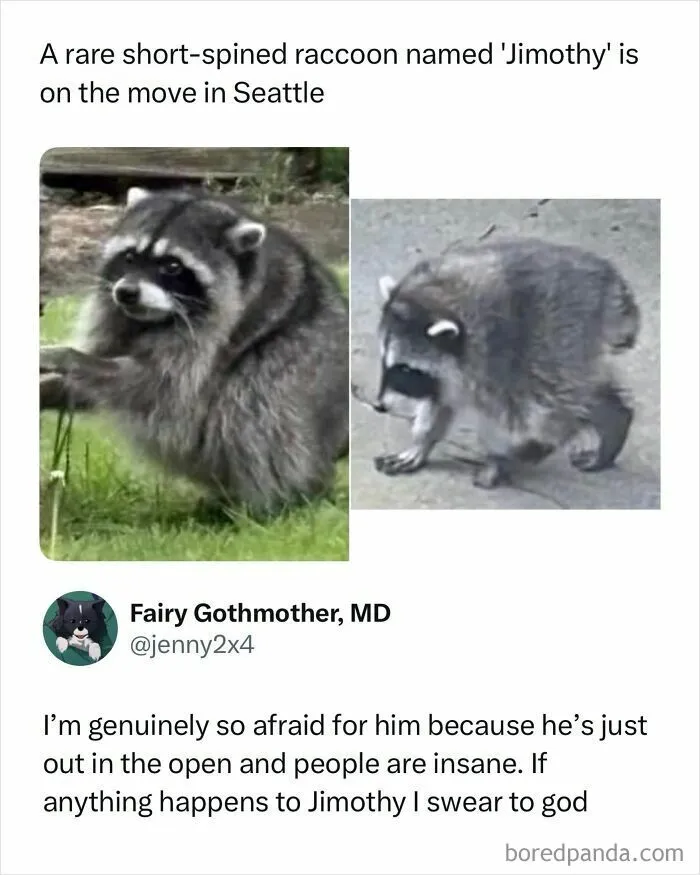
These memes also work because we all love a good roast.
When we see a quick-witted commenter roast someone online, we get a sudden feeling of being in on the joke and the safety of knowing it’s just playful banter rather than real-world harm.
Research shows that teasing and roasting can bond people through shared social boundaries.
A 2021 study on social media interactions found that lighthearted roasts serve as an “in-group” signal — we laugh because the commenter calls out a behavior we all secretly agree is ridiculous.

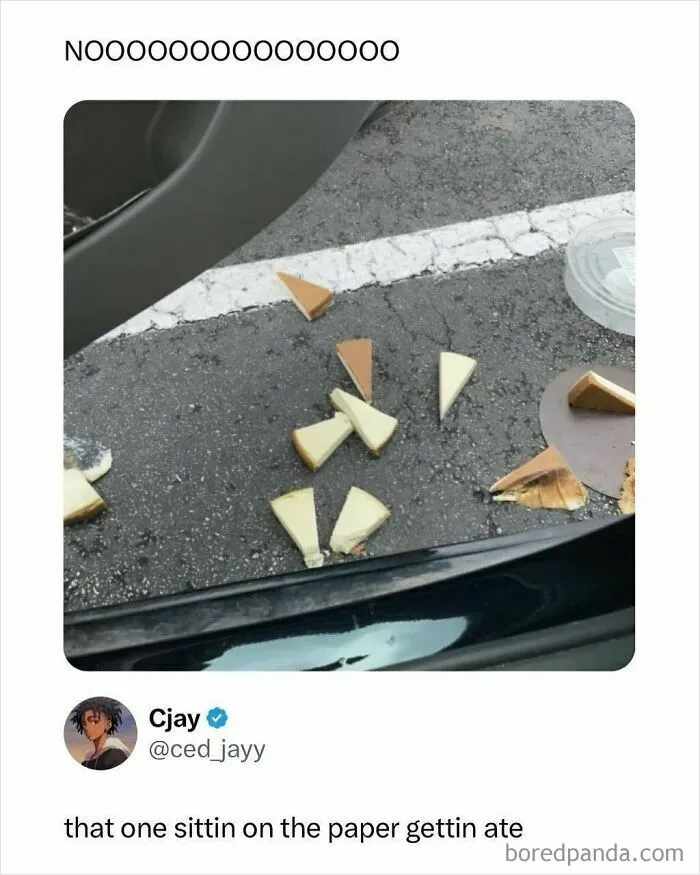

Let’s be honest: most of us scroll straight past the post and head right for the comments. The comment section isn’t just a feedback box anymore — it’s the main event.
The original post is really just a setup, and the comments are an open mic where everyone tries out their best jokes. That’s why popular meme pages are acting like comedy scouts, hunting through thousands of comments to highlight the absolute gold.