


Once you decide on a topic you want to dig into, you need to start collecting sources. "At the risk of having my professional historian card revoked, Wikipedia is a great place to go to learn the basics of a given event," Joshua Wilkey said. "At this point, it's rather more accurate than most easily accessible sources, including most online encyclopedias."




"Apart from that, I am a big fan of podcasts. Dan Carlin's Hardcore History is great for those who can devote substantial time to listening. Slow Burn is also fantastic, as is the podcast that accompanies the 1619 Project. This Land is wonderful for those who are interested in indigenous history. I could go on for days with podcast recommendations, but there are so many good ones out there, the possibilities are limitless. For print readers, ProPublica also has a wonderful deep dive into many important topics. I especially enjoyed their piece a few years ago titled 'Firestone and the Warlord' about the history of the rubber industry in Africa."

As for sourcing accurate materials, Wilkey said it's important to employ information literacy skills to vet any potential source.
"While there's much to be said about the elitist and often-problematic nature of academic gatekeeping, the solution is not for anyone to publish anything they want, but rather, for us to engage with the public as much or more than we engage with each other as academics."
The historian likes to tell his students that if they are not engaging members of the general public with their work, then the public will be engaged by idiots, liars, and fear-mongers. "The average reader should make it a point to ask why they should believe any given source (including academic literature!). The fact that they found it via social media is often an argument against believing it," he said.
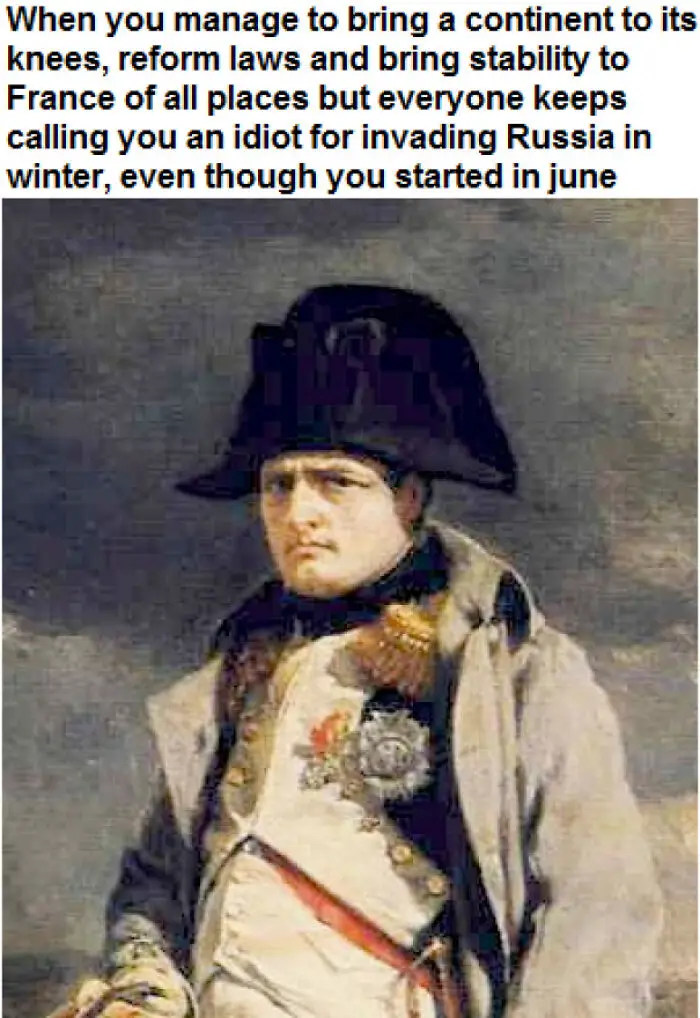
However, if it's more memes that you're after, check out our piece on History Memes Explained, a cool social media project that not only collects but also dissects the best memes about our past.