






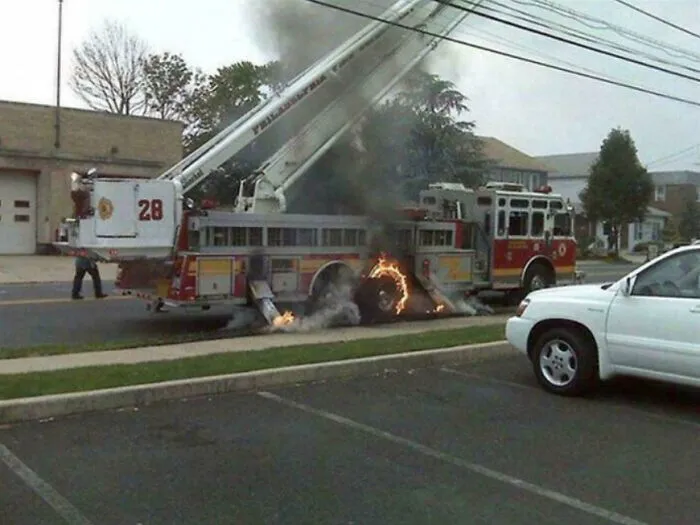
#3 It Is Against The Law To Keep Alcohol Out Of The Hands Of The Youth Supply Alcohol To Minors

Many mistakes in these posts likely result from oversight, which happens to all of us. What makes them even more magnified, however, is that such lapses are not expected of people with one job to do.
That’s because as marvelous and intricate as the human mind is, it can still commit mistakes, even when you try to avoid them. As the late American psychologist and Nobel Laureate Dr. Daniel Kahneman explained, it’s usually due to an override between our brain’s two systems.


In a 2012 interview with the American Psychological Association (APA), Dr. Kahneman called the automatic, intuitive mind “System 1” and the controlled, analytical mind “System 2.”
He says System 1 often leads us to predictable errors, especially when System 2 doesn't check it.



“System 1 is very efficient and highly skilled, and in general it's monitored by System 2,” Dr. Kahneman explained. “But in general, we're experts at what we're doing; we do most of what we do well, so System 2 mostly endorses and generates actions from System 1.”



Another possible reason people make mistakes they shouldn’t is that they fail to learn from previous ones. But according to a 2024 study by the American Psychological Association, a past failure doesn’t necessarily mean success, as many people believe.
As lead researcher Lauren Eskreis-Winkler points out, people who don’t learn from their failures find them demotivating and ego-threatening.



The reaction to someone committing an error they expectedly shouldn’t is often ridicule and shaming. However, experts say the focus should be on error-management training.
A previous APA study also suggests that effective training should include allowing people to make mistakes.
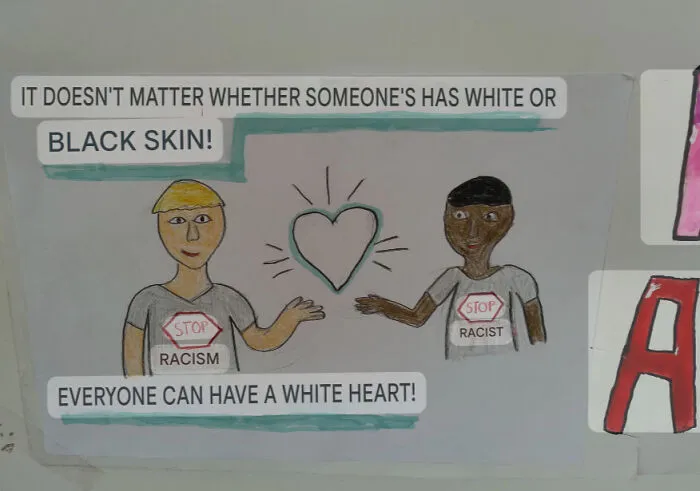
#16 Some Kids Drew An Anti-Racism Poster And Used "White Heart" As A Synonym For Better Heart


According to one of the study’s authors, Prof. Dr. Nina Keith, people who are allowed to manage their mistakes deal with frustration more effectively and become better at problem-solving.
"Trainers should consider refraining from the well-meaning tendency to provide help when participants are stuck on a task," she said. “(Doing so) gives more responsibility to the learners, who become active learners rather than mere recipients of instruction.”