



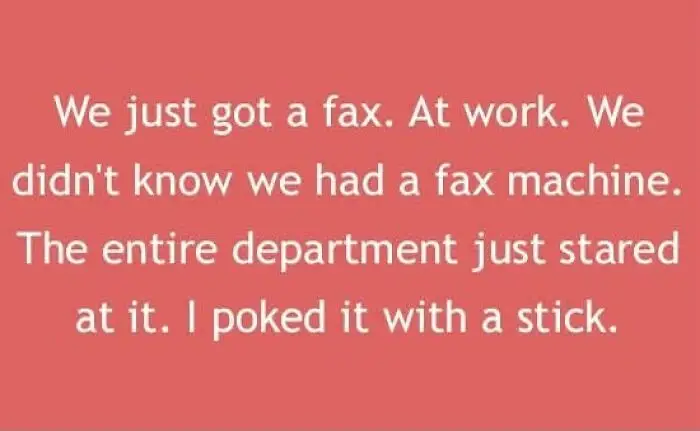
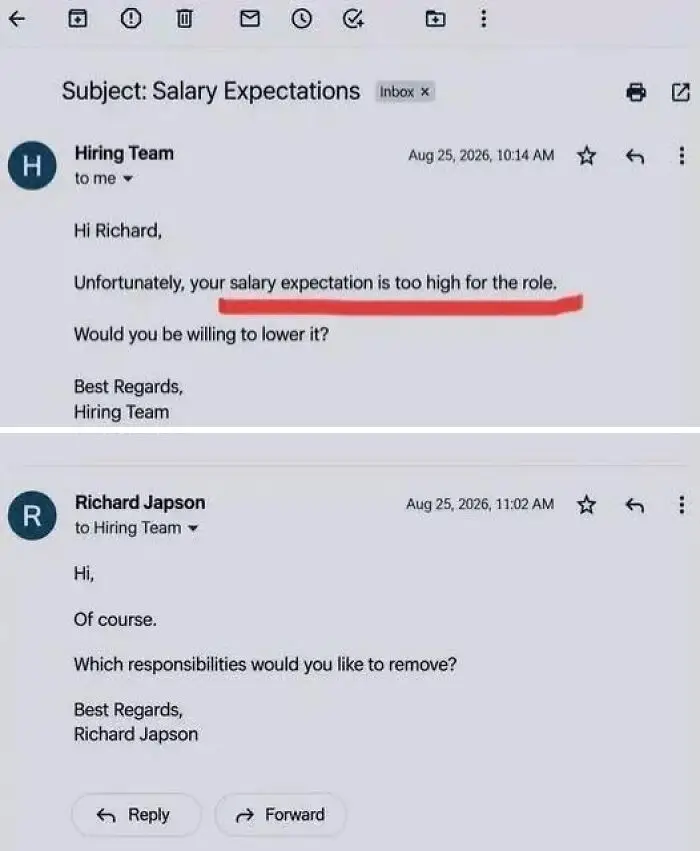
Technology has become such a normal part of everyday life that it is easy to forget how different the world looked not long ago. The International Telecommunication Union estimates that about 6 billion people, or 74% of the world’s population, were online in 2025.
The internet now helps us all work, study, shop, communicate, find information, and spend far too much time scrolling when we’re supposed to be doing something else.


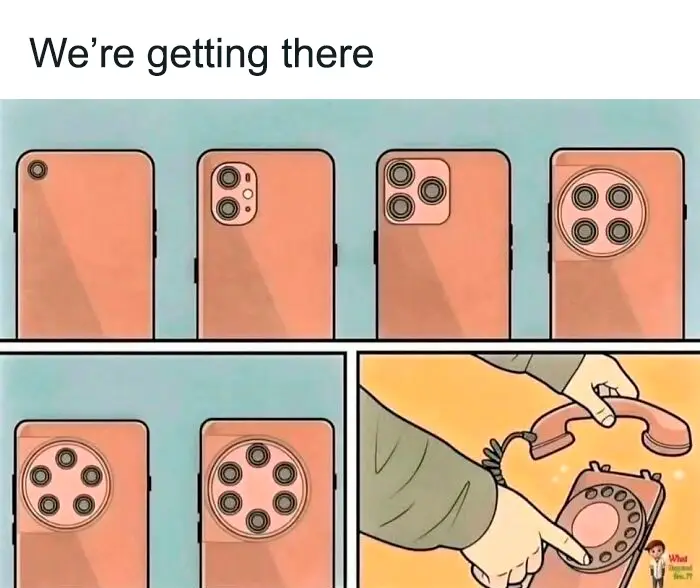
Keeping up with technology can feel like trying to hit a moving target. New apps, platforms, AI tools, and digital features keep showing up, and people are constantly learning how to fit them into everyday life.
The OECD points out that digital skills must be continually updated as technology changes, and people are expected to keep learning new ways to use the tools around them.
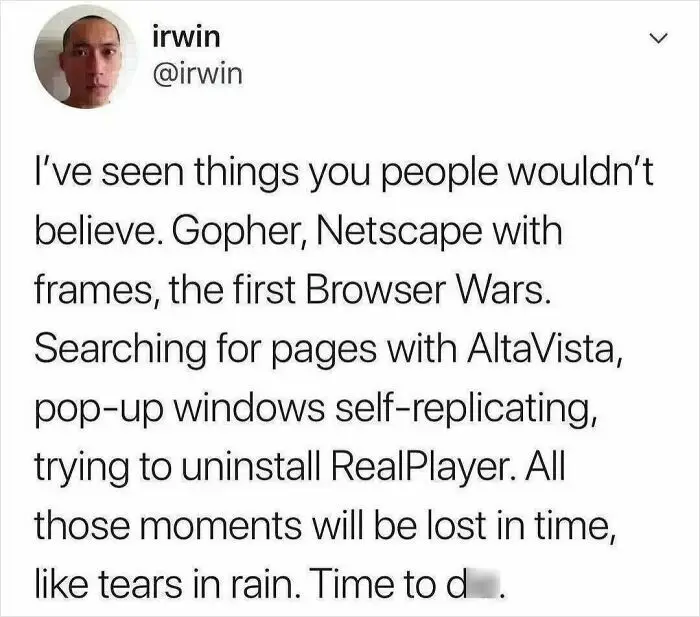

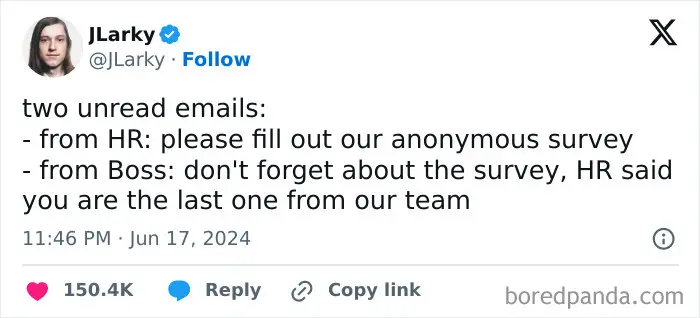
Technology can be incredibly smart, but that does not mean the people using it always know what they are doing.
We’ve all had moments where a perfectly capable device leaves us completely confused. Tech is evolving so fast that sometimes it feels like we’re all just trying to catch up.
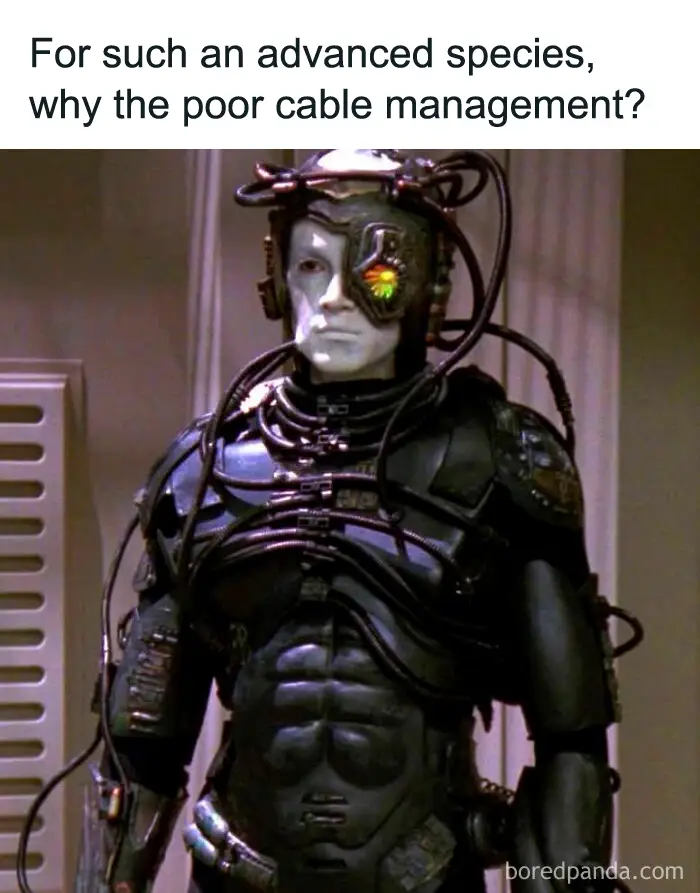


Technostress is the feeling people experience when technology gets overwhelming, difficult to manage, or impossible to keep up with. A 2026 meta-analysis covering more than 18,500 ICT users across 23 countries estimated that 40% experienced high levels of technostress.
This is because of constantly changing technology, information overload, and pressure to stay connected, among other factors. One simple way to make it more manageable is to step away from your devices when you can, mute unnecessary notifications, and give yourself a proper break from being online.



It is wild how technology can now do things that would have felt like witchcraft five or ten years ago. AI has made the future feel much closer, with tools that can write, create images, answer questions, and help with everyday tasks now sitting right in front of us.
Stanford’s 2026 AI Index reported that generative AI reached 53% adoption in just three years, spreading faster than the internet and personal computers did at a similar stage.
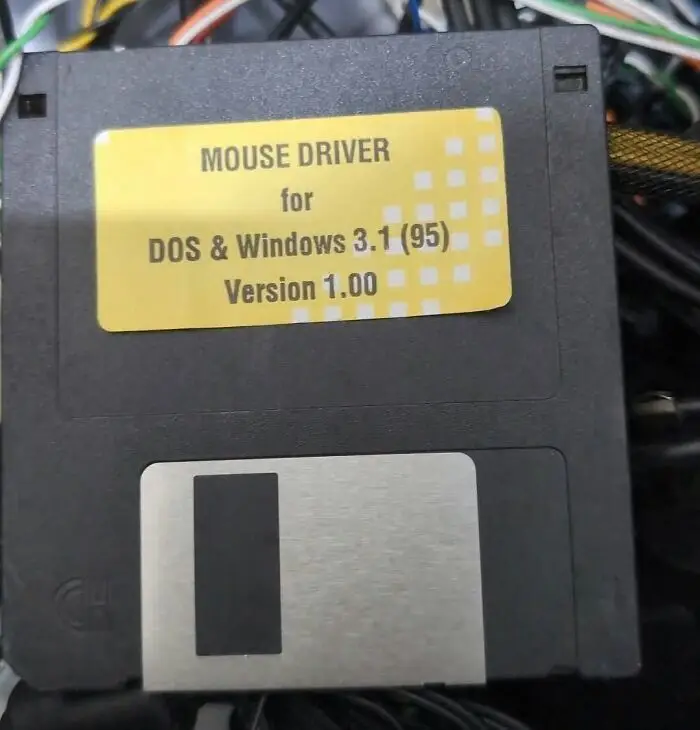

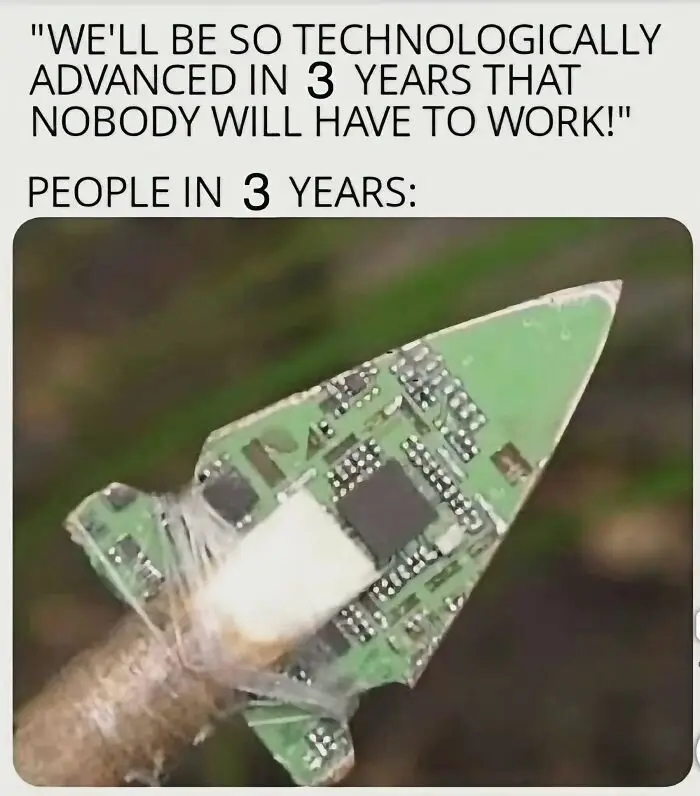
As technology evolves rapidly, especially with the rise of AI, many people are becoming more skeptical about what it could mean for us. A 2025 Pew Research Center survey of 5,023 U.S. adults found that half were more worried than excited about the growing use of AI in everyday life.
Many questioned its potential impact on creativity and human relationships, while still seeing value in using AI for practical tasks and working with large amounts of information.