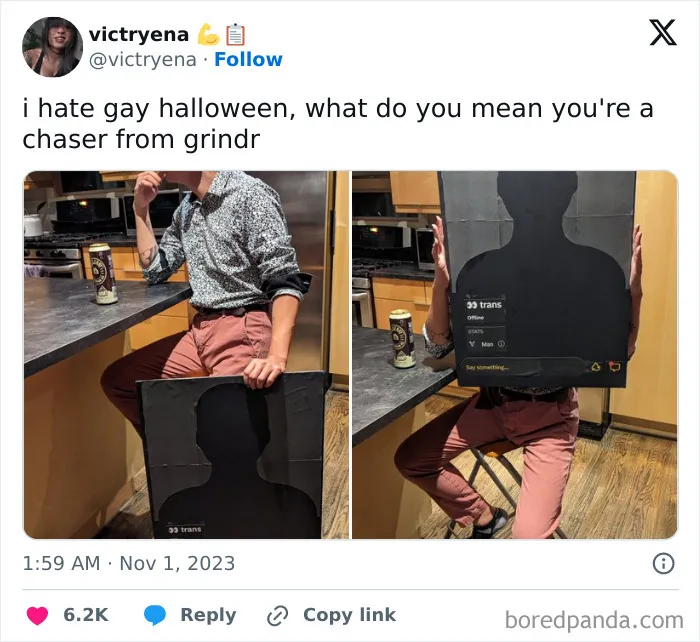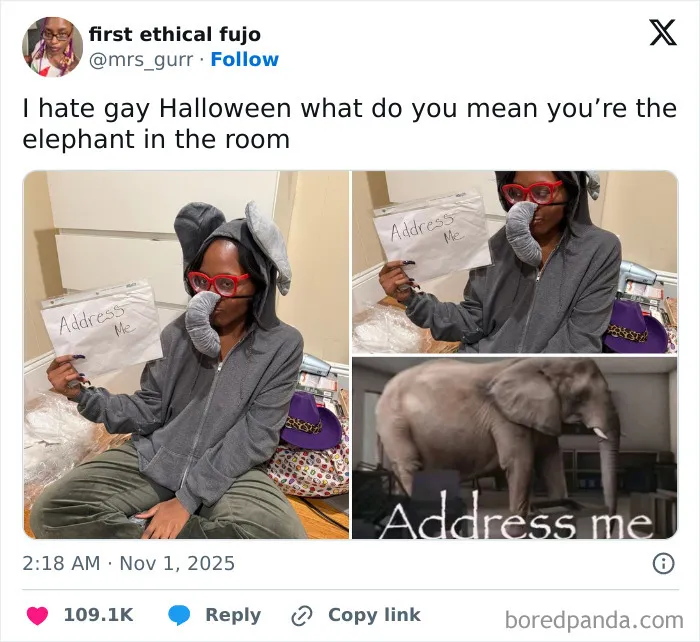


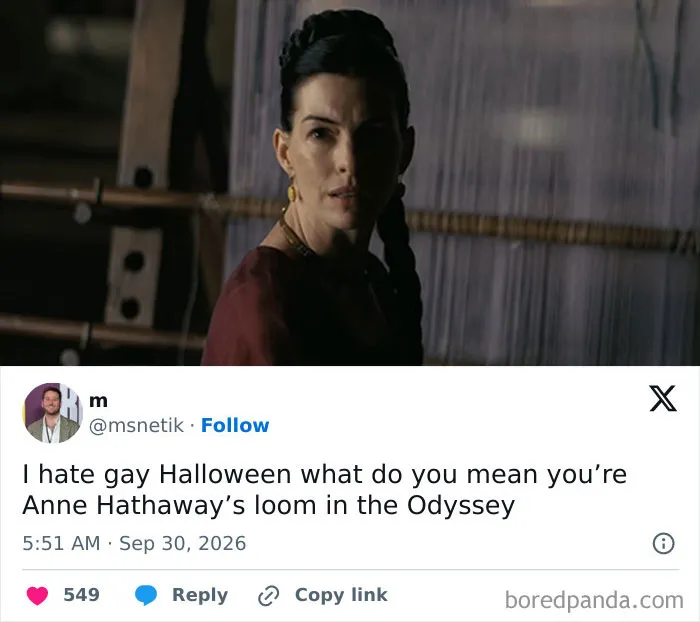
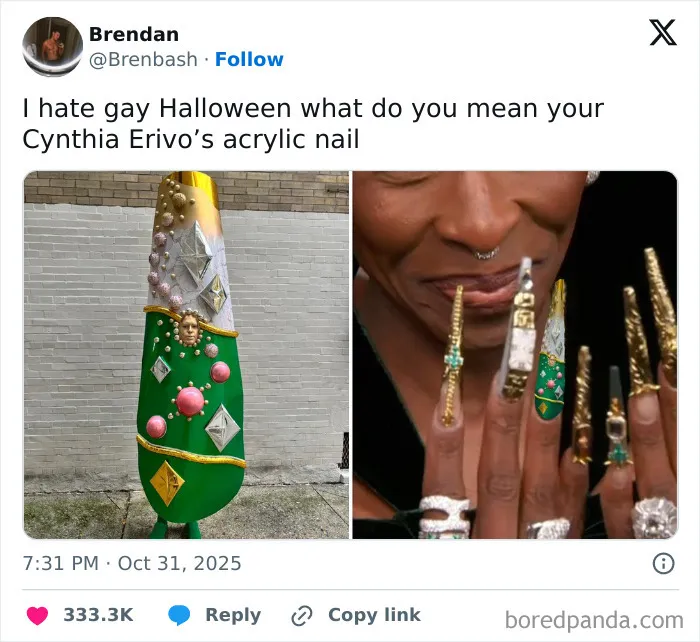
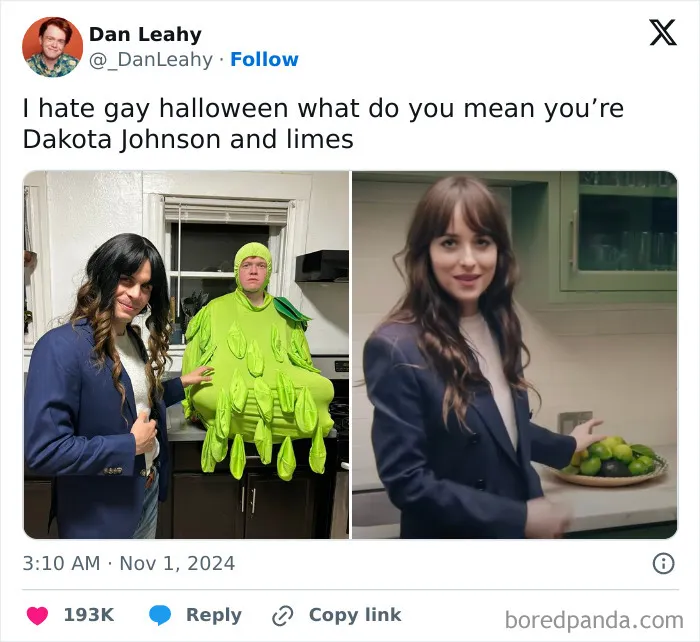
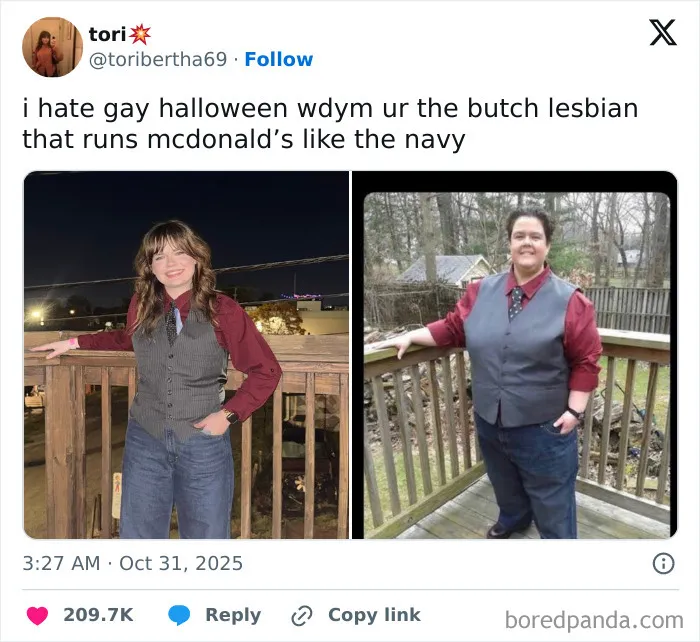
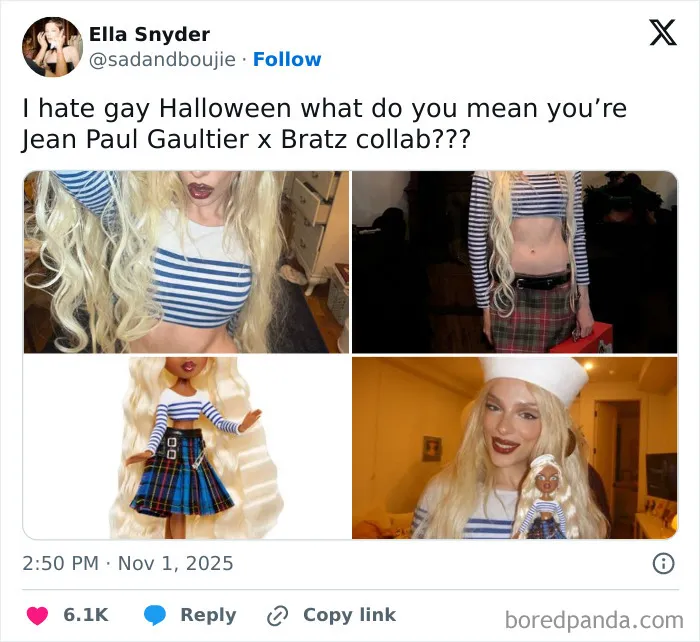
If you are not aware of this trend, it might come as a shock because of how it’s worded. But trust me, it’s not a campaign of hatred against the community. Rather, it comes from a meme where people dress in queer-coded outfits and make fun of themselves.
The meme database Know Your Meme defines it as a typical way of dressing up in an “obscure costume that would most likely only land with another gay person.” It’s an internet reference, and when people post about it, they add the caption, “I hate gay Halloween, what do you mean you’re dressed as (description of the costume).”
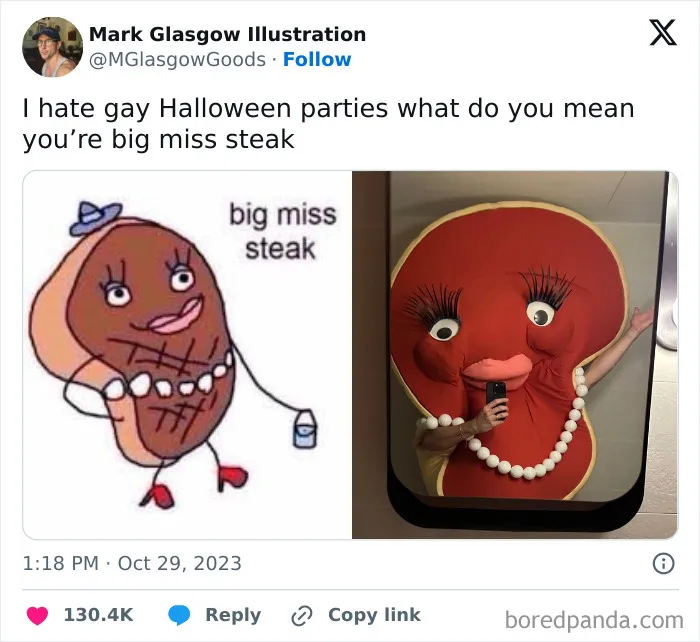
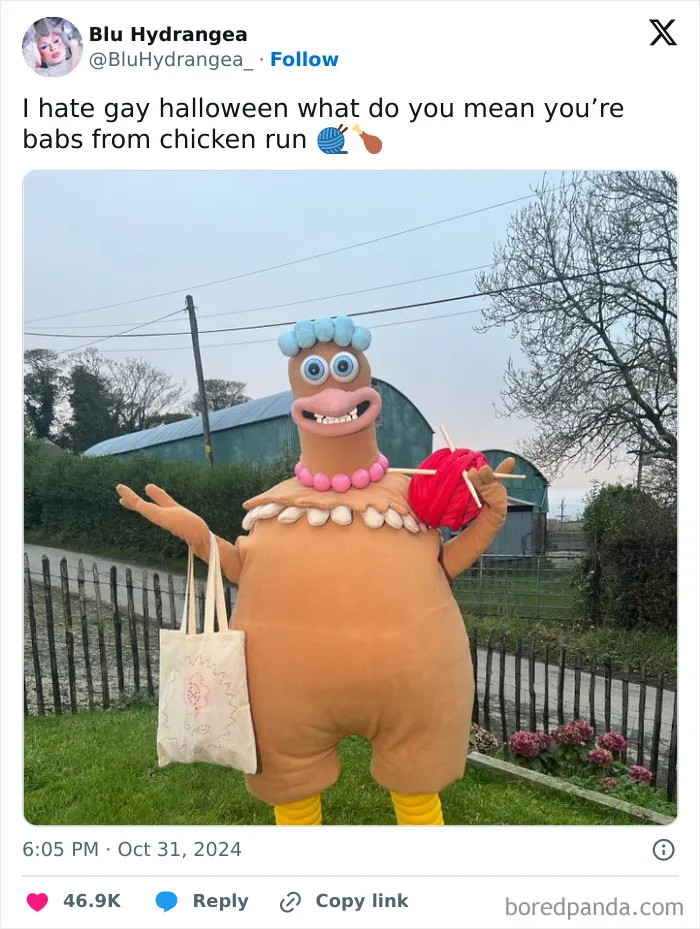
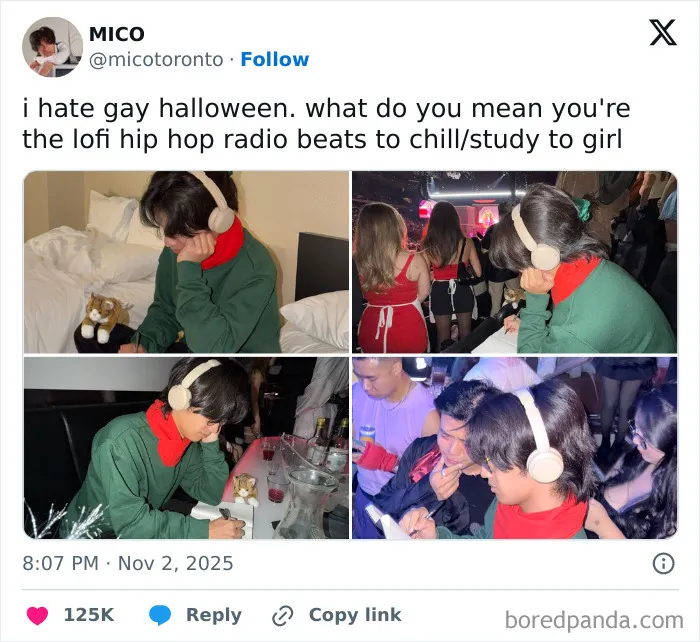
Reports show the “I hate gay Halloween” phrase first became popular as a joke. The funny twist is that while it claims to “hate gay Halloween,” people actually love how silly the costumes are. I mean, most of the costume-wearers are the ones who post about it.
On October 30, 2022, we saw the earliest reference to this hilarious meme. An X user tweeted, “Gay Halloween costumes are like ‘oh this? I'm the scarf Mira Sorvino folded at the end of Romy and Michelle.’” While that one got many likes, it was on October 25, 2023, that the whole “hating gay Halloween” thing emerged.
Another X user wrote, “hate going to gay halloween parties like what do you mean you’re lady gaga at the 2:53 mark of the judas music video.” Then, in 2024, it completely took over the internet.
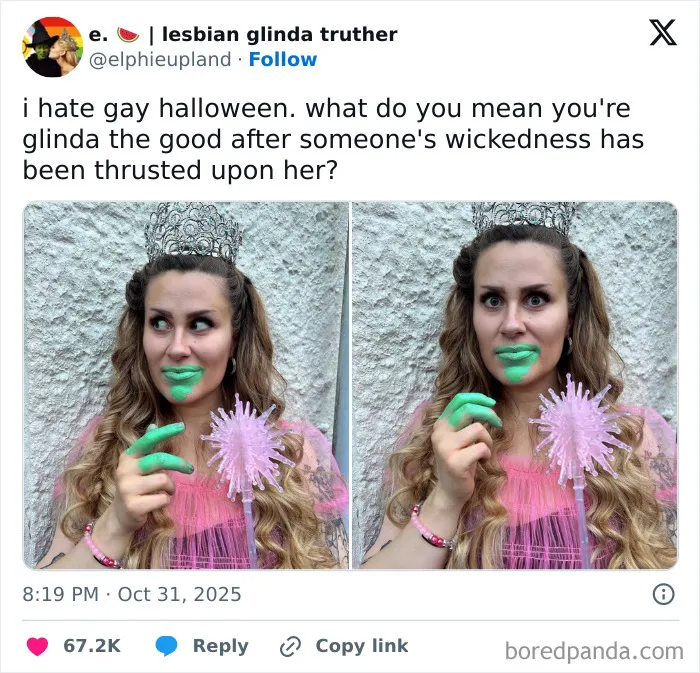
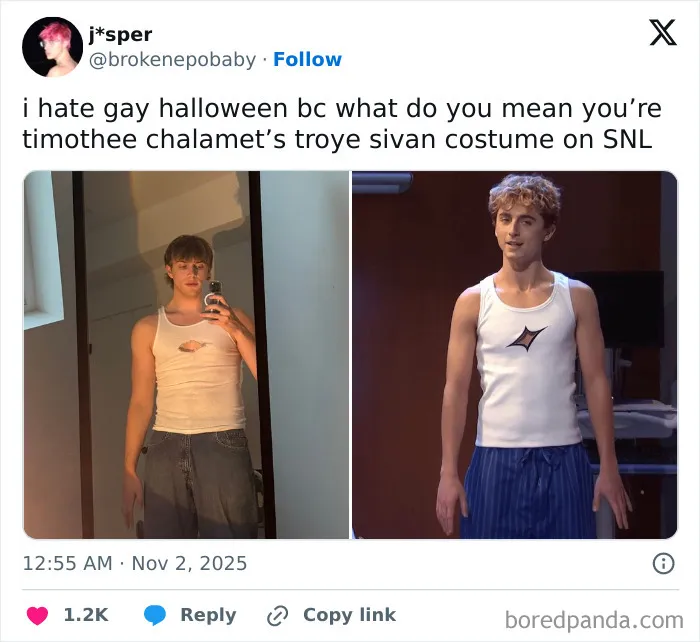
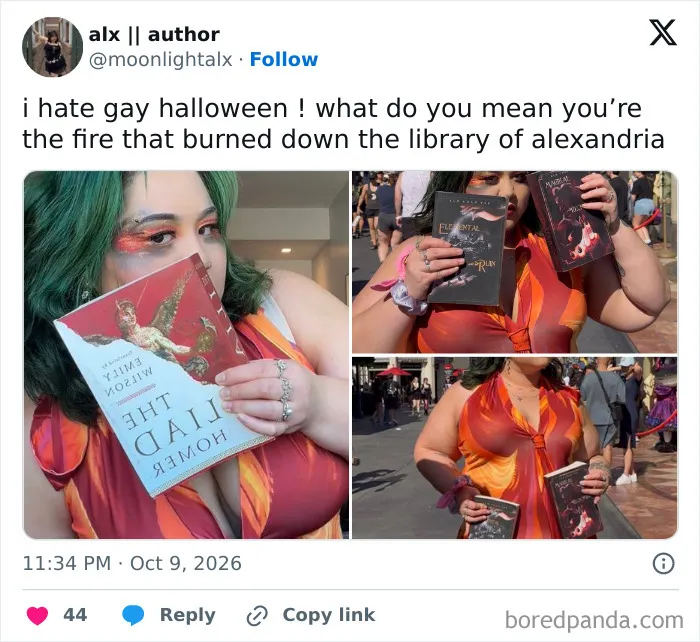
In all honesty, the “I hate (love) gay Halloween” trend perfectly fits the holiday because in the queer scene Halloween is often called the “gay Christmas.” After all, it’s the one celebration where they can embrace their self-expression, creativity, and liberation.
I mean, LGBTQ+ people are often judged by society because of how they dress and also face oppression and discrimination because of it. But on Halloween, they can be anything or anyone without fear of judgment.
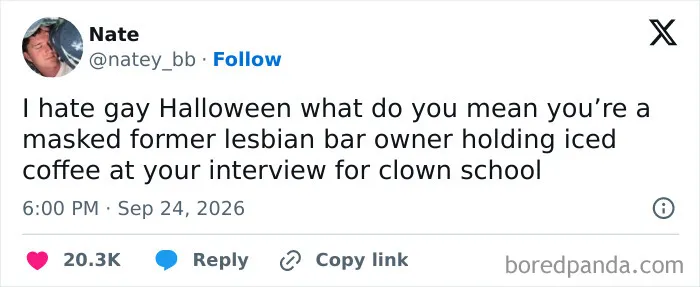
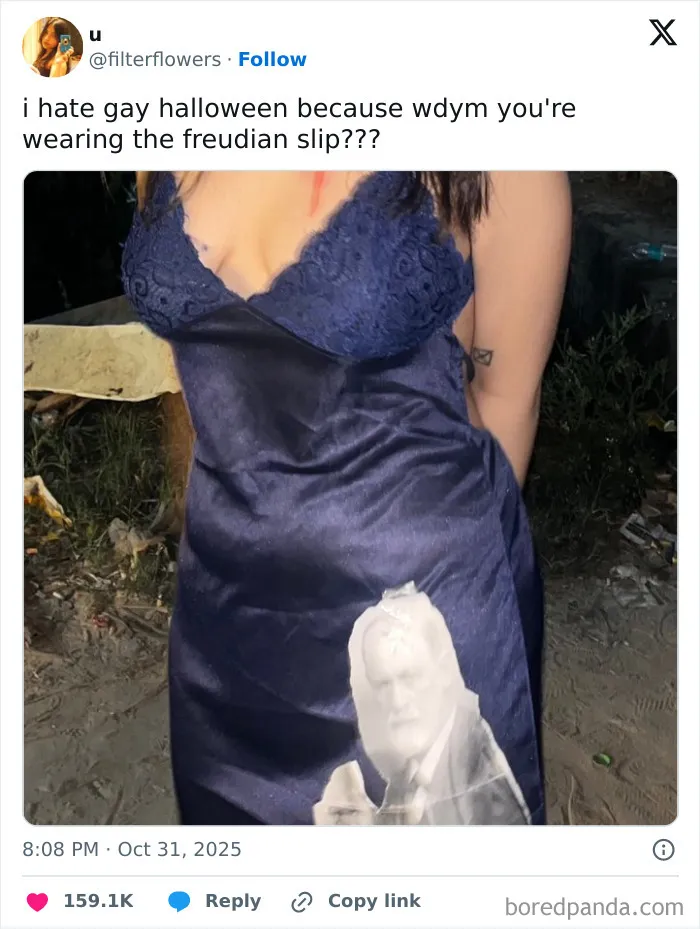
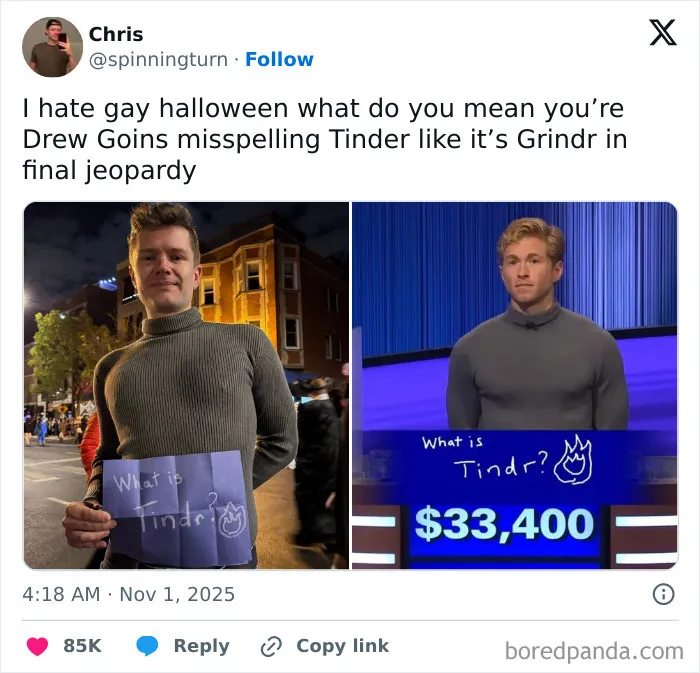
According to the experts at Psychology Today, Halloween carries deeper meanings for some LGBTQ+ people, as the themes of spirituality and light and darkness are ingrained in the queer psyche as a result of past and current discrimination.
They explain that Halloween allows queer people to reclaim religious narratives that label being gay as “sinful.” So, they transform “dark” figures like the Devil and vampires into symbols of sensuality and humor. This creative subversion challenges societal taboos, rejects rigid categorization, and builds belonging by celebrating identity on the margins.
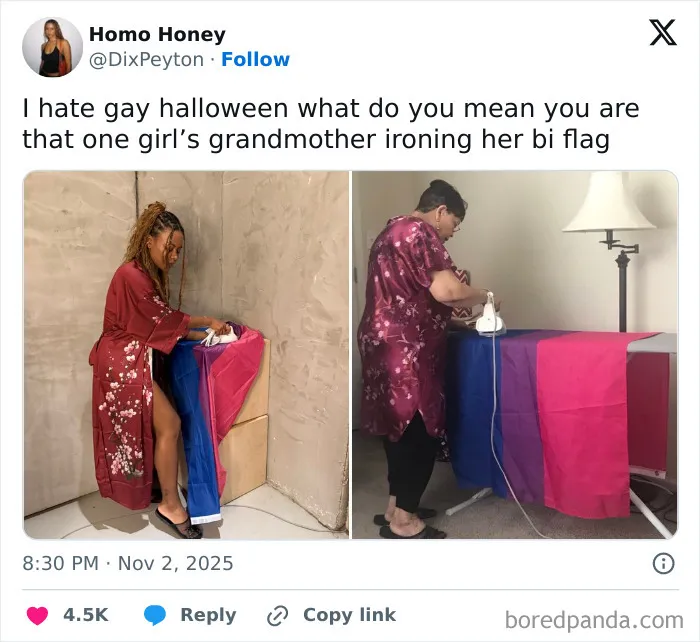
The experts also stress that while many people enjoy Halloween without any religious ties, it holds a special, affirming meaning for queer individuals. It helps them overcome the pain of religious discrimination. It also helps to separate rigid, dogmatic religion from personal spirituality, a connection to nature and the cosmos felt from within.
“Paganism is arguably the most queer-friendly religion and/or spiritual space, so celebrating Halloween, originally a Pagan festival, could be a meaningful embrace of spirituality while being joyfully queer,” the experts add.
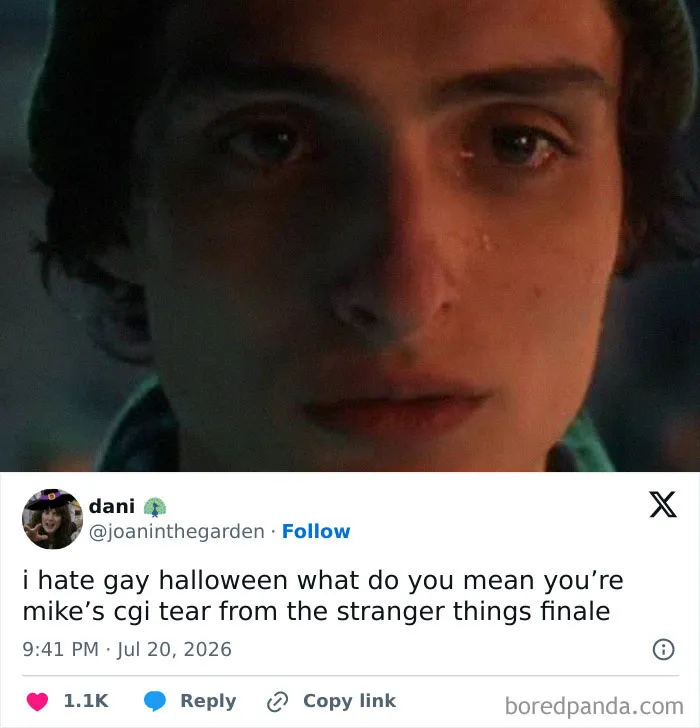
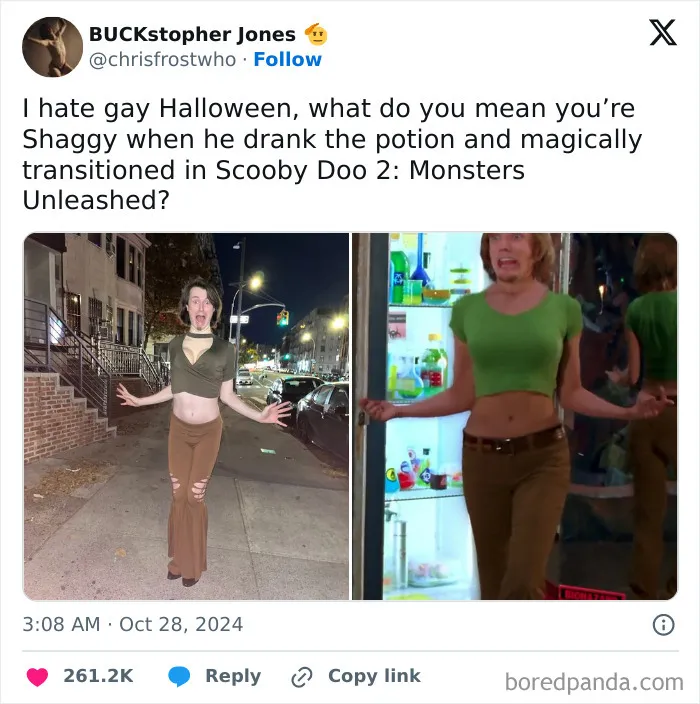
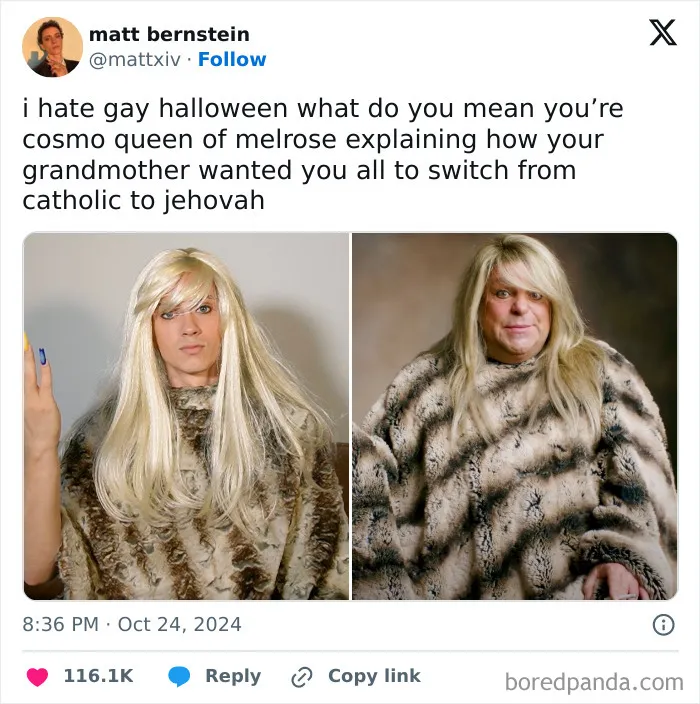
While this hilarious costume trend has grown immensely popular since 2024, experts are weighing in on other trends that might take off in 2026.
“People don’t necessarily want to look frightening - they want to look extraordinary,” costume designer Tamar Zaig, who runs a fancy dress hire shop, told the BBC. She says that she’s seeing a “real appetite for escapism, glamour and a bit of dark humor” right now.
Of course, the latest movies, TV shows, and pop culture buzz still drive people’s outfits.