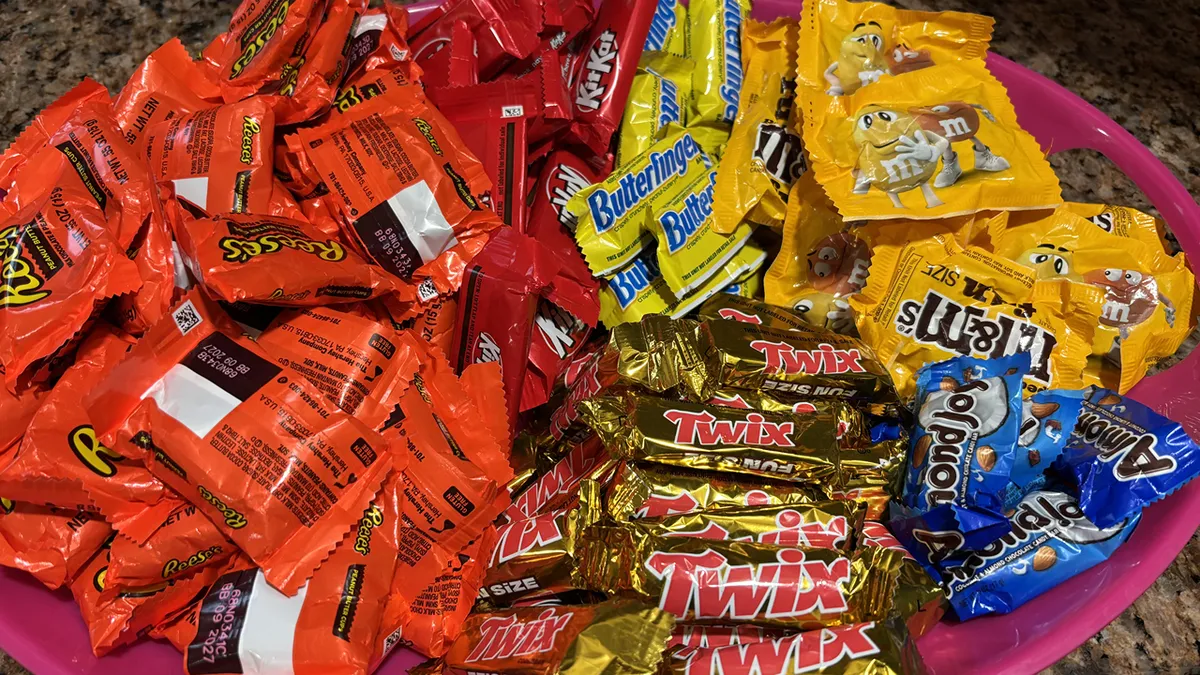


#2 Bought A Bunch Of Candy For My First Halloween In A New House/State. Got About Six Trick Or Treaters
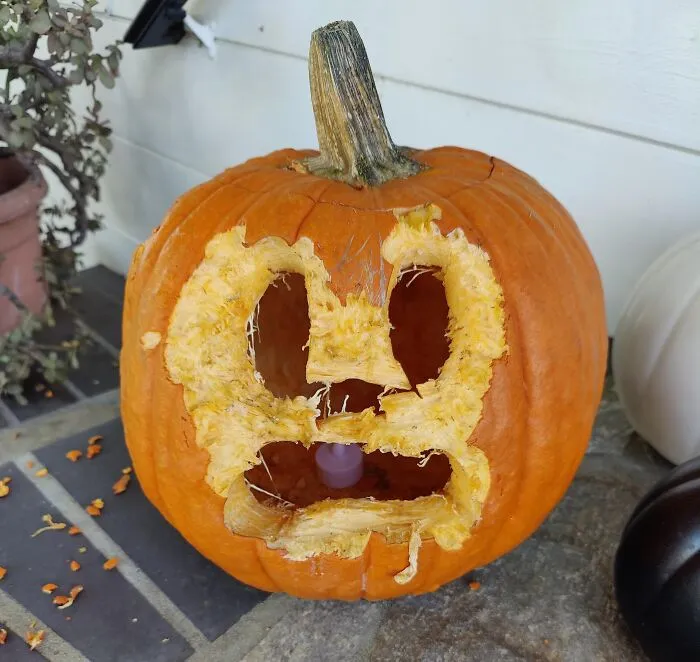
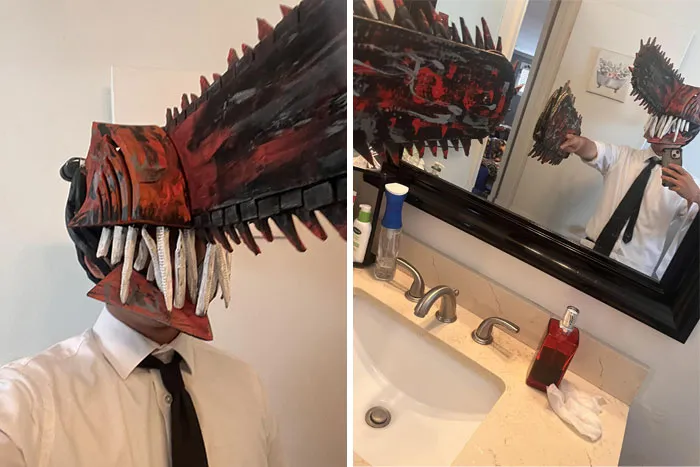
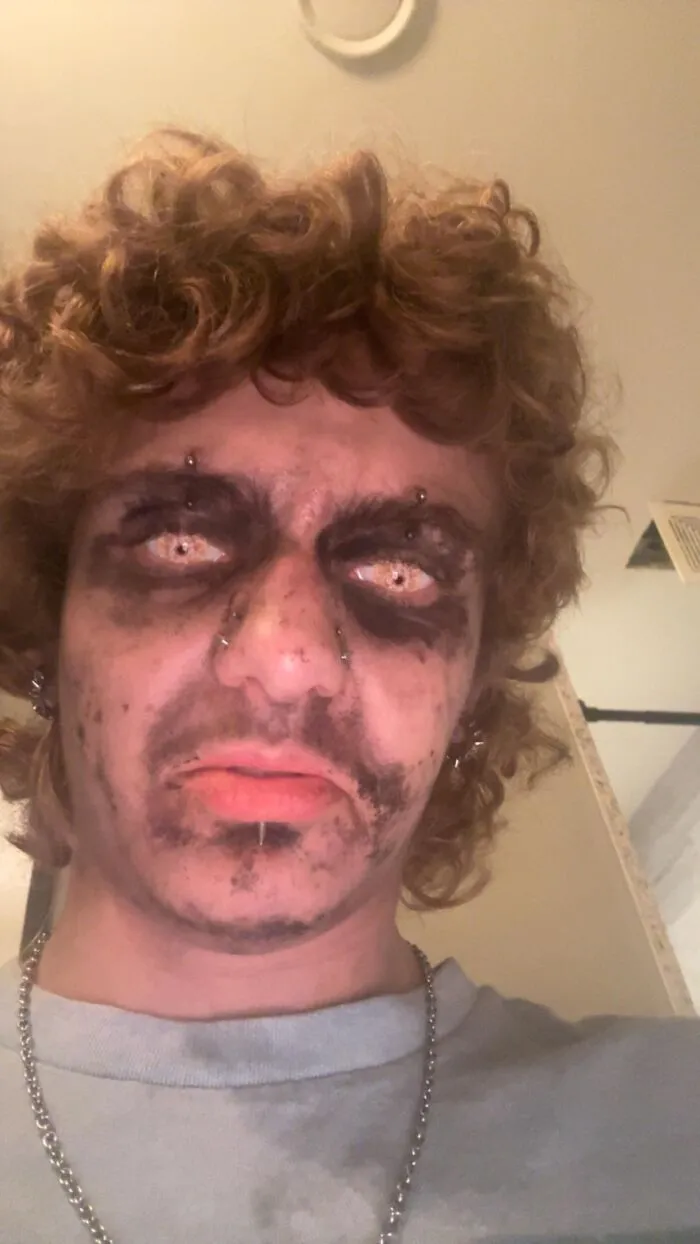
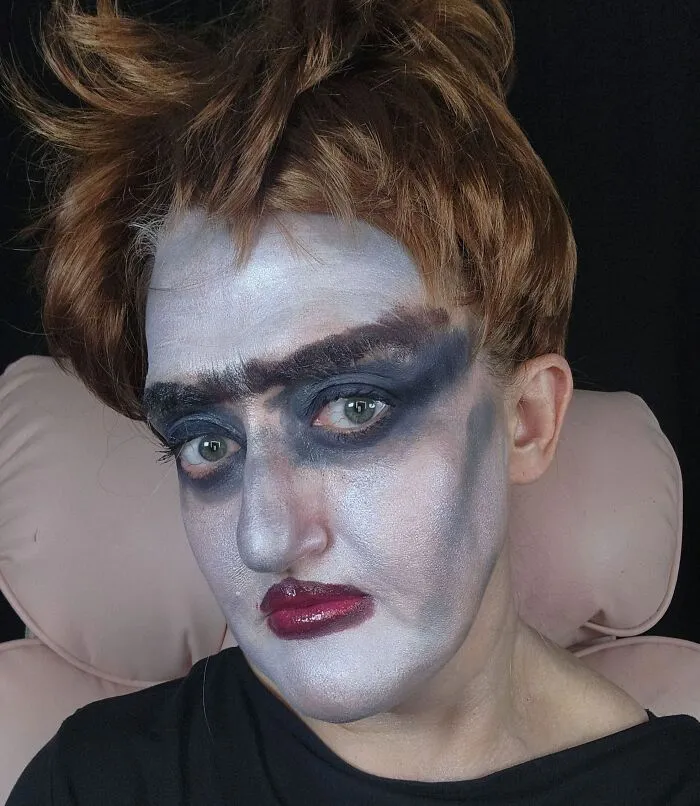
#3 I Lost A Costume Contest To Someone Who Dressed Up As Themself
Part of the reason a bad Halloween feels worse than an ordinary bad night is that more is riding on it than we like to admit. Writing for Forbes, marketing professor Marcus Collins puts it neatly: “This isn’t about costumes and candy; this is about belonging.” That’s why, he says, any parent who has taken their kids trick-or-treating remembers exactly which houses kept their lights off or couldn’t even manage to put out a “take one” bowl. We quietly judge those neighbors and keep score, Collins admits, because opting out signals that you’re not really one of the group.
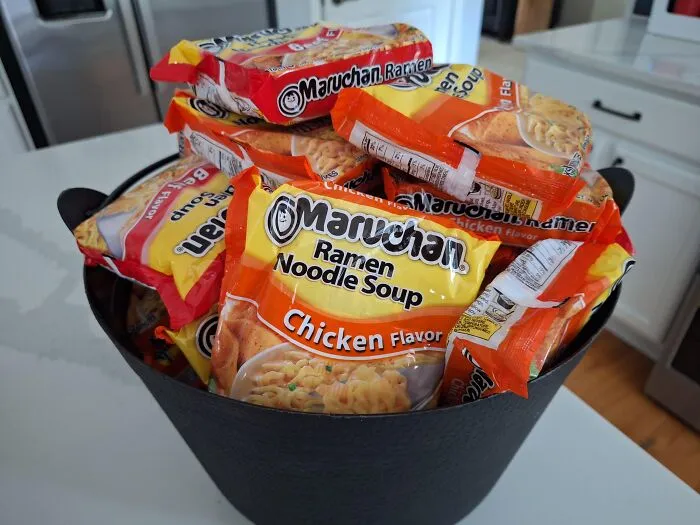
#5 My Uber Driver Texted Me "I'm Scared" Then Drove Away & Cancelled My Ride
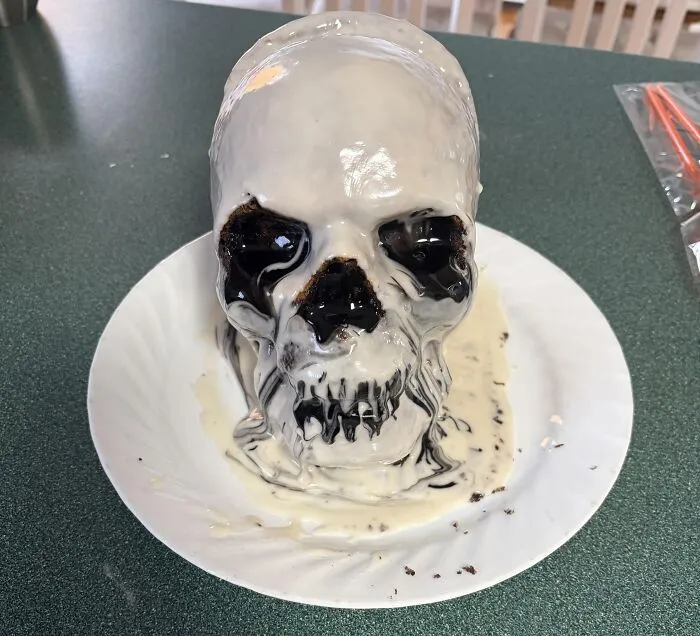
#6 Apparently My Cake Saw The Ark Of The Covenant (The Glaze Was Too Runny)
He goes further, arguing that Halloween comes with a whole set of unspoken rules and social pressures, with spending money essentially becoming the price of admission. And the numbers seem to back him up. The NRF expected consumer spending on Halloween to reach $13.5 billion this year.
The NRF expected around $4.4 billion of that to go toward costumes, and here, too, there’s pressure. As Collins explains, a Halloween costume is generally expected to reference something other people will recognize. If nobody can work out what you’re dressed as, you’ve either picked something too obscure or failed to make your idea clear. Either way, he argues, it’s a social misstep.
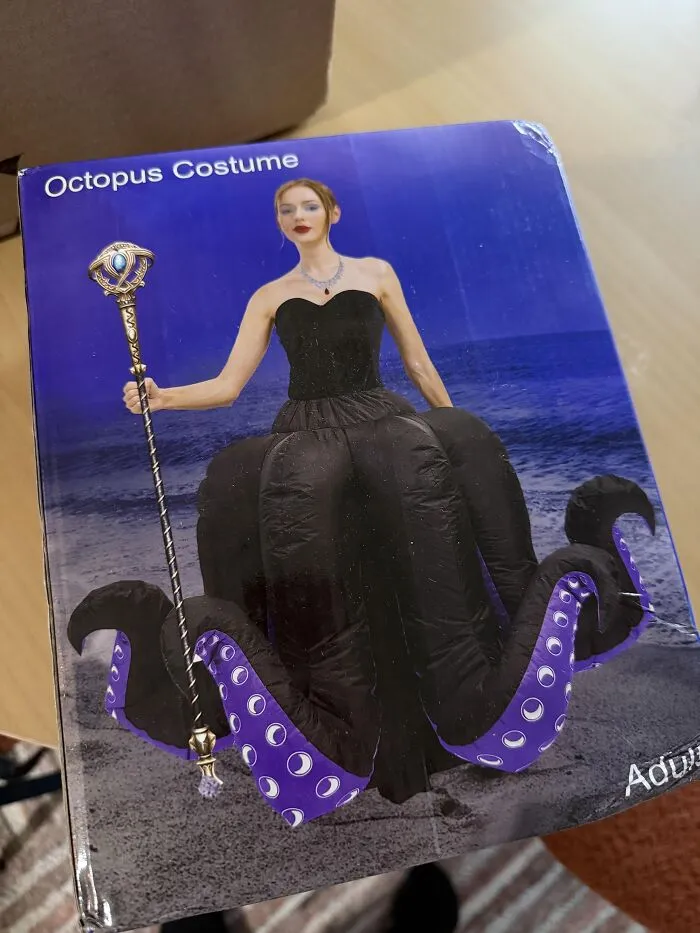
#10 "I'll Be In The Couples Costume But I Don't Want To Have To Do Anything" - Husband
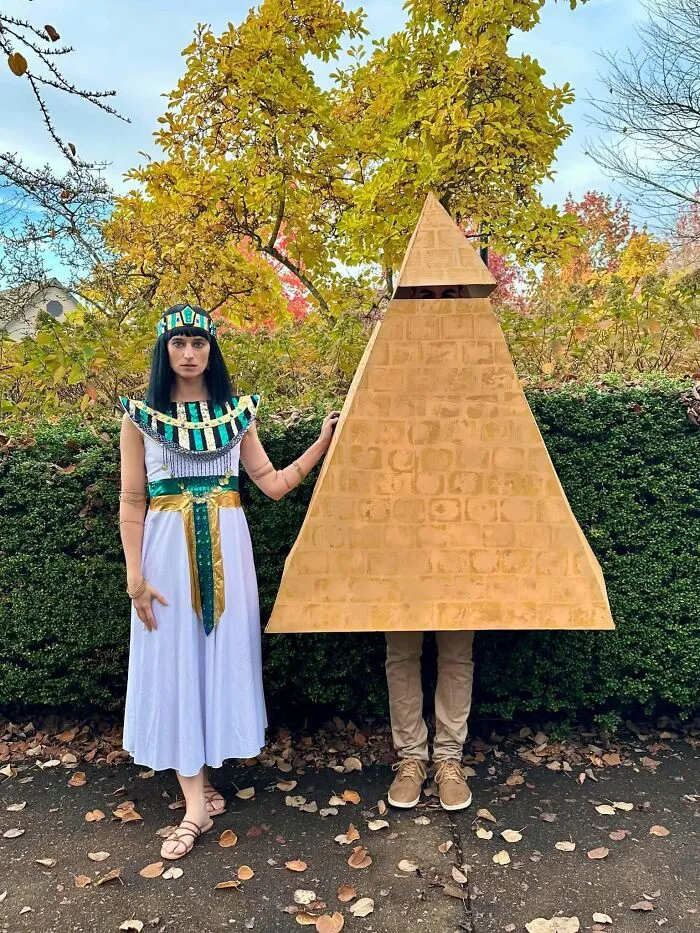
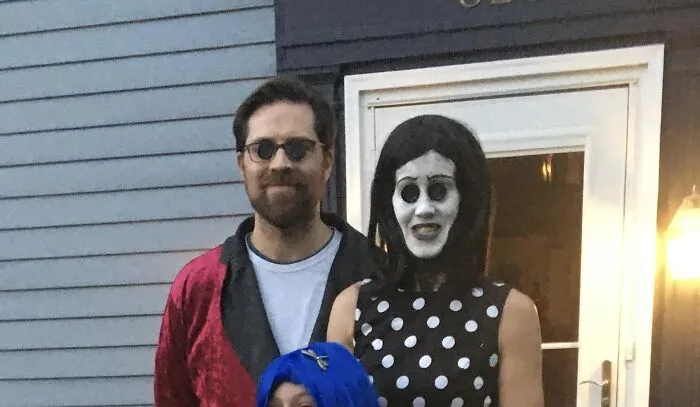
#11 That Time I Tried To Be The Other Mother From Coraline And Ended Up Scaring The Whole Neighborhood
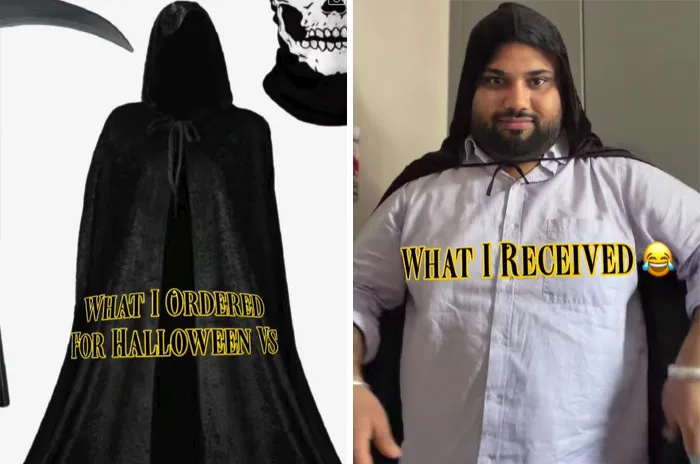
But getting the reference right is only half the battle. Collins points out that a costume can be recognizable and still go down badly within a particular social circle. Dressing as a polarizing politician at a party full of people from the other side, for instance, might get the message across, but probably won’t win you many fans. What the costume says matters just as much as whether people get it.
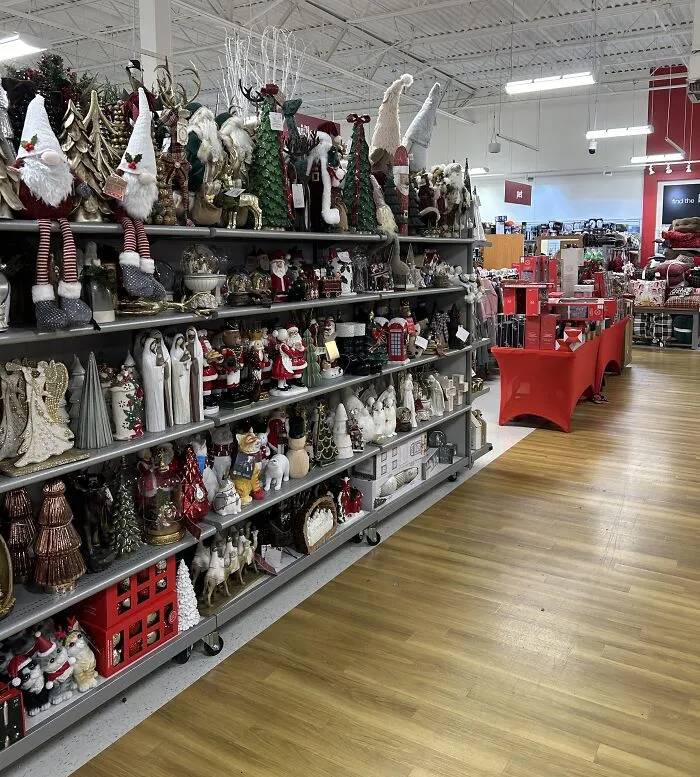
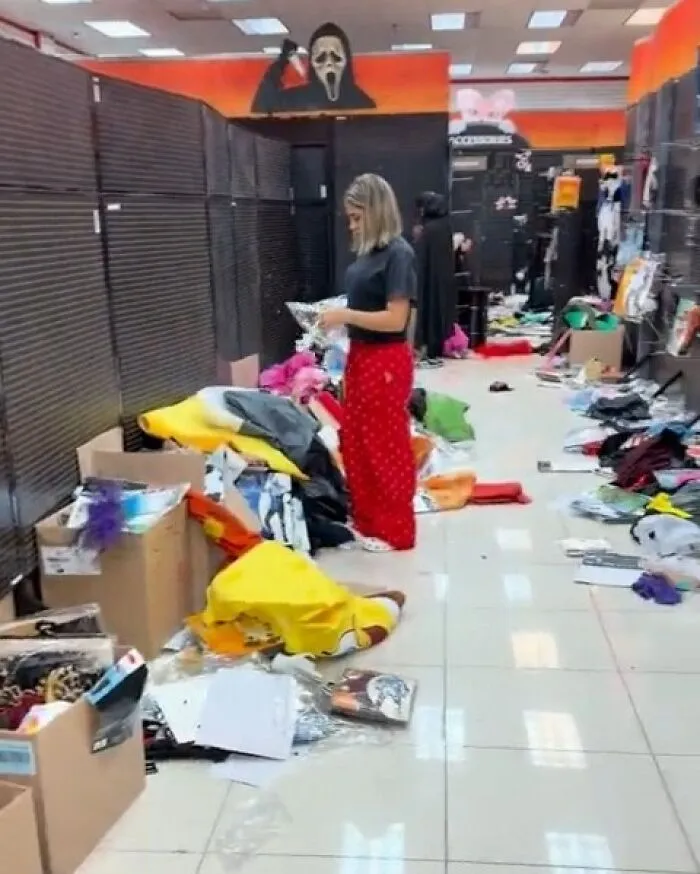
#13 Stores Completely Replacing Halloween/Fall Sections With Christmas Merchandise And It’s Not Even Halloween Yet
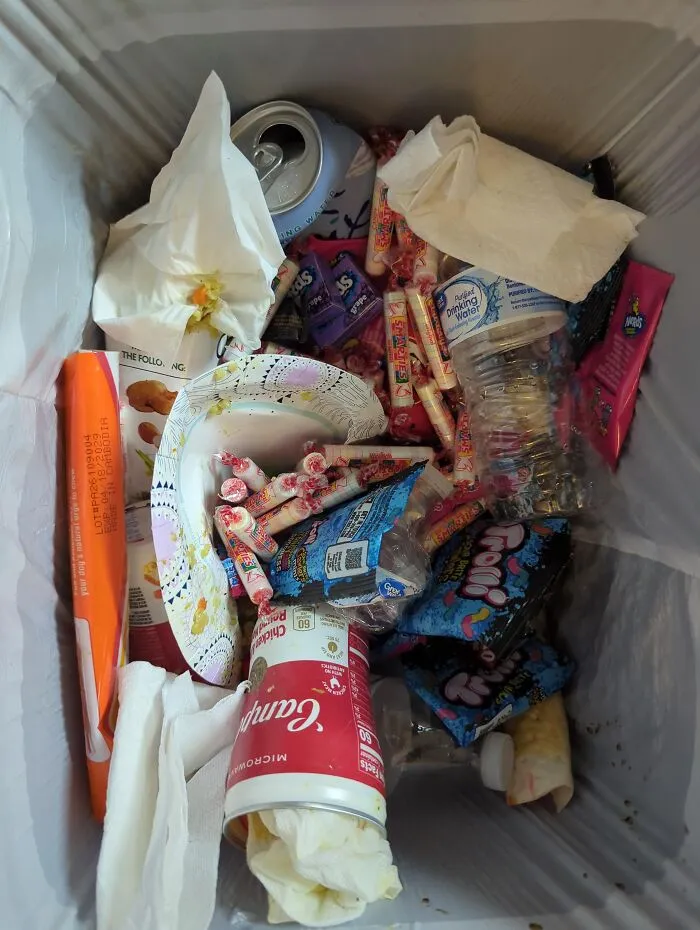
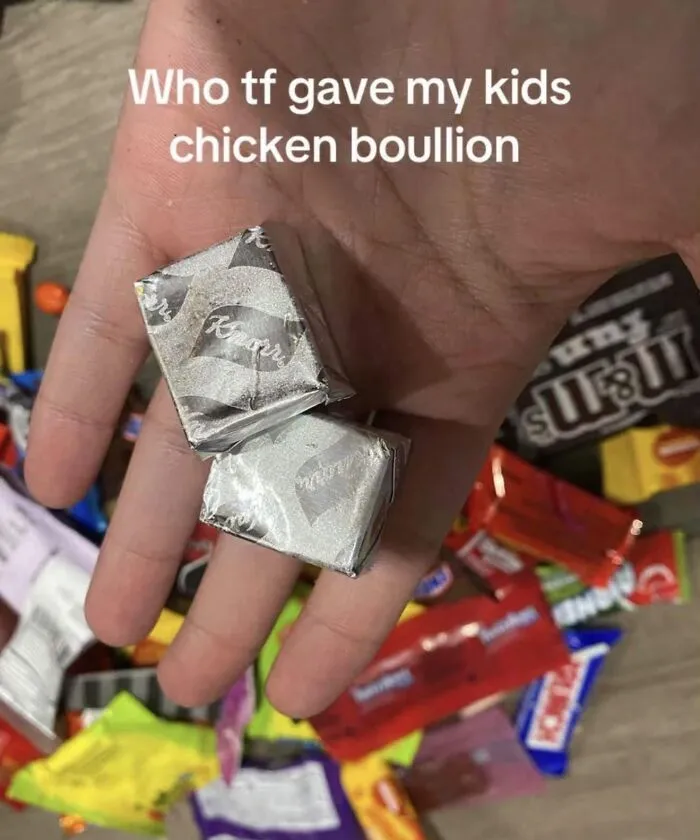
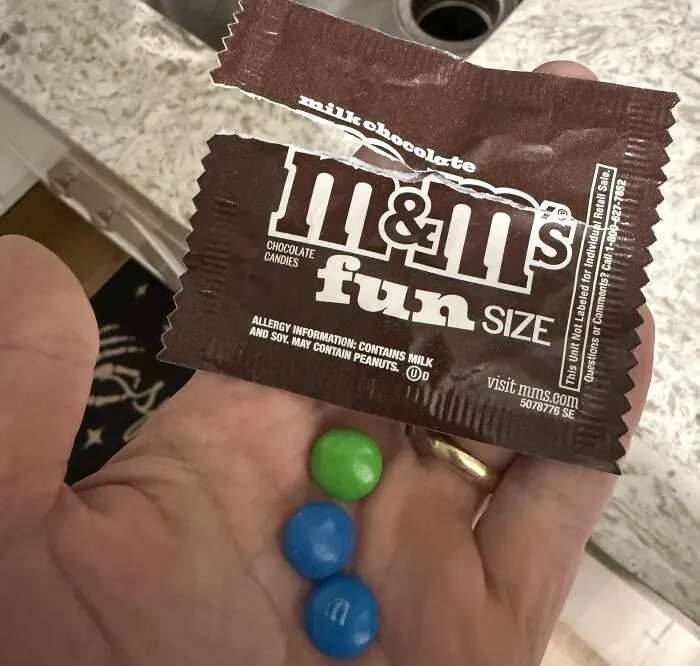
#15 Fun Size Now Means 3 M&m’s
In that sense, Collins sees choosing a costume as a kind of cultural signal, a way of showing that you understand the people around you and the references that matter to them. Then again, as much as you want to fit in, you don’t want to look like everyone else, either. A costume that’s too popular, he notes, is like turning up to a party in the same dress as half the guests. “We want to fit in but also stand out,” Collins writes. That’s not always easy to pull off (particularly if you consider the NRF expected some 4.8 million American adults to dress as witches this year).
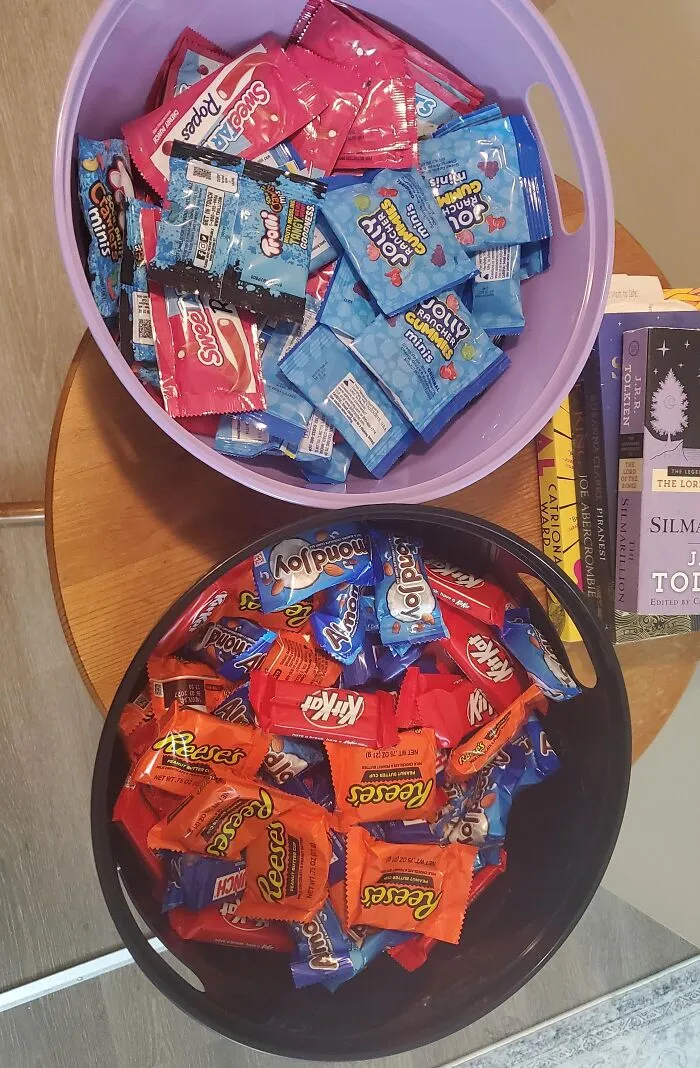
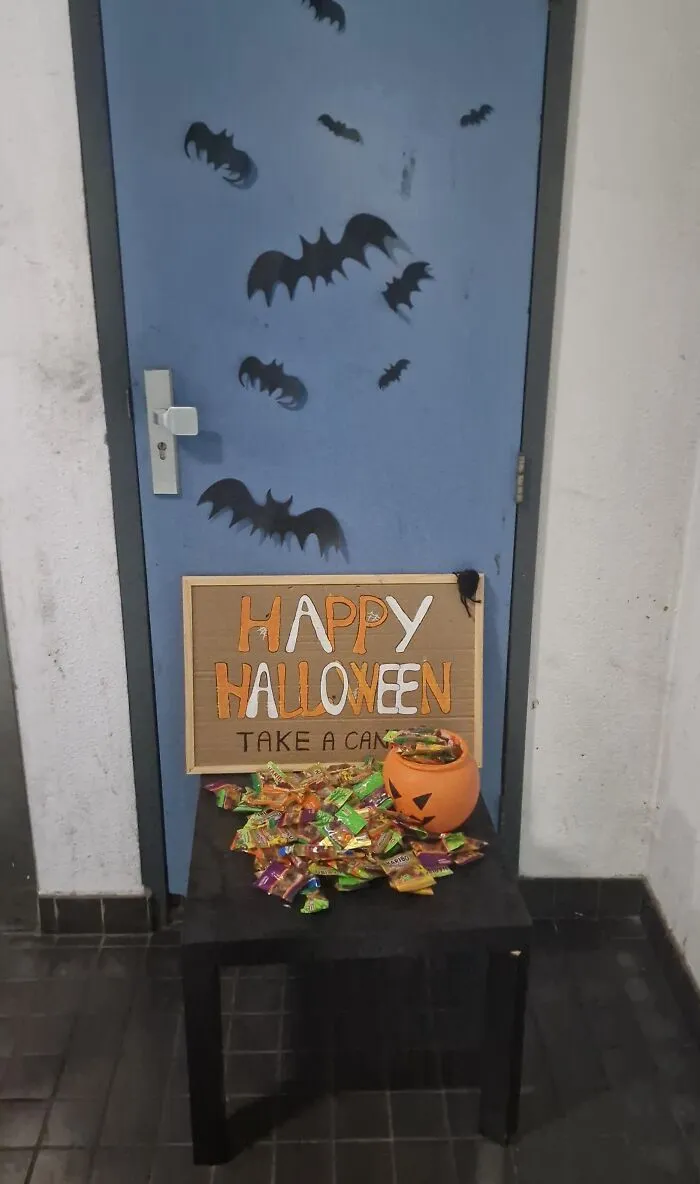
#16 Left Out Halloween Treats Fur The Neighbors, Table, Bowl And Even The Cardboard Sign Got Stolen
But while costumes can be changed, swapped, or cobbled together the night before, the calendar can’t. And if you ask me, the true horror of Halloween is that it isn’t actually a day off. More often than not, it lands right on top of deadlines, exams, and early alarms. A Friday or Saturday Halloween is a welcome reprieve, but anyone who has dragged themselves to work after trick-or-treating with the kids, or after bingeing a horror marathon that ran until 4 a.m., knows how quickly the fun turns into a frightful morning.
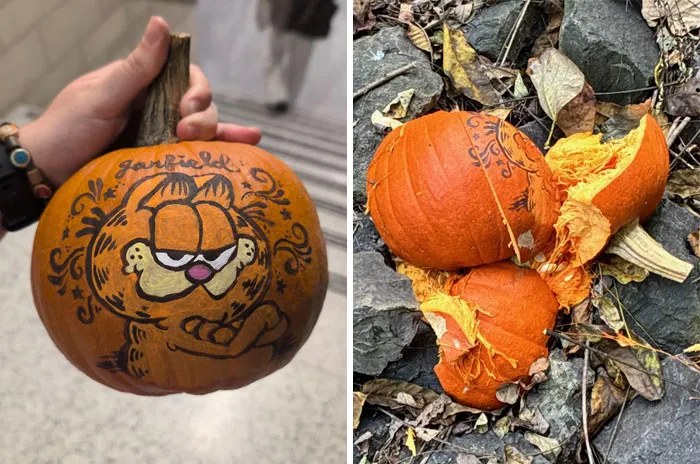
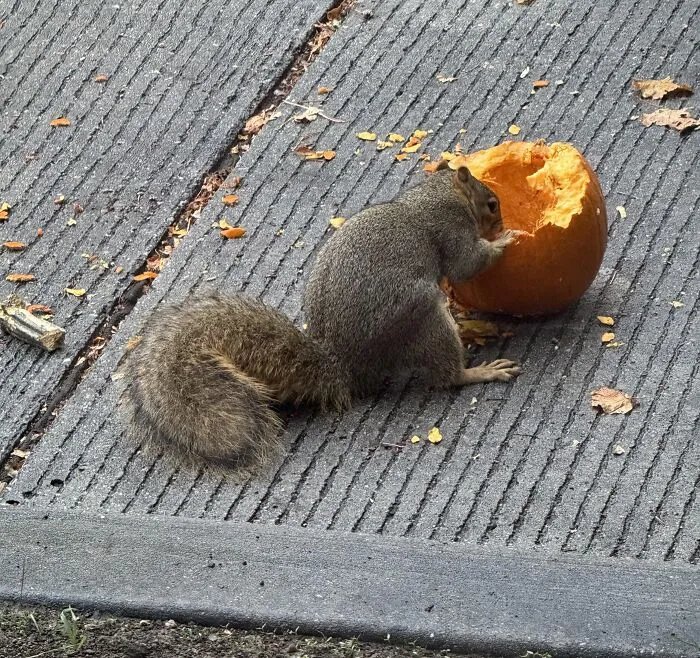
#20 Petty Roommate Destroyed My Pumpkin Because Of A Disagreement