


This post may include affiliate links.
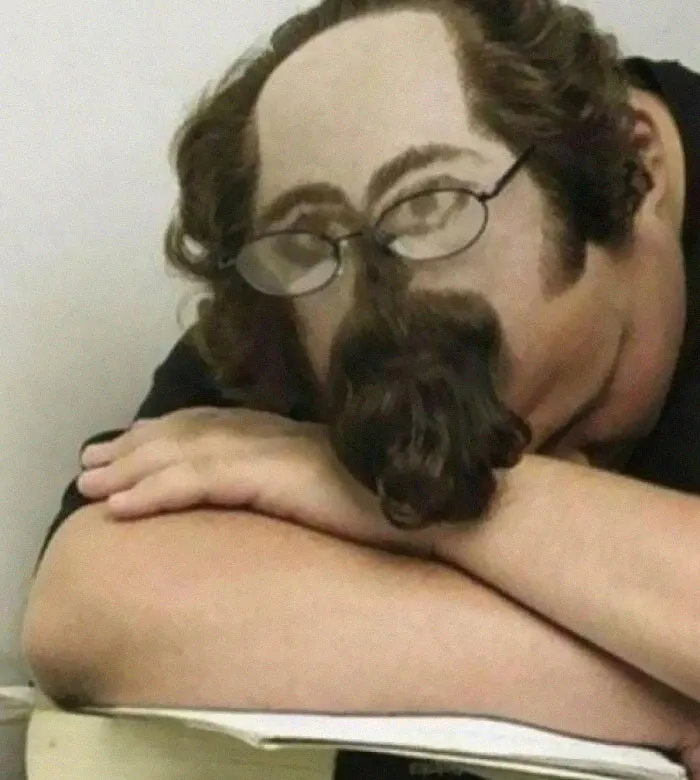
Anyone who’s ever had a haircut go horribly wrong knows just how much power hair can have over our mood. As Fleabag once put it, “Hair is everything. We wish it wasn’t, so we could actually think about something else occasionally, but it is.”
She says it while defending her sister Claire after a disastrous trip to the salon, and it’s hard to argue with her. When we feel good about our hair, we tend to feel a little better about everything else too.
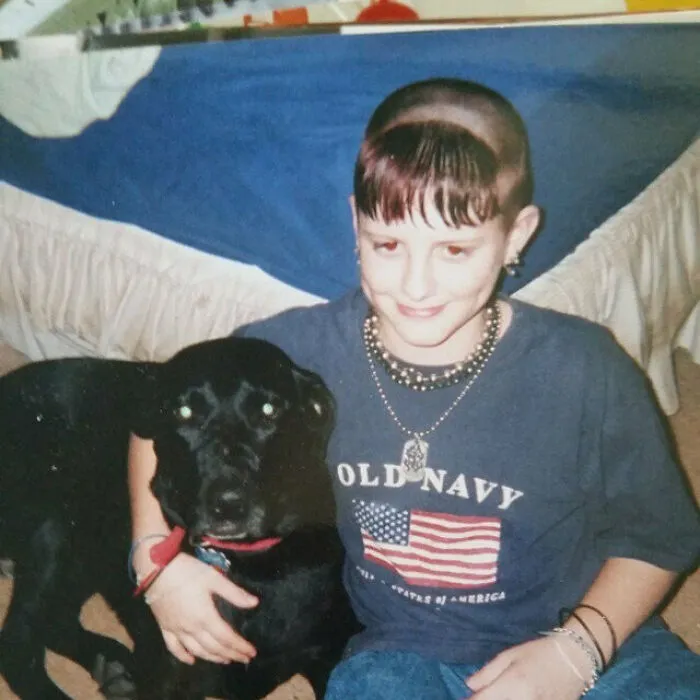
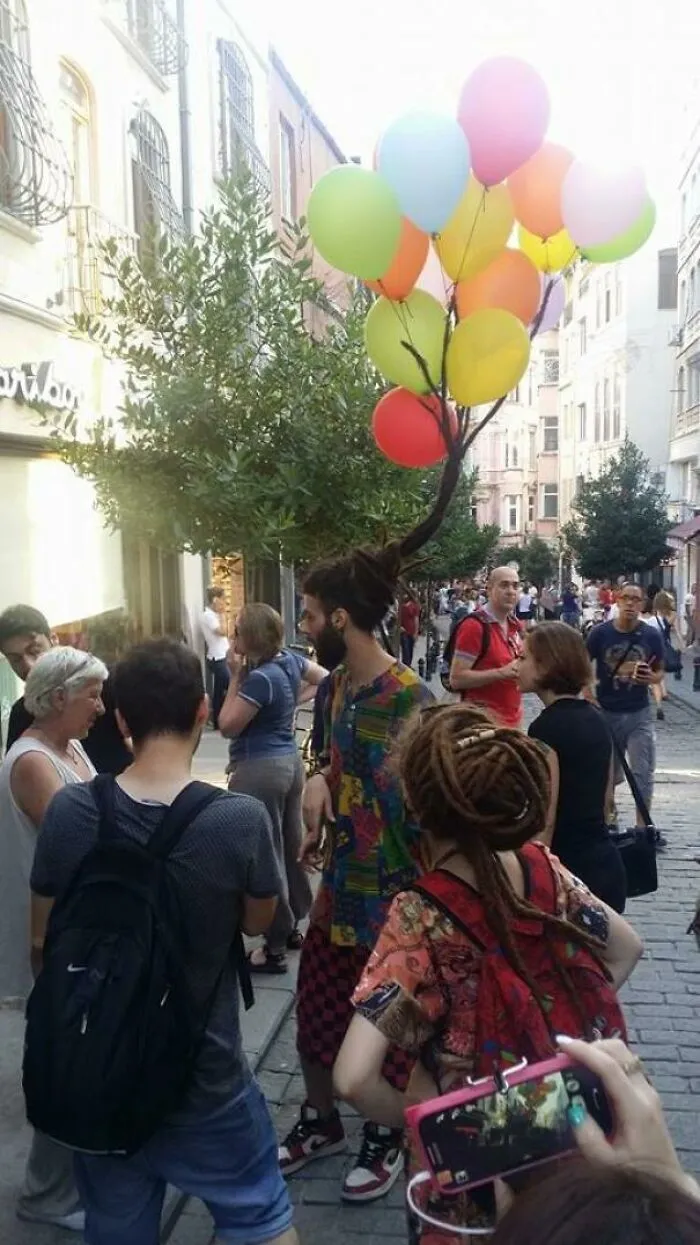
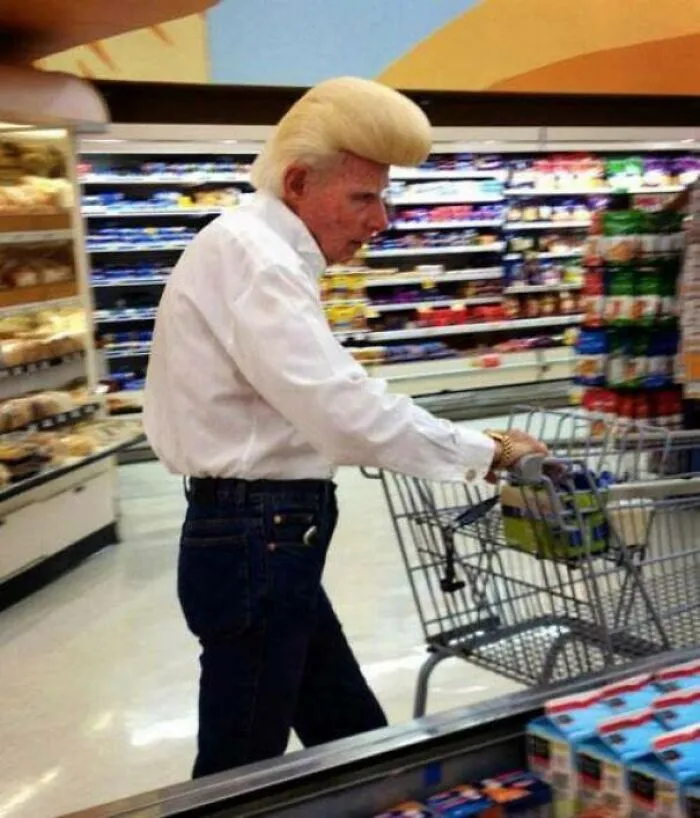
Plenty of us have probably had our own Claire moment. We walk into a salon finally ready for something more adventurous than the usual trim, then spend the next few hours watching the snipping or dyeing and hoping for the best. When the big reveal comes, though, what we see in the mirror is nothing like what we imagined.
Claire takes one look at her new cut and declares that she looks like a pencil. And while that reaction may be dramatic, salon regret is pretty common. One study found that one in five American women has left a salon in tears at least once.
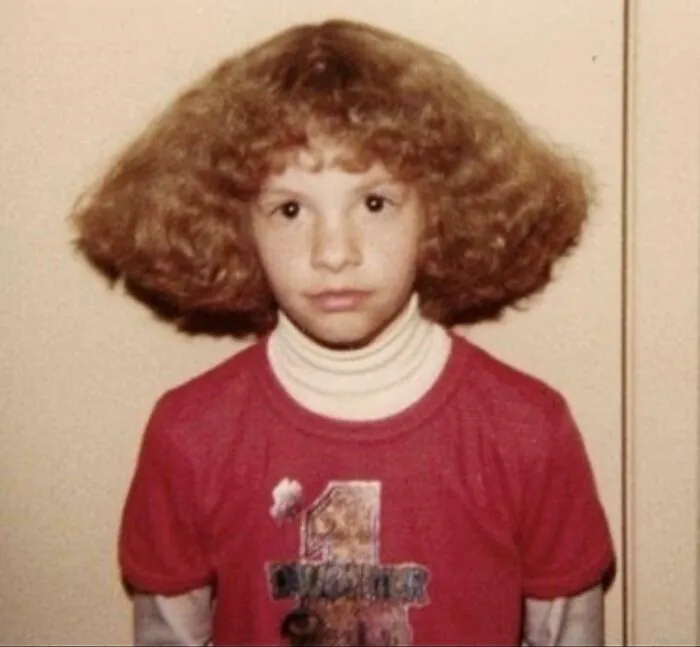
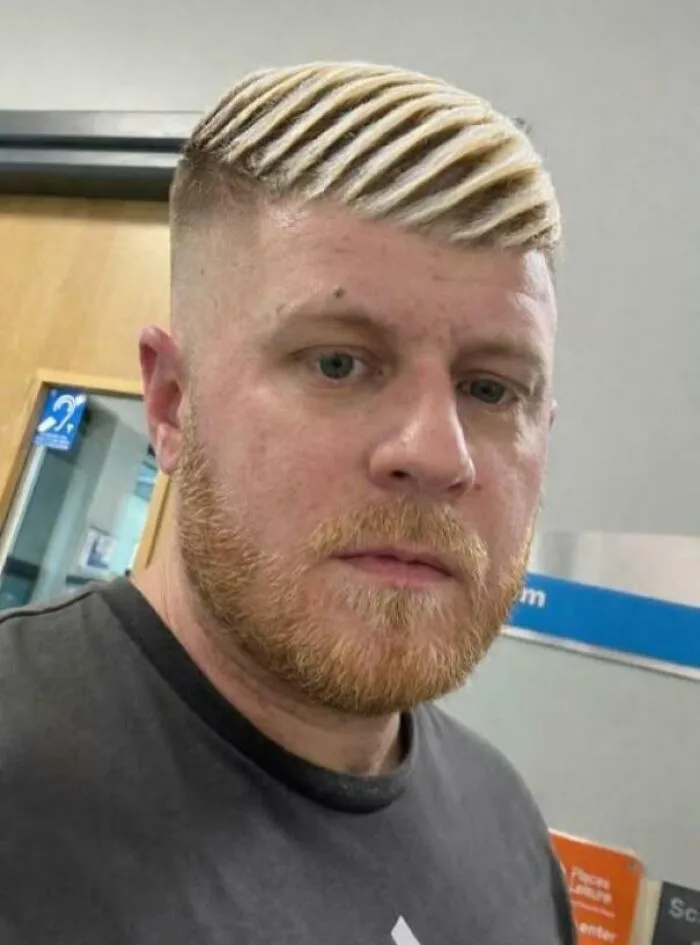
#8 'what Haircut Do You Want, Sir?' 'Well, You Know That Moment When You Pour Milk Into Your Coffee?'
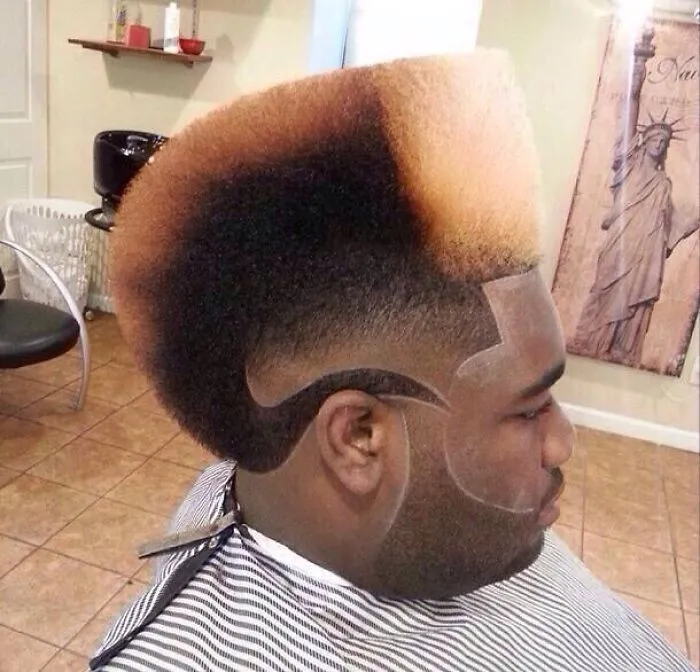

Sometimes, though, a haircut only feels wrong because the change is so sudden. We get used to seeing the same version of ourselves in the mirror every day, so even a perfectly decent cut can take a little time to settle in.
Our tastes change too. A style we once loved might make us cringe a few years later, while something we would have considered awful in the past can suddenly become fashionable.
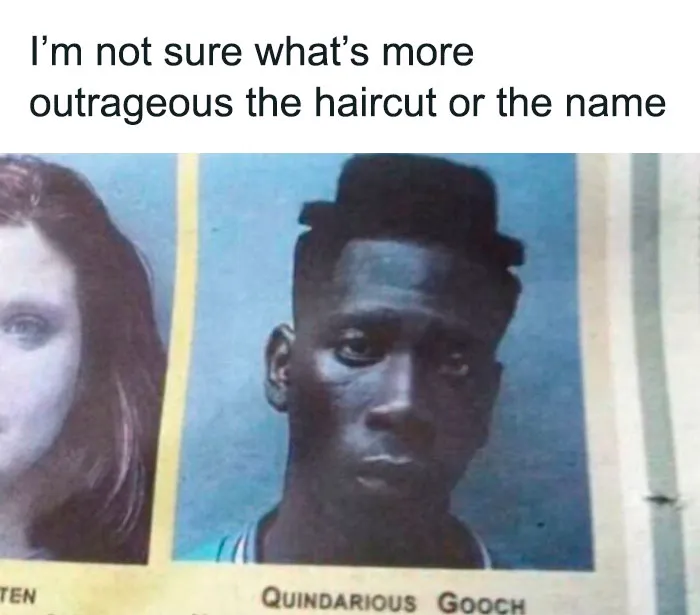
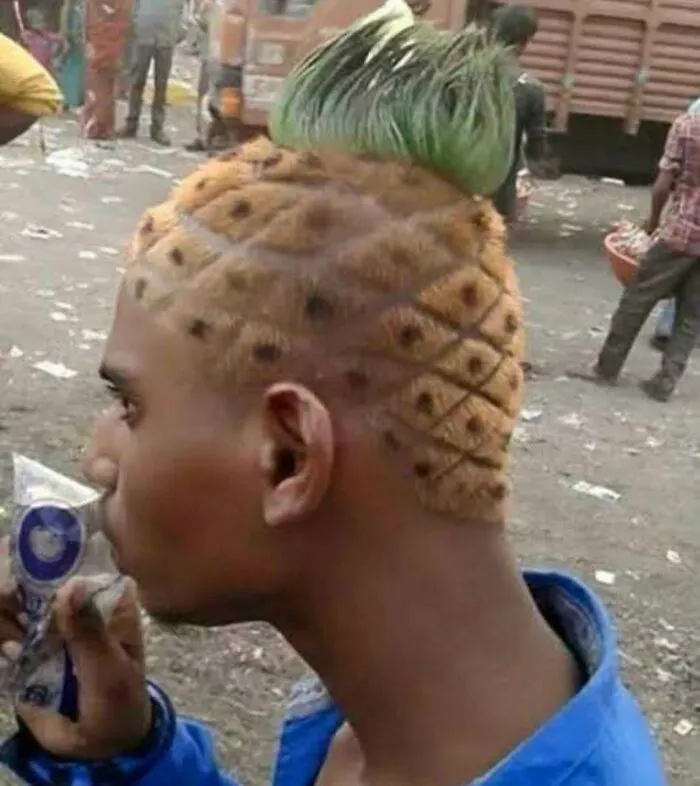
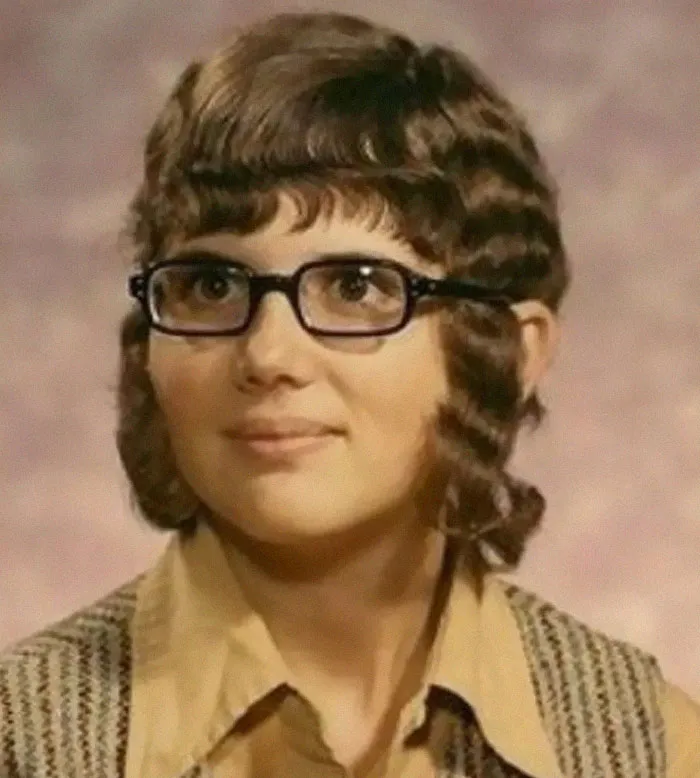
That is partly because our idea of what looks good is constantly being shaped by the world around us. Trends come and go, and hair has always followed them.
According to the UK’s National Hair & Beauty Federation, people have used hairstyles to express identity and status for thousands of years. In ancient Egypt, for example, pharaohs and noblewomen wore elaborate braided wigs that were associated with power and sophistication.
In the Middle Ages, on the other hand, hairstyles were much more modest. Women often covered their hair with veils or other head coverings, while men generally kept theirs shorter and simpler.
What people wore on their heads could also reflect social expectations and ideas about what was considered appropriate at the time.
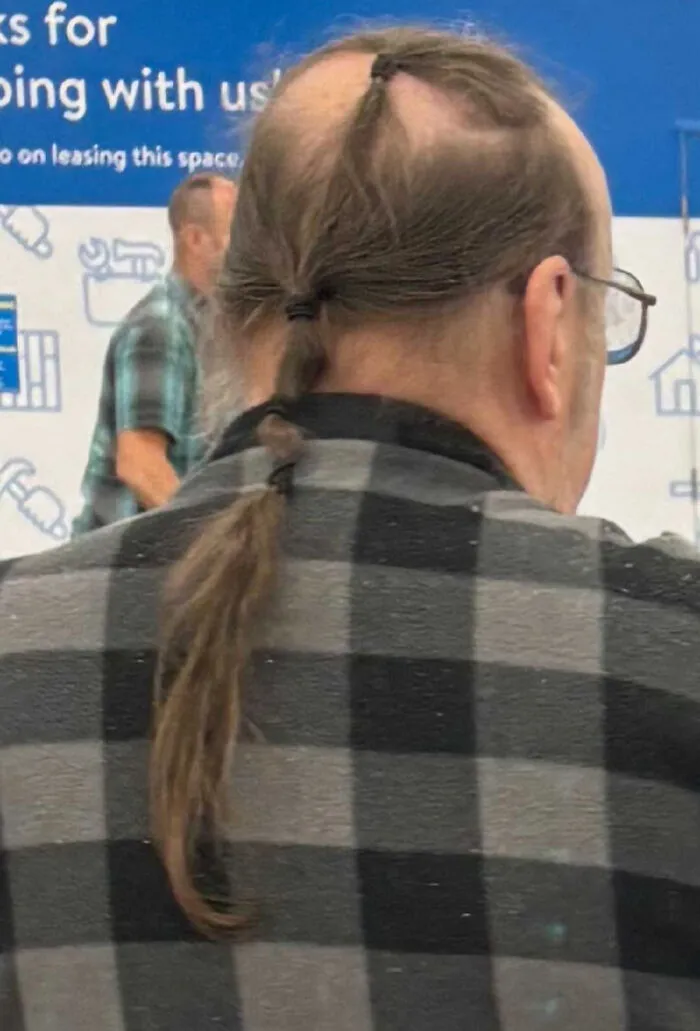
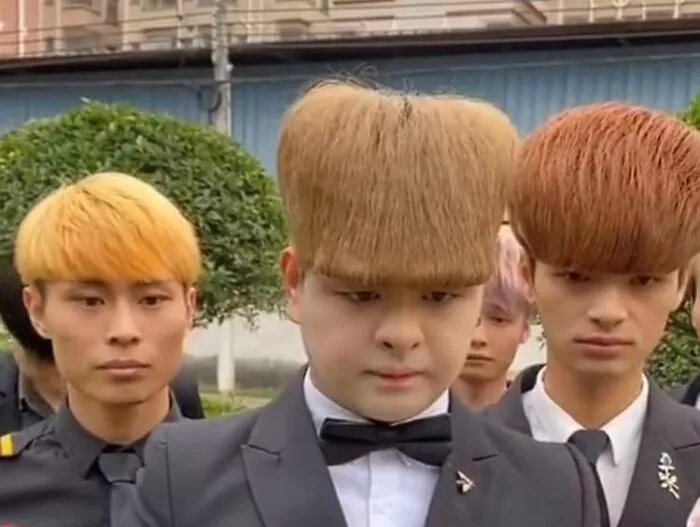
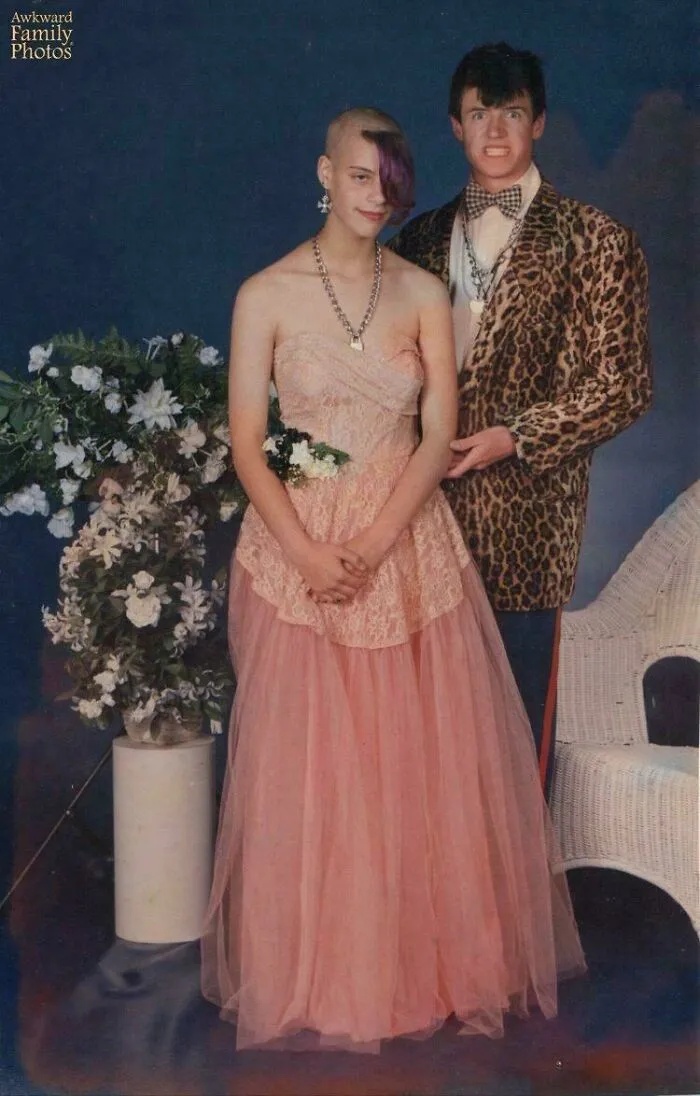
Sometimes, however, practicality mattered more than fashion. During World War Two, people working in factories, fields, and the armed services needed styles that would stay safely out of the way.
The National Hair & Beauty Federation notes that women in the military had to keep their hair off their collars while on duty. In Britain, shampoo was also harder to come by and water was rationed, so scarves became a useful way to protect hair while working.
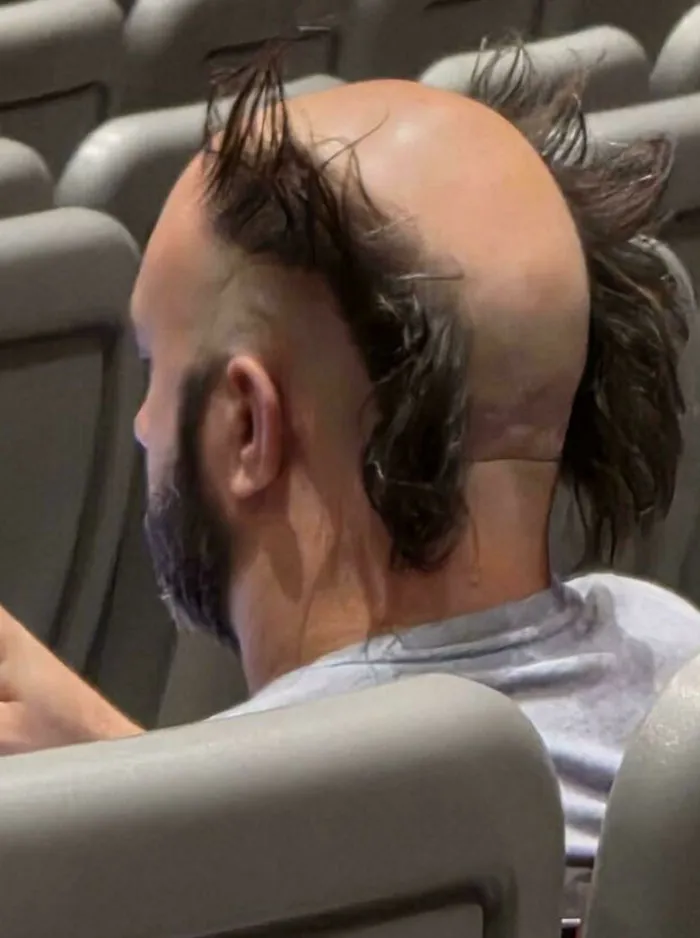
#20