



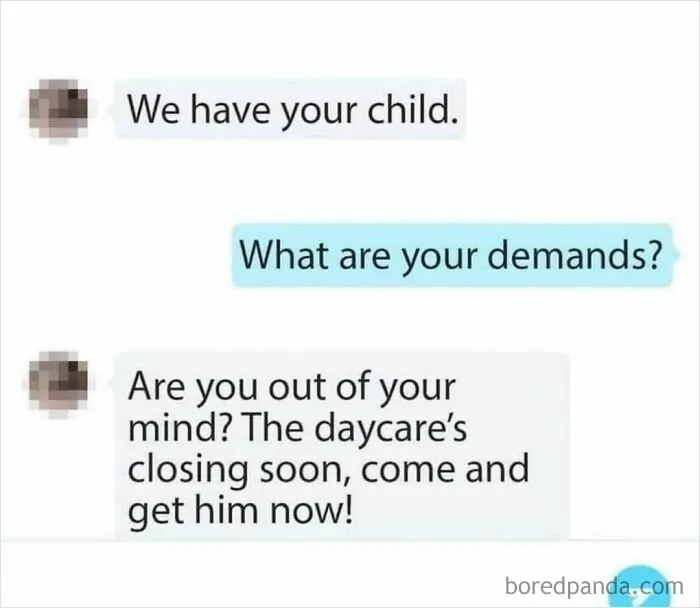
We live in a world that is still rife with war and inequality, and sometimes, humor plays a big role in keeping our sanity in check. Simply put, it’s really healthy, and some medical professionals claim that it’s the best medication out there. Sadly, stats reveal that an average adult laughs 17 times a day, while a child laughs 300 times.
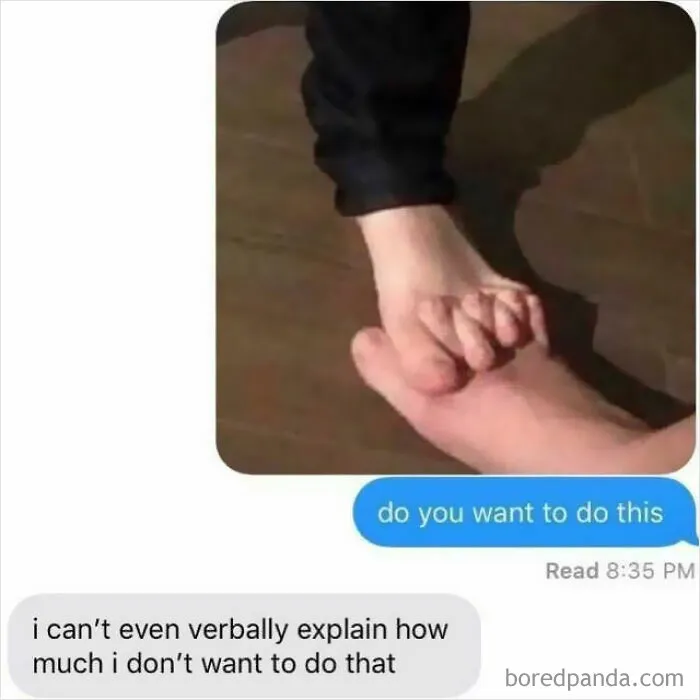
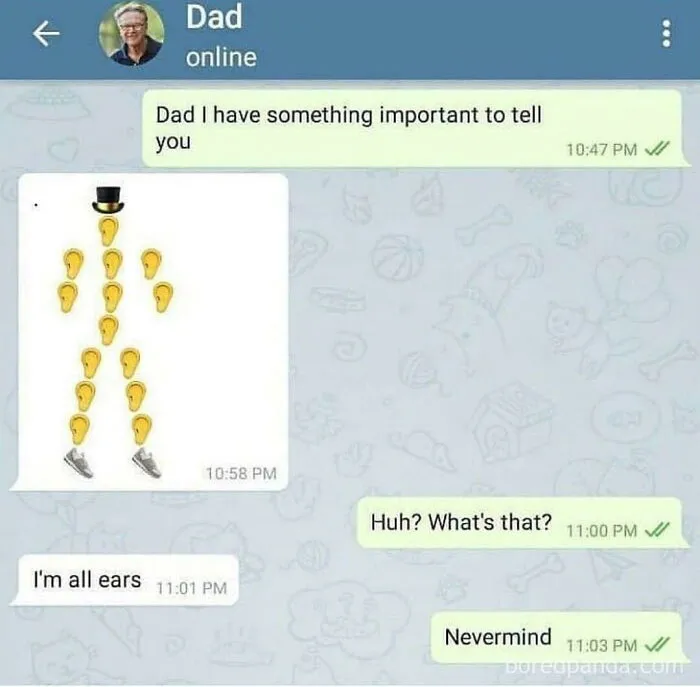
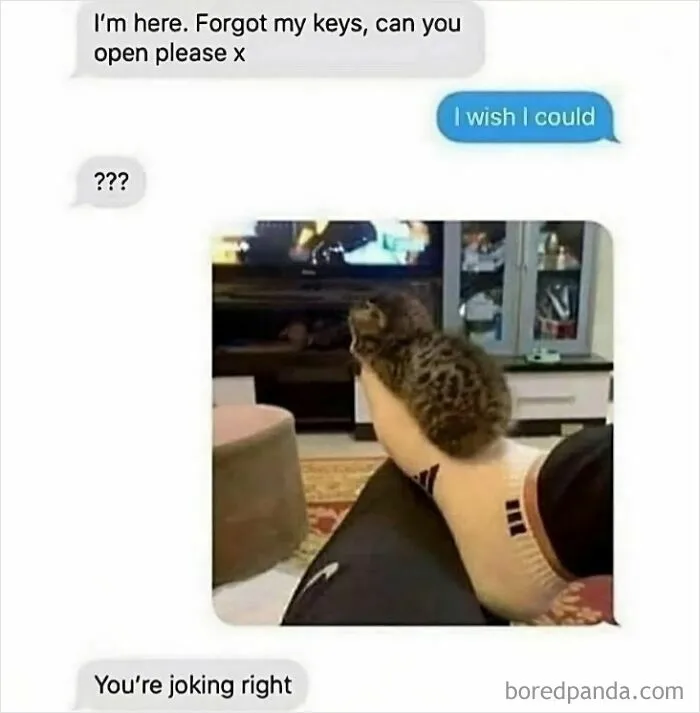
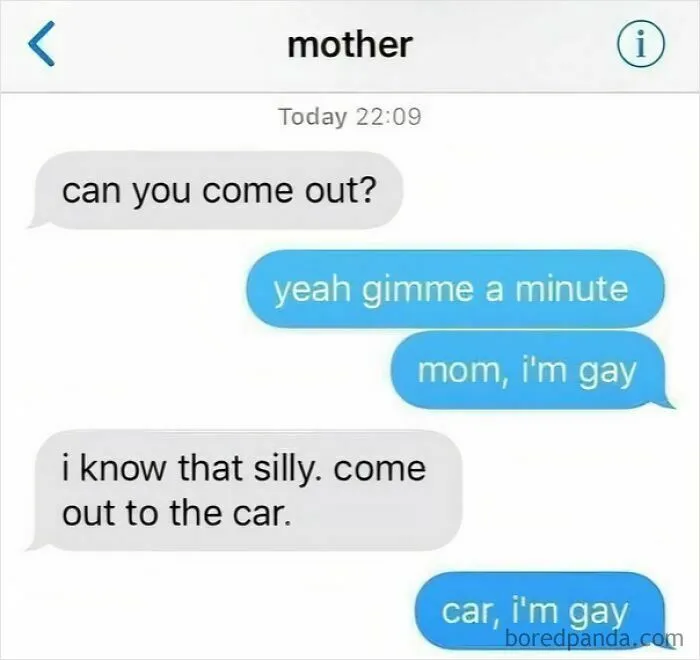
Well, funny fake texts might actually help lighten your days. After the digital revolution, there is no shortage of them online. However, let’s not forget that there’s a very thin line between what constitutes a good fake text that’s actually funny and a bad one that’s really cringey, disturbing, or even ick-worthy. After all, the internet can be a really creepy place at times.
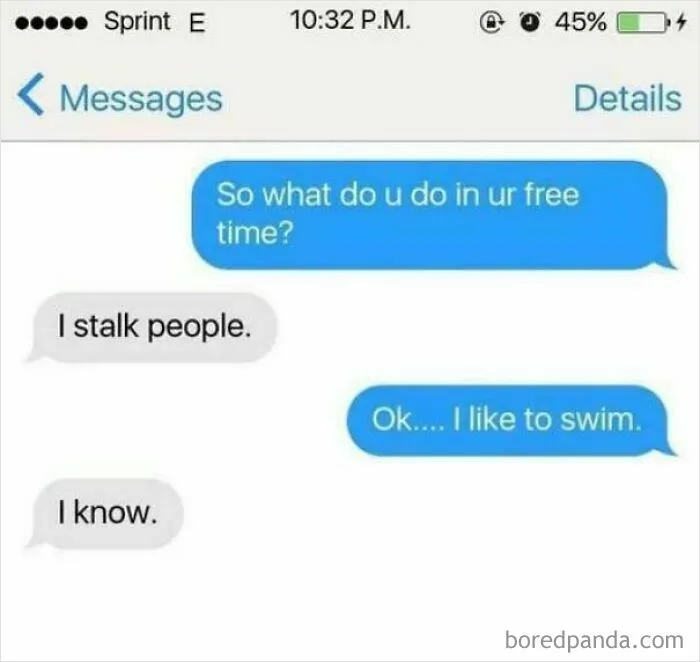
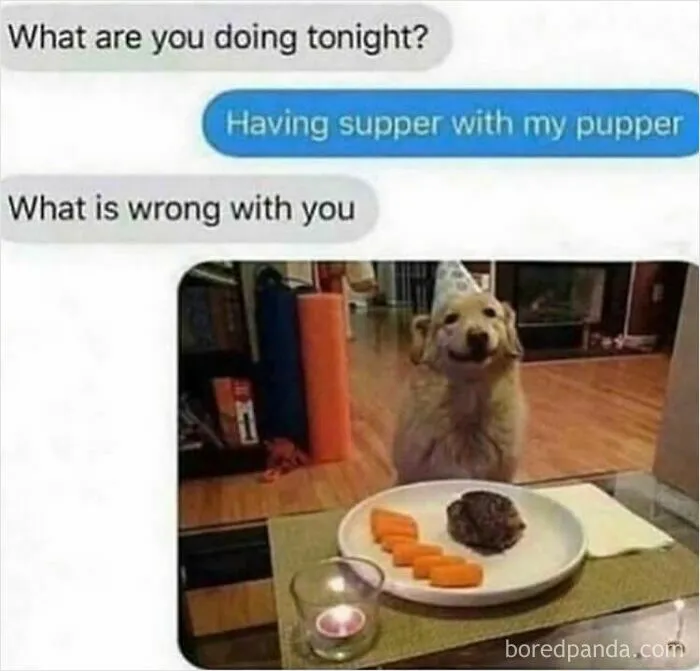
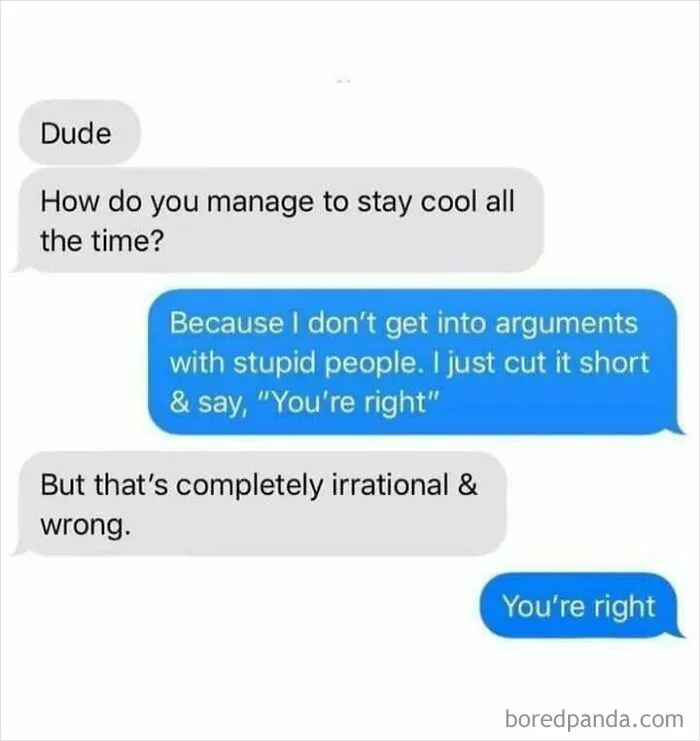
Experts at Brainly comment that “the difference between a good and bad joke often involves timing, alignment with cultural humor norms, and the ability to put the audience in a good mood. A good joke is contextually relevant, unexpected, and tends to resonate with the audience, while a bad joke might be poorly timed or irrelevant.”
This similarly applies to a good fake text versus a bad one. A naturally funny one figures out the digital timing for the punchline with line breaks and delivers a twist in a relatable conversation. But a bad one looks forced and, sometimes, is very obvious without a twist.
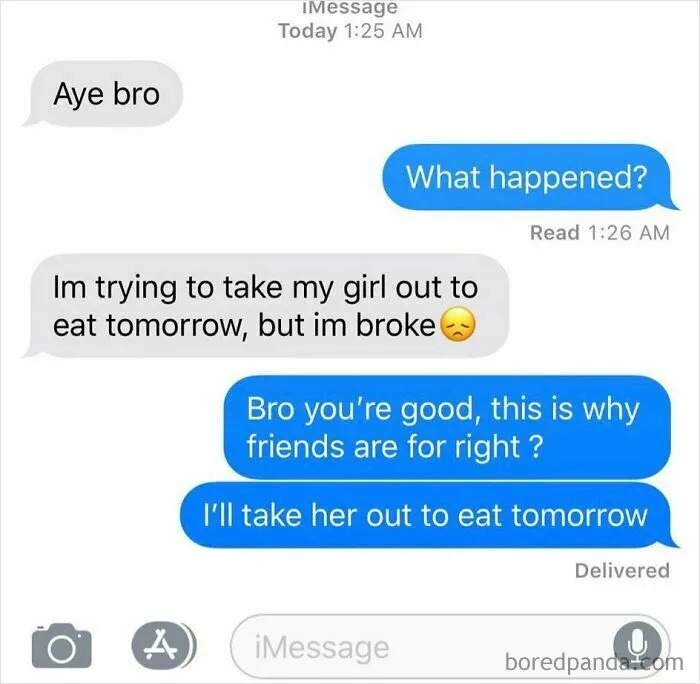

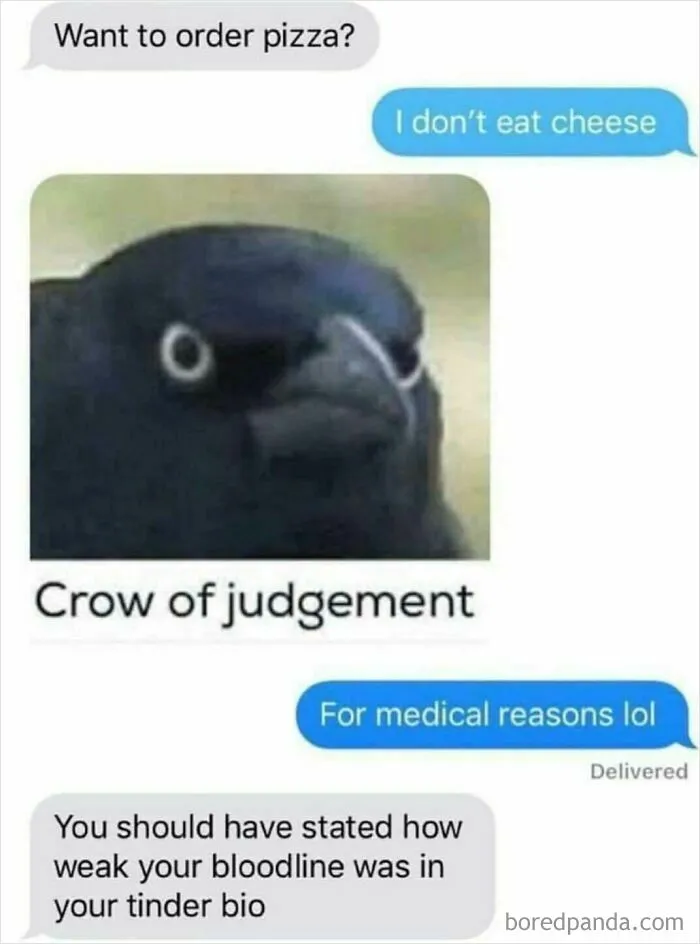
While trying to understand the psychology of humor, researcher and professor Jerry Suls presents the Incongruity-Resolution Theory. It explains that humor happens in 2 quick mental steps. First, our brain spots an unexpected twist, and second, it quickly makes sense of it.
Fake texts are really good at this because first they build up a very normal scene. Then, the next text utterly shatters it. As we read chat bubbles in a jiffy, we quickly move from setup to shock instantly, and it creates a short, satisfying burst of comedy.
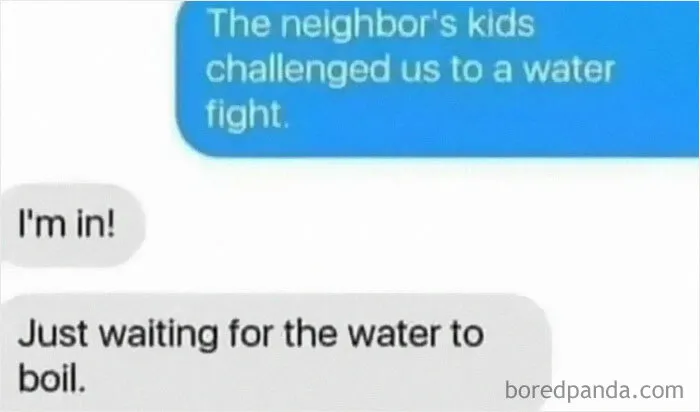
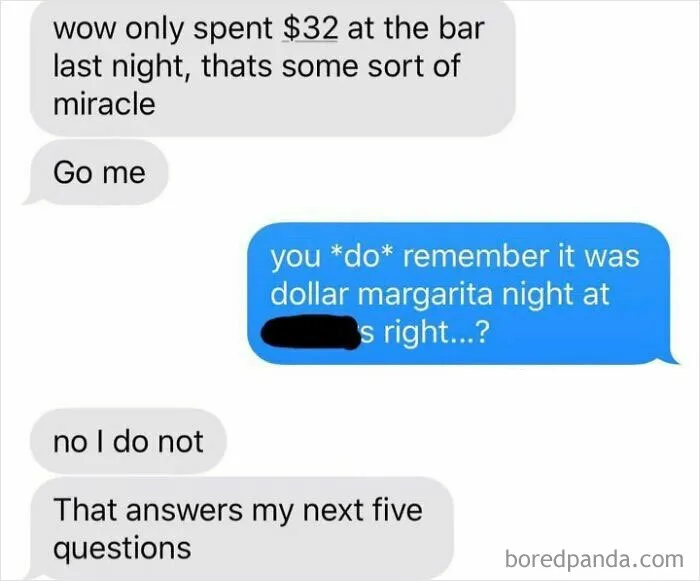
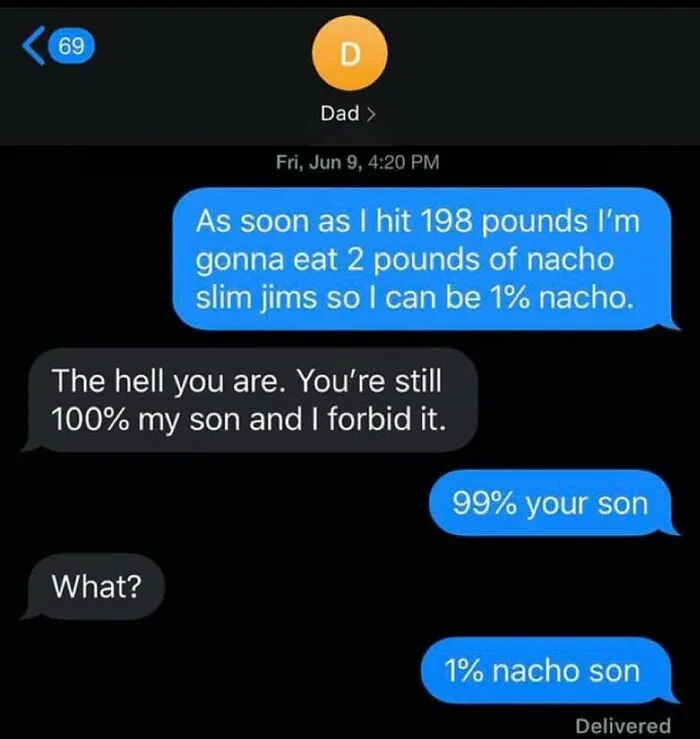
Another aspect that makes fake texts funny and popular is that we are so familiar with the standard iOS or Android message bubbles. Psychologists explain that processing fluency refers to how easily the brain can process information. The smoother the experience, whether reading, scanning, or interpreting, the better it feels.
We can instantly recognize the visual layout of fake texts, and it doesn’t really require much mental effort. We focus only on the humorous side, which lands immediately and has maximum impact.
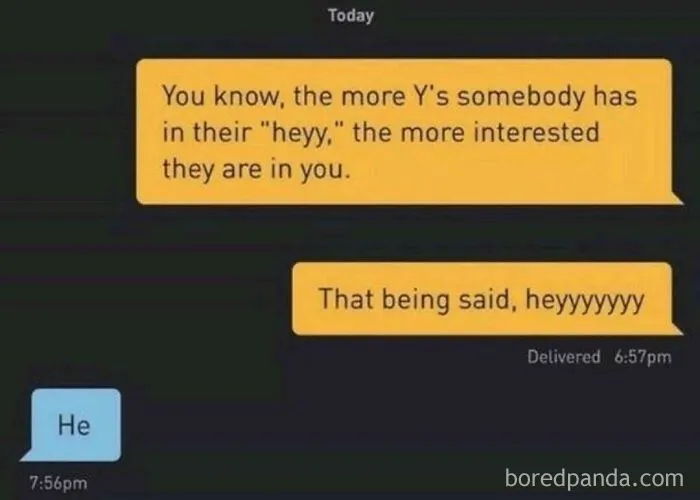
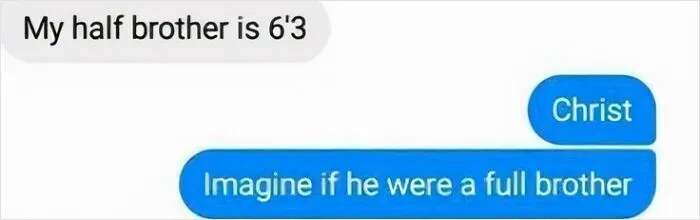

Long gone are those days when people pretended that they didn’t like gossip. In fact, studies have shown that social curiosity is contagious and even helps encourage interpersonal relationships. Looking at someone else’s conversation, even when we know it’s fake, almost gives the sense of indulging in digital gossip.
A text screenshot frames the comedy as a secret exchange you unknowingly caught. This effect of digital eavesdropping also contributes to the overall element of making a fake text sound pleasantly funny.
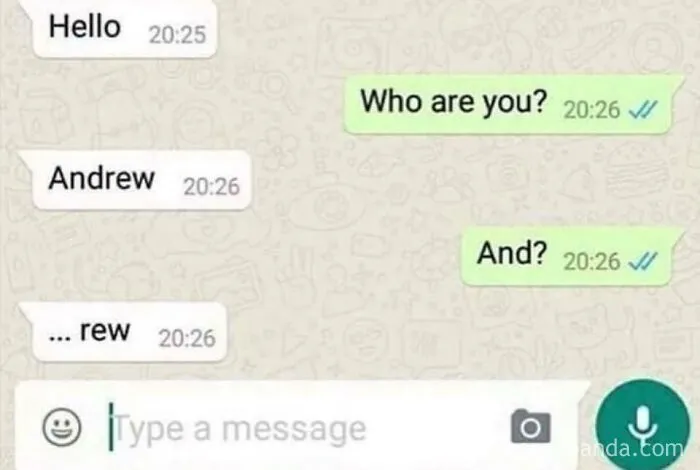
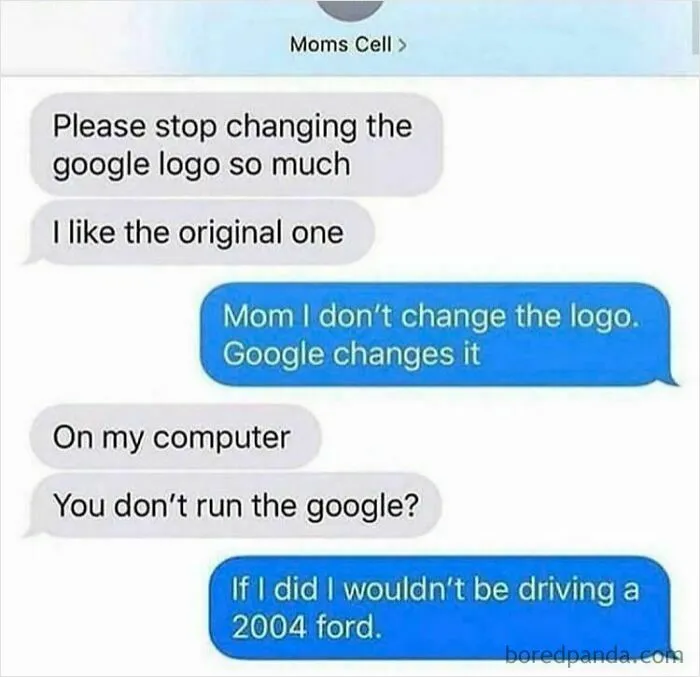
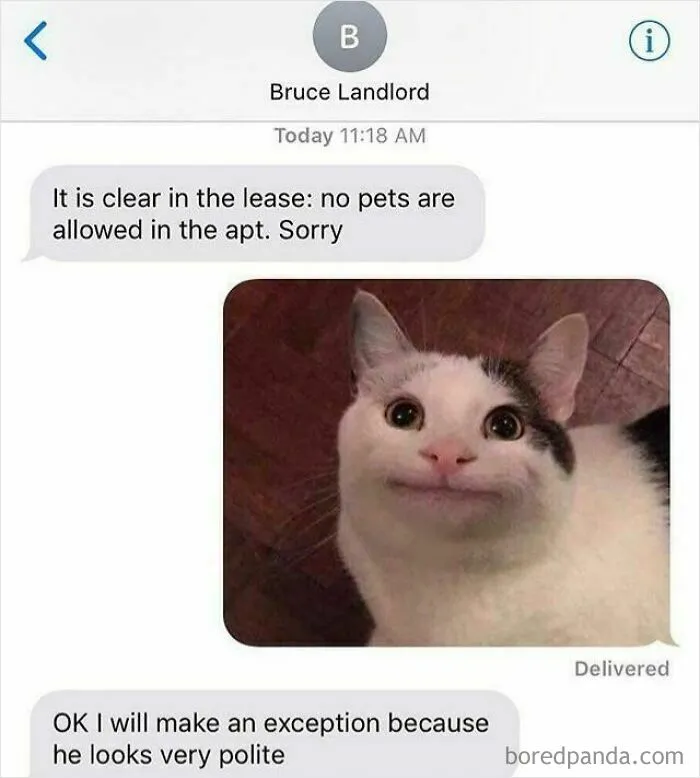
People’s decreasing attention spans are also one of the reasons fake texts with quick humor are so popular. Psychologist and professor Gloria Mark explains, “Data from our first study, in 2003, revealed that people spent an average of 2.5 minutes on something before turning their attention to a different task.”
“Our most recent study done over the past five years shows that the figure has gone down to 40 seconds,” she adds.
Fake texts are basically 3-second flash fiction. They compress the whole storytelling arc into microfiction. From establishing characters and building tension to dropping the twist, everything happens within seconds. With decreasing attention spans, it’s hardly a surprise that people naturally gravitate to this quick, short humor.