





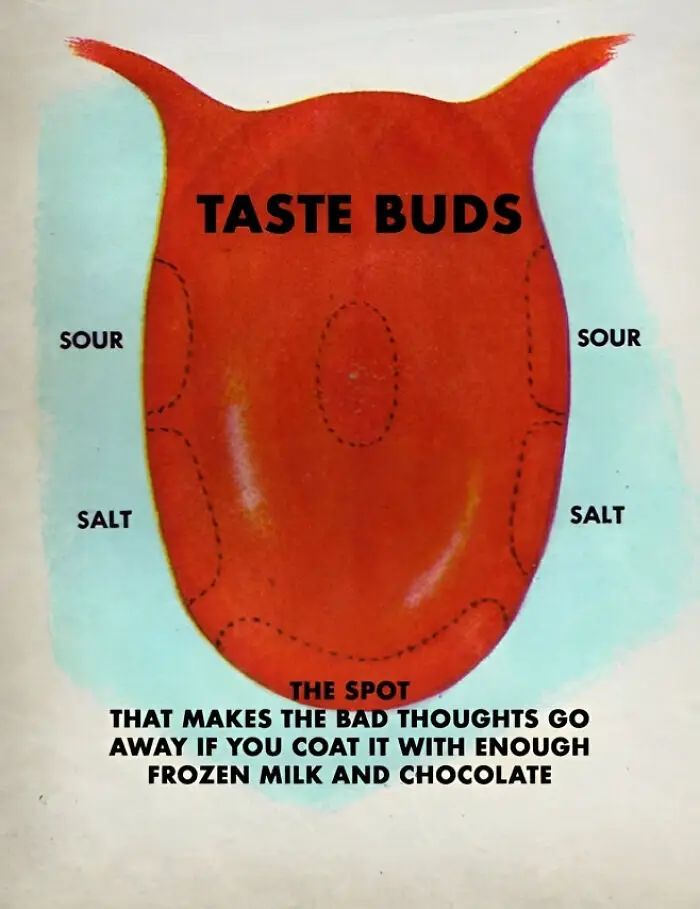
And on the topic of cartoon producers lying to us, mice have no special love for cheese. Certainly, they will eat it, but in reality, most mice prefer sweet food items. This myth may have been a side effect of people storing cheese outside before indoor refrigeration was common. Unsupervised, outdoor cheese would have been an easier picking for an enterprising mouse.


Unfortunately, other pop science facts, like the housefly having a lifespan of 24 hours, are false. In reality, the buzzing pest can live up to thirty days, most of which are spent ramming headfirst into a window. This is positively an eternity compared to some forms of mayflies that can reach stunning maximum lifespans of up to five minutes. So next time you are browsing Spotify, try to see what songs could fit into a mayfly's entire life.
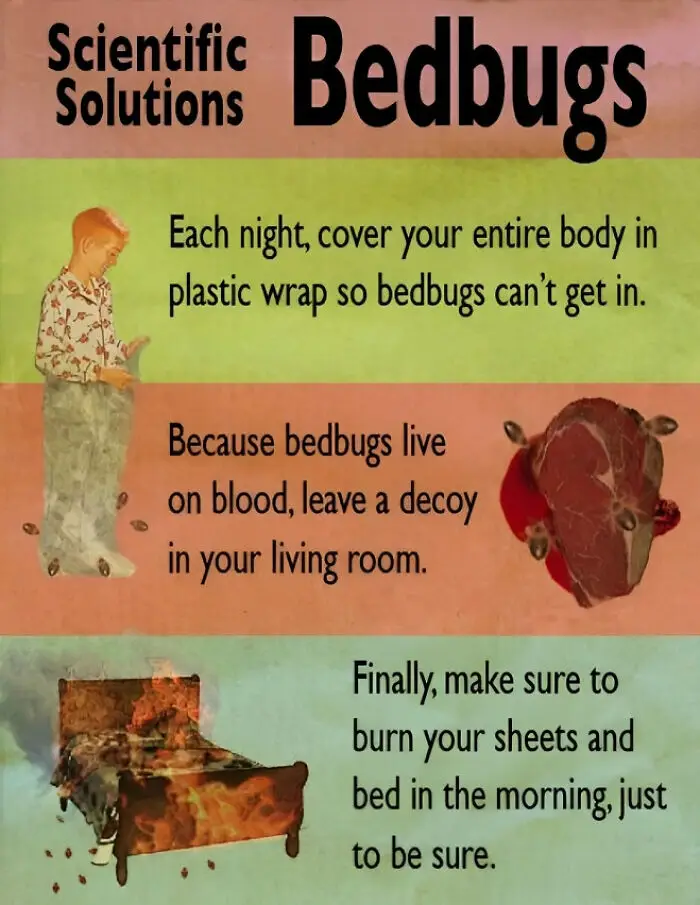
Similarly, cockroaches are quite resilient, but not to the degree that they would be the sole inheritors of the earth. First and foremost, they would simply not survive direct exposure to a nuclear blast, nor the ensuing destruction of most of the food chain. While they might not get incinerated, the cereal they steal from your cupboards would. Additionally, they are not the only creature out there that has some innate methods to resist radiation.
All in all, one has to sit down and wonder if they really know anything about the world at all. Because it’s not enough to know that these posts are false, since most of us won’t actually be able to explain the real science behind the ideas mentioned. If you have kids, you have probably already had to make up some fake science to not break the illusion that adults know everything. If not, best start learning. And if you want to see more “fake science” posters, Bored Panda has got you covered, you can find our previous article here.
