



This post may include affiliate links.

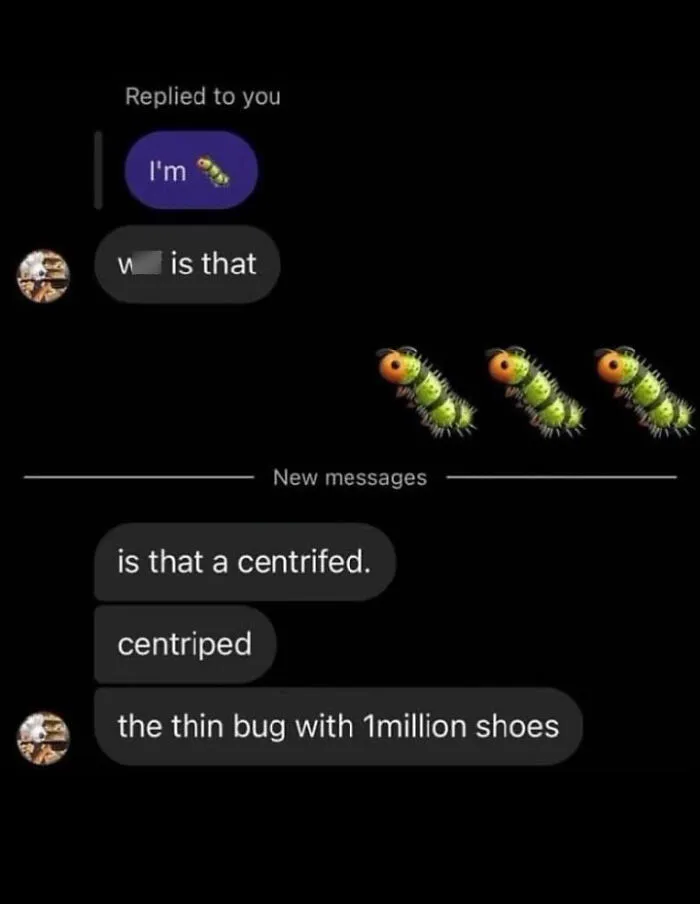
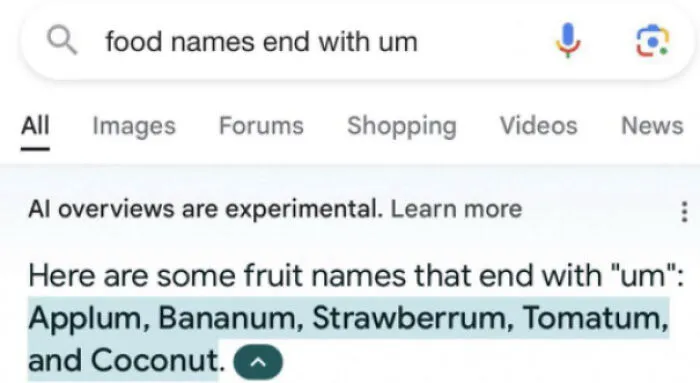
If you've ever sent a message, glanced at it a second later, and immediately spotted a typo you somehow missed before hitting "send," you're definitely not alone. It's easy to assume that making a typo means you're bad at grammar, but the two are actually quite different. A typographical error, usually shortened to typo, is simply an accidental mistake made while typing. It could be pressing the wrong key, swapping two letters, or accidentally leaving one out.
Grammar mistakes, on the other hand, involve using language incorrectly. Sometimes the two overlap, but not always. For example, writing "he run" instead of "he runs" is a grammar mistake because the sentence itself is incorrect. But typing "he runsn" is simply a typo; the grammar is fine, your fingers just had other plans. It's a small distinction, but one that reminds us that even careful writers make typing mistakes every single day.
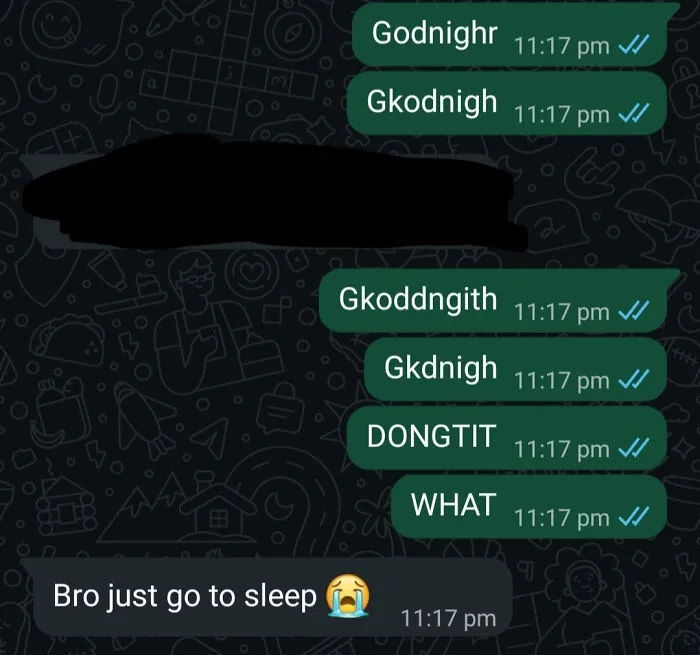
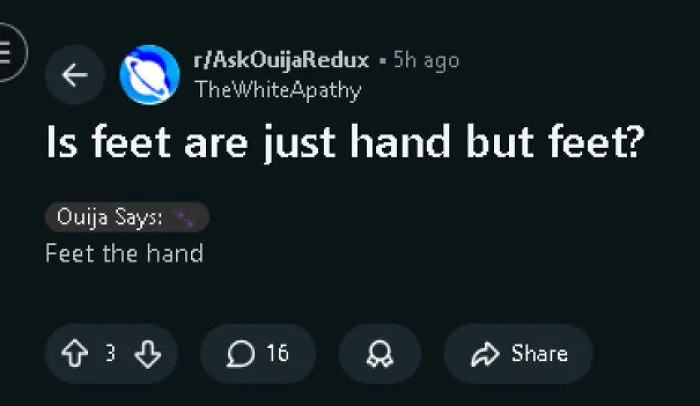
To better understand why typos happen so often (even to professional editors) we turned to Dreyer's English: An Utterly Correct Guide to Clarity and Style by Benjamin Dreyer, the longtime former copy chief of Random House. Equal parts writing guide and witty commentary on the English language, the book explains that typos are rarely a sign of laziness or poor writing skills. Instead, they're a natural consequence of the way our brains process language. Rather than carefully reading every individual letter, our minds constantly predict what words are supposed to look like. In other words, our brains become so good at filling in missing information that they often "correct" mistakes before we consciously notice them. That's why missing letters, duplicated words, or even misspelled names can remain invisible no matter how many times you reread your own work.
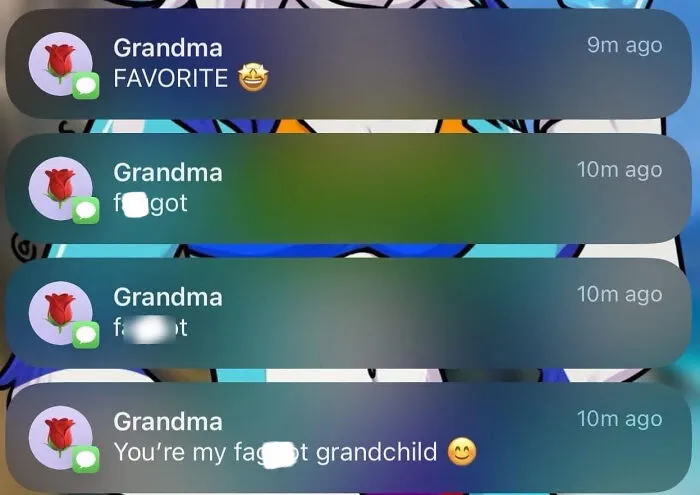
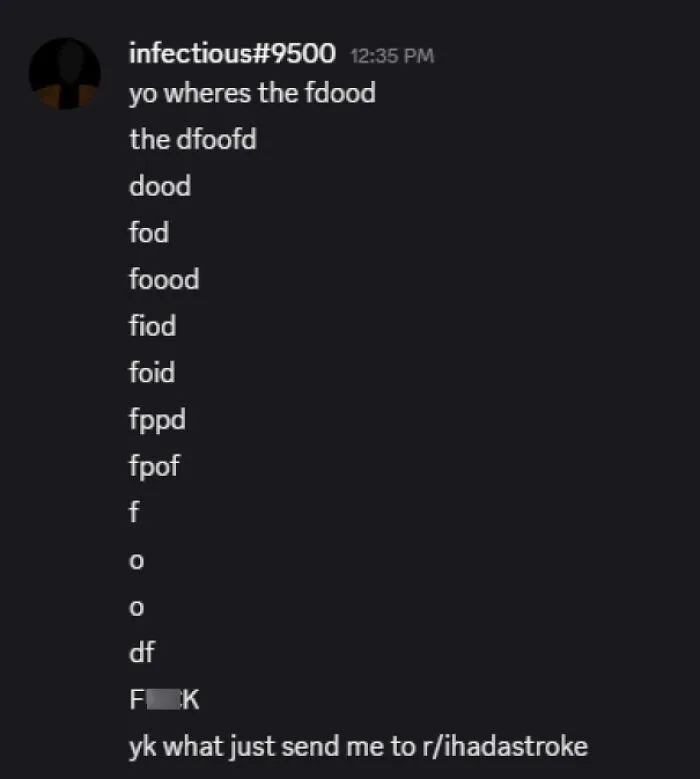
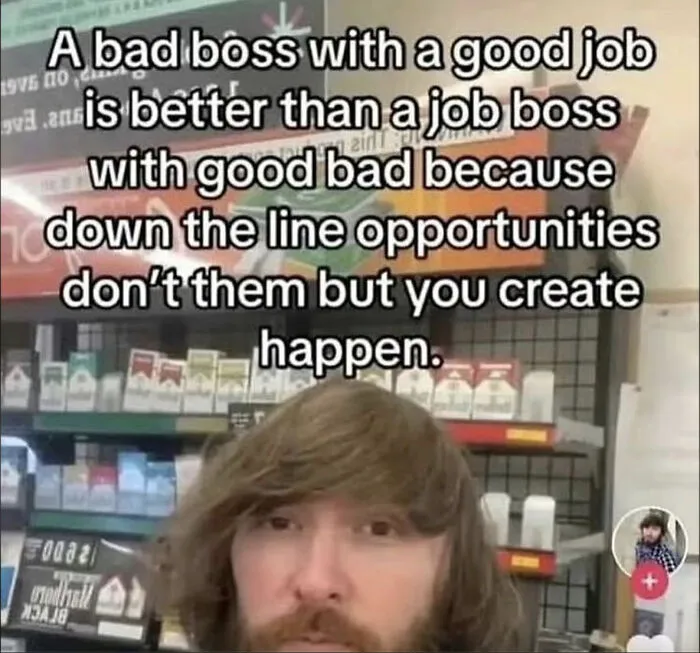
Dreyer also points out that the absolute hardest mistakes to catch are the ones spellcheck can't help with because the mistyped words are technically spelled correctly. These are the kinds of errors that routinely slip past even experienced editors because the brain automatically reads what it expects to see rather than what's actually written.
- The "Confusables": These are words that look or sound similar enough for our brains to mix them up while we're writing on autopilot. Dreyer notes that professionals frequently stumble over pairs such as affect (the verb) and effect (the noun), or discreet (careful and understated) versus discrete (separate and distinct). Every word is spelled correctly, but only one actually belongs in the sentence.
- Contextual Slips: Words like compliment and complement, or stationary and stationery are another common trap, especially when you're writing under pressure. Dreyer jokes that copyeditors have to train themselves to make sure an author isn't taking a peek at the top of a mountain instead of climbing to its peak. It's a reminder that context matters just as much as spelling.
- Hummus vs. Humus: One of Dreyer's favorite examples is accidentally confusing hummus, the popular chickpea dip, with humus, the nutrient-rich organic matter found in soil. It's only a single letter apart, but one belongs on your lunch plate while the other belongs in your garden. His playful advice is simple: double-check your vowels so you "never accidentally eat the latter."
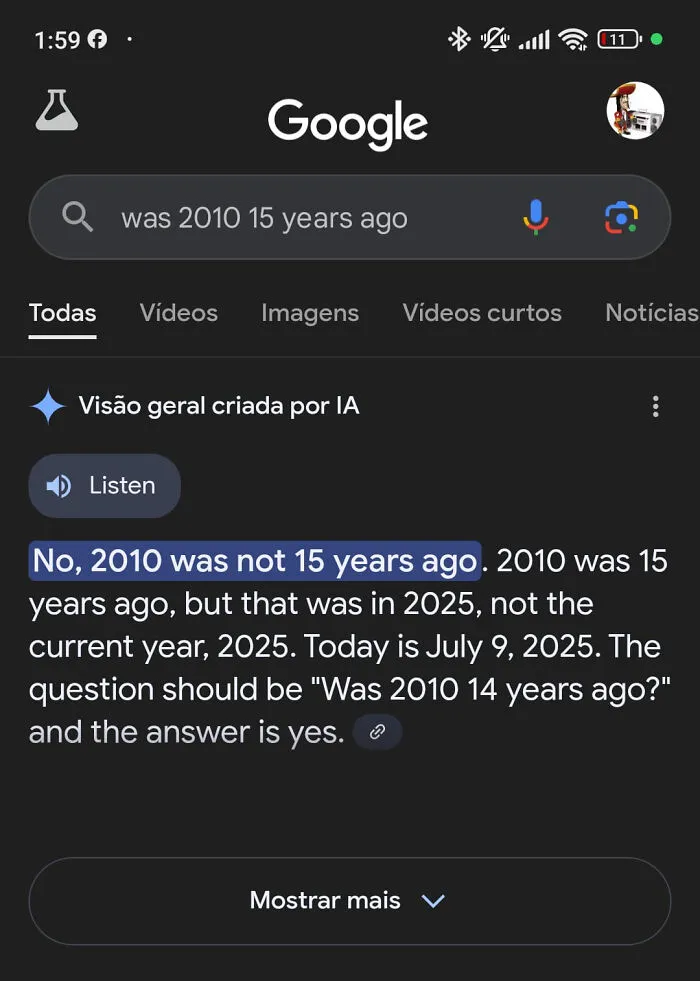
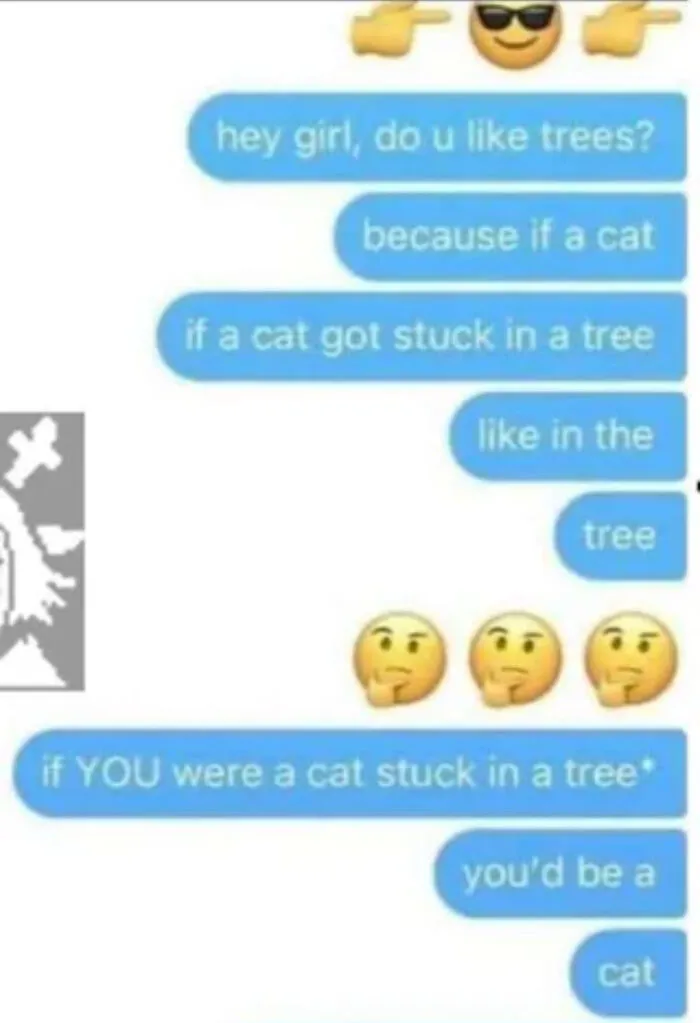
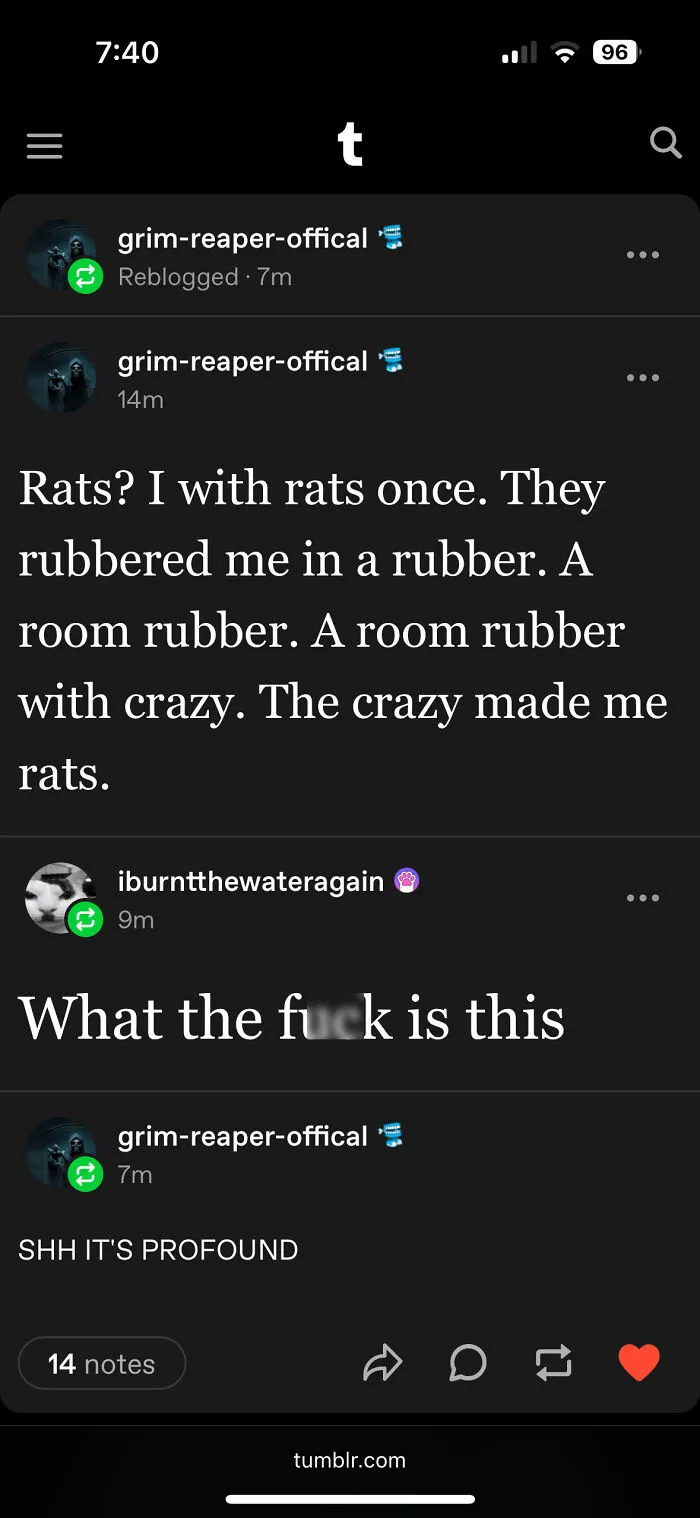
That's also why Dreyer believes spellcheck is a useful tool but a dangerous one if you trust it too much. Spellcheck can easily catch a word like freind, but it has absolutely no way of knowing whether you meant tenant or tenet, or form instead of from. As long as the word exists in the dictionary, your computer is perfectly happy. The real secret, according to Dreyer, isn't having better eyesight than everyone else. It's developing a healthy skepticism toward your own writing. Professional copy editors often slow themselves down deliberately because they know their brains are constantly trying to "fix" mistakes before their eyes ever get a chance to see them.

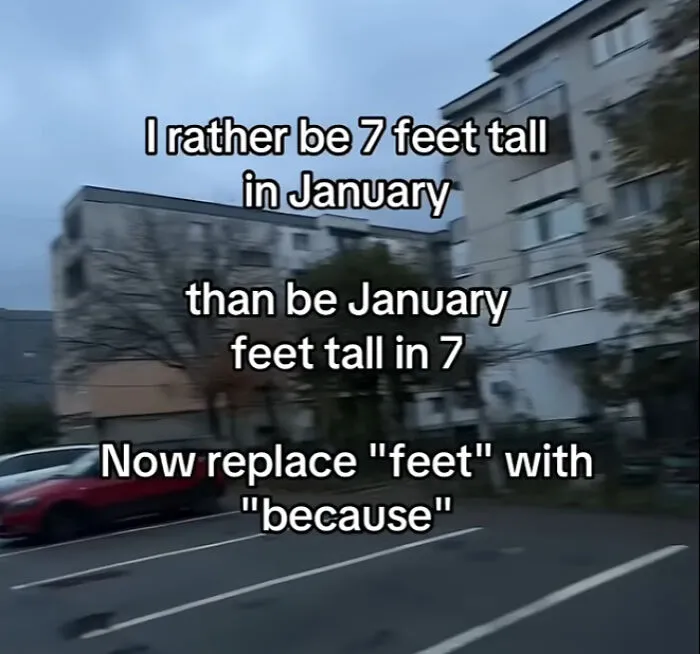
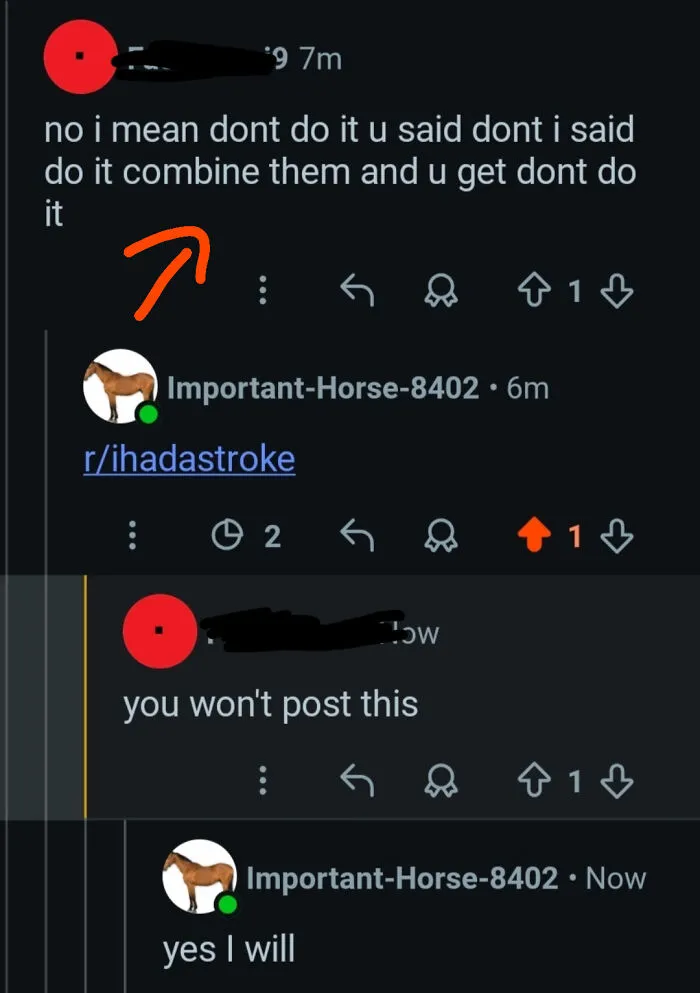
Even if you aren't a writer, editor, or student, knowing the most common types of typos can make proofreading a little easier. One of the biggest culprits is the substitution error, often called a key slip. This happens when your finger accidentally lands on a neighboring key, turning the into teh or because into becaise. Another classic is transposition, where two neighboring letters accidentally swap places, giving us words like freind instead of friend or form instead of from. These mistakes happen so frequently because our fingers often move faster than our conscious attention can keep up.
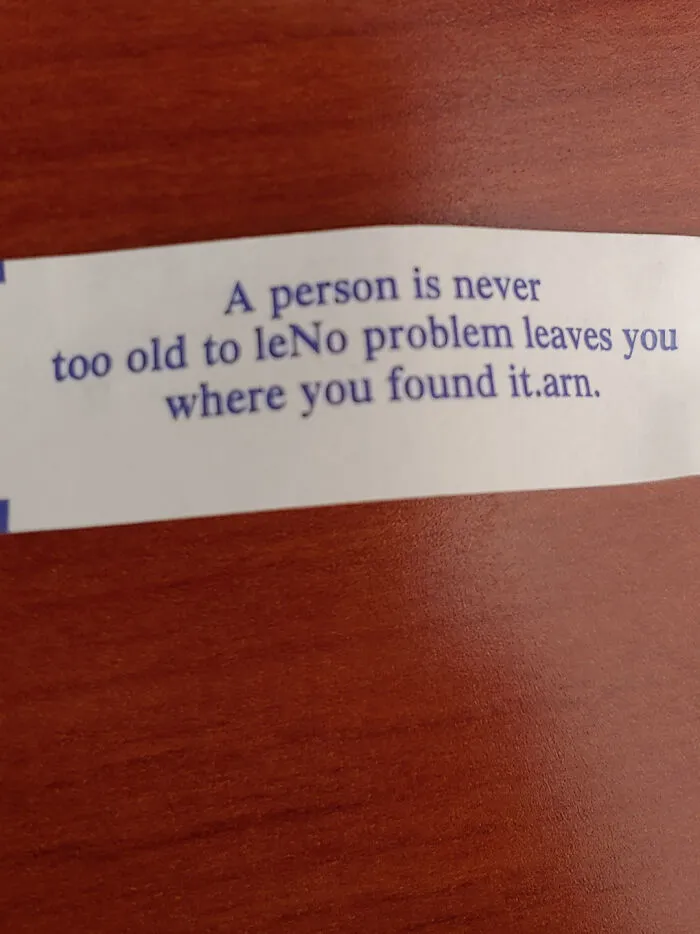
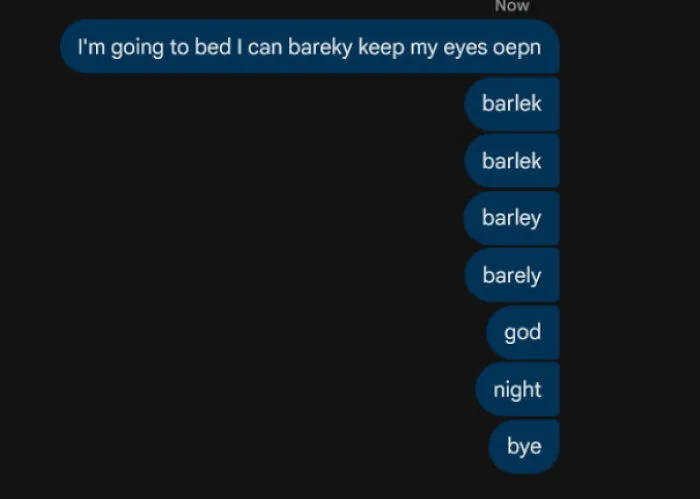
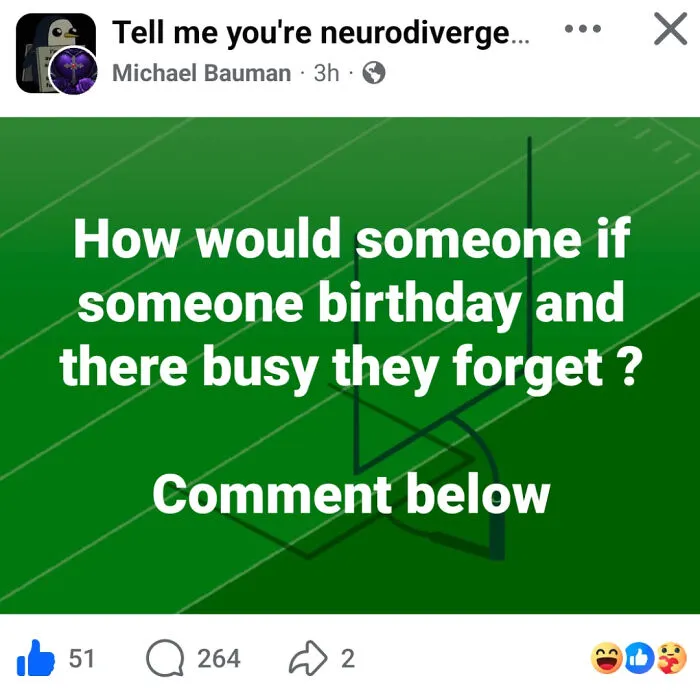
There are several other common typing mistakes that most of us make without even realizing it. Omission happens when a letter disappears entirely, such as writing recieve instead of receive. Insertion is the opposite, where an extra letter sneaks into a perfectly normal word, like fourty instead of forty. Then there are the especially sneaky semantic or real-word typos, where one valid word accidentally replaces another. Think of typing defiantly instead of definitely, or desert instead of dessert. Because every word is technically spelled correctly, these errors often glide right past spellcheck and sometimes even past multiple rounds of proofreading.