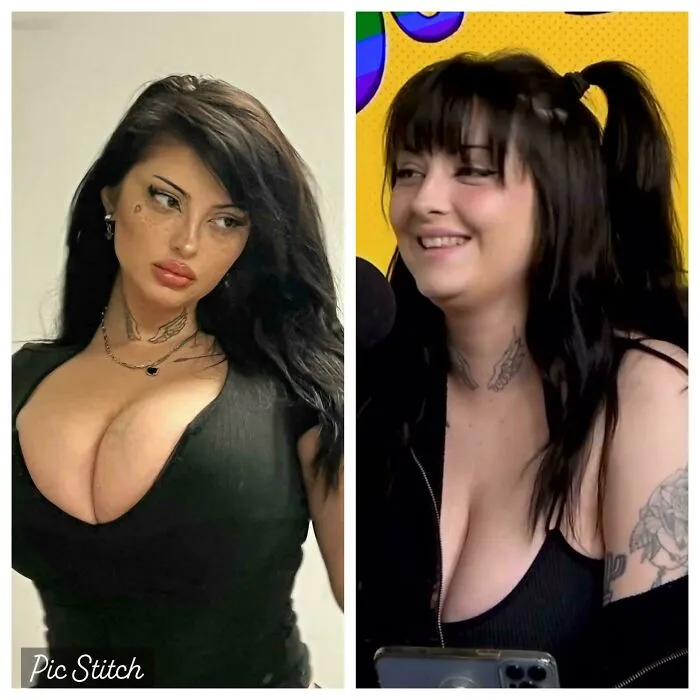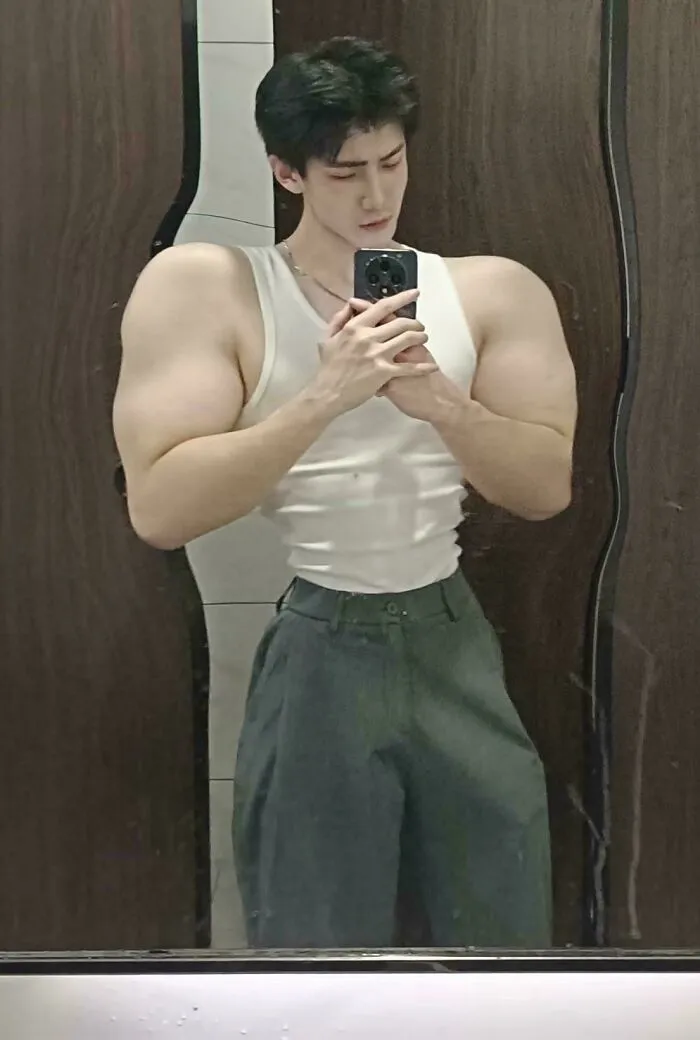

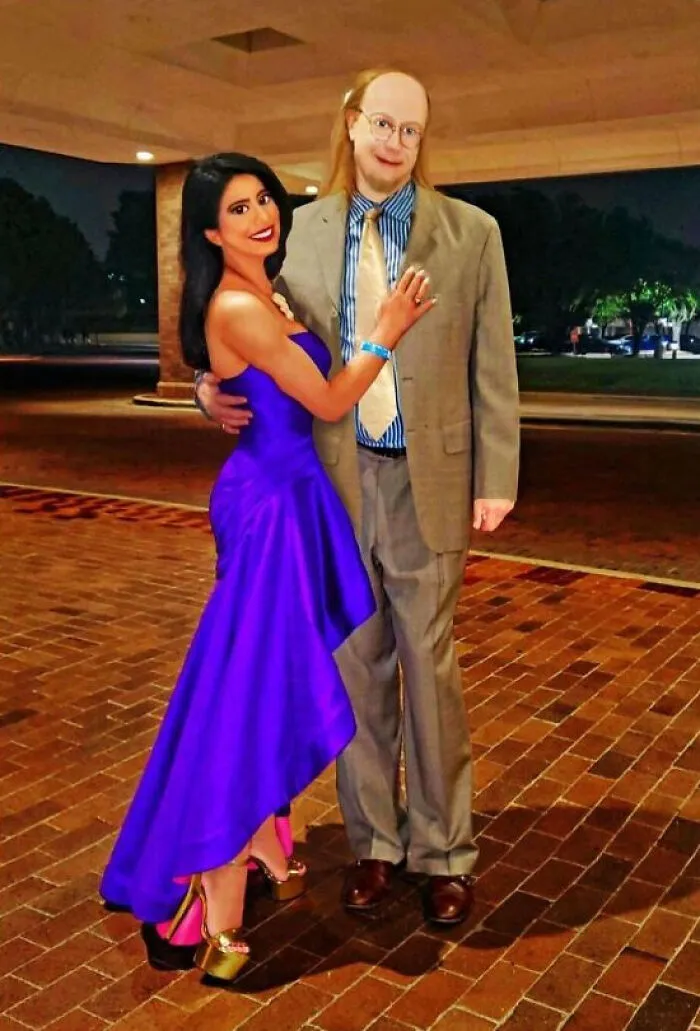
#2 Huge Difference
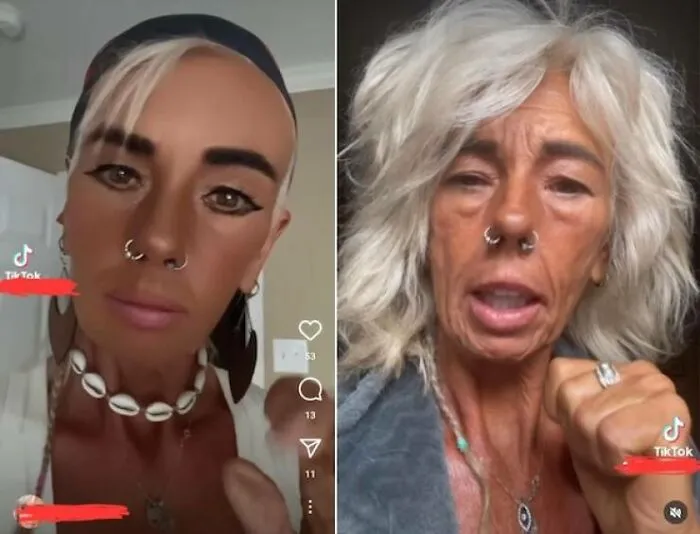
A huge chunk of the editing on your feed comes straight out of an app store. Pocket tools like Perfect365, FaceApp, and Photable let anyone redesign their body in seconds. With a few taps, users can smooth wrinkles, shrink their waist, brighten their eyes, and erase blemishes. Some apps even let people paint on six-pack abs or give themselves digital nose jobs and slimmer jawlines.
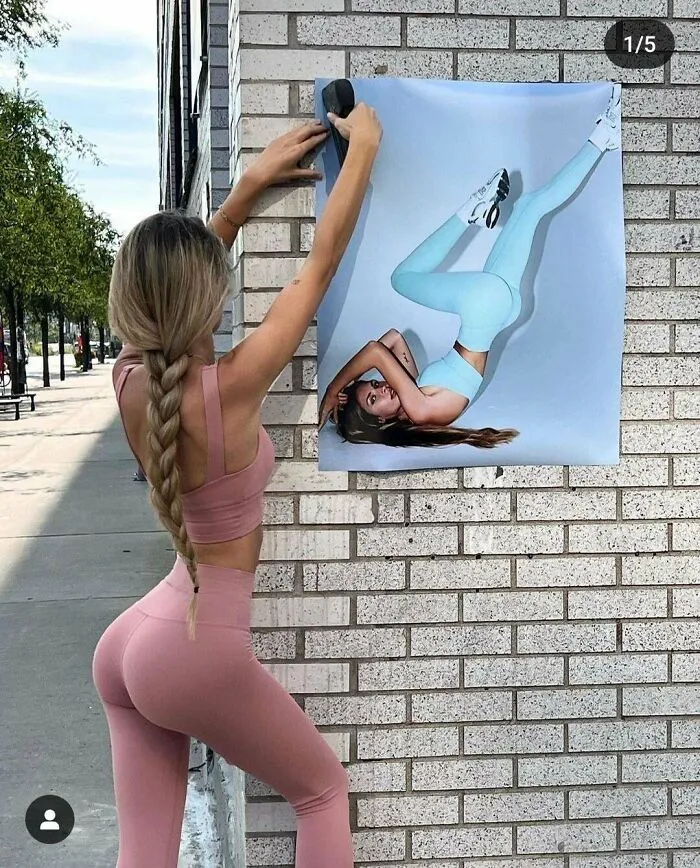
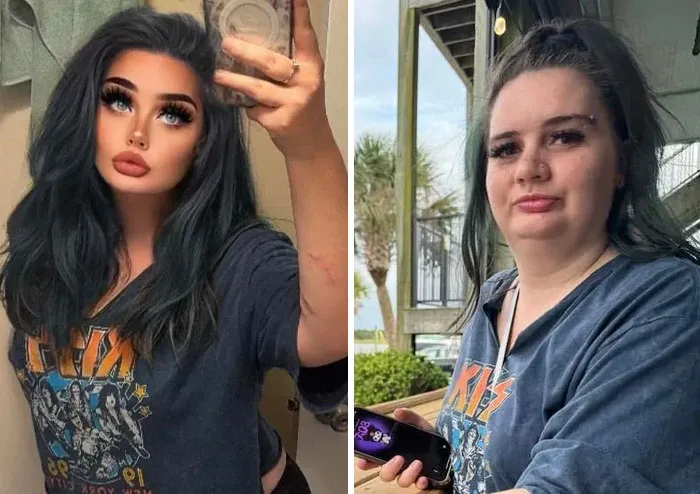
But these quick fixes often leave giveaways — like unnaturally smooth skin textures or curved doorframes in the background where someone pinched their waist a little too far.
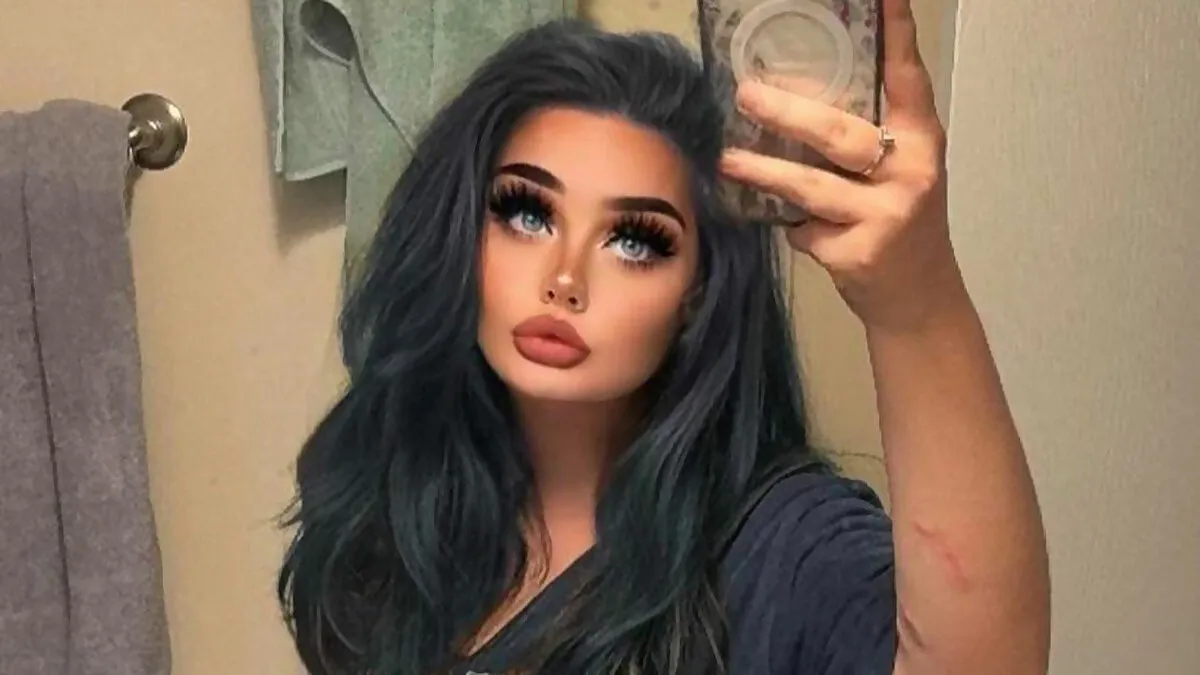
Sometimes, you don’t even need detective glasses because people take it way too far… as this list shows.
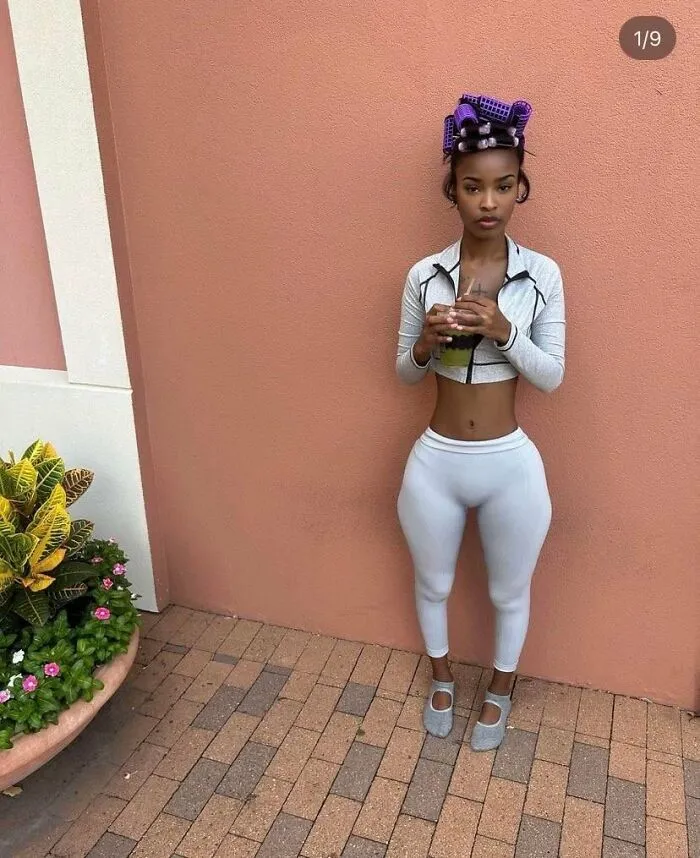
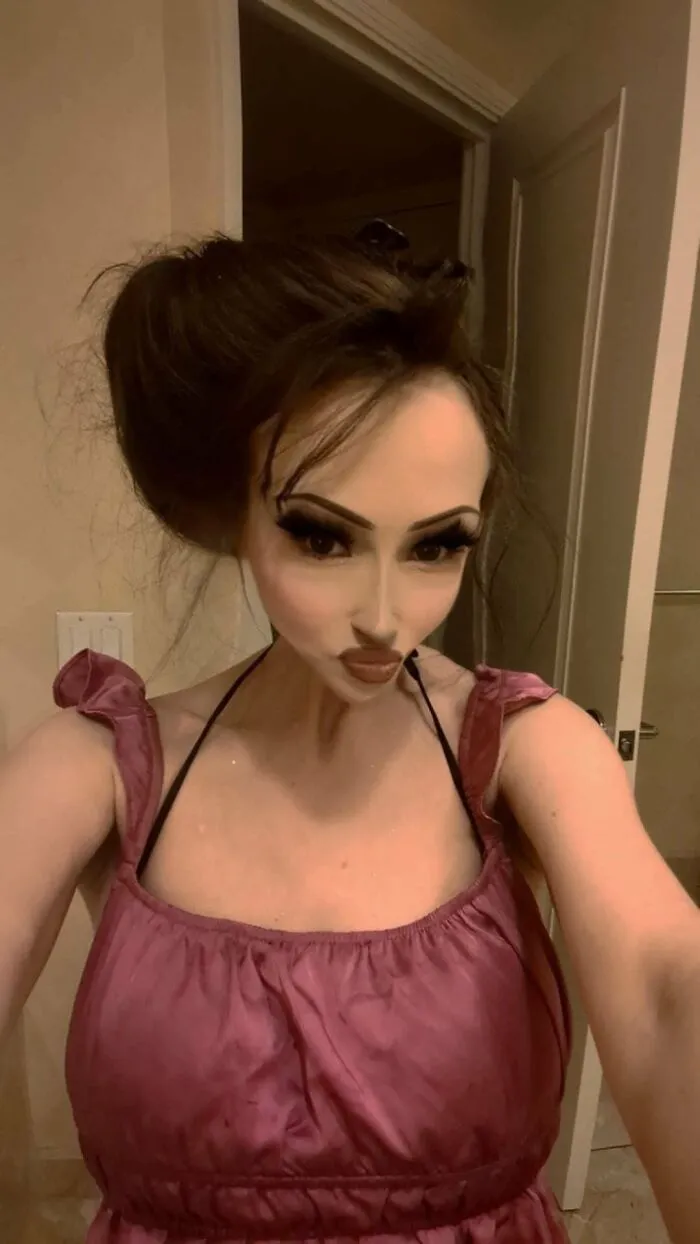
Even without heavy digital editing, simple camera tricks can completely alter how a person looks.
Influencer Sara Puhto often shows how posture, lighting, and angles create major optical illusions. By flexing, sucking in their stomach, popping out their hips, and catching dramatic studio lighting, creators craft a sculpted look that lasts just long enough for a single photo.
On common poses she’s seen on social media, Poluto said, “When you suck in your tummy, flex, stand up straight, and pop out your booty, you look different in photos.” She noted that nobody actually stands like that in real life. “It’s not an accurate representation of how someone looks.”
Puhto has posted these candid comparisons since 2016, building a community of over 580,000 followers by keeping it real.
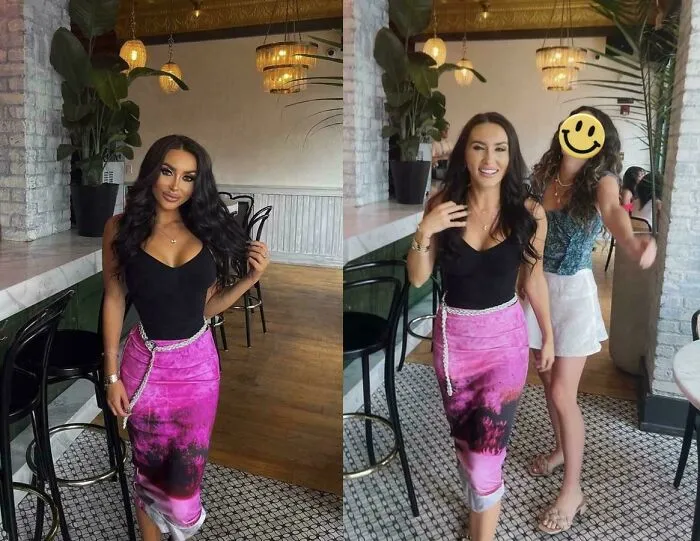
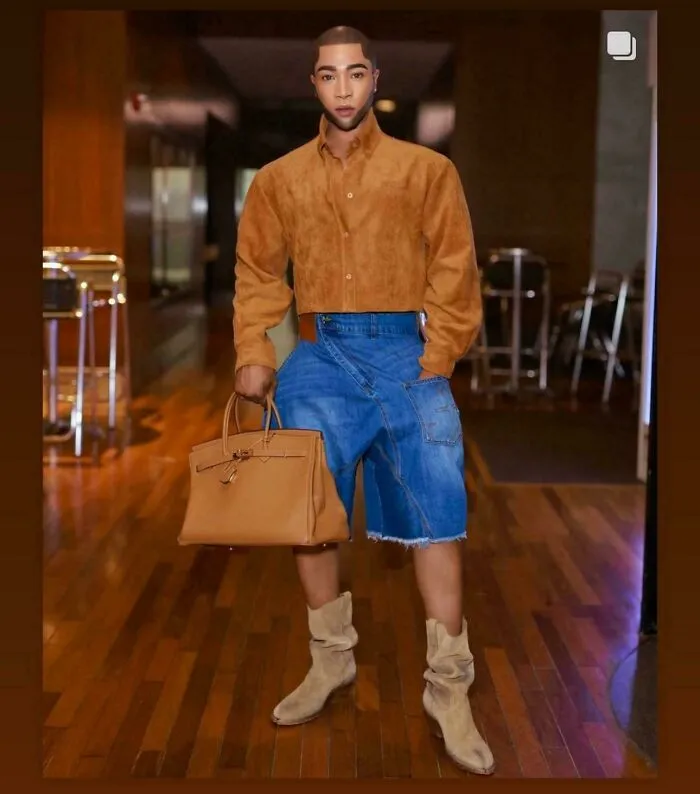
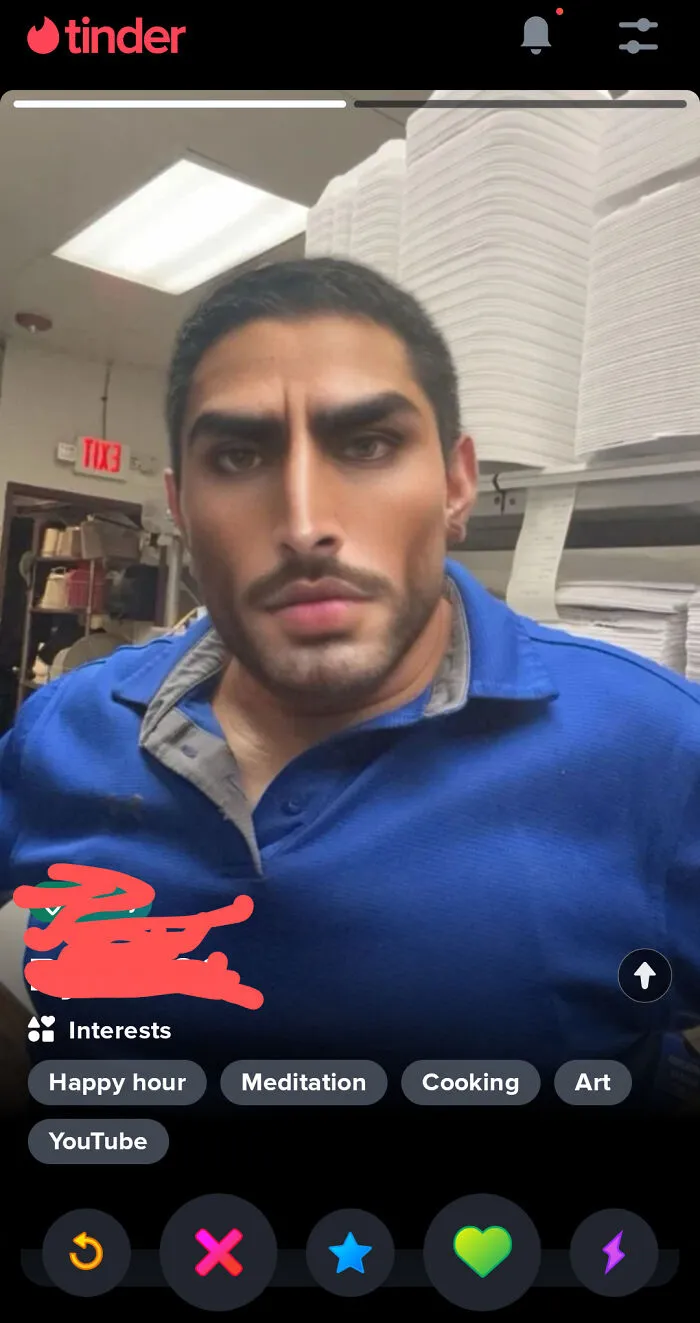
#9 Not An Usually Type Of Post , But Saw This On Tinder And Had To Post It😂😂 Look At The Oven
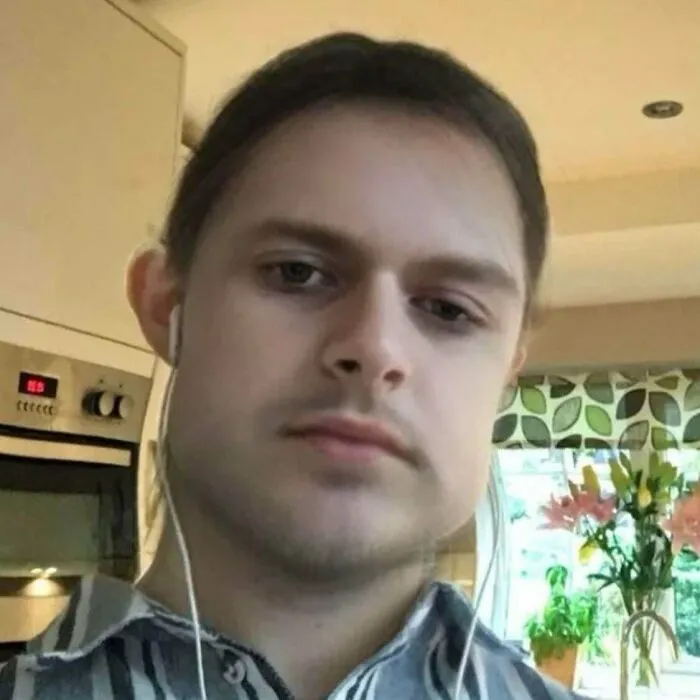
Puhto isn’t the only one pulling back the curtain on social media perfection. Other content creators have taken up the mantle, busting online myths and challenging the illusion of constant beauty.
London-based creator Emily Clarkson has also built a massive community of over 689,000 followers by posting fitness and body-positive content that calls out digital trickery. Her posts show how easily filters, lighting, and strategic poses can manipulate the truth.
What started as a lighthearted joke quickly turned into a vital mission. “At the beginning, it was a bit tongue-in-cheek in response to perfect images of supermodels or the Kardashians, but as time has gone on, it’s been something I have done in a bid to help women falling down the comparison traps,” Clarkson explained. “I just really want to show women that all they see online isn’t real.”
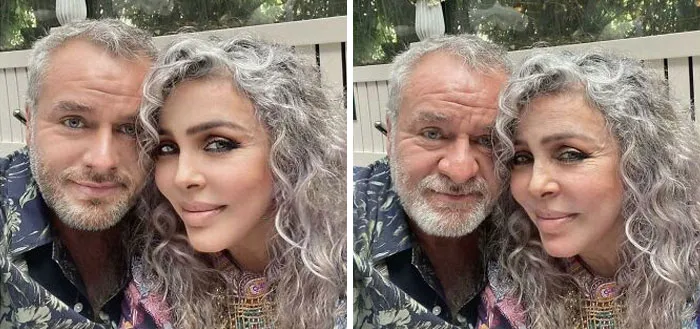
#12 Someone Needs To Come Take Their Moms Phone (In The Comments She Swears She Didn't Edit)
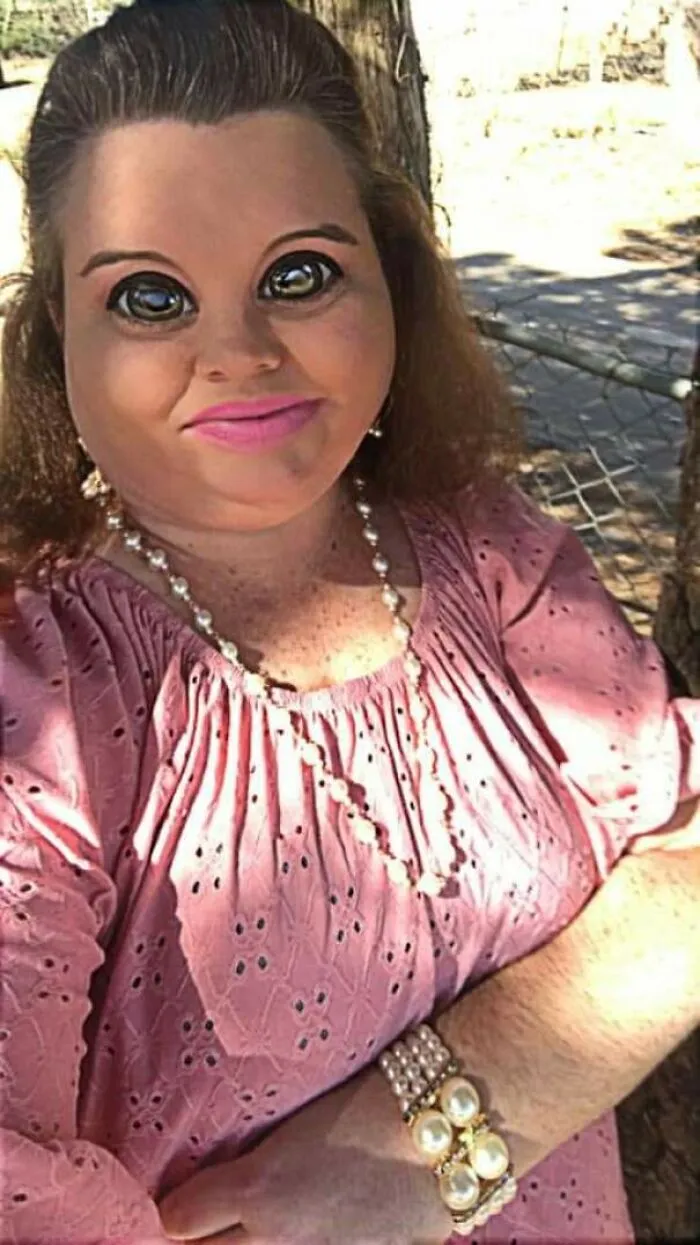
These Photoshop fails are easy to laugh at, but the pressure driving them has a serious dark side. Experts have long warned that photo-editing tools set dangerous, impossible standards — especially for impressionable teens and young adults.
According to a 2021 Dove survey, 80% of teenage girls had already edited their appearance in photos by the time they turned 13. Driven by what they see on their feeds, countless young women worldwide are also resorting to extreme diets and cosmetic procedures just to match an algorithm’s definition of beauty.
About 77% said they tried to change or hide at least one body part or feature before posting a photo.
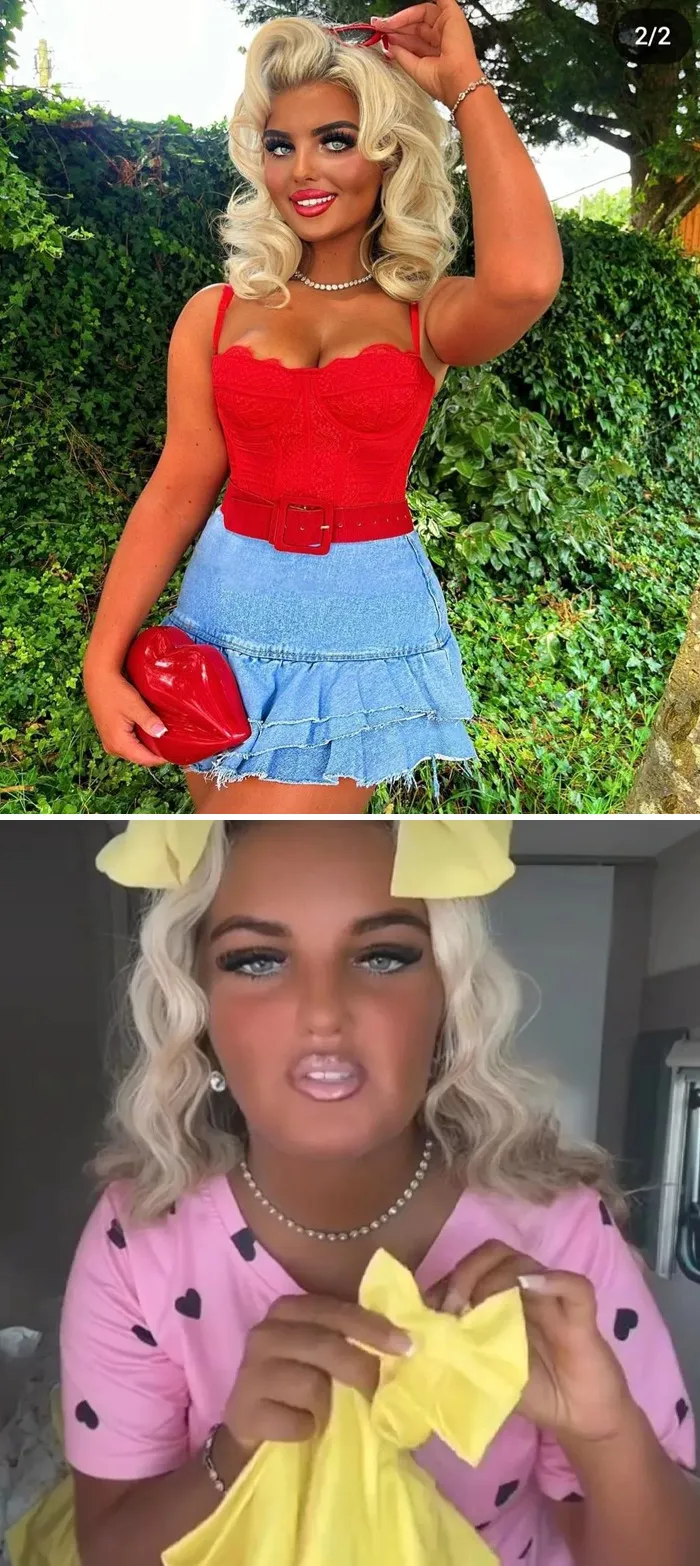
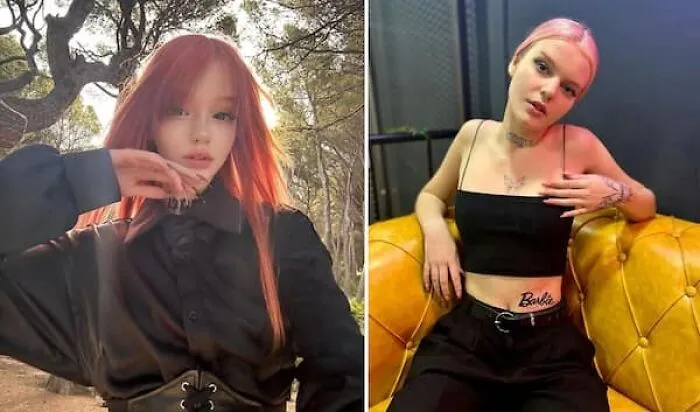
#13 "Influencer" Posted These Asking Only For Positivity On Her Crazy Photoshop
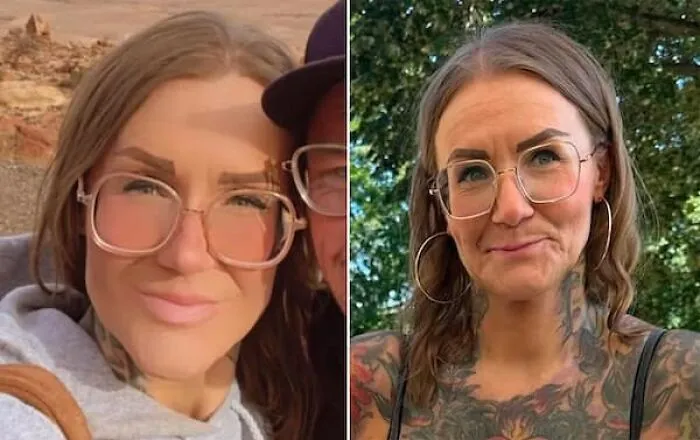
#15 My Sister Thinks She Has Chin Implants And A Filter But The Face Shape Is Not Edited
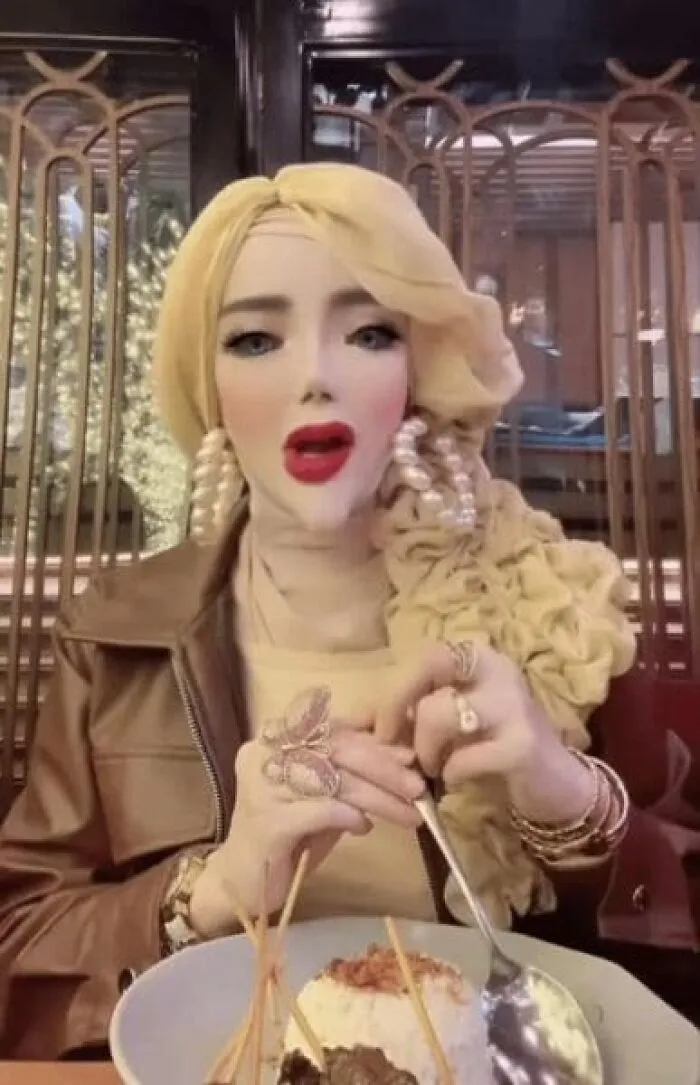
Research continues to confirm that heavy filter use reshapes how people view themselves. It creates unnatural expectations that real human bodies simply cannot meet.
A 2022 study published in Annals of Medicine and Surgery found that when real life inevitably falls short of the filter, it leads to severe body dissatisfaction, constant self-doubt, low self-esteem, and mood swings. Users often slip into exhausting habits like obsessively checking their reflection or trying to hide their natural features.
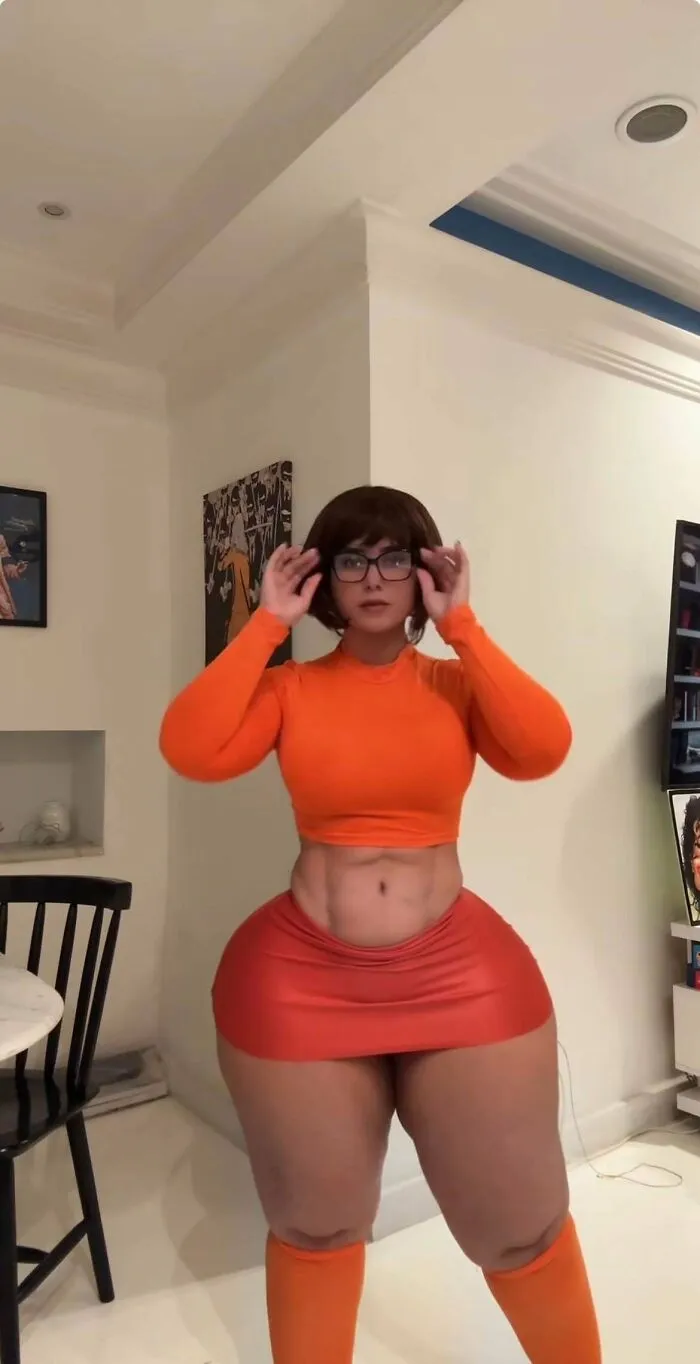
Medical professionals are seeing the real-world impact firsthand.
Dr. Shira Brown, an emergency physician at South Niagara Hospital in Ontario, Canada, notes that “distorted perceptions of body image” are being “exacerbated by common social media practices.” She warns: “We see the urgent mental health consequences of social media in our departments on a daily basis, such as anxiety and depression.”