
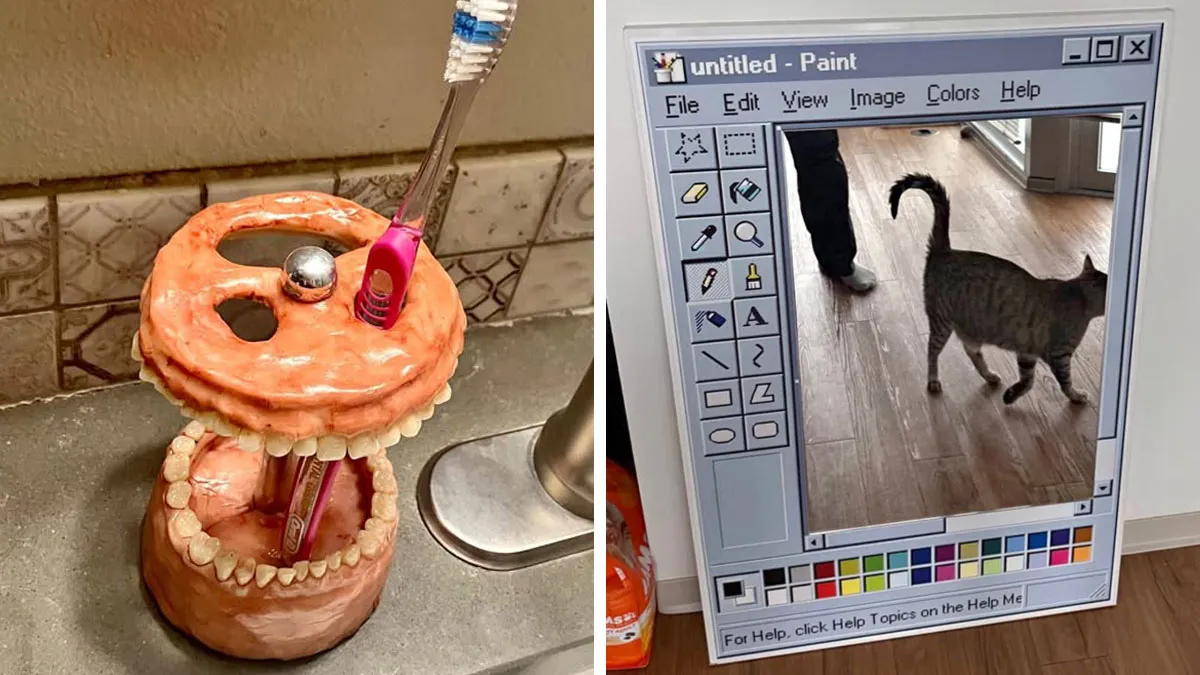



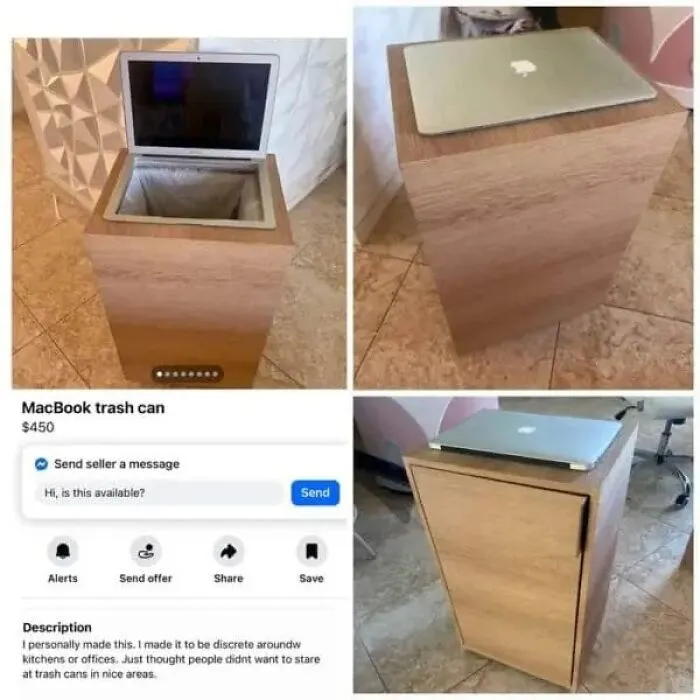

Let’s face it: as dubious as these postings may feel, they did grab your attention because of how funny they are. And because the ad itself drew you in, there may even be a small chance for you to make a purchase out of curiosity about these novelty items.
These are just examples of how effective humor is in engaging potential buyers. Kantar Media even calls it the “most powerful creative enhancer of receptivity.”
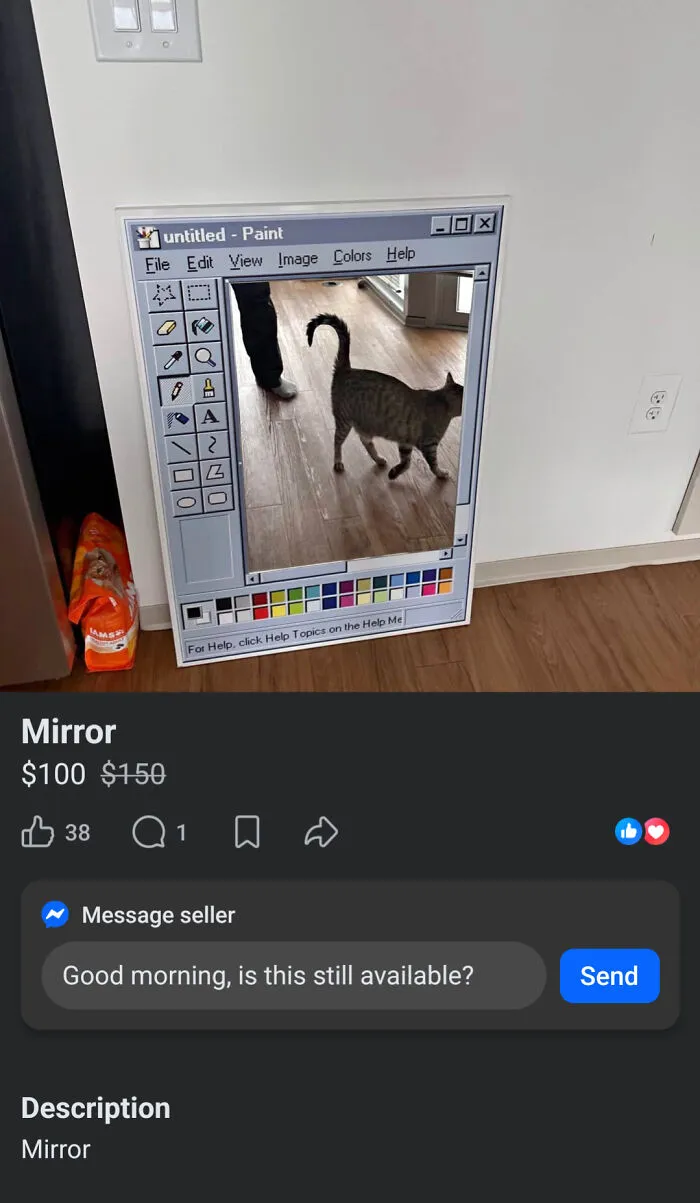


Kantar’s 2022 AdReaction study found that using humor makes ads more expressive, more involving, and more distinct. Their research also found that 37% of TV ads incorporate humor, the highest among other traditional channels.
In digital media, YouTube ads are also the most likely to use humor, at 30% compared to Facebook and Instagram ads at 24%.
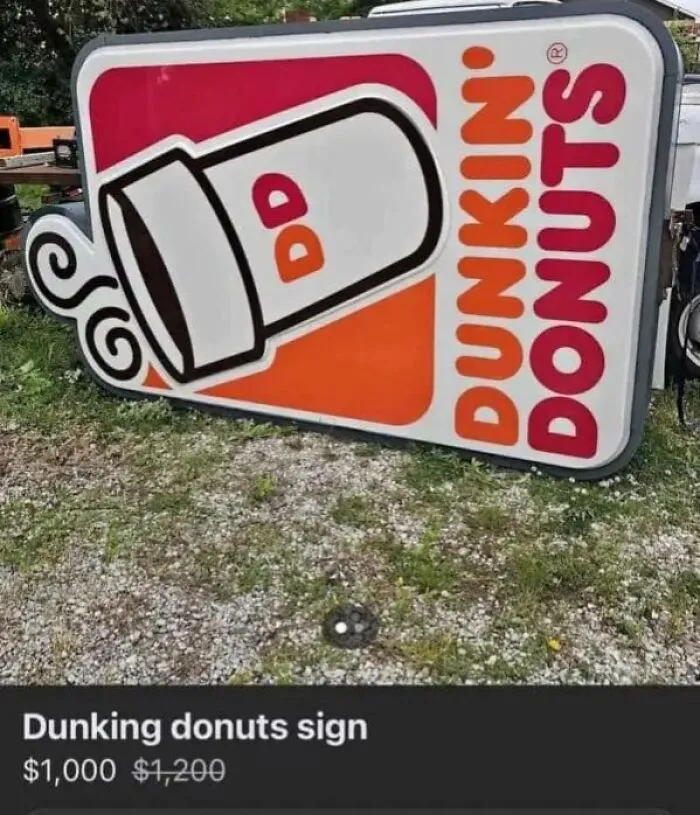

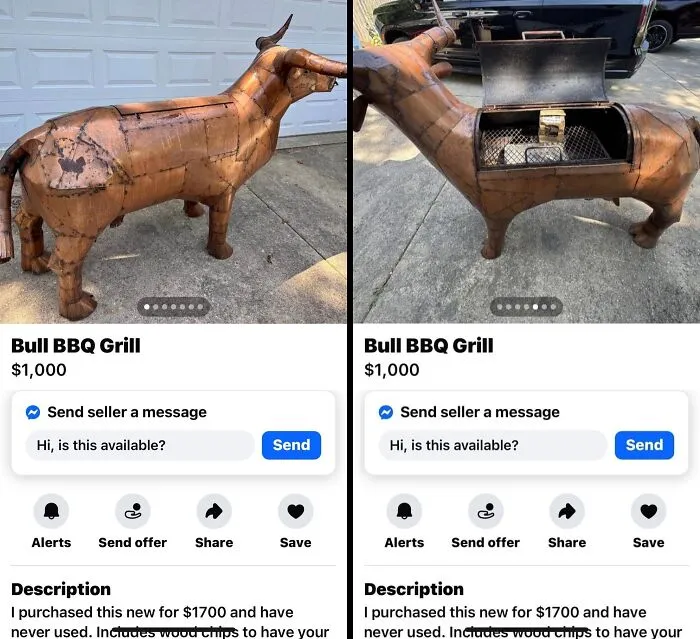
Whether you’re a big-time brand or a random Facebook Marketplace seller, using humor to make money from your products follows the same rules. One of them is to know your audience.
As Brand Strategy and PR expert Donna Tobin tells Forbes, it’s mainly about connecting with consumers emotionally. That means ensuring your ad posts resonate with your intended audience, and doing that means knowing them well enough.



Humor is subjective. You may laugh at something until it becomes at your own expense. This is why experts like global business executive Toby Wong discourage poking fun at people and instead focus jokes on situations or things.
“While your brand may be targeting a specific audience, the general public will see it, and this could increase the risk of backlash,” Wong said.



Yes, humor in advertising does draw attention and engagement. But according to marketing and growth expert Rekha Thomas, the laughs should only be a means to an end. The primary goal should still be to inform and educate the audience.
“If your campaign does not achieve at least one of these additional outcomes, no matter how many laughs it gets, it's a marketing fail,” she said.