






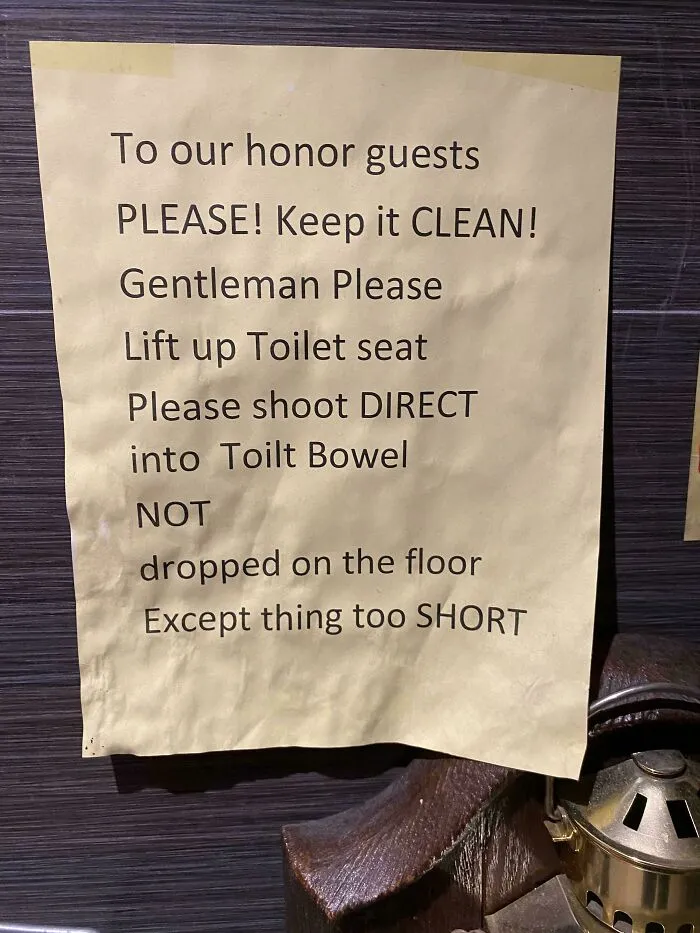
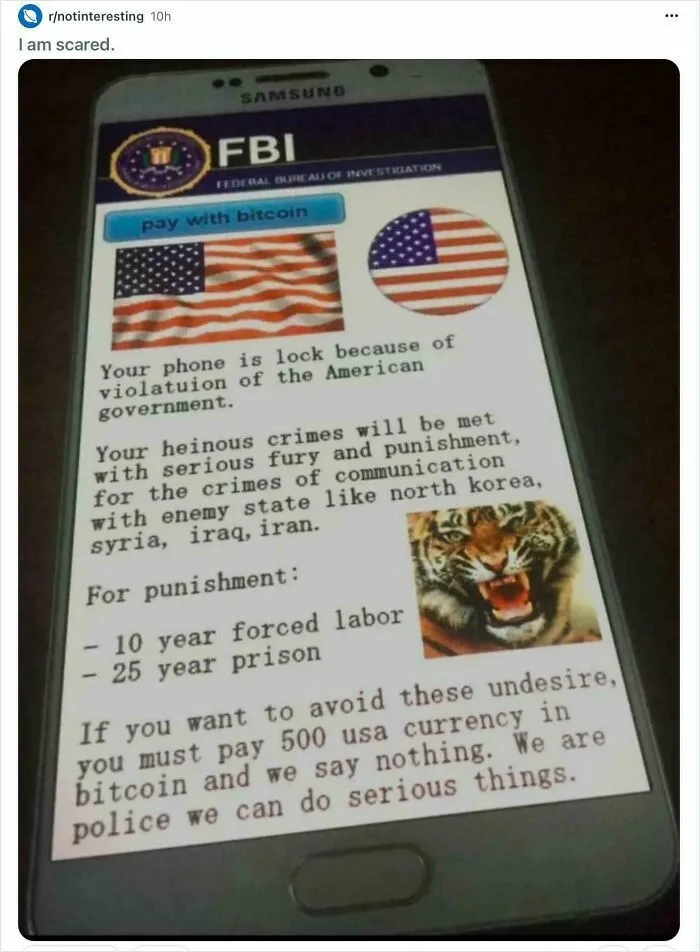
When something gets lost in translation, the result can be awkward or just plain funny. Still, you have to give people credit for trying to communicate with someone who speaks a different language. Even if the wording doesn’t come out quite right, the effort is there, and sometimes the mistake ends up being far more memorable than the original message would have been.
Language itself is fascinating for the same reason. It does much more than help us talk to one another. The language we use can influence how we process emotions and even how we make sense of the world around us.

That becomes especially interesting when someone speaks more than one language. According to The Conversation, more than half of the world’s population uses two or more languages in everyday life.
Research suggests that switching between them can sometimes feel like switching parts of yourself too. In one study of more than 1,000 multilingual people, 65% said they felt “like a different person” when using different languages.



Part of that may come down to emotion. Our first language is often closely tied to childhood and some of our earliest memories, so words in that language can feel more powerful.
Studies have found that people may describe childhood memories more vividly when speaking their mother tongue because that’s the language they first experienced and remembered those moments in.
#10 After A Long, Hard Day At Work, I Like To Relax With An Ice-Cold Bottle Of Hebhlgpjypyxgs



A second language can feel a little more distant. The Conversation explains that some multilingual people find it easier to talk about difficult things in a language they learned later because it doesn’t carry the same emotional intensity. That can make things like expressing anger or apologizing feel a bit easier.
One study of bilingual Mandarin and English speakers in the US found that participants felt more comfortable expressing their emotions in English, while Mandarin brought out stronger emotional reactions.

#14 I Have Zero Clue What They Were Trying To Say Here. It's On A Box To A Mini Washing Machine??


The language we speak can even change how we perceive color. According to the BBC, Greek and Turkish have separate words for light and dark blue.
Because of this, speakers of these languages can tell the shades apart faster than English speakers, who usually just call both of them “blue.” Interestingly, Greek speakers who had lived in the UK for a long time became less sensitive to the difference.



Other languages group colors very differently. Dani, spoken in Papua New Guinea, and Bassa, spoken in parts of West Africa, have traditionally been described as having just two broad color terms that roughly separate lighter and darker shades.
That doesn’t mean speakers can’t tell colors apart. Research suggests they can see the same range of colors as everyone else, though having fewer words for them may make some shades a little harder to remember or group together.