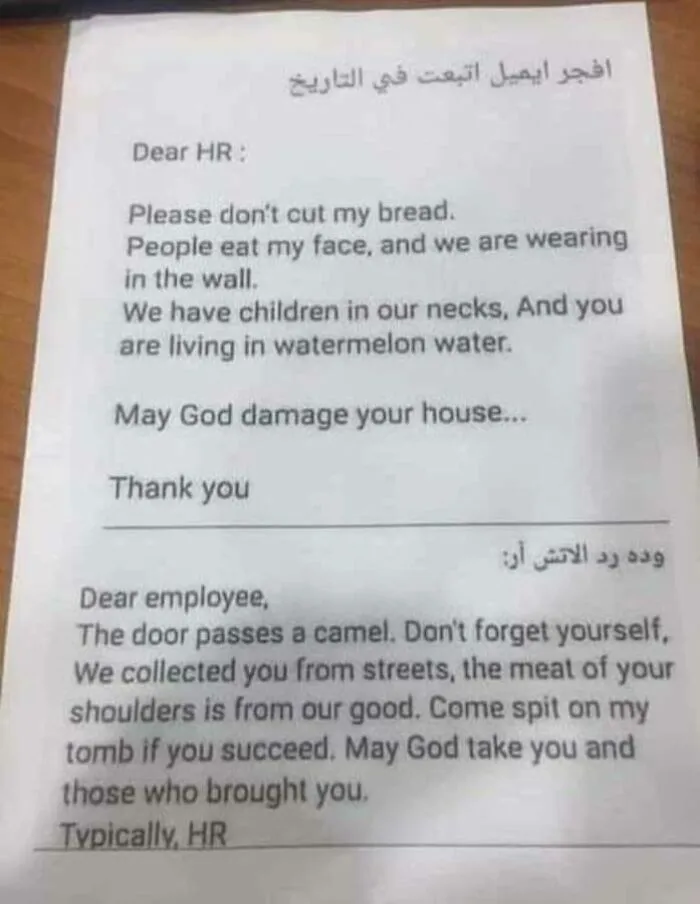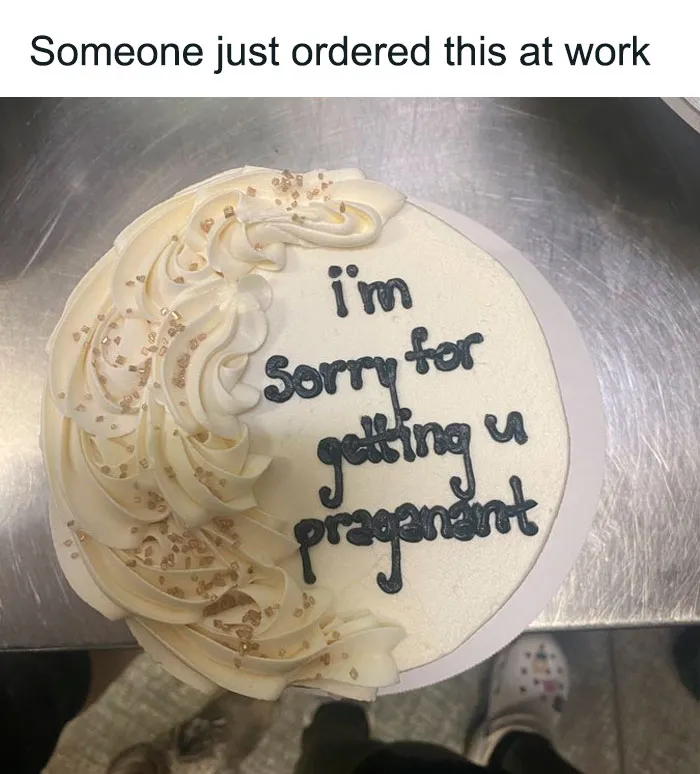



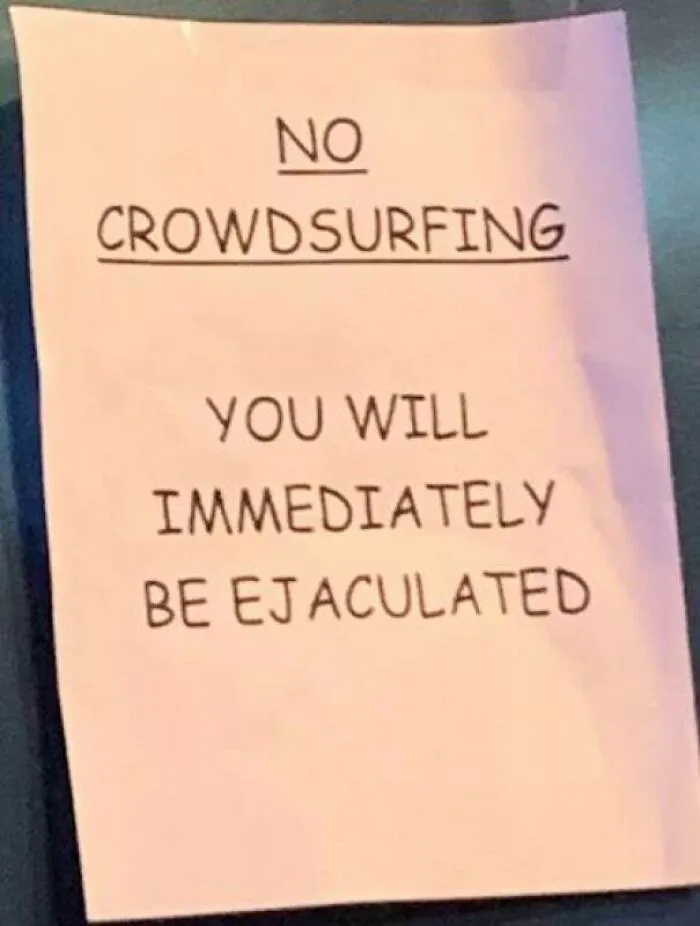
Previously, Lisa McLendon, from the University of Kansas, explained to Bored Panda why English is such a “train wreck” when it comes to spelling.
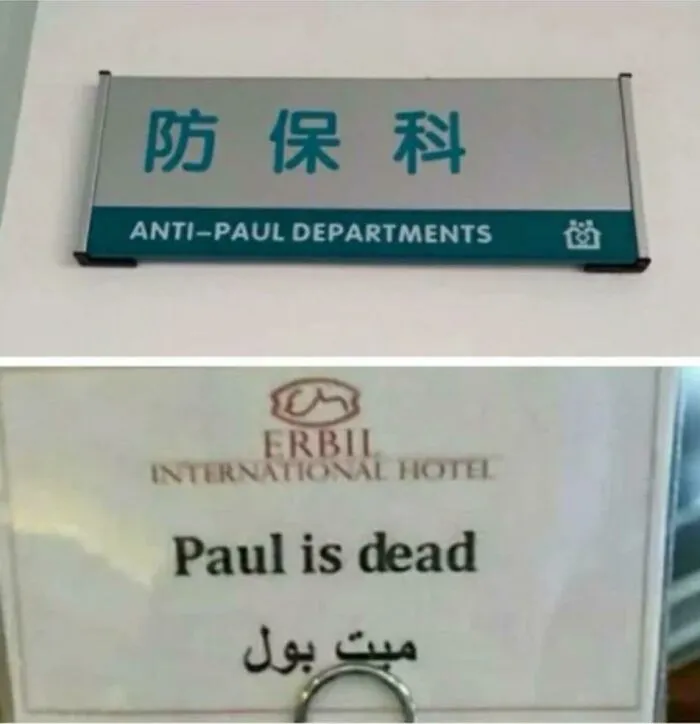
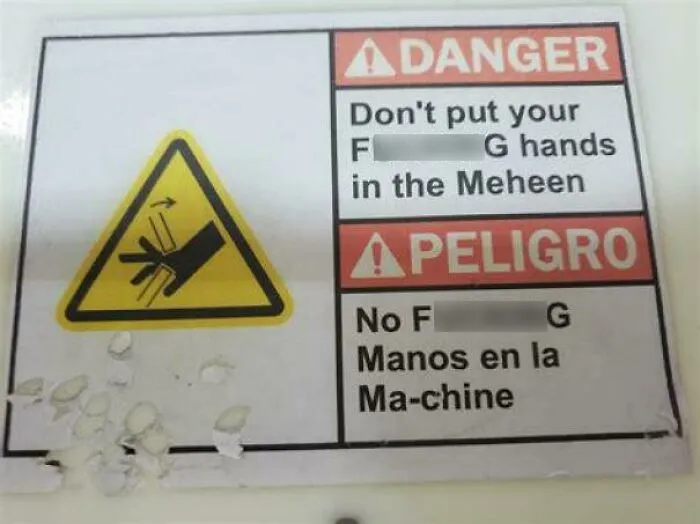
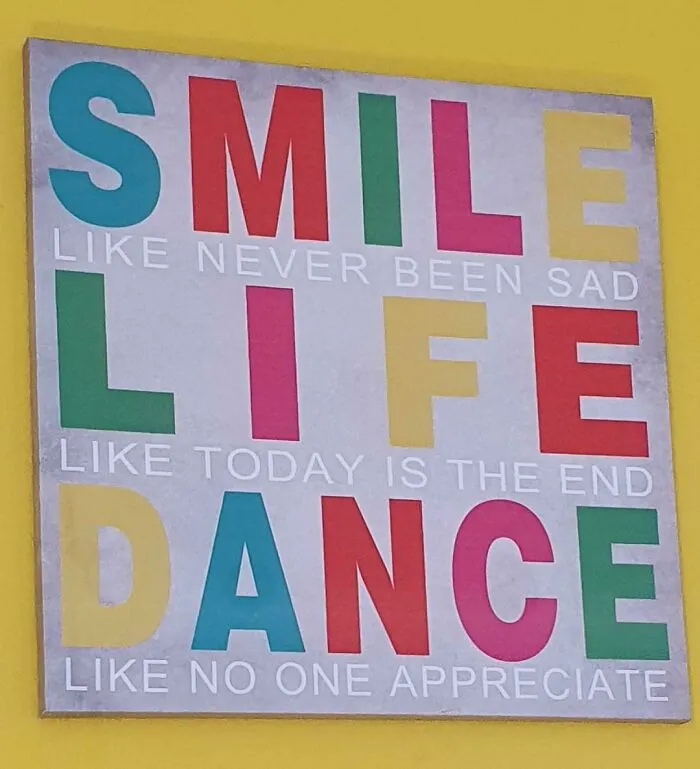
"English spelling is such a train wreck, with its myriad silent letters and wildly varying pronunciations for letters and letter combinations. But also, articles (a/an/the) tend to be difficult for people whose native language doesn’t have them, and our tense/aspect blend with combinations of auxiliary verbs makes the English verb system tricky even for native speakers sometimes," she told us during an earlier interview.

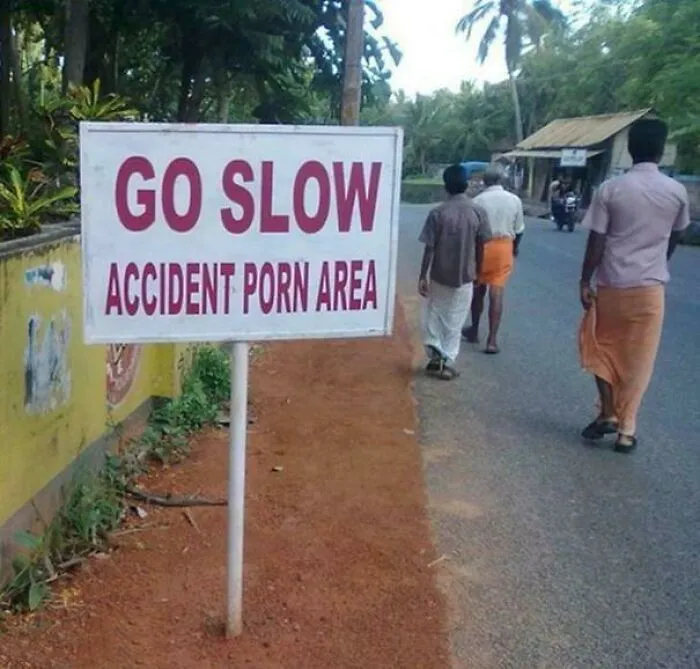
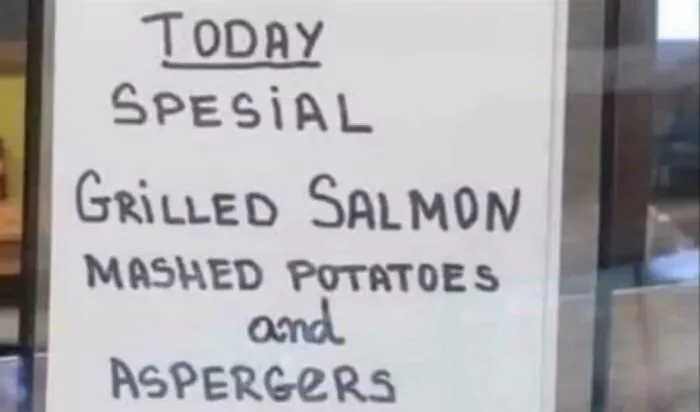
According to the professor, English isn’t spelled as it sounds for several reasons. Among them, we have to consider when certain words first entered the language, what their origins are, and when words were ‘codified.’
"People have proposed spelling overhauls before but they tend to not go anywhere, probably because it’s such a daunting project—could we all agree on what the changes would be?—and because then an entire body of texts would become basically a foreign language to the next generation. Many factors in addition to spelling contribute to a language’s 'character,' but some spellings do have echoes of archaic English—in my opinion, it would be a little bit sad to lose some of that," the professor told Bored Panda.
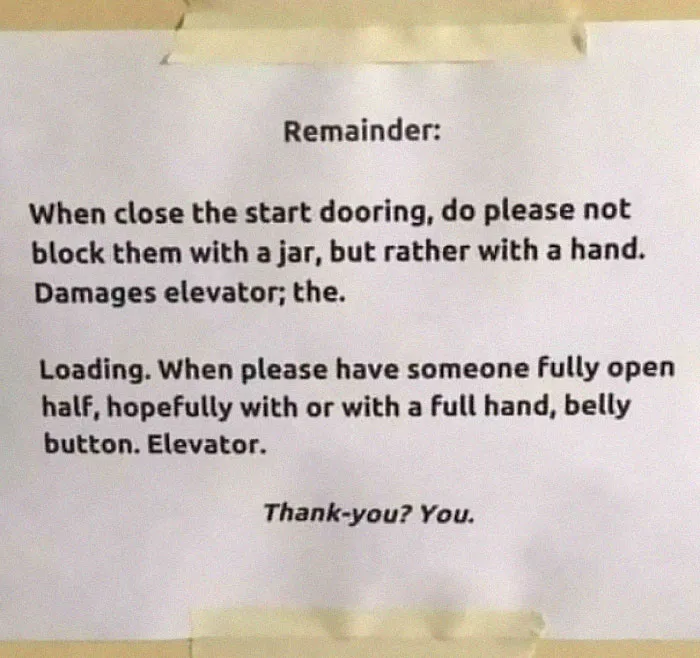


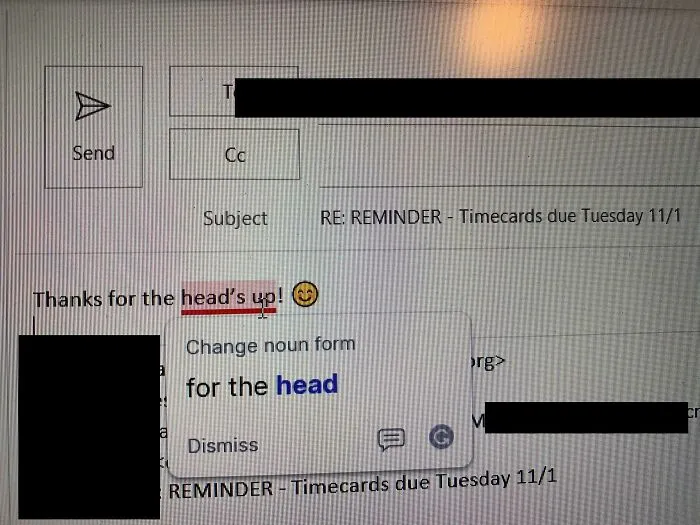
The language expert shared with us that spell check, as a whole, isn’t as great as many think it is. Sure, it’s wonderful for catching typos and misspellings, but it’s not quite up to part with our expectations yet.
"Where it’s more of a curse than a blessing is with homonyms/homophones because it won’t flag a word that is a word, but not the word you want. Think affect/effect, who’s/whose, led/lead but also word pairs like form/from and not-synonyms like bemuse/amuse, etc," she said.