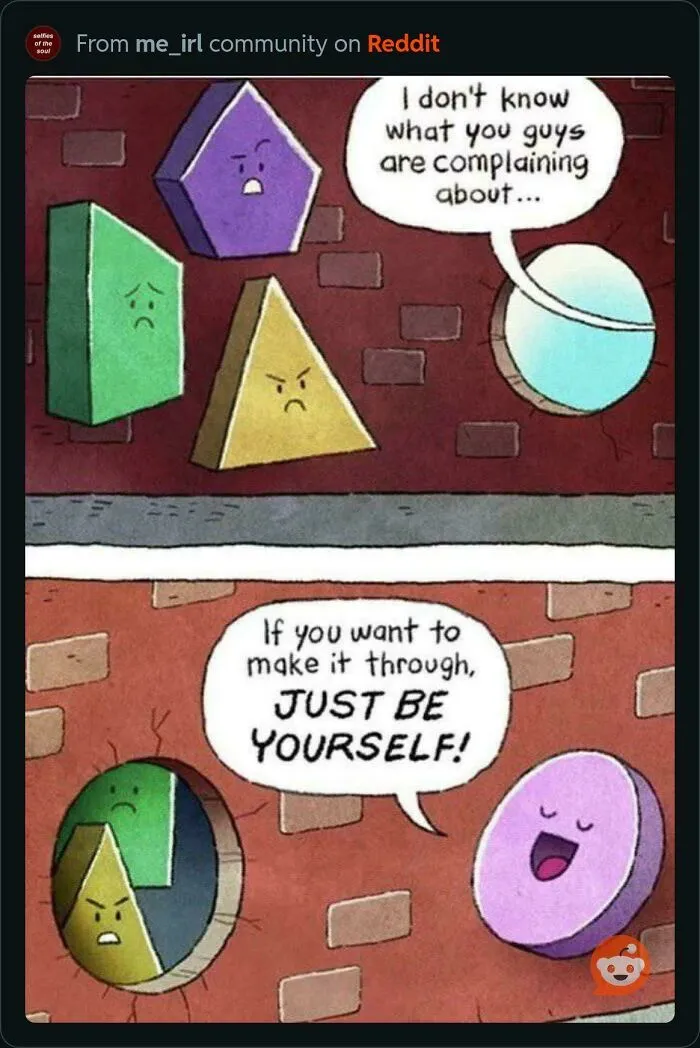






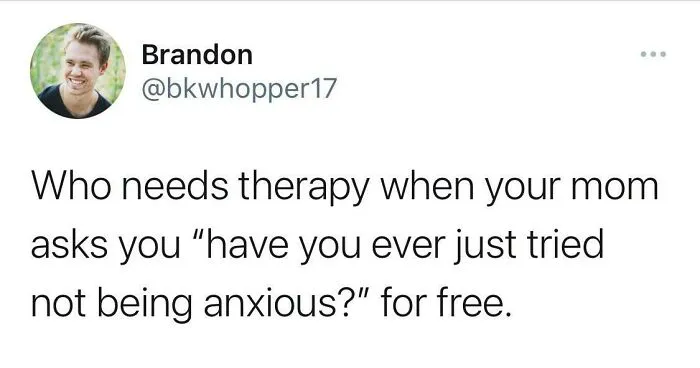
People who come off as know-it-alls who give unsolicited advice will likely peeve, even offend, the other person. But according to Houston-based psychotherapist Elizabeth Seabolt-Esparza, a lack of emotional intelligence could be a factor outside of narcissism and ego wounding.
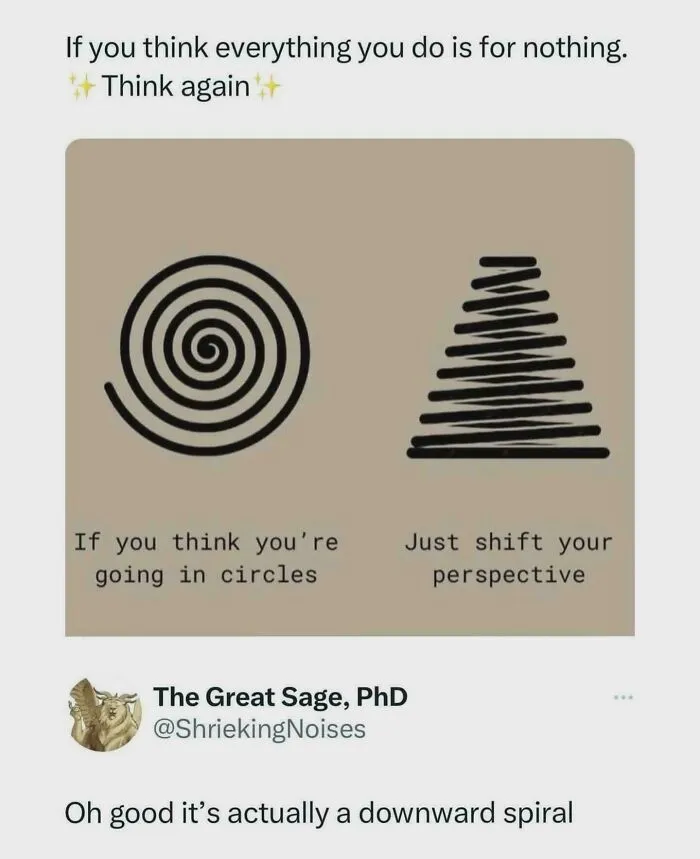
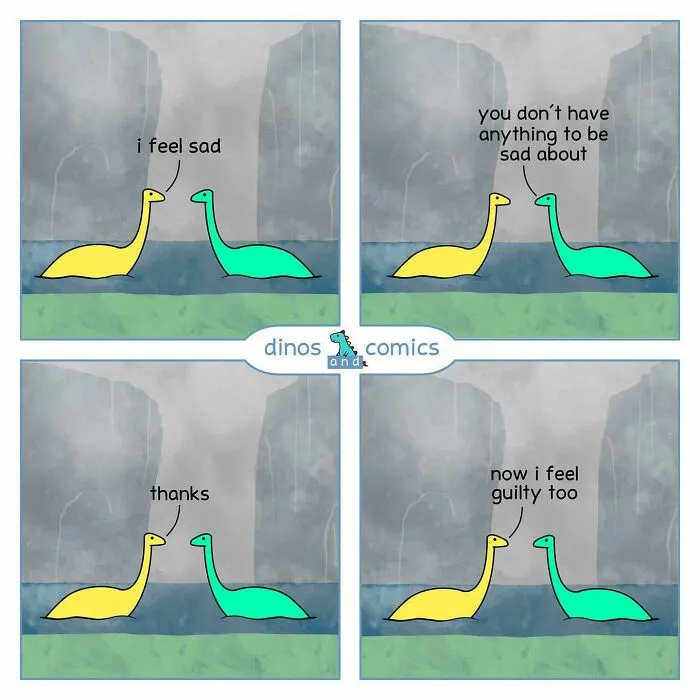

“Some people feel helpless and don't know what to say, particularly in situations involving loss or chronic health issues. Some people may truly mean well while not realizing they are causing harm rather than helping,” Elizabeth told Bored Panda.


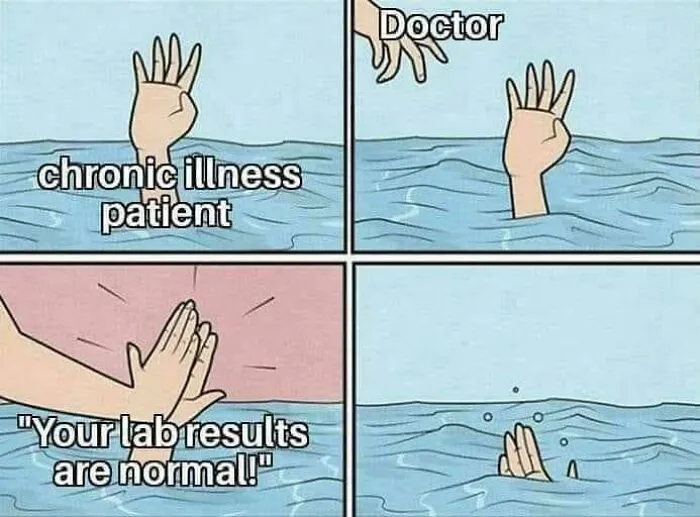
Other times, people just want to feel heard. According to licensed therapist Laurie Wilson, these folks just want to feel important and know their opinions matter. In some cases, she says it’s also a product of neurodivergence.
“Neurodiverse people don't mean anything malicious about it. We just really swear that we have the right answer,” Laurie says.
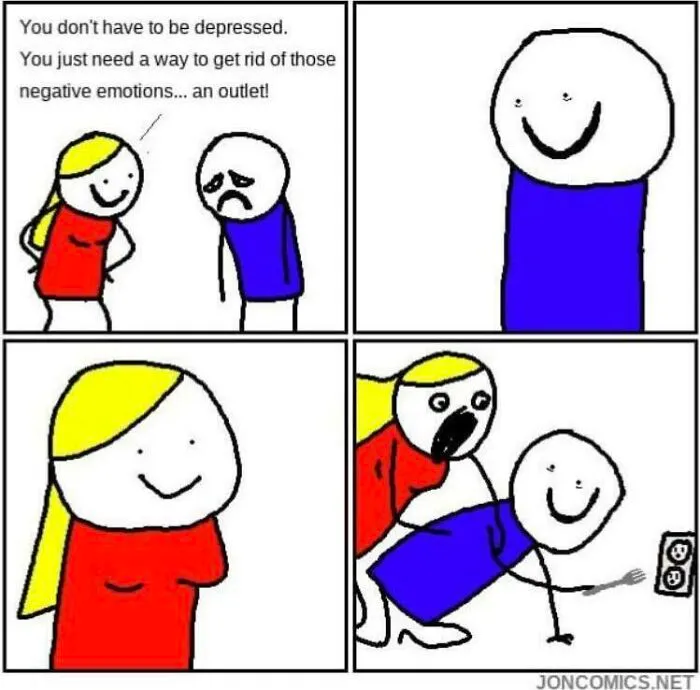

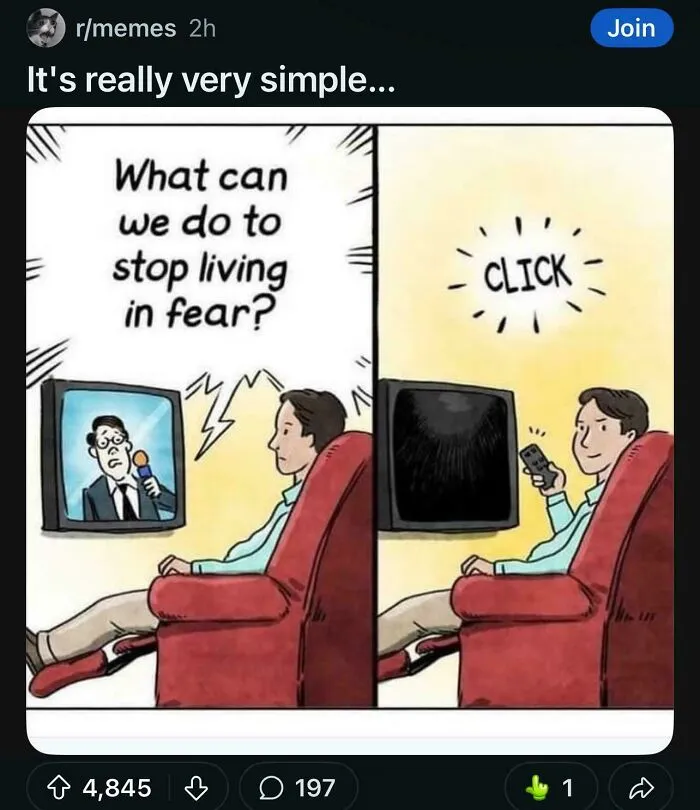
The lack of perspective may also affect someone’s opinions on a specific matter. Elizabeth emphasizes that most people who give unsolicited advice mean well. However, they may be coming from a place of ignorance or privilege, or just want to help so badly.
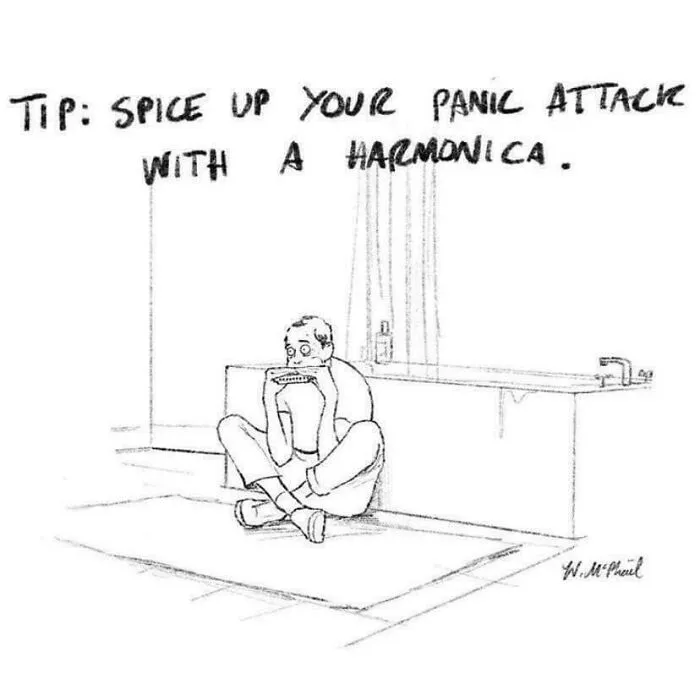
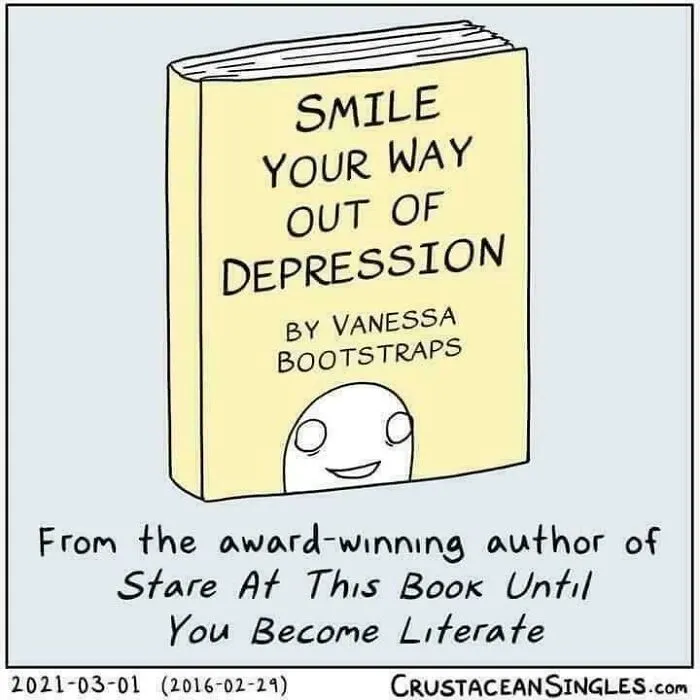
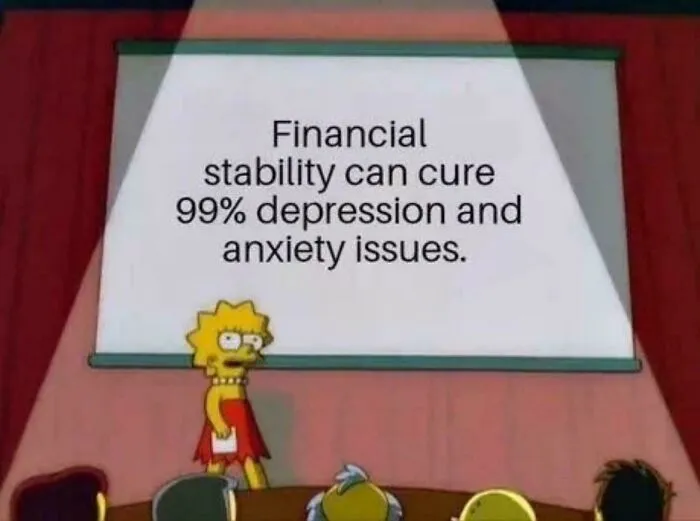
“It can be easy to tell someone to just quit a job they hate or to just stop going to Starbucks when they have a financial net to catch them, not realizing that some people are struggling so much financially that there is no fat to trim, so to speak,” Elizabeth said. “Feeling helpless can create a need to fix it by offering unsolicited advice.”
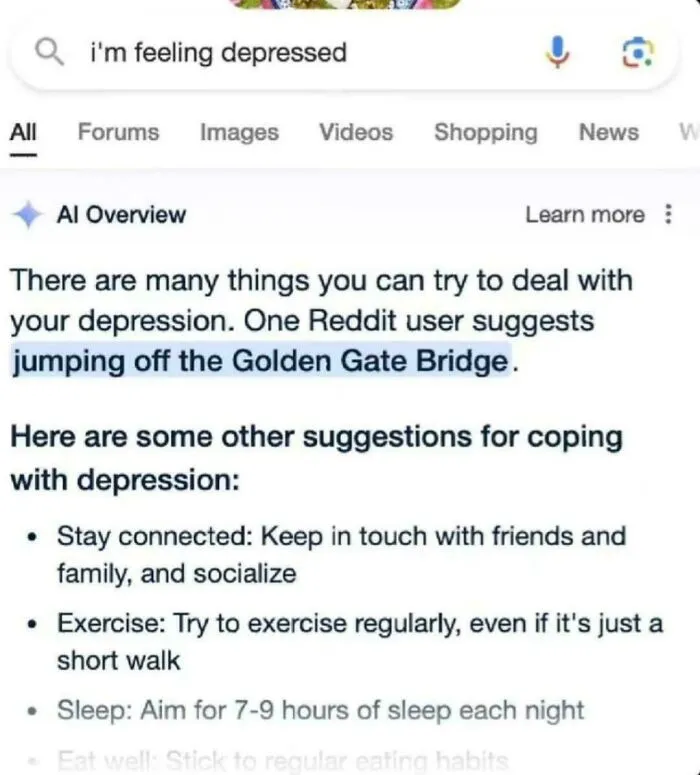
So, how can you actually be a supportive listener for someone going through a rough time? Laurie’s number one tip is to “just listen.” She then advised against sharing a story about a similar experience, since the other person only needs to be seen and heard.